
Can Cell Phone Data Be Used In Court? Key Legal Guide
Discover how your smartphone's digital trail can become powerful evidence in legal battles, and learn to protect your privacy rights effectively.
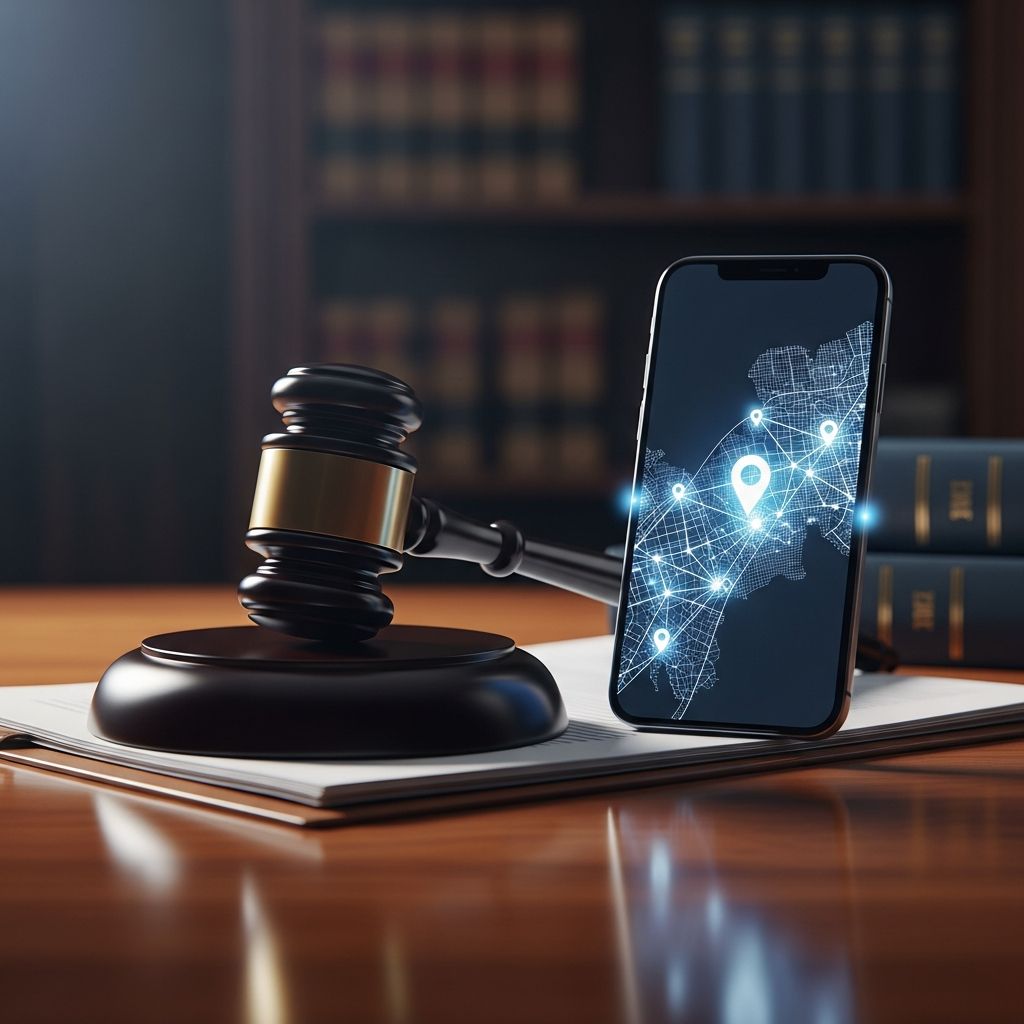
Your smartphone captures an extensive record of your daily life, from conversations and photos to precise location tracks and app interactions. In legal proceedings, this digital footprint often serves as compelling evidence. However, accessing and admitting such data involves strict constitutional safeguards and procedural hurdles.
The Digital Goldmine: What Cell Phone Data Reveals
Modern smartphones store vast amounts of information that prosecutors and plaintiffs frequently seek in court. Call logs detail connections, durations, and timestamps, while text messages preserve exact wording of communications. Geolocation data from GPS, Wi-Fi, and cell towers pinpoints movements over time. Photos, videos, emails, and app usage patterns further paint a picture of activities.
Wireless carriers maintain call detail records (CDRs), including voice calls, SMS metadata, and data usage, without content for encrypted messages like iMessages. These records help reconstruct timelines in accidents, crimes, or disputes. For instance, CDRs disproved an alibi in a hit-and-run by showing a phone near the scene.
- Call and Text Metadata: Times, durations, numbers involved—no content for standard SMS unless recently requested.
- Location History: Tower pings reveal approximate positions; apps provide precise GPS.
- Media Files: Photos with embedded metadata like timestamps and coordinates.
- App Data: Usage logs from social media, ride-sharing, or banking apps.
Constitutional Barriers: The Fourth Amendment’s Role
The Fourth Amendment protects against unreasonable searches and seizures, requiring warrants based on probable cause for cell phone data. In Carpenter v. United States (2018), the Supreme Court ruled 5-4 that historical cell-site location information (CSLI) demands a warrant, rejecting third-party doctrine arguments. Chief Justice Roberts emphasized phones’ intimate tracking capabilities.
This landmark decision narrowed access to location records, previously obtainable without warrants. It applies narrowly to long-term CSLI but not real-time pings or other business records. As of 2026, the Court is reviewing geofence warrants—broad requests for devices in crime areas—potentially expanding protections.
Paths to Accessing Phone Data Legally
Prosecutors or litigants obtain data through warrants, subpoenas, or consent. Warrants target specific devices with probable cause. Subpoenas to carriers yield CDRs easily, as they lack Fourth Amendment protection. Account holders can request records via notarized letters.
| Method | Applies To | Requirements | Limitations |
|---|---|---|---|
| Search Warrant | Device contents, CSLI | Probable cause, judicial approval | Needed post-Carpenter for location |
| Subpoena | Carrier CDRs | Court order or account holder request | Metadata only; content time-sensitive |
| Consent | Unlocked phone | Voluntary agreement | Can be challenged if coerced |
| Forensic Imaging | Full extraction | Warrant or court order in civil cases | Invasive; privacy objections common |
Encrypted apps like iMessage pose barriers; carriers see only data packets, not contents.
Exceptions: When Warrants Aren’t Required
Exigent circumstances bypass warrants, such as preventing imminent harm or evidence destruction. Visible incriminating info on a lock screen may justify initial review, but deeper searches need warrants—as ruled unconstitutional in U.S. v. Sam (2020), where FBI photographing a lock screen triggered Fourth Amendment scrutiny.
Voluntary consent or searches incident to arrest have limits; phones aren’t searchable like wallets without warrants. In civil litigation, courts compel forensic exams if relevant, as in Measured Wealth v. Foster (2021).
Admissibility Hurdles: From Data to Courtroom Evidence
Even legally obtained, data must be relevant, authenticated, and more probative than prejudicial. Chain of custody ensures no tampering; forensic tools extract and hash data for integrity. Experts interpret CDRs, debunking myths like data spikes proving active use—background syncs cause them.
In Calderon v. Corporacion Puertorriqueña de Salud (2014), deleted texts led to sanctions via carrier records. Defense attorneys challenge via motions to suppress illegal searches or authentication failures.
Criminal vs. Civil Contexts: Different Stakes
Criminal Prosecutions
Prosecutors use phone data for timelines, alibis, or intent. Defense forensics reveal planted evidence or extraction errors.
Civil Disputes
eDiscovery demands mobile data production; courts order imaging for trade secret or contract cases. Non-compliance risks inferences against parties.
Protecting Yourself: Practical Strategies
Lock devices with biometrics/PINs; use encrypted apps. Avoid consenting to searches—politely decline. In custody, invoke rights immediately. Regularly wipe old data; factory resets don’t erase forensics-recoverable fragments.
Consult attorneys early; they can contest warrants or evidence handling.
Future Trends: Evolving Digital Privacy Battles
Geofence warrants face Supreme Court scrutiny in 2026, potentially limiting mass data grabs. Advances in DEMS aid secure evidence management. End-to-end encryption grows, complicating content access.
Frequently Asked Questions
Does my carrier keep text message contents?
Metadata yes, contents only briefly for SMS; encrypted messages like iMessage no.
Can police search my phone during a traffic stop?
Only with warrant, consent, or exigency; lock screen views may count as searches.
What if my phone is stolen or lost?
Data remains accessible via cloud/iCloud; warrants still apply.
How accurate is phone location data?
Cell towers: 50-100m; GPS: meters. Cumulative CSLI tracks long-term patterns.
Can deleted data be recovered?
Often yes, via forensics unless securely overwritten.
References
- Can Cell Phone Evidence Be Used in Court? — Friedman Criminal Law. 2023-08-14. https://friedmancriminallaw.com/2023/08/14/can-cell-phone-evidence-be-used-in-court/
- Handling Mobile Data in eDiscovery — Everlaw. N/A. https://www.everlaw.com/guides/novel-data-types/handling-mobile-data-in-ediscovery/
- Cell Phone Records as Evidence in Legal Cases — Attorney at Law Magazine. N/A. https://attorneyatlawmagazine.com/from-the-expert/cell-phone-records-as-evidence-in-legal-cases
- Supreme Court to decide legality of geofence search warrants — Politico. 2026-01-16. https://www.politico.com/news/2026/01/16/supreme-court-geofence-warrants-00734779
- The Rise of Smartphone Digital Evidence — CivicEye. N/A. https://www.civiceye.com/rise-of-smartphone-digital-evidence/
Similar Articles








Read full bio of Sneha Tete


