
California Small Claims Court Guide: Complete Steps To File
Master the essentials of California's small claims court: limits, filing, trials, and enforcement for quick dispute resolution.
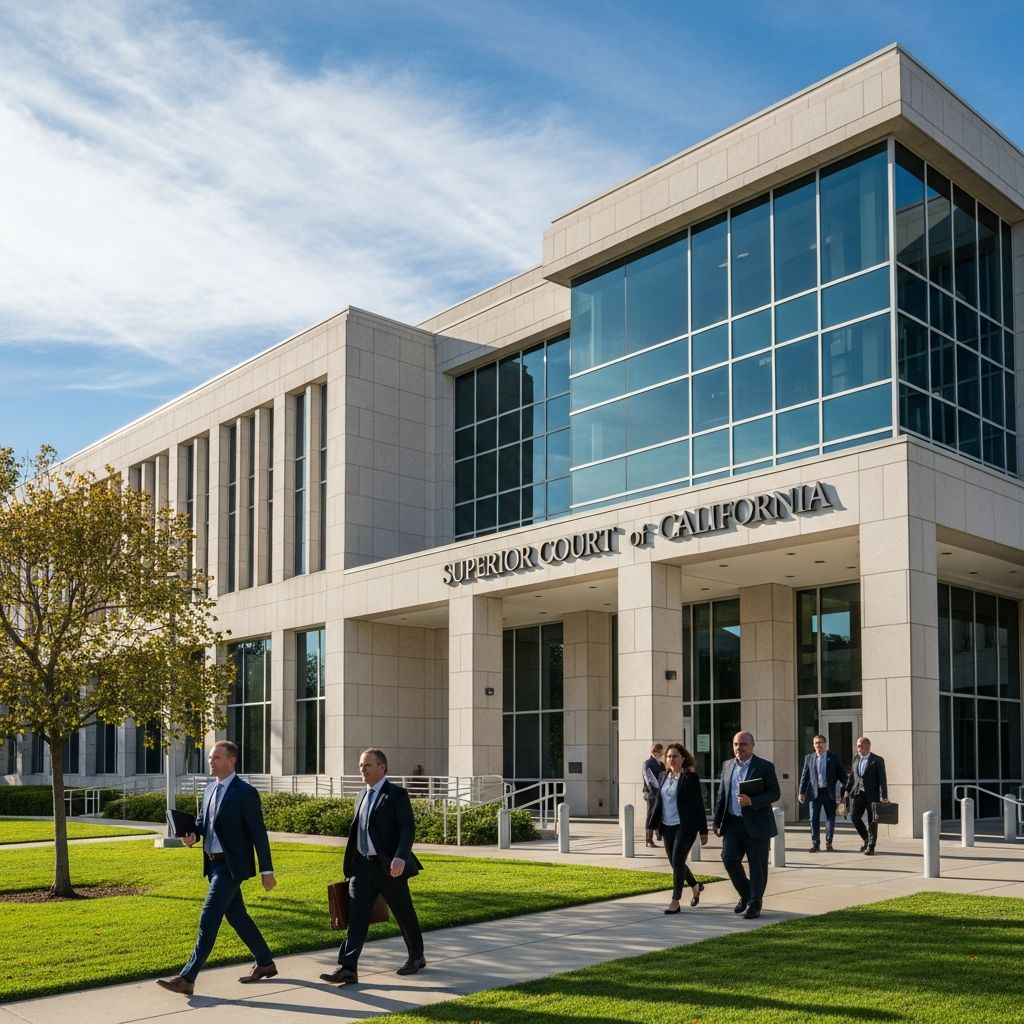
California’s small claims court offers a fast, affordable path to resolving everyday disputes without the complexity of full-scale litigation. Designed for individuals and small businesses, it handles claims up to $12,500, emphasizing simplicity and self-representation.
Understanding the Purpose and Scope of Small Claims Proceedings
This branch of the Superior Court prioritizes efficiency, stripping away formalities like juries or attorneys to focus on justice for minor monetary disagreements. Common cases include unpaid debts, faulty services, security deposit disputes, or minor property damage. The process encourages direct resolution, often concluding in weeks rather than years.
Unlike higher courts, proceedings are informal: judges act as mediators, questioning parties and reviewing evidence on the spot. This setup suits non-lawyers, saving thousands in legal fees while maintaining fairness.
Who Qualifies and What Claim Amounts Apply?
Individuals can pursue claims up to
$12,500
. Sole proprietors operating under a fictitious business name count as individuals, accessing the full limit—for instance, a freelance plumber suing for unpaid work.Businesses structured as corporations, partnerships, or other entities face a
$6,250
cap. Additionally, state law restricts filings: unlimited claims ≤$2,500 per year, but only two exceeding $2,500 annually across all California courts. Violating this blocks further large claims until the next calendar year.| Claimant Type | Maximum Limit | Annual Filing Restrictions |
|---|---|---|
| Individual/Sole Proprietor | $12,500 | Unlimited ≤$2,500; max 2 >$2,500/year |
| Corporation/Partnership | $6,250 | Same as above |
Claims over limits require superior court or arbitration, but plaintiffs may waive excess amounts to use small claims for speed.
Step-by-Step Guide to Initiating a Claim
Begin by obtaining forms like SC-100 (Plaintiff’s Claim) from court websites or clerks. Fill details: your info, defendant’s name/address, claim amount/reason, and evidence summary.
- Choose the right courthouse: File where defendant resides, business operates, or incident occurred. Local rules vary—e.g., Santa Clara uses Downtown Superior Court.
- Pay fees: $30–$75 based on amount/location; waivers for low-income filers.
- Serve the defendant: Use sheriff, process server, or certified mail (form SC-112A). Service must occur 15–30 days pre-hearing, depending on location.
Post-service, a hearing date is set, typically 20–70 days out. Notify defendant promptly to avoid dismissal.
Defending Against a Small Claims Action
If served, review the claim and prepare counterarguments. File a response (SC-120) if counter-suing (up to same limits). Attend the hearing or risk default judgment.
Defenses include disputing facts, statute of limitations (e.g., 4 years for written contracts), or tolling provisions like incarceration pausing deadlines. Cross-claims allowed if defendant believes plaintiff owes money.
Trial Day: What to Expect and How to Prepare
Hearings last 15–30 minutes before a judge—no juries. Arrive early, organized.
- Present your case: State facts chronologically, show documents (contracts, receipts, photos), call witnesses.
- Evidence rules relaxed: No strict admissibility; focus on relevance.
- Defendant responds: Cross-examine, present defense.
- Judge decides: Often immediately; explains reasoning.
Prove elements like breach, damages. Bring copies for all parties/judge. Dress professionally; be polite.
Post-Trial Outcomes and Collecting Judgments
A money judgment favors the winner, enforceable via wage garnishment, bank levies, liens, or seizures. No automatic payment—creditor enforces.
Issue a writ of execution (EJ-130); sheriff handles collection for fees. Debtors may request more time or payment plans.
Challenging Decisions: Appeals Process
Plaintiffs losing can appeal within 30 days of judgment mailing, getting a new trial in higher court—but no further appeals. Defendants cannot appeal their win; only request trial de novo if plaintiff appeals.
Comply strictly: miss deadline, lose rights. Consult clerk for forms (SC-145).
Strategic Tips for Success
- Attempt settlement first: Many courts require mediation.
- Gather strong proof: Written agreements trump verbal.
- Calculate accurately: Include costs, interest; waive excess strategically.
- Practice presentation: Clear, concise beats emotional rants.
Frequently Asked Questions
Can I hire a lawyer for small claims?
No, attorneys prohibited except advising pre-hearing or self-representing their claims. Keeps process accessible.
What if my claim exceeds $12,500?
Waive excess for small claims or file in unlimited jurisdiction court with lawyer.
How long do I have to file?
Statute of limitations varies: 2–4 years common; tolling may extend.
Virtual hearings available?
Yes, many courts offer telephonic/virtual options since 2021.
What if defendant doesn’t show?
Request default judgment; prove claim via evidence.
Local Variations and Resources
Counties differ: Check specific Superior Court sites for rules, locations, calendars. Self-help centers provide free guidance.
References
- California Small Claims Court: An Overview — Nolo. 2025. https://www.nolo.com/legal-encyclopedia/california-small-claims-court-overview.html
- Small Claims Division — Superior Court of California, County of Santa Clara. 2024-10-06. https://santaclara.courts.ca.gov/divisions/small-claims-division
- The small claims process — California Courts Self Help Guide. 2025. https://selfhelp.courts.ca.gov/small-claims
- Small Claims — Superior Court of California, County of Marin. 2025. https://www.marin.courts.ca.gov/divisions/small-claims
- How to Sue in Small Claims Court — LA County Department of Consumer and Business Affairs. 2025. https://dcba.lacounty.gov/portfolio/how-to-sue-in-small-claims-court/
- Self-Help Small Claims — Superior Court of California, County of Orange. 2025. https://www.occourts.org/self-help/self-help-small-claims
Similar Articles








Read full bio of medha deb


