
Can Businesses Legally Exclude Children?
Exploring the legal rights of restaurants and businesses to set child-free policies amid noise, safety, and customer preference debates.
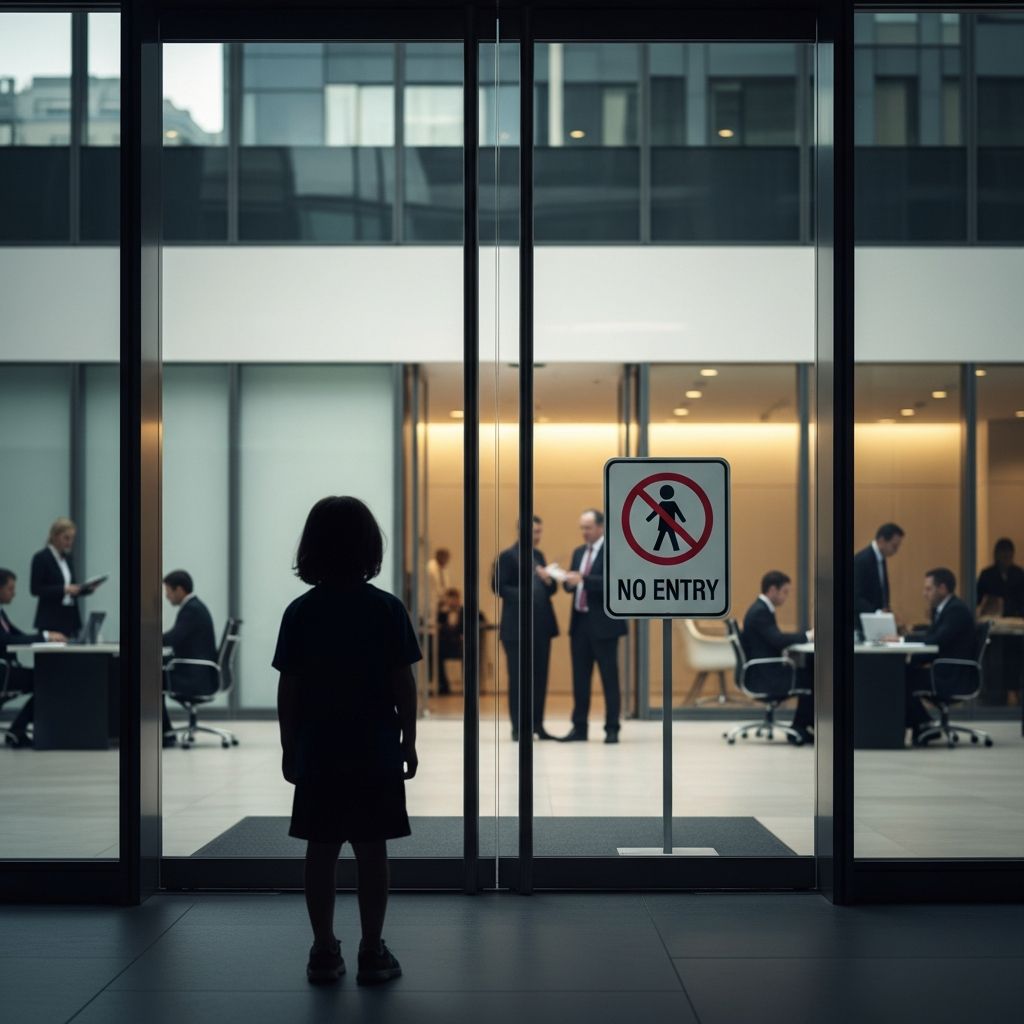
Restaurants and other establishments hold significant discretion to establish entry policies, including restrictions on minors, as long as they do not violate protected categories under federal law. Age-based exclusions for children are generally permissible nationwide, barring specific local regulations.
Business Autonomy in Setting Patron Rules
Private enterprises, particularly in the hospitality sector, possess broad authority to dictate who may enter their premises. This stems from the fundamental right to refuse service to anyone, provided the refusal does not stem from discrimination against federally protected classes such as race, color, religion, or national origin under Title II of the Civil Rights Act of 1964. Children, regardless of age, do not fall into these categories, allowing owners to implement age restrictions freely.
For instance, a restaurant might designate certain areas as adult-only to preserve a serene atmosphere, much like how gyms or salons limit access due to inherent hazards like heavy equipment or hot tools. This autonomy enables tailored experiences, catering to patrons seeking quiet dinners without interruptions.
Federal Legal Framework: No Age Protections for Patrons
The cornerstone of U.S. anti-discrimination law, the Civil Rights Act of 1964, mandates equal access to public accommodations but explicitly omits age as a protected characteristic for customers. Similarly, the Americans with Disabilities Act focuses on disability-related access, not familial status or youth. The Age Discrimination in Employment Act applies solely to workers aged 40 and above in hiring contexts, irrelevant to customer policies.
Without federal mandates shielding children, businesses face no legal barrier to child exclusions. This framework empowers owners to prioritize ambiance, safety, and operational efficiency over accommodating every demographic.
State and Local Variations: Potential Restrictions
While federal law provides leeway, some municipalities enact ordinances prohibiting discrimination based on familial status or age for minors. For example, certain cities might classify family composition as protected, compelling businesses to allow children. Owners must research local codes; a policy legal in one jurisdiction could invite fines elsewhere.
| Jurisdiction Type | Common Policy | Examples |
|---|---|---|
| Federal Baseline | Permits child bans | Civil Rights Act of 1964 |
| State Laws | Mostly permissive | No statewide bans on bans |
| Local Ordinances | May restrict | Familial status protections in select cities |
Safety Imperatives Driving Child-Free Zones
Beyond ambiance, safety often motivates these policies. Restaurants feature bustling kitchens, hot trays carried by servers, and open patios near traffic—environments hazardous for unsupervised toddlers. A child darting underfoot risks burns, spills, or traffic accidents, exposing owners to liability. Proactively banning minors mitigates these dangers, akin to prohibitions in salons with heated styling tools or gyms with weights.
Real-world incidents underscore this: a Florida eatery cited a near-miss on a busy avenue as the catalyst for its no-children sign, prioritizing patron welfare over potential lawsuits.
Preserving Ambiance and Customer Satisfaction
Many upscale or intimate venues target adults desiring uninterrupted conversations, romantic outings, or business meetings. Noisy children, crying infants, or disruptive devices shatter this vibe, deterring repeat visits from core clientele. Policies under age 5 or 18 foster a sophisticated setting, boosting reservations post-implementation in several cases.
- Noise Reduction: Eliminates tantrums or toy sounds.
- Intimacy Boost: Appeals to couples and small groups.
- Revenue Impact: Often increases bookings from child-free demographics.
Documented Cases of Successful Policies
Several establishments have thrived post-ban. A Tampa Bay hotspot erected a “No Children” sign after safety scares, garnering online support despite backlash. North Carolina’s Caruso’s barred under-5s following an iPad incident, seeing reservation surges. Virginia’s sushi spot now promotes date-night exclusivity by excluding under-18s.
Even partial segregations work: pizza parlors split into bar (adults) and family sides, satisfying diverse needs without full exclusion.
Navigating Public Backlash and PR Challenges
Announcing child bans often sparks outrage on social media, with parents decrying exclusion. Yet, supporters—frequent adult diners—rally, enhancing loyalty. Owners should prepare messaging emphasizing safety and ambiance, not disdain for families. Positive Yelp trends post-policy suggest backlash fades if service excels.
Alternatives to Total Bans for Family-Friendly Balance
Not all opt for outright prohibitions. Viable compromises include:
- Designated family sections with kid menus.
- Quiet hours for adults only.
- Reservation systems prioritizing family times.
- Clear signage and staff training for enforcement.
These maintain inclusivity while safeguarding premium experiences.
Liability Shields Through Proactive Measures
Excluding children reduces premises liability claims from injuries. Courts uphold such policies as reasonable business judgments. Owners bolstering defenses with waivers, surveillance, and insurance tailored to risks further insulate against suits.
Industry Trends and Future Outlook
Child-free dining gains traction amid post-pandemic shifts toward personalized, low-stress outings. Fine-dining spots increasingly adopt restrictions, mirroring global trends in Europe and Asia. As demographics evolve—with more childless adults—expect wider acceptance, tempered by family advocacy.
Frequently Asked Questions
Is it legal for any restaurant to ban all children?
Yes, under federal law, unless local ordinances specify otherwise. Age isn’t protected like race or religion.
What if a ban targets only very young kids?
Still legal; businesses can set specific age cutoffs based on safety or ambiance needs.
Can parents sue over a child ban?
Rarely successfully, absent proof of illegal discrimination. Courts defer to business discretion.
Do hotels or bars have different rules?
Similar freedoms apply, though alcohol-serving venues often have stricter minor limits anyway.
How should owners announce a policy?
Use signage, websites, and social media; train staff politely to enforce.
Practical Steps for Implementing Restrictions
1. Review local laws via city attorney or legal counsel.
2. Draft clear policy language.
3. Install prominent signs.
4. Train employees on courteous refusals.
5. Monitor feedback and adjust as needed.
This strategic approach minimizes legal and reputational risks while enhancing operations.
References
- Is it Legal to Ban Kids from Restaurants? — Lord & Lindley. 2017-11-15. https://lordlindley.com/2017/11/15/legal-ban-kids-from-restaurants/
- Legal to Ban Children from Your Business? — Michel & Associates, P.C. 2023-10-01. https://michellawyers.com/legal-to-ban-children-from-your-business/
- Civil Rights Act of 1964, Title II. — U.S. Congress / U.S. Department of Justice. 1964-07-02. https://www.justice.gov/crt/title-ii-public-accommodations
- Public Accommodations Provisions. — U.S. Equal Employment Opportunity Commission. 2024-05-15. https://www.eeoc.gov/statutes/title-vii-civil-rights-act-1964
- Age Discrimination in Employment Act of 1967. — U.S. Department of Labor. 1967-12-15. https://www.dol.gov/agencies/whd/age
Similar Articles








Read full bio of medha deb


