
Why Burt Reynolds Used a Trust for His Son
How Burt Reynolds’ private trust for his son shows the power of thoughtful estate planning and strategic use of wills and trusts.
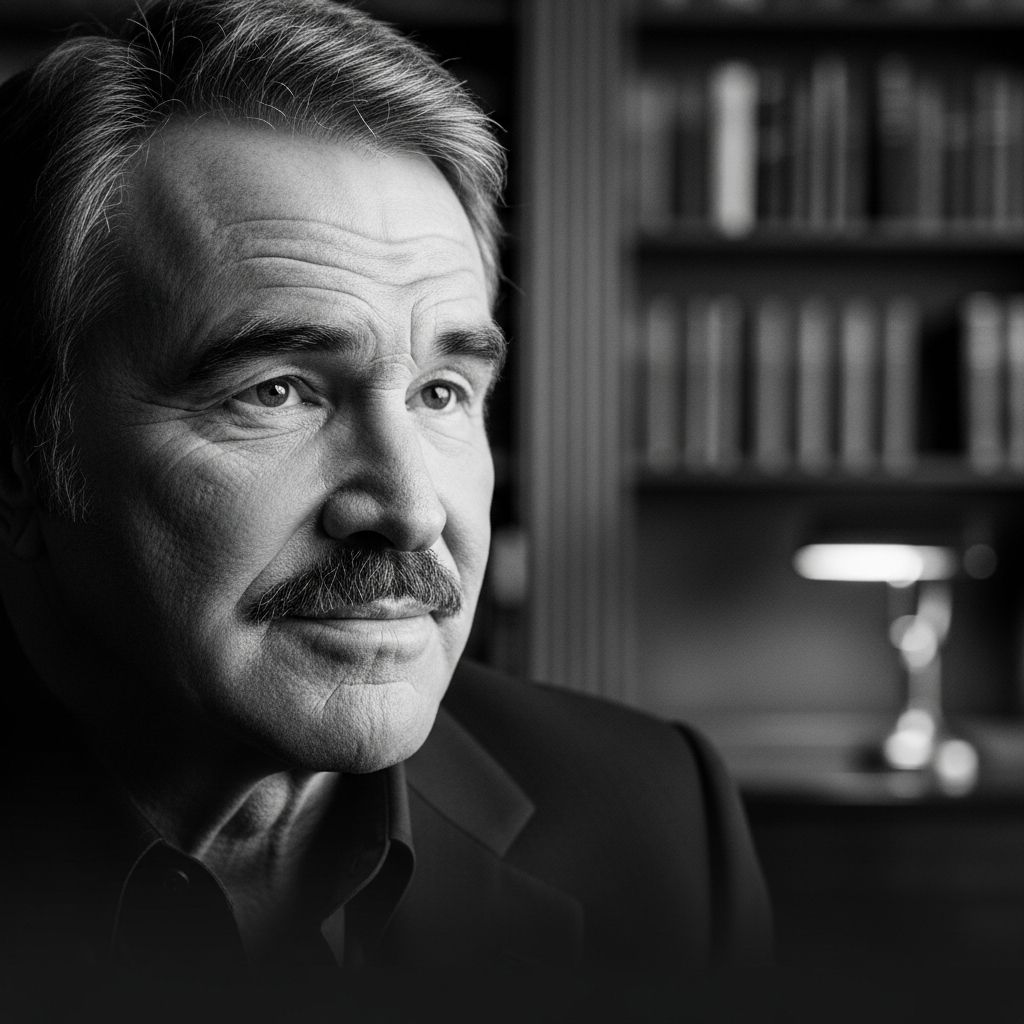
When the will of actor Burt Reynolds became public after his death, many headlines loudly declared that he had “cut his son out” of his estate. The reality was more nuanced: legal language in the will suggested that Reynolds had already arranged for his son through a trust, a planning technique that works alongside (and sometimes instead of) a traditional will.
This estate planning choice offers a practical case study in how trusts work, why someone might appear to “disinherit” a child on paper, and what families can learn about balancing privacy, control, and protection in their own plans.
From Public Will to Private Trust: What Happened?
Reynolds had one child, an adult son, and a will that explicitly stated he was being left out because he had already been provided for in a separate declaration of trust. The will itself, like all probated wills, became part of the public record. In contrast, the trust document remained private, so outsiders could not see its terms, its beneficiaries, or its assets.
In practical terms, this likely meant:
- The will controlled only assets outside the trust and named an executor to manage those public estate matters.
- The trust held most of the actor’s wealth, and the trust terms (not the will) controlled who benefited and how.
- The son may well have been a beneficiary, but any inheritance he received would be known only to the family and trustee, not the general public.
This structure is common in modern estate planning, especially for public figures, business owners, and families concerned about privacy and potential disputes.
Wills vs. Trusts: How They Differ in Practice
To understand Reynolds’ planning, it helps to compare how a simple will differs from a revocable living trust, the tool most commonly used in similar celebrity and high-net-worth plans.
| Feature | Will | Revocable Living Trust |
|---|---|---|
| Effective date | Operates only after death | Operates during life and after death |
| Public vs. private | Generally becomes public through probate | Generally remains private; usually not filed with court |
| Probate involvement | Typically required for most or all assets | Properly funded assets usually bypass probate |
| Speed of administration | Limited by court schedules and procedures | Often faster, handled by trustee under trust terms |
| Flexibility during life | Cannot manage property if you become incapacitated | Can be managed by you or a successor trustee if you become incapacitated |
In Reynolds’ case, publicly available court filings and commentary from estate planning attorneys indicate that he used a trust-centered plan with a will working as a support document, not the main instrument.
Why a Parent Might “Omit” a Child Yet Still Provide for Them
The phrase in Reynolds’ will omitting his son sounded harsh to casual readers. In legal context, language like this is often used deliberately to prevent future confusion and lawsuits. By stating that a child is not inheriting under the will because they have already been provided for elsewhere, the document:
- Makes clear that the omission is intentional, not an oversight or drafting mistake.
- Signals that another legal arrangement (such as a trust) is handling that person’s inheritance.
- Discourages later claims that the child was accidentally left out or unfairly shortchanged.
In other words, “omitting” a child from a will does not automatically mean true disinheritance. Sometimes, as likely occurred here, it simply means the will is not the main vehicle for that person’s inheritance.
Key Benefits of Using a Trust in a Plan Like Reynolds’
Reynolds’ estate plan illustrates several reasons families—celebrity or not—turn to trusts as a central planning tool.
1. Privacy for Beneficiaries
A will that is admitted to probate becomes part of a court file that can typically be accessed by the public and the media. Assets, distributions, and sometimes creditor claims are all reflected there. In contrast, a private trust is generally not filed with the court, and its beneficiaries and terms are not automatically disclosed.
For public figures and families concerned about safety, attention, or harassment, this privacy can be a major advantage.
2. Avoiding or Reducing Probate
When assets are titled in the name of a trust during the owner’s lifetime, those assets usually pass under the trust document rather than through the full probate process. This can:
- Shorten the time between a death and the distribution of assets.
- Reduce administrative costs and court filing fees.
- Limit opportunities for public challenges or family disputes.
Many states and official consumer guides note that living trusts, when properly funded, are a common way to minimize the demands of probate.
3. Potential Protection from Creditors and Claims
Certain types of trusts and specific provisions can offer beneficiaries some level of protection from their own creditors or divorcing spouses, depending on state law. While not every trust is asset-protective, using a trust structure can allow an estate planner to design safeguards that are not available in a simple will.
4. More Control Over Timing and Conditions
Unlike an outright inheritance under a will, trust distributions can be:
- Staggered over time, such as partial distributions at certain ages.
- Conditional, for example tied to education, health needs, or other factors.
- Left to the discretion of a trustee who evaluates a beneficiary’s needs over time.
This can be especially useful when beneficiaries are young, have special needs, or might not yet be prepared to manage a large inheritance responsibly.
The Role of a Pour-Over Will
Many trust-based plans, including what appears to have been used by Reynolds, rely on a document called a pour-over will.
In simple terms, a pour-over will:
- Covers any assets that were left out of the trust during life, whether by oversight or timing.
- Directs those assets to “pour over” into the trust at death.
- Ensures that, ultimately, the trust’s terms control how everything is distributed, as long as state law requirements are met.
In Reynolds’ situation, attorneys who examined the public record noted that his trust appeared to be well-funded, with relatively few assets left outside of it. The pour-over will served as a safety net, not the central plan.
Lessons for Everyday Families
While few people face the same level of public scrutiny as a Hollywood star, the underlying issues in this case apply widely. The key takeaways for non-celebrities include:
- Clarity beats assumptions – Explicit language in a will or trust about who is and is not included can prevent years of painful disputes.
- Trusts are not only for the ultra-wealthy – Families of many asset levels use revocable trusts to organize their affairs, especially when privacy or ease of administration matters.
- Coordinating documents matters – A trust, a pour-over will, beneficiary designations, and powers of attorney should be designed to work together, not at cross-purposes.
- Planning ahead protects loved ones – Thoughtful estate planning can spare surviving family members confusion, stress, and unnecessary legal cost.
Common Misunderstandings About “Disinheritance”
Media stories about celebrity estates often use dramatic language like “cut off” or “disinherited.” In reality, estate law treats these concepts more precisely. A few common misconceptions include:
- Myth: If someone is not named in the will, they receive nothing.
In fact, a person can receive property through a trust, a joint account, a beneficiary designation, or other non-probate transfers, even if they are not named in the will at all. - Myth: Saying you “omit” a child is always hostile.
In many plans, this language is used purely for legal clarity and to avoid later claims that a child was forgotten or accidentally excluded. - Myth: Trusts completely eliminate all court involvement.
Trusts often reduce or avoid probate for assets properly titled to them, but disputes, tax issues, or other matters can still bring courts into the picture in some situations.
Practical Steps if You Want Similar Protections
For individuals who see value in the approach illustrated by Reynolds’ estate, there are several practical steps to consider when working with a qualified attorney:
- Inventory what you own – Real estate, business interests, bank and investment accounts, retirement plans, life insurance, personal property, and digital assets.
- Clarify your goals – Who should benefit, how much control they should have, and whether privacy or creditor protection are high priorities.
- Discuss revocable trusts – Ask whether a revocable living trust is appropriate in your jurisdiction and for your asset level and family situation.
- Coordinate beneficiary designations – Align retirement accounts, insurance policies, and payable-on-death accounts with the overall plan so they do not unintentionally bypass your trust or will.
- Plan for incapacity – Consider who would manage your trust, finances, and health decisions if you could not act for yourself.
Frequently Asked Questions (FAQs)
Q: If a will says a child is omitted, can that child still inherit?
Yes. A child may receive assets through a separate trust, joint ownership, beneficiary designations, or other non-probate transfers, even if the will states that they are intentionally omitted. The will only governs property subject to that will, not property already controlled by a trust or contract-based arrangement.
Q: Why would someone use a trust instead of just a will?
People use trusts to maintain privacy, streamline or reduce probate, provide ongoing management of assets, and set conditions or protections on how and when beneficiaries receive property.
Q: Are the terms of a trust always private?
Generally, revocable living trusts are private instruments that do not have to be filed in court at death, unlike wills that go through probate. However, a court can become involved if there is a dispute, and some parties—like beneficiaries and certain interested persons—may have rights to information under state law.
Q: Do I need to be wealthy for a revocable living trust to make sense?
Not necessarily. Whether a trust is appropriate depends on your goals, the types of assets you own, the laws of your state, and your concern about issues like privacy and ease of administration, not just the dollar value of your estate.
Q: Can a trust completely prevent legal challenges?
No structure can guarantee that no one will file a challenge, but trusts can sometimes make disputes less likely or harder to pursue, particularly because they are not automatically public and may be drafted with provisions that strengthen their enforceability.
References
- Inside Burt Reynolds’ Private Estate Plan: Why He Left His Son Out of His Will — The Law Offices of DuPont and Blumenstiel. 2018-10-01. https://dupontestatelaw.com/blog/inside-burt-reynolds-private-estate-plan-why-he-left-his-son-out-of-his-will/
- How Burt Reynolds Used Trust Planning to Perfect His Estate Plan — Dodds Law Office. 2018-10-10. https://doddslaw.com/blogs/how-burt-reynolds-used-trust-planning-to-perfect-his-estate-plan/
- Will vs. Revocable Trust: Why Burt Reynolds Chose to Exclude His Son From His Will — T. Stewart & Associates. 2018-10-05. https://tstewartlaw.com/will-vs-revocable-trust-why-burt-reynolds-chose-to-exclude-his-son-from-his-will/
- Celebrity Estate Lessons – Burt Reynolds — Harrison Estate Law. 2018-11-01. https://harrisonestatelaw.com/celebrity-estate-lessons-burt-reynolds/
- When Disinheritance Is a Good Thing: The Last Will and Testament of Burt Reynolds — O. Goldberg Law. 2018-10-02. https://ogoldberglaw.com/trusts/when-disinheritance-is-a-good-thing-the-last-will-and-testament-of-burt-reynolds/
- Why Did Burt Reynolds Cut His Son Out of His Will? — Palmer Law. 2018-09-20. https://www.palmerslay.com/why-did-burt-reynolds-cut-his-son-out-of-his-will/
Similar Articles








Read full bio of medha deb


