
Brown-Bagging Alcohol: What Public Drinking Laws Really Allow
Understand how open container rules, local ordinances, and exceptions affect your ability to drink alcohol in public spaces.
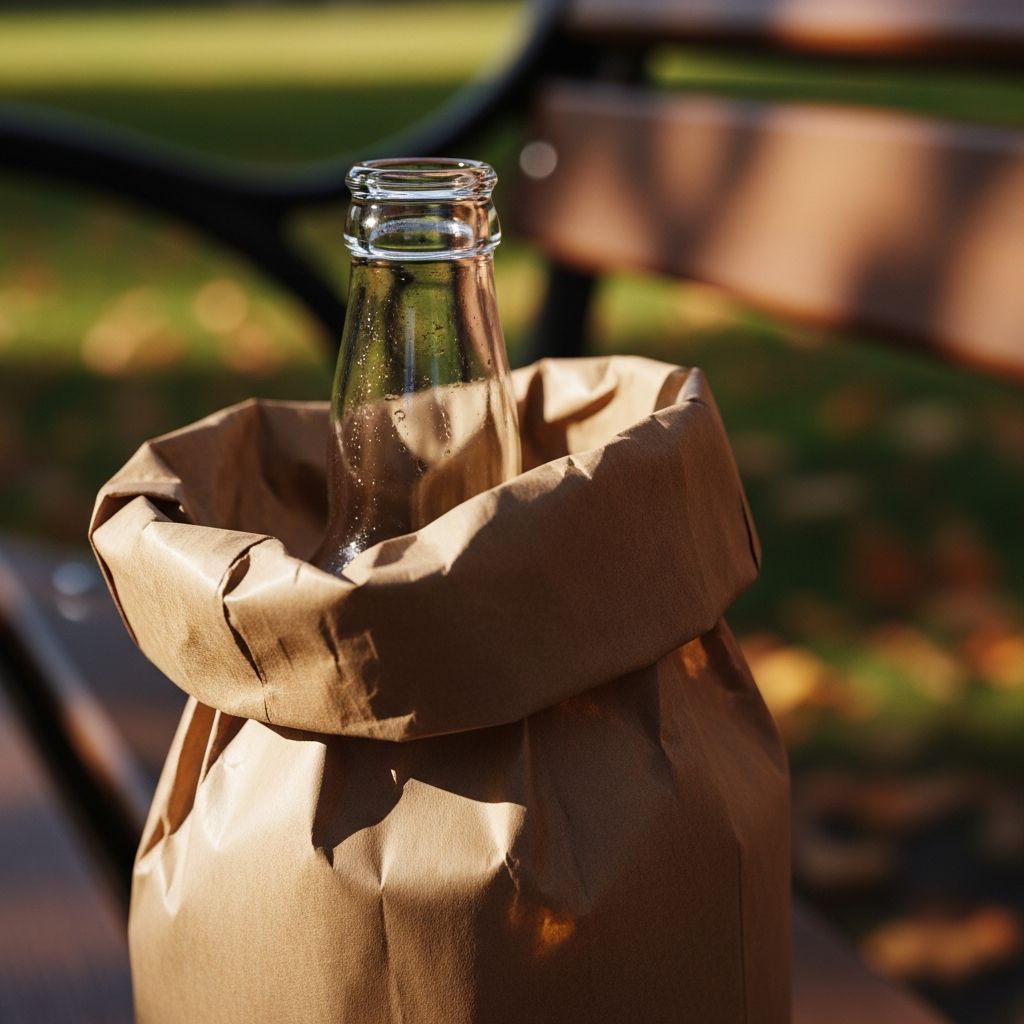
Carrying a bottle or can of alcohol in a plain paper bag is a familiar movie trope. But in real life, brown-bagging almost never makes drinking in public legal. Most U.S. states and cities regulate or ban public drinking through open container laws and related ordinances, and those rules usually apply regardless of what your drink is wrapped in.
This article explains how public drinking laws work in the United States, why brown bags rarely protect you from a ticket, and what exceptions may exist in certain locations.
Public Drinking vs. Open Container vs. Public Intoxication
Three different concepts are often mixed together in everyday conversation. Understanding the differences is essential:
- Public drinking laws: Prohibit consuming alcohol in designated public places such as streets, sidewalks, and parks.
- Open container laws: Prohibit having open alcoholic beverage containers in certain public areas, which may include sidewalks, parks, and vehicles.
- Public intoxication laws: Target behavior, punishing people who are obviously drunk in public, especially when they pose a safety or nuisance risk.
Many jurisdictions use a combination of these approaches. Some areas focus on possession of an open container; others focus on drinking in public; many regulate both at once.
What Counts as an “Open Container”?
Although definitions vary by state or city, open container laws generally cover any alcoholic beverage that is not in its original sealed packaging.
- A can or bottle that has been opened, even if re-capped or re-corked
- A cup, glass, plastic or paper cup containing alcohol
- A flask or other portable container holding liquor
The key idea is that the alcohol is ready to be consumed. Wrapping that container in a paper bag does not change its legal status—it is still an open container if local law defines it that way.
Do Brown Bags Ever Make a Legal Difference?
In most places, the answer is no. The law typically cares about whether:
- The liquid is alcohol, and
- The container is open, and
- You are in a location where open containers or public drinking are prohibited.
None of these factors depend on whether the container is visible. If a police officer has probable cause to believe a paper bag holds an open alcoholic drink—because of smell, labeling, your behavior, or your own admission—the bag offers no legal shield.
Brown bags may be used as a courtesy (for example, to conceal a bottle when you carry unopened wine from a store home), but they are not a recognized loophole in open container statutes.
Where Public Drinking Rules Come From
There is no single federal law that bans public drinking or open containers in all public spaces across the United States. Instead, these rules are mostly created at the state and local level.
Key points about their development include:
- Modern open container laws grew over several decades as communities tried to reduce visible public drunkenness and alcohol-related crime.
- Some laws specifically target drinking in public, while others target being intoxicated in public, or both.
- According to open container law surveys, a majority of states either prohibit or tightly regulate open alcohol containers in public places.
Every jurisdiction can draw the lines differently. A practice that is tolerated in one city might be illegal one block away in a neighboring town.
How States and Cities Typically Regulate Public Drinking
Although rules differ widely, several common patterns appear around the country.
| Regulation Approach | What It Usually Means | Effect on Brown-Bagging |
|---|---|---|
| Statewide public drinking bans | Drinking or holding open alcohol is illegal in most public spaces statewide. | Brown bag does not matter; the drink is still prohibited. |
| No statewide ban, strong local ordinances | Cities or counties adopt their own open container and public drinking rules. | Varies by city; concealing the drink rarely changes legality. |
| Entertainment or hospitality districts | Specific streets or zones allow outdoor drinking from approved cups bought from licensed bars. | Brown-bagging usually not allowed; only official cups are permitted. |
| Special permits for events or parks | Festivals, concerts, or permitted park events can temporarily allow public alcohol consumption. | Rules in the permit control containers; paper bags have no special status. |
Examples of How Public Drinking Rules Can Differ
Some states and cities carve out narrow exceptions, particularly in tourist or entertainment areas. These examples illustrate how specific and limited such exceptions usually are:
- Designated outdoor refreshment areas (DORAs): In Ohio, for example, state law allows cities to designate certain areas where adults may walk around with alcoholic drinks purchased from licensed vendors. Drinks typically must be in logoed plastic cups; you cannot just bring your own beer in a bag.
- Entertainment districts: Various cities create entertainment zones where you can carry alcoholic beverages from participating bars within defined boundaries, again usually in specific cups or under strict rules.
- Parks with limited allowances: A handful of jurisdictions allow beer or wine in certain park areas, sometimes with alcohol content limits or permit requirements.
In all of these situations, the rules are tightly controlled. The fact that you are in a relatively alcohol-friendly area does not mean any container, in any wrapping, is automatically lawful. Brown bags are almost never part of the officially permitted system.
Open Containers in Vehicles: A Separate but Related Issue
Open container laws do not only apply to sidewalks and parks—they also apply to motor vehicles. While public drinking rules differ, there is broad agreement on drinking in cars and trucks.
According to summaries of state laws, every U.S. state prohibits open containers of alcohol in some form in vehicles, especially for the driver. Federal highway-safety provisions encourage states to meet certain minimum standards for these rules.
- Most states ban both possession and consumption of open alcoholic beverages in the passenger area of vehicles.
- The rules typically cover all passengers, not just the driver, although a minority of states are less strict for non-drivers.
- “Passenger area” usually includes areas reachable from a seated position, such as cup holders or open glove compartments.
A brown bag in a car does not change the fact that an open container is present. If your jurisdiction bans open containers in vehicles, simply hiding the bottle is not a defense.
Why Governments Restrict Public Drinking
Public drinking laws grew out of several overlapping policy concerns, including:
- Traffic safety: Open container laws for vehicles are intended to reduce drunk driving by limiting access to alcohol while on the road.
- Public order: Officials aimed to reduce visible street drinking and related disturbances, such as fights, vandalism, or noise.
- Crime prevention: Lawmakers believed that cracking down on public alcohol consumption would help deter other types of crime in busy urban areas.
Critics have noted that enforcement of these laws can be uneven, disproportionately affecting homeless individuals and certain communities. Analyses of open container enforcement have argued that public drinking rules are sometimes used as convenient tools to remove people from public spaces rather than to address clearly defined safety threats.
What Police Look For in Public Drinking Cases
Because every jurisdiction has its own laws, enforcement can vary. Still, officers commonly look for signs that:
- You are holding a container that appears to contain alcohol (for example, labeled beer or liquor).
- You are actively drinking from a bottle, can, or cup consistent with alcohol.
- There is a strong smell of alcohol coming from the container or from you.
- Your behavior suggests intoxication (unsteady walking, loud or aggressive conduct, etc.).
If you are in a place where public drinking is prohibited, an officer does not need to see the label to act. Brown-bagging may delay recognition for a moment, but it does not eliminate probable cause once the contents become apparent.
Possible Consequences of Violating Public Drinking Laws
Penalties depend on local law and your prior record, but common outcomes include:
- Civil fines: Many open container offenses are punishable by a ticket and a monetary penalty.
- Misdemeanor charges: Repeat violations, associated disorderly conduct, or public intoxication can lead to criminal charges.
- Arrest or detention: In some jurisdictions, police may arrest or detain someone for public intoxication or related offenses, especially where safety is a concern.
- Collateral consequences: A criminal record for alcohol-related offenses can affect employment, housing, or professional licensing.
Because public drinking laws are often strictly worded—either you have an open container in a prohibited place or you do not—they can be easier for prosecutors to prove than subjective public intoxication charges.
How to Check the Rules Where You Live or Travel
Given the patchwork of regulations nationwide, the only reliable way to know what is allowed is to check local law. To research your area:
- Review your state statutes on alcohol, open containers, and public intoxication through the official legislative or code website.
- Look up your city or county ordinances, especially sections dealing with parks, sidewalks, and special event districts.
- Search for keywords such as “open container,” “public consumption of alcohol,” “alcohol in parks,” or “outdoor refreshment area.”
- If in doubt, consult a licensed attorney in that jurisdiction for advice specific to your situation.
Because rules can change—cities regularly create or modify entertainment districts or park policies—periodic re-checking is wise, especially if you plan a public event involving alcohol.
Frequently Asked Questions (FAQs)
Q1: If my drink is in a coffee cup, is that legal?
Disguising alcohol in a coffee cup or other container does not change whether it is an open alcoholic beverage. If local law bans public drinking or open containers in that space, you can still receive a citation even if the container looks non-alcoholic.
Q2: Are sealed bottles of alcohol allowed in public?
In many places, carrying sealed containers—like an unopened bottle of wine from a store to your home—is legal, because open container rules focus on drinks that are ready to consume. However, some locations (such as certain event venues or transit systems) may have stricter rules, so reading posted signs and local ordinances is important.
Q3: Can passengers drink alcohol in a car if the driver is sober?
Most states prohibit passengers from possessing or consuming open alcoholic beverages in the passenger area of a vehicle, even if the driver is not drinking. A minority of states allow more leeway for passengers, but drivers are almost always prohibited from having open alcohol within reach.
Q4: Does it matter if I am not drunk, just sipping a beer?
Public drinking and open container laws often apply regardless of your level of intoxication. You can be cited for simply holding or drinking from an open alcoholic container in a prohibited place, even if you show no signs of being drunk.
Q5: Is it ever safe to assume drinking in a park is allowed?
No. While some parks do allow alcohol in limited circumstances, many ban it outright, and others require special permits. You should always check posted regulations or local law before bringing alcohol to a public park.
References
- These Are the States That Allow Drinking in Public Parks — VinePair. 2023-06-01. https://vinepair.com/articles/map-states-drinking-public-parks/
- What Are the Open Container Laws Within the United States? — Alcohol.org / American Addiction Centers. 2023-02-15. https://alcohol.org/laws/open-container/
- Open-container law — Wikipedia (summary of primary legal sources). 2024-01-10. https://en.wikipedia.org/wiki/Open-container_law
- Summary: Open Container and Consumption Statutes — National Conference of State Legislatures (NCSL). 2020-07-01. https://www.ncsl.org/financial-services/open-container-and-consumption-statutes
Similar Articles








Read full bio of Sneha Tete


