
Guide to Bridgeport, Connecticut Courthouses
Learn how Bridgeport’s state and federal courthouses work, what cases they handle, and how to prepare for a court visit.
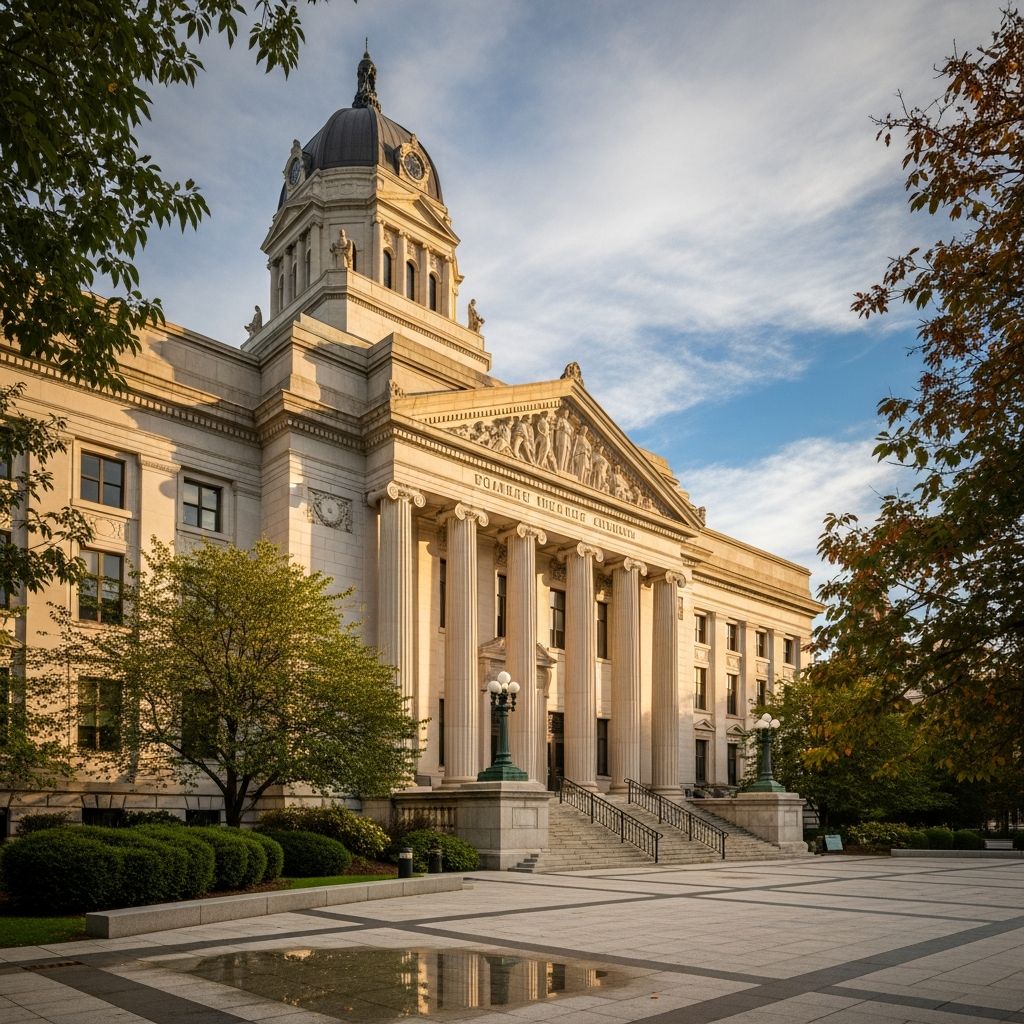
Bridgeport is home to several important courts that serve residents of the city and surrounding communities. Knowing which courthouse to go to, what happens there, and how to prepare for a hearing can reduce confusion and stress when you are dealing with a legal matter.
This guide explains the roles of Bridgeport’s major state and federal courts, the types of cases they typically handle, and practical information to help you navigate your court appearance more confidently.
How Connecticut’s Court System Fits Together
Before looking specifically at Bridgeport, it helps to understand how the Connecticut court system is organized statewide. Connecticut’s judiciary is structured in several levels, each with a different function.
- Connecticut Supreme Court – The state’s highest court, mainly reviewing decisions from lower courts.
- Connecticut Appellate Court – The intermediate appeals court that hears most appeals from the trial courts.
- Connecticut Superior Court – The primary trial court for most criminal and civil cases, including family and housing matters.
- Connecticut Probate Courts – Local courts handling estates, guardianships, conservatorships, and other specialized matters.
The state is further divided into judicial districts, geographical areas, and juvenile districts, which determine where particular types of cases are filed and heard. Bridgeport’s courthouses belong to this broader structure while serving people in that region of the state.
Overview of Bridgeport Courthouses
Bridgeport is served by both state and federal courts. Although each building has its own address and internal offices, you can broadly think of Bridgeport courthouses in two main categories:
- State trial courts – Part of the Connecticut Judicial Branch, hearing most criminal, civil, family, and housing cases that arise under state law.
- Federal district court – Part of the United States District Court for the District of Connecticut, handling federal criminal prosecutions and civil cases involving federal law or certain disputes between parties from different states.
Understanding whether your case is in state or federal court matters, because filing rules, procedures, and even terminology can differ significantly.
Main Types of Courts You May Encounter in Bridgeport
| Type of Court | Level | Typical Case Types | Key Characteristics |
|---|---|---|---|
| Superior Court (State) | Trial court of general jurisdiction | Felonies, misdemeanors, traffic, contracts, personal injury, family cases, housing disputes | Handles most state-law disputes; organized into judicial, geographical, and juvenile districts. |
| Probate Court (State) | Limited-jurisdiction court | Estates, guardianship, name changes, certain mental health and elder matters | Local courts with specialized subject-matter authority. |
| U.S. District Court (Federal) | Federal trial court | Federal crimes, civil rights cases, federal statutes, diversity jurisdiction disputes | One of several locations of the District of Connecticut, alongside Hartford and New Haven. |
Connecticut Superior Court in the Bridgeport Area
The Superior Court is where most people in Bridgeport will have their court business. It is the state’s trial court of general jurisdiction, meaning it can hear a broad range of criminal and civil matters.
Common Case Types in State Trial Court
While specific dockets and buildings can change over time, Bridgeport-area Superior Courts typically handle matters such as:
- Criminal cases
- Felonies, including serious offenses that may involve long prison sentences
- Misdemeanors and certain motor vehicle offenses
- Civil lawsuits
- Personal injury and negligence claims
- Contract and business disputes
- Property damage and other monetary claims
- Family matters
- Dissolution of marriage (divorce)
- Child custody and visitation disputes
- Child support and alimony enforcement or modification
- Juvenile matters (in designated juvenile districts)
- Delinquency cases involving minors
- Child protection cases handled under state law
- Housing-related cases
- Evictions and possession actions
- Landlord–tenant disputes over leases or rent
The Connecticut Judicial Branch explains that Superior Court locations across the state are organized into 13 judicial districts, 20 geographical areas, and 12 juvenile districts, which influence where specific case types are filed. Bridgeport’s state courts fit into this structure and are listed with addresses and directions on the Judicial Branch website.
What to Expect at a Superior Court Visit
Although every courthouse has its own layout and practices, visitors to a Bridgeport-area Superior Court can generally expect:
- Security screening at the entrance, including metal detectors and bag checks.
- Clerk’s office where you can file documents, check case numbers, or ask basic procedural questions.
- Courtrooms dedicated to specific dockets such as criminal, civil, or family.
- Public seating where you can wait for your case to be called.
- Posted calendars or electronic displays listing the day’s cases and times.
For location-specific details, including addresses, phone numbers, and directions, the Connecticut Judicial Branch maintains an official listing for each court facility.
Probate Court Services for Bridgeport Residents
While many disputes go through Superior Court, certain matters are handled instead by Connecticut’s Probate Courts, which are separate from the main trial court system. These courts are especially relevant when handling family transitions, mental health concerns, or end-of-life planning.
Typical Probate Court Matters
Depending on where you live in or around Bridgeport, your local Probate Court may assist with matters such as:
- Decedents’ estates
- Probating a will
- Appointing executors or administrators
- Overseeing distribution of assets
- Guardianships and conservatorships
- Guardianship of minors’ person or estate
- Conservatorship for adults unable to manage finances or personal care
- Children’s matters
- Adoptions
- Termination of parental rights in specific circumstances
- Name changes and certain identity-related proceedings.
- Mental health commitments and related treatment orders in defined situations.
The statewide Probate Courts website offers online forms, user guides, and a location finder tool so you can determine which Probate Court serves your community and what fees may apply.
Federal Court in Bridgeport: U.S. District Court
In addition to state courts, Bridgeport hosts a location of the United States District Court for the District of Connecticut, the federal trial court for the state. Along with courthouses in Hartford and New Haven, the Bridgeport federal courthouse hears cases that arise under federal law or meet specific jurisdictional requirements.
When a Case Goes to Federal Court
Cases in the Bridgeport federal courthouse may involve:
- Federal criminal prosecutions brought by the U.S. government, such as certain drug, fraud, or firearms offenses.
- Civil rights claims under federal statutes.
- Federal-question cases involving U.S. laws, regulations, or the Constitution.
- Diversity jurisdiction cases between residents of different states when the amount in controversy exceeds a statutory threshold.
The federal court is a separate system from Connecticut’s state courts, with its own procedural rules, filing systems, and forms. Attorneys practicing in federal court must be admitted to the bar of the District of Connecticut, and parties are often expected to comply with detailed local rules, which the court posts on its official website.
Federal Court Facilities and Services
The federal courthouse in Bridgeport includes:
- Clerk’s Office – Assists with filing records, docket information, and procedural questions, but cannot give legal advice.
- Electronic filing systems (CM/ECF) primarily used by attorneys.
- Jury facilities for federal jurors summoned to serve in the District of Connecticut.
The District of Connecticut’s website provides directions to its courthouses, security information, and guidance for jurors and self-represented litigants.
Finding the Right Courthouse for Your Case
Because Bridgeport is part of a larger statewide judicial structure, determining the correct courthouse involves looking at:
- The type of case (criminal, civil, family, probate, federal).
- Where the events occurred or where the parties live.
- Which court system (state or federal) has jurisdiction.
Using Official Resources to Confirm Location
To confirm where you must appear, use official and up-to-date sources:
- Connecticut Judicial Branch website – Lists all state courts, including addresses, phone numbers, directions, and descriptions of each court’s functions.
- Connecticut Probate Courts website – Offers a court location finder and guidance on which Probate Court serves a given municipality.
- U.S. District Court for the District of Connecticut website – Provides office locations, phone numbers, and directions for the Bridgeport federal courthouse.
If you have a summons, notice of hearing, or court order, the document should specify the name and address of the courthouse. Compare this with the official court websites to ensure you have the correct location and that there have been no recent changes.
Preparing for a Court Appearance in Bridgeport
Whether you are attending a state or federal court in Bridgeport, planning ahead helps your day go more smoothly and reduces the risk of missing something important.
Practical Preparation Tips
- Read your notice carefully – Confirm the date, time, courtroom number, and case caption on your notice or summons.
- Arrive early – Allow extra time for parking, security screening, and finding the correct courtroom.
- Bring necessary documents – Include identification, copies of any filings, evidence, and notes or questions you have for your attorney.
- Dress appropriately – Courts typically expect modest, neat clothing that shows respect for the proceedings.
- Turn off or silence electronics – Many courts restrict phone use in courtrooms; check local rules posted at the courthouse.
- Check for accessibility accommodations – If you have a disability, you may request reasonable accommodations through the appropriate office listed on court websites.
Accessing Legal Information and Research Help
Many people appearing in Bridgeport courts want to learn more about Connecticut law and court procedure. Several public institutions maintain guides, forms, and research support that can be used statewide, including by Bridgeport residents.
- Connecticut Judicial Branch publications – The Branch publishes educational materials explaining court functions, including a PDF overview titled “Connecticut’s Courts,” which describes court levels, jurisdiction, and case-types.
- Connecticut State Library – The State Library provides research guides on Connecticut courts, links to case law databases, and explanations of how to read and cite court opinions. Librarians can guide you to primary legal sources, though they cannot provide legal advice.
- Federal court resources – The District of Connecticut website includes instructions for jurors, self-represented parties, and links to federal rules of procedure and evidence.
These resources are particularly helpful if you are representing yourself or simply want to understand the context of a case better.
Frequently Asked Questions About Bridgeport Courthouses
Q: How can I verify which Bridgeport courthouse my case is in?
A: Start by reading your summons or notice of hearing; it should list the courthouse name and address. Then confirm that information using the Connecticut Judicial Branch’s official court directory for state cases or the U.S. District Court’s website for federal matters.
Q: Are Bridgeport courts part of a specific judicial district or geographical area?
A: Yes. Connecticut divides the state into judicial districts, geographical areas, and juvenile districts for Superior Court operations. Bridgeport’s state courthouses are assigned to specific districts within this structure, which affects where different types of cases are filed.
Q: Where can I find official directions and parking information for Bridgeport courthouses?
A: The Connecticut Judicial Branch site provides directions and other logistical details for each state courthouse. For the federal courthouse in Bridgeport, the District of Connecticut’s website lists office locations, directions, and visitor information.
Q: What is the difference between Superior Court and Probate Court for Bridgeport residents?
A: Superior Court is the main trial-level court for most criminal, civil, family, and housing cases. Probate Courts handle narrower, specialized areas such as decedents’ estates, guardianship, conservatorship, and certain children’s and mental health matters. Your legal issue determines which court you must use.
Q: How do I access case records for Bridgeport court cases?
A: Many Connecticut state court records can be searched or requested through the Judicial Branch, subject to privacy restrictions and record-keeping rules. Federal case information for the District of Connecticut is generally available through PACER or at the Clerk’s Office, although access may be limited for sealed or confidential matters.
References
- Judicial – Guide to Law Online: U.S. Connecticut — Law Library of Congress. 2024-01-10. https://guides.loc.gov/law-us-connecticut/judicial
- Connecticut’s Courts (ES-201) — Connecticut Judicial Branch. 2023-09-01. https://www.jud.ct.gov/publications/es201.pdf
- Organization of the Connecticut Court System — Connecticut Judicial Branch. 2022-06-15. https://www.jud.ct.gov/ystday/orgcourt.html
- Courts of Connecticut — Connecticut Judicial Branch (via overview). 2023-05-20. https://www.jud.ct.gov/courts.htm
- Connecticut Judicial Branch – Home — Connecticut Judicial Branch. 2024-05-01. https://www.jud.ct.gov
- Court Information Research Guide — Connecticut State Library. 2024-02-12. https://libguides.ctstatelibrary.org/law/courtinformation
- District of Connecticut — United States District Court, District of Connecticut. 2024-06-01. https://www.ctd.uscourts.gov
- Connecticut Probate Courts – Homepage — Connecticut Probate Courts. 2024-04-10. https://www.ctprobate.gov
Similar Articles








Read full bio of Sneha Tete


