
Breaking Car Windows to Rescue Animals: Legal Rights & Responsibilities
Understanding your legal rights when rescuing pets from hot vehicles in different states.
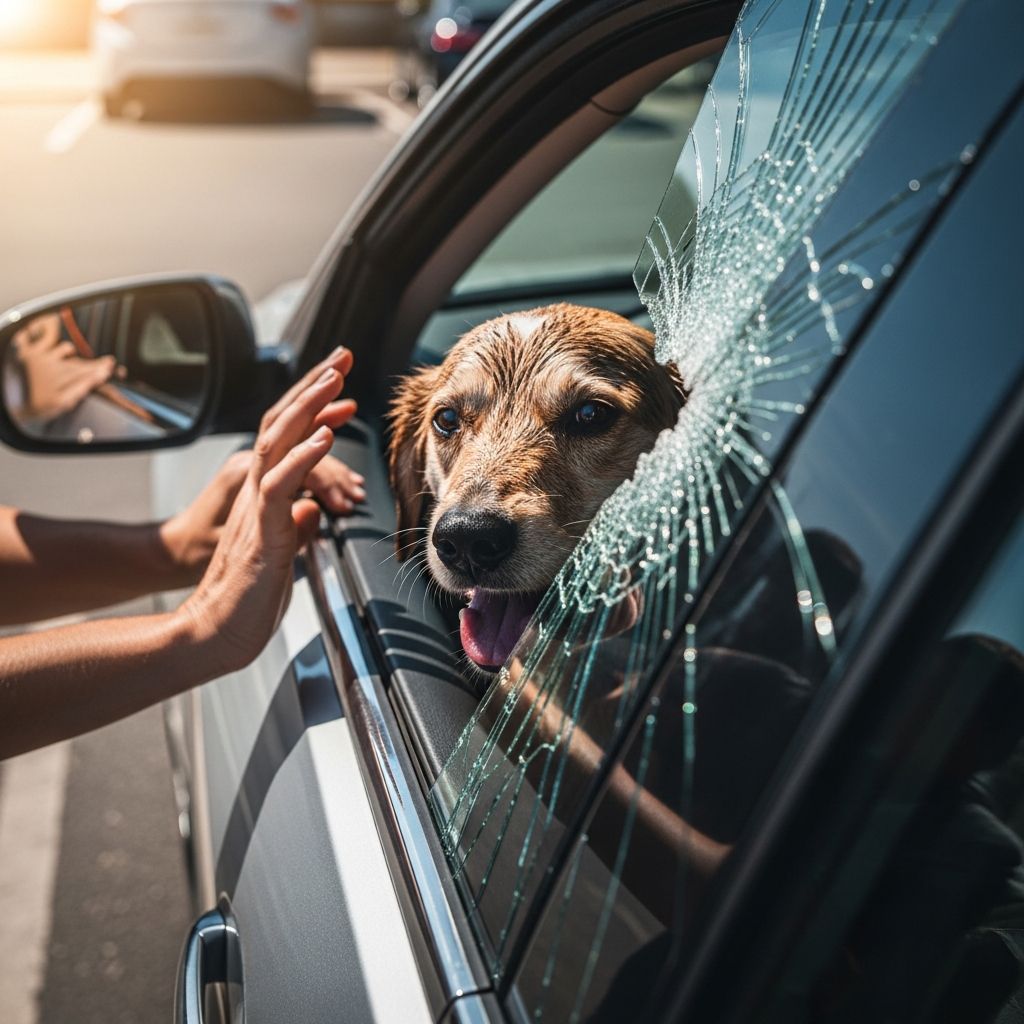
Each summer, thousands of pets face life-threatening conditions when left unattended in vehicles. While the impulse to help an animal in distress is understandable, the legal implications of breaking into a car to rescue a pet are far more complex than many people realize. This guide explores the intricate web of state laws, liability protections, and proper procedures that determine when and how you can legally intervene to save an animal’s life.
The Critical Issue of Animals Trapped in Hot Vehicles
Animals are significantly more vulnerable to extreme temperatures than humans, lacking the physiological mechanisms necessary to regulate body temperature effectively. When confined within a parked vehicle during warm weather, pets face rapid temperature escalation that can lead to severe medical emergencies within minutes.
The consequences of heat exposure in vehicles include:
- Acute heatstroke and hyperthermia
- Severe dehydration and organ failure
- Permanent neurological damage and brain injury
- Cardiovascular collapse and cardiac arrest
- Death in severe cases
Research indicates that interior vehicle temperatures can reach dangerously high levels within a short timeframe, even with windows partially open. This creates a genuine emergency scenario where immediate action may be necessary to preserve an animal’s life.
Understanding Criminal Liability for Property Damage
One of the primary legal obstacles facing potential rescuers is the classification of breaking a car window as property damage. In most jurisdictions, intentionally breaking someone else’s property constitutes criminal damage, a serious offense with potential felony implications.
In Illinois, for example, breaking a car window is classified under statutes defining criminal damage to property. When the property damage exceeds $300—a threshold easily met when replacing a vehicle window—the offense elevates to a Class 4 felony with significant legal consequences. Courts have consistently held that good intentions do not provide a legal defense for property destruction.
This legal framework creates a challenging dilemma for compassionate individuals who witness an animal in distress. Even when motivated entirely by humanitarian concerns, breaking into a vehicle exposes the rescuer to criminal prosecution and civil liability from the vehicle owner.
State-by-State Variations in Legal Authority
The legal landscape regarding animal rescue from vehicles varies dramatically across the United States. Understanding your specific state’s laws is essential before taking action in an emergency situation.
States with Good Samaritan Protections
Eight states currently provide legal protections allowing ordinary citizens to break car windows to rescue animals: California, Colorado, Indiana, Massachusetts, Wisconsin, Florida, Ohio, and Tennessee. These jurisdictions recognize the life-or-death nature of hot car situations and have enacted legislation to shield Good Samaritans from criminal and civil liability.
Even within this category, significant procedural variations exist. In six of these states—California, Florida, Massachusetts, Ohio, Tennessee, and Wisconsin—rescuers must first contact law enforcement and provide authorities an opportunity to respond before breaking into the vehicle. Only Colorado and Indiana permit immediate action without first alerting authorities, though even in these states, remaining at the scene and cooperating with law enforcement is typically required.
States Limited to Official Rescue Authority
In 19 states, only designated public officials possess legal authority to break into vehicles for animal rescue. These jurisdictions include Arizona, California, Delaware, Illinois, Indiana, Maine, Maryland, Massachusetts, Minnesota, Nevada, New Hampshire, New York, North Carolina, North Dakota, Oregon, Rhode Island, South Dakota, Vermont, Virginia, and Washington. In these states, law enforcement officers, animal control officials, and humane society representatives maintain exclusive authority to access vehicles in emergency situations.
States with No Rescue Authority
New Jersey and West Virginia present a particularly troubling legal gap. Although both states prohibit leaving animals in hot vehicles, neither jurisdiction grants any entity—including law enforcement—explicit authority to break into vehicles to rescue animals. This creates a scenario where animals may be in serious danger with no legal mechanism for forced entry and rescue.
Recent Legislative Developments and Emerging Protections
The legal landscape is evolving as states recognize the inadequacy of existing frameworks. Recent legislative initiatives have begun addressing the gaps in animal protection laws.
California’s assembly process demonstrates this evolution. A proposed bill would provide comprehensive protections to individuals who rescue animals from vehicles, protecting them from criminal prosecution and civil liability. Under such legislation, rescuers would need to first contact law enforcement but could proceed with forced entry if the animal faced imminent danger and authorities could not arrive in time.
Washington State has moved forward with similar protections. Recent bills extend liability immunity to individuals who forcibly enter vehicles to rescue not only domestic animals but also vulnerable people in danger. These expanded protections acknowledge that emergency rescue situations encompass various scenarios beyond traditional hot car incidents.
Alabama and Arizona have pending Good Samaritan legislation, suggesting continued momentum toward broader rescue protections. These developments indicate a growing legal recognition that rigid property damage laws may be insufficient when lives are at stake.
The Proper Response Protocol When Encountering an Animal in Distress
If you encounter an animal trapped in a vehicle, specific procedural steps should guide your response:
Step One: Assess the Immediate Threat
Carefully evaluate whether the animal is experiencing genuine life-threatening distress. Look for signs of severe heat exposure, difficulty breathing, or unresponsiveness. This assessment determines whether the situation constitutes a genuine emergency requiring immediate action.
Step Two: Contact Emergency Services
Calling 911 should be your immediate priority. Dispatch centers can rapidly connect you with appropriate animal control officials, humane society representatives, or law enforcement. Emergency response protocols exist precisely to handle these situations with trained professionals.
Step Three: Attempt to Locate the Vehicle Owner
If the vehicle is parked at a business or venue, contact management or security immediately. Vehicle owners may be nearby and unaware their pet is in danger. Store announcements or security personnel can often locate owners within minutes.
Step Four: Await Professional Response
Once you have reported the situation to appropriate authorities, remain at the scene and provide information to responding officers. Resist the impulse to take independent action while authorities are en route. Professional responders have both legal authority and proper equipment to safely access vehicles and extract distressed animals.
Step Five: Document and Advocate
If you are confident the animal’s life is in genuine immediate danger and authorities cannot arrive in time, document the situation thoroughly. Note the time, temperature, vehicle condition, and the animal’s observable condition. This documentation supports your legal defense if you must break into the vehicle.
Potential Consequences of Unauthorized Vehicle Entry
Breaking into a vehicle without explicit legal authorization carries multiple categories of risk:
- Criminal Prosecution: Property damage charges, potentially elevated to felony status if damage exceeds statutory thresholds
- Civil Lawsuits: Vehicle owners can sue for repair costs and additional damages
- Unintended Harm: Rescued animals may panic and escape into traffic or dangerous areas
- Secondary Injuries: Broken glass poses immediate danger to both the animal and the rescuer
- Liability from Animal Behavior: Guard dogs may interpret rescue attempts as attacks, leading to serious injury
These risks underscore why authorized professionals should handle vehicle entries whenever possible. Their training, liability insurance, and legal authority create a much safer rescue scenario for everyone involved.
The Role of Law Enforcement and Animal Control
Law enforcement and animal control officers possess both legal authority and professional training to handle hot car rescue situations. While statutes may not explicitly authorize these actions, courts have consistently recognized that emergency circumstances permit necessary interventions to preserve life.
These professionals can:
- Assess animal condition and provide immediate first aid
- Access vehicles using proper techniques that minimize additional damage
- Document the situation for potential criminal prosecution of negligent owners
- Coordinate animal medical care with veterinary professionals
- Protect rescued animals from further harm during transport
Legal Protections Against Animal Neglect
While protections for rescuers vary widely, protections against animal neglect are more uniform. Most states classify leaving a pet unattended in a dangerous hot vehicle as animal cruelty or neglect, subject to criminal prosecution. Some jurisdictions specifically define this conduct as creating a life-threatening situation that results in injury or death, establishing grounds for serious criminal penalties.
These animal protection laws serve as important deterrents, holding negligent owners accountable for endangering their pets. Successful prosecution of hot car cases demonstrates that legal systems recognize this conduct as serious animal abuse deserving criminal punishment.
Practical Considerations Beyond Legal Technicalities
Beyond legal status, practical factors should influence your decision-making when encountering a distressed animal:
Temperature Conditions: Assess actual danger levels based on current weather. While any animal in a sealed vehicle faces risk, the urgency increases with extreme heat, humidity, and duration of confinement.
Animal Condition: Observable signs of severe distress—inability to stand, excessive panting, unresponsiveness—indicate more immediate danger than a seemingly calm animal.
Response Time: Consider how quickly law enforcement or animal control can likely respond based on location. Remote areas may require longer response times than urban settings.
Available Resources: Determine whether you have access to proper rescue tools or if professional equipment is necessary for safe entry and animal extraction.
Frequently Asked Questions About Hot Car Animal Rescues
Q: Can I break a car window if I’m certain the animal will die without intervention?
A: This depends entirely on your state’s laws. Even in genuine life-or-death situations, only eight states currently provide legal protection for citizen rescuers. In other states, you remain legally liable for property damage regardless of circumstances. Contact law enforcement immediately rather than acting independently.
Q: What should I do if I see a dog in a hot car at a shopping center?
A: First, contact store security or management to locate the vehicle owner. Simultaneously, call 911 to report the situation. While waiting for authorities, keep the animal calm and monitor its condition. Only take independent action if the animal is in immediate danger and authorities cannot arrive in time.
Q: Are there any states where I can always break a car window legally?
A: Colorado and Indiana allow immediate action without first contacting authorities, though you must remain at the scene and cooperate with law enforcement. In most other protective states, you must first contact police and give them an opportunity to respond before breaking into the vehicle.
Q: What if the vehicle owner claims I caused the damage intentionally?
A: In states without Good Samaritan protections, vehicle owners can sue for damage even if you were rescuing their pet. This is why documenting the animal’s condition and your efforts to contact authorities is critical. In protected states, you have legal immunity if you followed proper procedures.
Q: How quickly can a car become dangerously hot?
A: Vehicle interiors can reach dangerous temperatures within 15-20 minutes on warm days, even with windows slightly open. This creates genuine emergency situations where immediate response is critical, which is why contacting authorities immediately is essential.
Q: What legal protection exists for animals left in hot cars?
A: Approximately 29 states have laws specifically prohibiting leaving animals unattended in vehicles in conditions that could harm them. These laws create criminal liability for owners, though specific penalties and definitions vary significantly by jurisdiction.
Conclusion and Key Takeaways
The intersection of animal welfare and property rights creates genuine legal complexity when animals are trapped in hot vehicles. While the moral imperative to help suffering animals is clear, the legal landscape requires careful navigation.
Your safest and most legally sound response involves immediately contacting emergency authorities, documenting the situation, and allowing trained professionals to handle vehicle entry and animal rescue. This approach protects both the animal and yourself from unnecessary legal risk while ensuring professional intervention from those with proper authority and training.
If you live in a Good Samaritan protection state, understand your specific jurisdiction’s requirements before acting. If you live in a state without such protections, work within established legal frameworks by contacting authorities first. Either way, prompt reporting to 911 or animal control should be your initial response to any animal in distress.
References
- Can You Legally Smash a Car Window To Save a Dog on a Hot Day? — Country Living. 2022. https://www.countryliving.com/uk/wildlife/pets/a44113368/can-you-smash-window-save-dog-hot-day/
- Don’t Break a Car Window to Save a Dog — Illinois State Bar Association, Animal Law Newsletter. 2016. https://www.isba.org/ibj/2016/08/fromthenewslettersdontbreakacarwind
- Can You Break a Window to Save a Dog in a Hot Car? — Animal Legal Defense Fund. 2024. https://aldf.org/article/can-you-break-a-window-to-save-a-dog-in-a-hot-car/
- Hot Car? Break Glass: New Bill Permits Breaking Car Windows to Save Vulnerable People and Pets — Washington Cities. January 2025. https://wacities.org/news/2025/01/13/hot-car–break-glass–new-bill-permits-breaking-car-windows-to-save-vulnerable-people-and-pets
- Civil Liability Breaking a Window to Save a Child or Dog — Sloan Law Firm. https://www.sloanlawfirm.com/protecting-yourself-from-civil-liability-when-you-have-to-break-a-window-to-save-a-child-or-dog/
Similar Articles








Read full bio of medha deb


