
Brake Override Systems: Essential Safety Technology
Understanding how brake override systems prevent accidents and save lives.
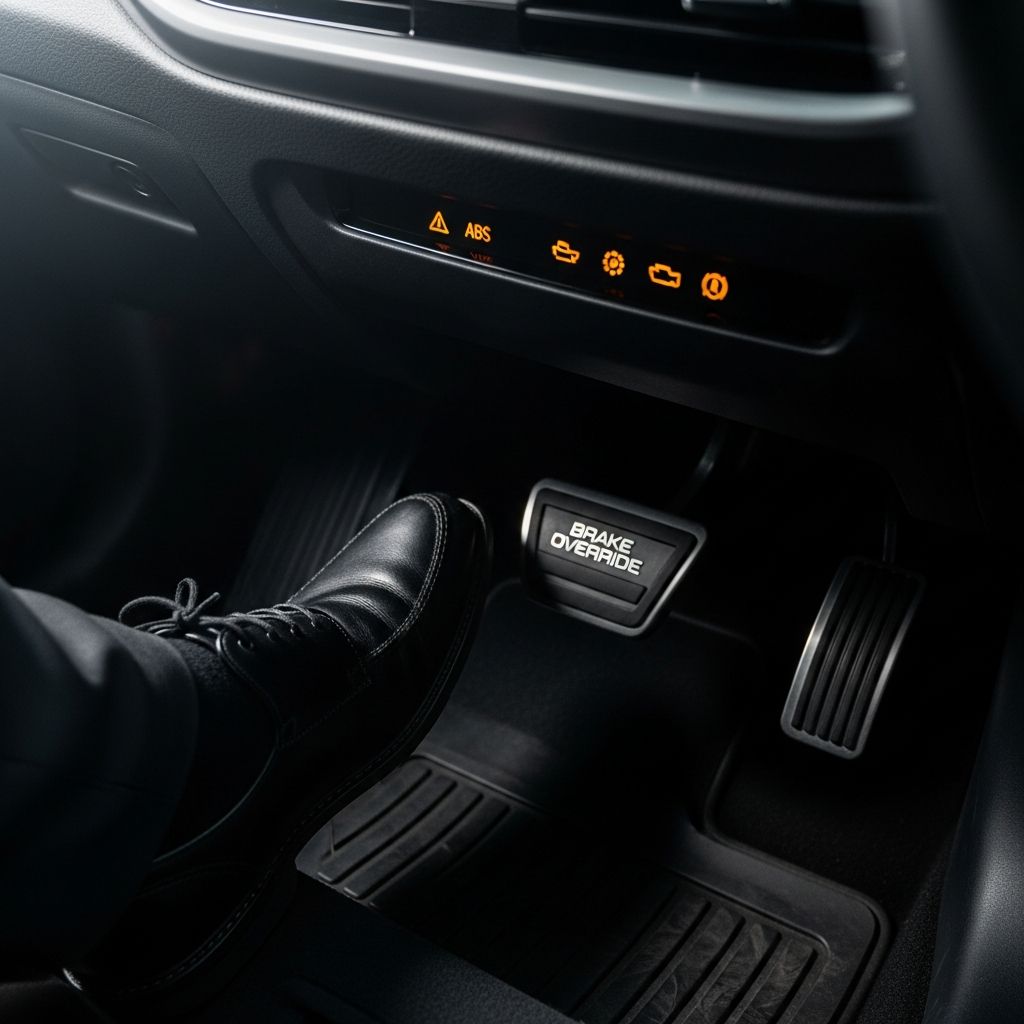
Understanding Brake Override Technology in Modern Vehicles
Modern automobiles incorporate numerous technological innovations designed to enhance driver safety and prevent accidents. Among these critical systems is the brake override system, a feature that has become increasingly important in contemporary vehicle design. This technology represents a significant advancement in preventing accidents caused by unintended acceleration, a phenomenon that has affected drivers across multiple vehicle brands and model years. The brake override system addresses a fundamental challenge in automotive safety: ensuring that driver commands for stopping the vehicle are always prioritized over acceleration commands, regardless of circumstances.
The development and implementation of brake override technology emerged from documented incidents of unintended acceleration that resulted in serious injuries and fatalities. In response to these safety concerns, automotive manufacturers and regulatory bodies recognized the need for a standardized approach to preventing scenarios where vehicles accelerate uncontrollably. This technology has since evolved to become a standard feature in many vehicles, offering drivers an additional layer of protection during emergency situations.
How Brake Override Systems Function
The fundamental operation of a brake override system relies on continuous electronic monitoring of pedal positions. The system functions as an electronic component of the engine control system, constantly evaluating input from both the brake and accelerator pedals. When a driver applies pressure to the brake pedal, the system’s sensors detect this input and compare it against any simultaneous acceleration commands.
The technical process operates through the following mechanism: the vehicle’s central computer continuously analyzes the position and status of both pedals. If the system identifies a conflict—when both the brake and accelerator pedals are being pressed simultaneously—it activates the override function. This override action causes the engine control system to reduce fuel delivery and minimize throttle response, effectively giving the brake pedal absolute priority over the accelerator pedal. By implementing this intervention, the system ensures that the vehicle’s braking force can effectively stop the car without having to overcome opposing engine acceleration.
The response time of brake override systems is designed to be rapid and efficient. Some systems incorporate a built-in delay of approximately one second before engaging, while others respond immediately to pedal conflicts. Certain manufacturers have implemented additional prerequisite conditions that the system evaluates before activating the override function. These conditions may include monitoring vehicle speed, engine revolutions per minute (RPM), brake pedal travel distance, and the sequence in which pedals were pressed. By analyzing these factors, the system can better distinguish between intentional simultaneous pedal use (such as in advanced driving techniques) and genuine emergency situations.
Origins and Evolution of the Technology
The history of brake override technology extends back further than many drivers realize. BMW pioneered this innovation in the late 1980s when engineers developed the system as a performance enhancement for heel-and-toe racing techniques. This driving method, commonly used in professional motorsports, requires a driver to use the heel and toe of one foot to simultaneously control both brake and accelerator pedals. The brake override system allowed drivers to maintain precise control during these advanced maneuvers without the system misinterpreting their inputs as unintended acceleration.
Following BMW’s introduction of the technology, the system’s application expanded significantly. Recognizing the broader safety benefits beyond performance driving, other manufacturers began incorporating brake override into their vehicles. Chrysler became an early adopter, implementing the system in its 2003 model vehicles. Since then, the technology has gained widespread adoption across the automotive industry, with numerous manufacturers now integrating brake override systems as standard equipment in their vehicle lineups.
Addressing Unintended Acceleration and Stuck Pedal Incidents
One of the primary reasons for developing mandatory brake override systems relates to documented cases of unintended acceleration. These incidents occur when vehicles accelerate beyond driver intent, creating dangerous and sometimes fatal situations. Such occurrences can result from various causes, including mechanical failures, electronic malfunctions, or software errors within the vehicle’s engine control system.
Stuck accelerator pedals represent a particularly dangerous scenario that brake override systems are designed to address. In these situations, the accelerator pedal becomes mechanically trapped or fails to return to its normal resting position after the driver releases it. Without an effective safety mechanism, drivers experiencing stuck pedal scenarios face extreme difficulty stopping their vehicles. Even when drivers apply brake force forcefully, the opposing engine acceleration can prevent effective braking, potentially resulting in crashes and severe injuries.
The National Highway Traffic Safety Administration has identified brake override systems as effective solutions for preventing crashes in these trapped-pedal scenarios. By ensuring that brake input always overrides throttle commands, the system eliminates the dangerous situation where drivers cannot overcome engine power through normal braking effort. This capability provides what has been termed “a broad defense against unintended engine power whether caused by electronic, software, or mechanical failures.”
Safety Benefits and Real-World Applications
The protective advantages of brake override systems extend across multiple driving scenarios. The most obvious benefit occurs during genuine emergency situations where simultaneous pedal pressure indicates a critical safety need. When brake override activates, it enables drivers to maintain vehicle control using the same level of brake pedal pressure they are accustomed to applying in normal driving conditions.
Beyond preventing catastrophic accidents, brake override systems also address non-crash incidents that could otherwise require extraordinary driver actions to avoid collisions. These situations might include cases where drivers inadvertently press the accelerator instead of the brake pedal, or scenarios involving floor mat interference that prevents proper pedal operation. In each instance, the brake override system silently intervenes to prevent potential accidents.
The system also proves beneficial in circumstances involving loss of power brake boost. When vehicles experience power brake failure, drivers must apply significantly greater brake pedal pressure than normal to stop the vehicle. This increased pressure requirement often exceeds what drivers expect, leading some to mistakenly believe their brakes have failed entirely. Brake override systems help mitigate this risk by reducing engine resistance to braking, making it easier for drivers to stop their vehicles even when power assist systems malfunction.
How Toyota Smart Stop Technology Exemplifies the Approach
Toyota’s implementation of brake override technology, branded as Smart Stop Technology, demonstrates how manufacturers have integrated this safety feature into their vehicles. Toyota’s system operates by automatically reducing engine power when drivers apply both accelerator and brake pedals simultaneously. The technology prioritizes brake input, ensuring that the vehicle slows down or stops as intended, even if the accelerator pedal remains depressed.
The system includes active monitoring capabilities that detect instances where drivers might accidentally press the accelerator instead of the brake. This pedal misapplication detection feature serves as an additional protective layer, identifying potential driver errors before they result in accidents. The technology functions smoothly and unobtrusively during normal driving, intervening only when necessary to prevent uncontrolled acceleration.
When Toyota’s system activates, it provides clear feedback to drivers through a warning light in the instrument cluster. This visual indication alerts drivers that the override system has engaged, helping them understand that an unusual situation has occurred and their vehicle’s safety system has responded appropriately.
Sensor Technology and System Integration
The implementation of brake override systems relies heavily on advanced sensor technology integrated throughout the vehicle. Pressure sensors monitor both brake and accelerator pedal inputs, continuously transmitting data to the vehicle’s central computer. These sensors detect the precise moment when both pedals receive simultaneous pressure, triggering the system’s evaluation algorithms.
The central computer processes sensor data extremely rapidly, analyzing the pedal conflict situation and making real-time decisions about whether override activation is appropriate. This processing capability distinguishes modern brake override systems from simpler mechanical safety devices, enabling nuanced decision-making that accounts for legitimate simultaneous pedal use in certain driving scenarios.
Modern systems often integrate brake override functionality with other electronic safety features, including anti-lock braking systems (ABS) and electronic stability control. This integration allows the vehicle’s various safety systems to work synergistically, providing comprehensive protection across different emergency situations.
Practical Considerations for Drivers
Drivers should understand several important aspects of brake override system operation. The system’s effectiveness depends entirely on brake pedal application; if the brake is not activated, the override function cannot engage, even if other system prerequisites are met. This design ensures that drivers maintain control over their vehicles and that the system only intervenes when drivers demonstrate their intention to brake.
The technology does not interfere with normal driving operations or advanced driving techniques. Professional drivers and enthusiasts can still execute heel-and-toe downshifting and other performance maneuvers, as modern brake override systems recognize these intentional simultaneous pedal inputs and do not erroneously activate. Testing by automotive safety organizations has confirmed that brake override systems are practical in real-world driving without diminishing driver control or performance capabilities.
Drivers may notice that brake override systems sometimes allow continued throttle application during certain maneuvers. For example, trail braking techniques used in performance driving—where drivers maintain slight throttle input while braking through corners—may still function even with brake override engaged, depending on the system’s specific programming and activation thresholds.
Regulatory Framework and Industry Standards
The development of brake override systems as standard automotive safety features has been driven by regulatory action. The National Highway Traffic Safety Administration has proposed requirements to make brake override systems standard on all new vehicles in the United States. This regulatory push emerged following increased consumer complaints about unintended acceleration incidents and highly publicized accidents that resulted in fatalities.
The regulatory framework addresses both the requirement for brake override functionality and the specific test procedures needed to verify system performance. NHTSA has worked to develop comprehensive testing standards that ensure brake override systems function reliably across various vehicle types and driving scenarios. These standards apply to standard vehicles, hybrid vehicles, and other specialized automotive platforms.
The regulatory process has involved technical review and analysis of actual incident data to document the safety benefits brake override systems provide. By establishing mandatory standards, regulatory agencies aim to ensure consistent safety improvements across the entire automotive market, preventing unsafe vehicles from reaching consumers and establishing minimum protection levels for all drivers.
Expanded Adoption Across Manufacturers
Since initial development and implementation by BMW and Chrysler, brake override technology has achieved widespread adoption across the automotive industry. Major manufacturers now include this technology as standard equipment in many vehicle models, recognizing both the safety benefits and consumer expectations for this protective feature. The technology has become so commonplace that drivers often benefit from brake override protection without conscious awareness of the system’s operation.
The expanding adoption reflects growing industry recognition that brake override systems represent cost-effective safety improvements that significantly reduce accident risks. As technology costs have decreased and reliability has improved through years of real-world testing, even manufacturers previously skeptical of the system’s necessity have integrated brake override into their vehicle lineups.
Frequently Asked Questions
Q: Does brake override system activation indicate a mechanical problem with my vehicle?
A: Brake override system activation does not necessarily indicate a mechanical failure. The system may engage during normal driving if you accidentally apply both pedals simultaneously. However, repeated or unexplained activations warrant professional inspection to verify that your vehicle’s pedal mechanisms and sensors are functioning properly.
Q: Can brake override systems prevent all unintended acceleration incidents?
A: Brake override systems effectively prevent many unintended acceleration scenarios, particularly those involving stuck accelerator pedals or simultaneous pedal application. However, they cannot address all possible acceleration issues, such as situations where the brake pedal is not applied. The system functions best as one component of a comprehensive vehicle safety design.
Q: Will brake override systems interfere with my normal driving or performance techniques?
A: Modern brake override systems are designed to function seamlessly during normal driving without any noticeable effect. The technology also accommodates advanced driving techniques, including heel-and-toe downshifting and trail braking, as the system can distinguish between intentional simultaneous pedal inputs and emergency situations.
Q: How old must a vehicle be to lack brake override system protection?
A: Brake override systems have become increasingly common since the early 2000s, with adoption accelerating following high-profile unintended acceleration incidents. Many vehicles manufactured before 2009 may lack this technology, though some manufacturers implemented it earlier. Checking your vehicle’s specifications or consulting your owner’s manual can confirm whether your vehicle includes brake override protection.
Q: What should I do if my brake override warning light activates?
A: When the brake override warning light illuminates, it indicates that the system has engaged due to simultaneous brake and accelerator pedal input. Continue driving normally and allow the vehicle to decelerate safely. If the warning appears frequently without obvious cause, have your vehicle inspected by a qualified technician to ensure proper sensor and pedal operation.
References
- DEPARTMENT OF TRANSPORTATION – NHTSA: Brake-Throttle Override System — National Highway Traffic Safety Administration. 2011. https://www.nhtsa.gov/sites/nhtsa.gov/files/fmvss_124_bto_nprm_final.pdf
- How the Brake Override System (BOS) works — News Direct / LA Times. 2012. https://www.youtube.com/watch?v=JIzGeH6c9ls
- What Is Toyota Smart Stop technology? — Toyota of Stamford. 2024. https://www.toyotaofstamford.com/what-is-toyota-smart-stop-technology.htm
- How Brake Override Systems Work — HowStuffWorks Automotive. 2024. https://auto.howstuffworks.com/car-driving-safety/safety-regulatory-devices/brake-override-systems.htm
- Brake Override System — Mazda USA. 2024. https://www.mazdausa.com/static/manuals/2024/cx-90/contents/65110100.html
- How “brake override” stops runaway cars — Consumer Reports. 2010. https://www.youtube.com/watch?v=VZZNR9O3xZM
Similar Articles








Read full bio of Sneha Tete


