
BP Oil Spill Claims: 5 Steps To File In 2026
Navigate remaining pathways for compensation from the 2010 Deepwater Horizon disaster, including lawsuits and exceptions.
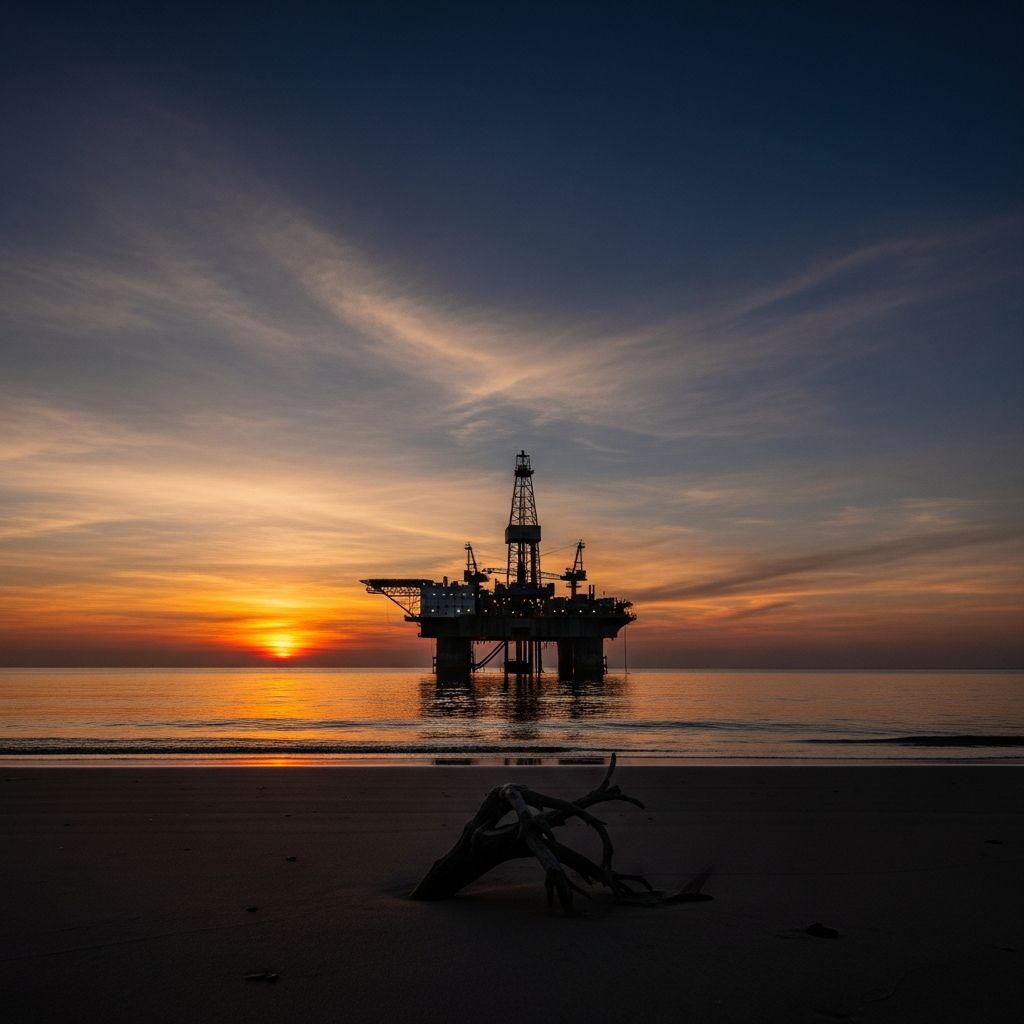
The Deepwater Horizon oil spill of 2010 unleashed over four million barrels of crude into the Gulf of Mexico, devastating ecosystems, economies, and human health across coastal states. While major settlement deadlines passed over a decade ago, certain pathways for compensation persist into 2026, particularly for late-diagnosed medical conditions and specific economic losses. This article outlines eligibility, processes, and strategic considerations for potential claimants.
Historical Context of the Catastrophe
On April 20, 2010, the Deepwater Horizon rig exploded, killing 11 workers and igniting a blowout that lasted 87 days. BP, as the lease operator, faced immediate scrutiny under laws like the Oil Pollution Act (OPA) and Clean Water Act (CWA). Courts later deemed BP guilty of gross negligence, leading to penalties exceeding $20 billion in settlements and fines.
The spill’s reach extended 88,522 square miles, impacting Louisiana, Mississippi, Alabama, Florida, and Texas. Fisheries collapsed, tourism plummeted, and cleanup efforts exposed thousands to toxic crude and dispersant Corexit, triggering long-term health woes including respiratory diseases and cancers.
Major Settlement Frameworks Explained
Post-disaster, a multidistrict litigation (MDL 2179) consolidated over 3,000 cases in Louisiana’s Eastern District Court under Judge Carl J. Barbier. This birthed key settlements:
- Economic and Property Damages Settlement (EPDS): Finalized December 2014, with claims due by June 8, 2015. Covered business revenue losses, property devaluation, and subsistence damages for Gulf residents.
- Medical Benefits Settlement: Effective February 2014, claims deadline February 12, 2015. Targeted cleanup workers and coastal dwellers with spill-related illnesses, offering baseline payouts like $900 for property owners and $1,300 for workers with affidavits.
- Seafood Compensation Program: Deadline January 22, 2013, for harvesters proving contamination impacts.
The Court-Supervised Settlement Program (CSSP) administered these, paying out billions but excluding future damages in interim claims. Final claims required waiving rights against BP, Transocean, and others.
Current Avenues for Compensation
By 2026, primary settlements are closed, but exceptions and litigation offer hope. Over 100,000 claims processed via MDL, yet unresolved issues linger.
Discovery Rule for Late-Diagnosed Conditions
The discovery rule tolls statutes of limitations until injury awareness. If a 2023 cancer diagnosis links to 2010 Corexit exposure, the clock may start then, potentially allowing 2026 filings (typically 3-4 years post-diagnosis). Minors’ claims and wrongful deaths also extend timelines.
Late Manifested Physical Conditions (LMPC) Pathway
Medical settlement participants diagnosed after April 16, 2012, with qualifying conditions (e.g., chronic rhinitis, COPD) must sue anew. A alleged drafting error in the agreement sparked disputes; BP demands precise chemical exposure proof, stalling thousands of cases in appeals. File a Notice of Intent to Sue within four years of diagnosis.
Documentation Essentials for Claims
Success hinges on robust evidence:
| Claim Type | Required Documents | Tips |
|---|---|---|
| Economic Loss | Tax returns, P&L statements, projections, licenses | Show spill as direct cause via timelines |
| Property Damage | Appraisals, photos, repair bills | Prove diminished value |
| Medical Injury | Records, expert causation reports, exposure logs | Link to oil/Corexit chemicals |
| Subsistence | Affidavits, harvest records | Non-commercial use proof |
Interim claims allowed quarterly filings without waivers, but finals compensated future losses at the cost of rights.
Legal Strategies and Attorney Roles
Though not mandatory, attorneys navigate complexities like causation battles. Firms handle questionnaires, medical reviews, and appeals. BP’s defenses emphasize exposure specificity, creating high evidentiary bars. Mediation resolved many early suits, apportioning liability.
- Consult specialists in mass torts or environmental law.
- Avoid speculative losses; claims must prove proximate cause[10].
- Track CSSP updates for any reopenings.
Challenges Facing Claimants Today
Statutes bar most claims: 3 years for class members from spill/approval dates. Appeals delay LMPC resolutions, with causation pivotal. Health claimants face “impossible” proof standards per plaintiffs’ counsel. Yet, persistence yields payouts; CSSP continues distributions.
Environmental legacies persist: Ongoing OPA/CWA trials address penalties, indirectly funding restoration. Victims report cancers, skin disorders, and mental health crises traceable to toxins.
Frequently Asked Questions
Can I file a BP oil spill claim in 2026?
Yes, if qualifying under discovery rule, LMPC, or exceptions for minors/wrongful death. Consult an attorney promptly.
What is the LMPC lawsuit process?
Submit Notice of Intent within 4 years of diagnosis, then litigate. Cases pend on appeals over causation proof.
Do I need a lawyer for these claims?
Not required, but recommended for documentation and negotiations. Many succeed pro se on simple claims.
What compensation amounts are possible?
Varies: Minimums like $900-$1,300 for medical; millions for proven business losses or severe injuries.
Has BP paid all settlements?
No, eligible EPDS claims still process; total payouts exceed $20B but disputes continue.
Steps to Pursue Your Claim
- Assess eligibility: Exposure history, diagnosis date, prior settlements.
- Gather records: Medical, financial, timelines.
- Contact law firms or CSSP for status.
- File Notice if litigating LMPC.
- Monitor appeals and deadlines.
Proactive steps maximize recoveries amid evolving jurisprudence.
Broader Implications and Prevention
The spill underscored offshore drilling risks, spurring OPA enhancements and CWA penalties. BP’s $18.7B settlement funded restoration, yet health claims highlight accountability gaps. Future claimants should prioritize certified experts for causation.
In 2026, while windows narrow, unresolved justice beckons vigilant victims. Economic scars linger in shuttered businesses; health battles in clinics. Persistence, paired with evidence, remains key.
References
- Overview of Gulf Oil Spill Claims — Farr Law Firm P.A. 2010. https://farr.com/overview-of-gulf-oil-spill-claims/
- BP Oil Spill Claims and Compensation — Nolo. 2023-04-16. https://www.nolo.com/legal-encyclopedia/bp-oil-spill-filing-claim-33441.html
- Claims and Litigation Overview — Environmental Law Institute. 2015. https://www.eli.org/sites/default/files/eli-pubs/claims-and-litigation.pdf
- Can You Still File a BP Oil Spill Lawsuit? 2025 Legal Options — Downs Law Group. 2025. https://downslawgroup.com/file_bp_oil_spill_lawsuit_2025/
- Deepwater Horizon – Claims — My Florida Legal. 2023. http://www.myfloridalegal.com/deepwater-horizon/deepwater-horizon-claims
- BP Oil Spill Lawsuit | Settlements & Compensation — Motley Rice. 2024. https://www.motleyrice.com/toxic-exposure/bp-oil-spill
Similar Articles








Read full bio of medha deb


