
Bonfire Legality Guide: Rules and Safety Tips
Navigate bonfire laws across the U.S. with essential permits, restrictions, and safety measures for responsible outdoor fires.
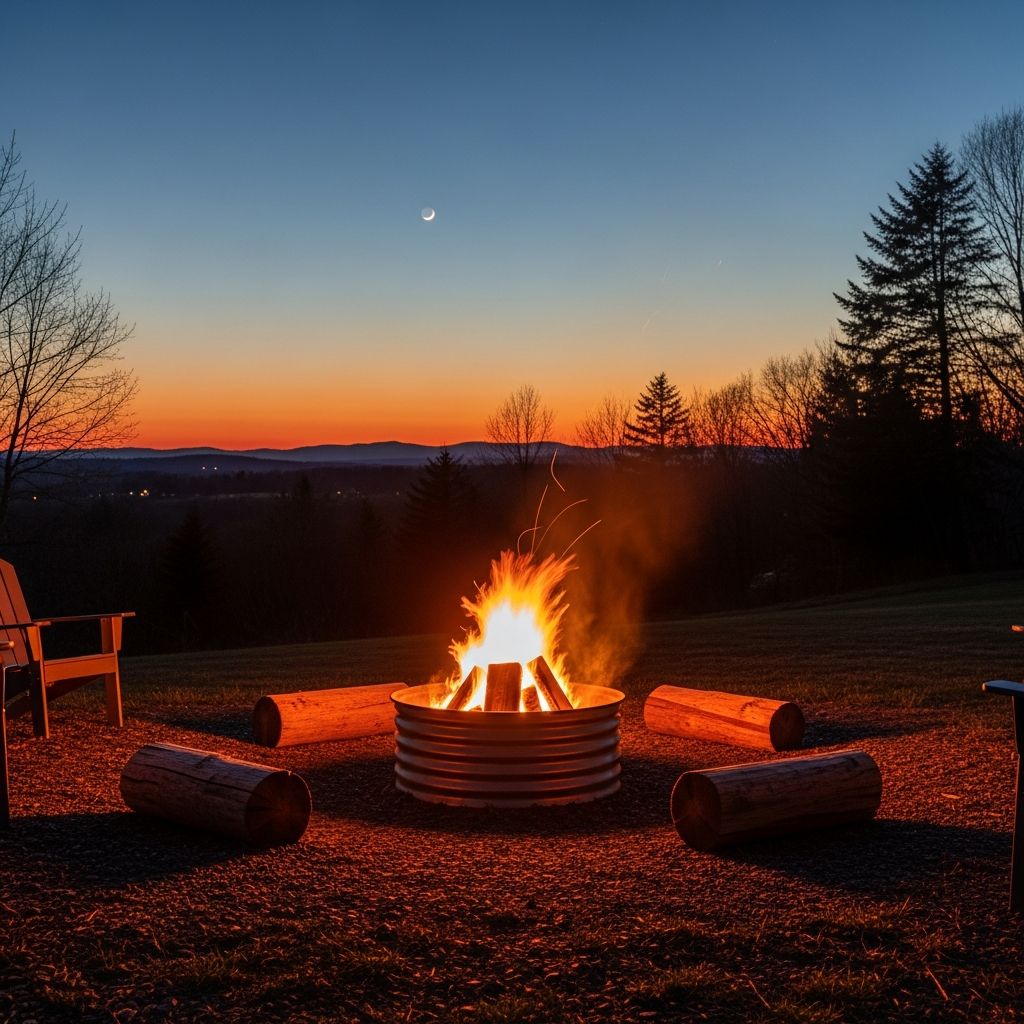
Open flames like bonfires bring warmth and ambiance to gatherings, but their legality hinges on local, state, and federal rules designed to prevent wildfires, air pollution, and injuries. Understanding these regulations ensures compliance and safety.
Core Principles of Bonfire Regulations
Bonfire rules stem from fire prevention needs, especially in wildfire-prone regions. Authorities classify fires by size and purpose: small recreational fires often face fewer hurdles than large bonfires. Key factors include location, weather, fuel type, and permits.
- Fuel restrictions: Only clean, dry wood or charcoal; no trash, plastics, or treated materials to minimize smoke and toxins.
- Weather limits: Prohibited during high winds (over 10 mph), red flag warnings, or fire weather watches.
- Size definitions: Recreational fires typically under 3×2 feet; larger ones qualify as bonfires needing permits.
In wildfire risk areas, natural gas or propane fires may be the only option, with exceptions for approved campsites.
When Permits Are Required for Outdoor Fires
Most jurisdictions mandate permits for bonfires or debris burns to track and regulate fire activity. Recreational fires in approved pits often exempt from permits, but always verify locally.
| Fire Type | Permit Needed? | Typical Cost | Examples |
|---|---|---|---|
| Recreational (small pit) | No (often) | None | Backyard fire pits, BBQs |
| Bonfire (>3×2 ft) | Yes | $209+ (varies) | Gatherings, debris piles |
| Agricultural/Debris | Yes | Varies by state | Vegetation, tumbleweeds |
| Campfire (public land) | Yes | Free online | State parks, forests |
Applications detail fire size, materials, and site. Online portals simplify this in states like California and North Carolina. HOAs or cities may add layers of approval.
State-Specific Bonfire Guidelines
Regulations vary widely; no uniform national law exists. Western states emphasize wildfire prevention, while others focus on air quality.
- California: Strict in wildfire zones—bonfires banned except in permitted camps; 50-foot clearance from structures; CAL FIRE oversees permits.
- Texas: Outdoor burning prohibited in many areas; check Texas Commission on Environmental Quality for exceptions.
- New York: NY DEC regulates open burning; local fire departments enforce.
- Florida/South: Seasonal bans during dry spells; forestry commissions issue permits.
- National Parks (e.g., Golden Gate): Beach fires allowed at designated sites, banned on Spare the Air days or high danger.
BLM lands in California impose year-round restrictions during peaks. Always consult state forestry sites or local fire marshals for current bans.
Safety Clearances and Setup Best Practices
Proper distancing prevents spread. Standards include:
- 25-50 feet from structures/combustibles for bonfires; 15 feet for propane pits.
- 10-foot cleared radius around the fire, free of vegetation.
- Portable fireplaces: 15 feet minimum, exceptions on non-combustible patios.
Use metal containers for hot ashes, cooled with water. Have extinguishers, water, or shovels ready. Never leave unattended.
Air Quality and Environmental Considerations
Burning impacts air; rules like Spare the Air prohibit wood fires on poor air days.[10] EPA recommends seasoned wood (20% moisture) for cleaner burns. Bans protect public health in urban areas.
Consequences of Non-Compliance
Violations lead to fines ($500+), fire department responses, or liability for damages. In fire-prone areas, illegal burns spark costly wildfires. Ignorance isn’t a defense—check advisories daily.
Alternatives to Traditional Bonfires
For restricted areas:
- Propane/natural gas fire pits: Often permit-free, cleaner.
- Indoor fireplaces or gel cans.
- Electric fire features for patios.
These comply with bans while providing ambiance.
Frequently Asked Questions
Do I need a permit for a small backyard fire pit?
Usually no for residential BBQs or pits under 3×2 feet, but confirm with local fire department—restrictions apply in high-risk zones.
Can I burn yard waste in a bonfire?
Requires a permit; only clean vegetation in approved piles. Trash or treated wood banned.
What if there’s a burn ban in effect?
All outdoor fires prohibited, even with permits. Monitor alerts from CAL FIRE or state agencies.
How far should a bonfire be from my house?
Minimum 50 feet; 25 feet in BBQ pits for cooking coals.
Are beach bonfires legal?
Only at designated sites with rules; banned during warnings or air alerts.
Planning Your Safe Bonfire Event
Step-by-step:
- Check weather, bans, and air quality.
- Secure permit if needed via state portals.
- Select site: Clear 10+ feet, 25-50 feet from hazards.
- Gather tools: Hose, extinguisher, phone.
- Use approved fuels; start small.
- Extinguish fully: Drown, stir, drown again.
Host responsibly—inform neighbors, supervise children/pets.
Bonfires enhance outdoor life when rules are followed. Local variations demand vigilance; prioritize safety over convenience.
References
- Outdoor Fire Safety — San Bernardino County Fire Protection District. 2024. https://sbcfire.org/outdoorfiresafety/
- Comprehensive Burn Permit Guide by State — Bonfire by Design. 2024-10. https://bonfirebydesign.com/comprehensive-state-by-state-guide-to-burn-permits/
- Open Fire Regulations in the U.S.A. — We Love Fire. Accessed 2026. https://welovefire.com/open-fire-regulations-in-the-usa/
- Permits — Ready for Wildfire (CAL FIRE). 2024. https://readyforwildfire.org/permits/
- Recreational Fire Regulations — National Park Service (Golden Gate). 2024-10-02. https://www.nps.gov/goga/learn/management/fire_beachfireregs.htm
- California Fire Information and Fire Restrictions — Bureau of Land Management. Accessed 2026. https://www.blm.gov/programs/fire/regional-info/california/fire-restrictions
- Before You Burn — CAL FIRE. Accessed 2026. https://burnpermit.fire.ca.gov/before-you-burn
Similar Articles








Read full bio of Sneha Tete


