
Biosimilars and Biologic Medicines: A Practical Guide for Patients
Understand how biosimilar medicines compare to biologic drugs, what “interchangeable” means, and how these options may affect your treatment and costs.
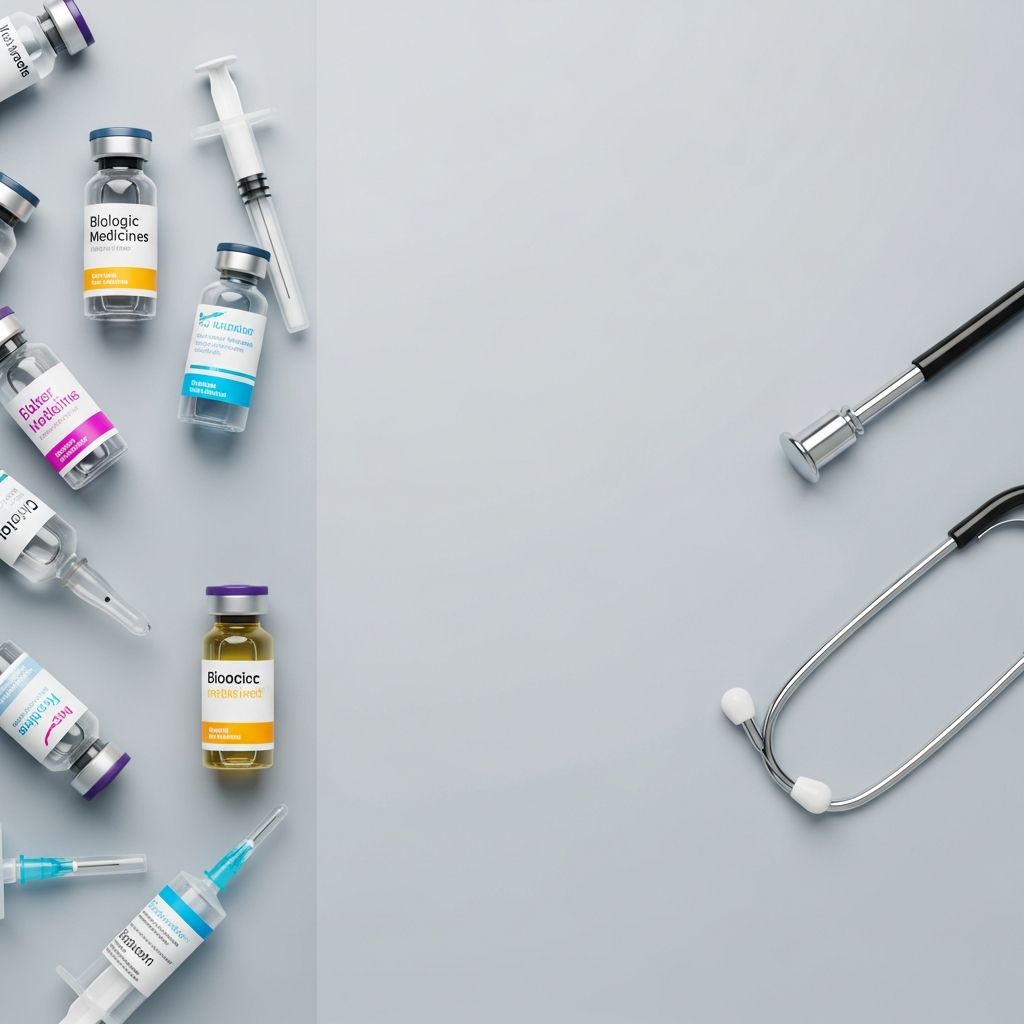
Many people living with chronic or serious health conditions rely on biologic medicines for treatment. As more biosimilars become available, you may have new options that could lower your costs while providing the same health benefits. This guide explains what these medicines are, how they are evaluated by the U.S. Food and Drug Administration (FDA), and what to ask if your treatment might change.
1. Biologic Medicines in Everyday Language
Biologics are prescription drugs made from living cells, not from simple chemical reactions like most traditional pills and tablets. They can be proteins, antibodies, or other complex substances grown in controlled laboratory conditions.
Biologic medicines are commonly used to treat:
- Autoimmune diseases (for example, certain types of arthritis, psoriasis, or inflammatory bowel disease)
- Cancer and blood disorders
- Certain eye diseases that affect vision
- Some rare or genetic conditions
Because they are large, complex molecules, biologics are usually given as:
- Injections under the skin (subcutaneous)
- Infusions into a vein at a clinic or infusion center (intravenous)
Developing and manufacturing biologics is demanding and expensive, which is one reason these medicines often have high price tags.
2. What Exactly Is a Biosimilar?
A biosimilar is a biologic medicine that is highly similar to an already FDA-approved biologic (called the reference product). Biosimilars must show no clinically meaningful differences from the reference product in terms of safety, purity, and potency.
In other words, a biosimilar is not an exact copy in the way a generic pill is, but for patients it is expected to work the same way and have the same treatment results as the reference biologic.
2.1 Why biosimilars are not “exact copies” like generics
Because biologics are made from living cells, it is impossible to reproduce them with perfect, molecule-by-molecule identity. Even different batches of the original biologic are not completely identical; minor variations are normal and expected.
Regulators focus on whether any differences between a biosimilar and its reference product have clinical meaning for patients. To be approved, a biosimilar must demonstrate that any small differences do not change how well the drug works or how safe it is.
2.2 Goals of biosimilar development
- Increase access to important biologic therapies for more patients
- Encourage price competition and reduce overall drug spending
- Maintain the same expected benefits and risks as the reference biologic
3. Biologics vs. Biosimilars vs. Generics: Key Differences
The table below compares three types of medicines you might hear about.
| Feature | Biologic | Biosimilar | Generic |
|---|---|---|---|
| How it is made | From living cells; complex structure | From living cells; designed to closely match a reference biologic | By chemical synthesis; small, simple molecules |
| Relationship to original drug | Original, brand-name product | Highly similar to a specific biologic; no clinically meaningful differences | Exact chemical copy of a brand-name drug |
| Typical dosage forms | Injection or IV infusion | Injection or IV infusion | Often tablets, capsules, or oral liquids |
| FDA approval focus | Prove safety and effectiveness of a new product | Prove high similarity and equivalent clinical results vs. reference biologic | Prove chemical sameness and equivalent absorption vs. brand drug |
| Typical cost vs. original | Highest | Generally lower than the reference biologic | Usually lower than brand-name pills |
4. How the FDA Evaluates Biosimilars
The FDA uses a stepwise approach to review biosimilars, starting with detailed laboratory comparisons and moving toward clinical studies only as needed. The aim is to show that the biosimilar performs like the reference product, not to repeat all the original trials that first established the drug’s benefits.
To be approved as a biosimilar, a company must provide data showing:
- Analytical similarity: Side-by-side lab testing comparing the structure and function of the molecules
- Animal data (if needed): To assess toxicity or other safety issues
- Clinical pharmacology studies: How the drug moves through the body and affects the body (pharmacokinetics and pharmacodynamics)
- Immunogenicity information: Whether the drug triggers unwanted immune responses
- Additional clinical studies (if needed): To confirm there are no meaningful differences in safety or effectiveness
This total package of information must convince the FDA that the biosimilar is as safe and effective as the reference product for the approved uses.
5. What “Interchangeable” Biosimilars Mean for You
The FDA can grant some biosimilars an extra designation called interchangeable. An interchangeable biosimilar meets all the requirements for a regular biosimilar and also shows that it is expected to produce the same clinical result as the reference product in any given patient, including when patients switch back and forth between the two.
5.1 How interchangeability affects pharmacy substitution
Under federal law, an interchangeable biosimilar may be substituted for the reference biologic at the pharmacy level, similar to how a pharmacist may substitute a generic for a brand-name pill, as long as state law allows it.
Important points:
- States have their own rules about what kind of notice a pharmacist must give you or your prescriber when a substitution occurs.
- An interchangeable biosimilar must still meet the FDA’s high standards for safety and effectiveness.
- If you have concerns about changes at the pharmacy, you can ask in advance how substitutions are handled and whether your prescriber requested a specific product.
6. Safety and Effectiveness: What Patients Should Know
According to the FDA and major medical organizations, biosimilars approved in the United States are as safe and effective as their reference biologics for the uses for which they are approved.
6.1 Expected benefits and risks
- Same route, dose, and strength: A biosimilar must be given the same way, at the same strength, and in the same dosage form as the reference product.
- Same potential side effects: The safety profile is expected to match that of the reference biologic, including both common and serious side effects.
- Same treatment effect: Clinical studies must show that the biosimilar works just as well for its approved indications.
6.2 Ongoing monitoring after approval
All biologic and biosimilar medicines are monitored after they reach the market. The FDA uses safety reporting systems to identify new or rare side effects that might not have appeared in earlier trials, and can update product information or take regulatory action if needed.
7. Cost, Insurance, and Access
Because of the scientific and regulatory requirements, biosimilars are still complex products, but they often come to market at lower prices than the reference biologic. Increased competition may also encourage manufacturers of reference products to adjust their pricing strategies over time.
7.1 How biosimilars may affect your out-of-pocket costs
Your actual costs will depend on your specific health plan, but biosimilars can:
- Be placed on a lower cost-sharing tier than the reference product
- Have different copay or coinsurance requirements
- Be preferred by your insurer or pharmacy benefit manager (PBM), making approval easier
You can call your plan’s member services number to ask:
- Which biologic or biosimilar products are on your formulary
- Whether prior authorization or step therapy applies
- What your expected monthly out-of-pocket cost would be for each option
8. Questions to Ask Before Starting or Switching to a Biosimilar
If your clinician suggests a biosimilar—or if your pharmacy or insurer proposes a change—consider asking these questions:
- About the medicine
- Is this drug a reference biologic, a biosimilar, or an interchangeable biosimilar?
- For my condition, how does this option compare to others in terms of expected benefits?
- About safety and monitoring
- What side effects should I watch for?
- Will my lab tests or visit schedule change if I switch?
- About costs and coverage
- Will this biosimilar reduce my out-of-pocket cost compared with the reference product?
- Does my insurance require me to try this product before covering others?
- About substitutions
- Could the pharmacy switch between the reference product and an interchangeable biosimilar without a new prescription?
- How will I be informed if my product is changed?
9. Practical Tips for Patients Using Biologic or Biosimilar Drugs
Regardless of whether you use a reference biologic, a biosimilar, or an interchangeable biosimilar, some good practices can support safe and effective treatment:
- Keep a medication list: Record the brand name, manufacturer (if known), dose, and how often you take it. This is especially useful if you receive infusions at different locations.
- Store and handle correctly: Follow the instructions for refrigeration or protection from light. Biologic products can be sensitive to temperature and handling.
- Use reminders: For injections given at home, use a calendar, app, or alarms to stay on schedule.
- Report side effects: Let your health care team know about any new or worsening symptoms. You can also report directly to the FDA’s MedWatch safety program.
- Ask about support programs: Some manufacturers or independent organizations offer financial assistance or educational resources for people taking biologics or biosimilars.
10. Frequently Asked Questions (FAQs)
Q1: Will I notice any difference if I switch from a biologic to a biosimilar?
For most patients, switching to an FDA-approved biosimilar is not expected to change how you feel or how well your condition is controlled, because biosimilars must show no clinically meaningful differences in safety or effectiveness compared with the reference product. Still, you should tell your clinician about any changes in symptoms after a switch.
Q2: Are biosimilars lower quality because they cost less?
No. Lower cost does not mean lower quality. Biosimilars must meet the same high FDA standards for manufacturing and quality as the reference biologic, and must prove they work just as well and are just as safe for approved uses. Cost differences mainly come from competition and differences in how the products were developed.
Q3: Can my doctor choose not to switch me to a biosimilar?
Yes. Your prescriber can recommend staying on your current biologic if they believe that is best for you, although insurance coverage rules may influence what is readily approved. It is reasonable to ask your prescriber to explain the options, including reference biologics and biosimilars, and how they interact with your specific insurance coverage.
Q4: What if I am worried about being switched without my knowledge?
Ask your prescriber and pharmacist about your state’s laws on biosimilar substitution and what notifications you will receive if a change is made. You can also request to be informed before any switch and keep copies of your medication labels so you can track exactly which product you are receiving.
Q5: Are biosimilars available for all biologic medicines?
No. Biosimilar development takes time and resources, so they are most common for widely used biologics, such as some cancer, arthritis, or inflammatory disease treatments. Over time, more biosimilars may become available in additional therapeutic areas.
References
- Biosimilar and Interchangeable Biologics: More Treatment Choices — U.S. Food and Drug Administration (FDA). 2023-03-23. https://www.fda.gov/consumers/consumer-updates/biosimilar-and-interchangeable-biologics-more-treatment-choices
- Biologics vs. Biosimilars: Understanding the Difference — Pfizer. 2022-09-22. https://www.pfizer.com/news/articles/biologics_vs_biosimilars_understanding_the_differences
- Biologics & Biosimilars — PhRMA. 2022-05-01. https://www.phrma.org/biologics-biosimilars
- Understanding Biologic and Biosimilar Drugs — American Cancer Society Cancer Action Network. 2021-06-10. https://www.fightcancer.org/policy-resources/understanding-biologic-and-biosimilar-drugs
- A Deep Dive Into Biologics and Biosimilars — Autoimmune Association. 2023-02-14. https://autoimmune.org/blog/understanding-biologics-and-biosimilars/
- Learn How Biologics and Biosimilar Drugs Compare — Arthritis Foundation. 2022-04-19. https://www.arthritis.org/treatments/about-biosimilars
Similar Articles








Read full bio of Sneha Tete


