
Releasing Bin Laden Death Images: Risks vs Transparency
Examining the legal, security, and public interest arguments surrounding the withheld photos of Osama bin Laden's death.
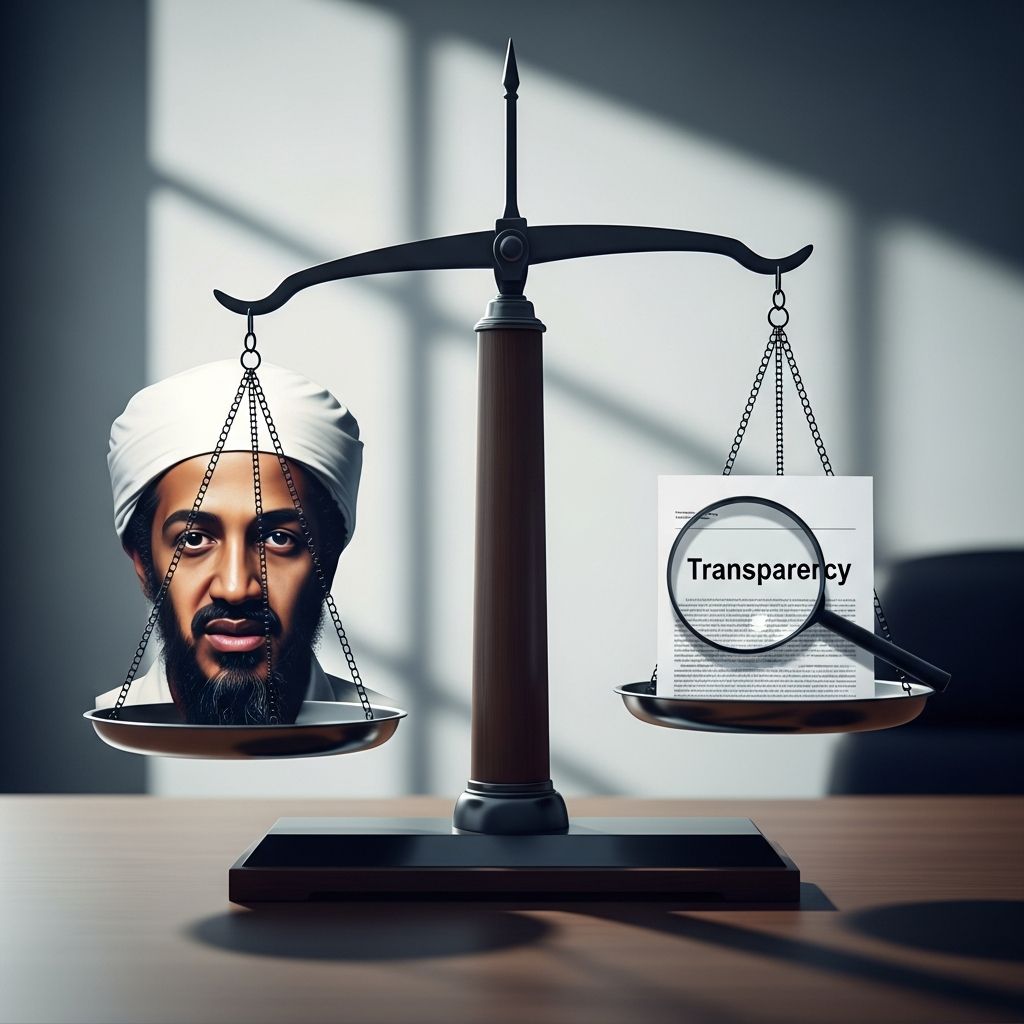
The raid that eliminated Osama bin Laden in 2011 marked a pivotal moment in the fight against terrorism, yet the U.S. government’s decision to withhold graphic photos from that operation continues to spark intense debate. These images, captured during the Abbottabad compound assault, raise fundamental questions about balancing national security with public accountability. Courts have repeatedly sided with secrecy, citing dangers like inciting violence and aiding terrorist recruitment, but transparency advocates argue for release to counter conspiracy theories.
The Historic Raid and Immediate Aftermath
On May 2, 2011, U.S. Navy SEALs executed Operation Neptune Spear, storming bin Laden’s hideout in Pakistan. President Barack Obama confirmed the al-Qaeda leader’s death, describing it as a significant victory against global terrorism. However, the absence of visual proof—such as photos or videos of the body—quickly fueled skepticism. The body was buried at sea shortly after, a decision explained as respecting Islamic traditions but criticized for preventing independent verification.
Congressional leaders, including Rep. Mike Thompson, viewed select images at CIA headquarters. Thompson, a House Intelligence Committee member, described them as confirming bin Laden’s identity via facial recognition but warned against public release, fearing they could endanger U.S. personnel and boost al-Qaeda recruitment. Other lawmakers echoed this, noting the photos depicted a bloodied corpse in traditional attire, too provocative for open dissemination.
Legal Framework: FOIA and National Security Exemptions
The Freedom of Information Act (FOIA), enacted in 1966, mandates government disclosure of records unless exemptions apply. Exemption 1 protects classified information vital to national defense. When organizations like Judicial Watch and the Associated Press filed requests for the photos, the CIA invoked this, classifying the materials to shield intelligence methods and personnel.
In Judicial Watch, Inc. v. Dep’t of Defense, the U.S. Court of Appeals for the D.C. Circuit upheld withholding. The court found a ‘plausible belief’ that release could harm U.S. interests abroad, distinguishing these ‘extraordinary’ images from generic ones. Even non-graphic shots risked exposing SEAL identities or burial rituals, potentially turning into propaganda. The ruling affirmed a lower court’s decision, emphasizing predictions of retaliatory violence over speculation.
| Exemption | Description | Application to Case |
|---|---|---|
| Exemption 1 | Classified national security info | Photos deemed provocative, risking attacks and recruitment |
| Exemption 7 | Law enforcement records endangering lives | Could identify personnel, aid enemies |
| Exemption 6 | Personal privacy | Protects military families from retaliation |
Security Risks: From Propaganda to Revenge Attacks
Intelligence officials argued the images’ gruesomeness—depicting bin Laden’s burial by U.S. forces—could mirror inflammatory events like the Danish Muhammad cartoons, sparking global unrest. Release might validate al-Qaeda narratives of martyrdom, drawing recruits and justifying assaults on American targets. Non-graphic elements, like facial recognition tech, could reveal CIA capabilities, compromising ongoing operations.
Rep. Thompson reinforced this, stating post-release photos could ‘put soldiers at greater risk’ and serve as ‘an incredibly important recruiting tool for Al-Qaeda’. Historical precedents, such as Taliban demands for proof akin to past displays, underscore how visuals amplify narratives in radical circles. Even allies expressed caution; Canadian MP Thomas Mulcair questioned the photos’ existence, amplifying doubts internationally.
Transparency Demands and Conspiracy Theories
Pro-release advocates, including Judicial Watch’s Tom Fitton, decry ‘craven’ court deference to executive secrecy. They contend FOIA lacks provisions for hiding records due to enemy offense, urging judicial scrutiny of classifications. Fake images circulated rapidly post-announcement, debunked via social media, yet persistent rumors—bin Laden died earlier, body disposal concealed hoaxes—thrive without evidence.
- Common Theories: Bin Laden perished in Tora Bora years prior; death timed for political gain; raid footage blackout hid fabrications.
- Fuel for Doubt: Sea burial, no DNA/photo proof, inconsistent raid accounts.
- Media Requests: AP, Reuters, CBS, Fox News sought partial releases to affirm facts.
Obama weighed transparency against risks, opting for secrecy to avoid graphic content offending sensibilities or provoking attacks. Al-Qaeda’s eventual acknowledgment didn’t quell skeptics, who likened U.S. reticence to past showings of foes like Mullah Dadullah.
Court Rulings and Procedural Challenges
The D.C. Circuit’s unanimous decision scrutinized agency declarations, confirming proper classification despite procedural queries. A post-review official validated the process under Executive Order, swaying the court. Fitton criticized this as excusing irregularities, calling for stricter oversight.
Lower courts similarly prioritized security forecasts over speculation arguments. Photos of burial prep or personnel were withheld to avert dangers, even if less shocking. This precedent influences modern FOIA cases involving sensitive visuals, like drone strikes or cyber ops.
Public and International Perspectives
Domestic polls varied: some demanded proof, others prioritized safety. Milwaukee residents split, with release supporters citing verification needs and opponents fearing backlash. Internationally, Pakistani officials shared raid aftermath shots (post-U.S. exit), authentic but bin Laden-absent, intensifying calls for direct evidence.
Sen. Jim Inhofe, after viewing, confirmed identity but supported secrecy. Taliban suspicions highlighted proof disparities, demanding footage like prior cases. This global discourse underscores visuals’ power in shaping narratives.
Broader Implications for Government Accountability
The bin Laden saga exemplifies tensions in the post-9/11 era: victories demand proof, yet openness risks lives. FOIA evolves, with digital leaks challenging exemptions. Recent cases test Exemption 1 amid declassification pushes, questioning perpetual secrecy.
Alternatives like redacted releases or third-party verification were floated but dismissed for inadequacy. The debate informs handling of figures like ISIS leaders, where similar withholdings occur. Ultimately, it probes democracy’s limits: does security trump transparency?
Frequently Asked Questions (FAQs)
What was the legal basis for withholding the photos?
The U.S. Court of Appeals upheld FOIA Exemption 1, citing national security risks like inciting violence and recruitment.
Did anyone see the photos besides officials?
No, only select Congress members like Rep. Thompson viewed them under strict conditions.
Why was the body buried at sea?
To honor Islamic rites and prevent a shrine, per U.S. statements, though it fueled conspiracies.
Are there ongoing efforts to release the images?
Judicial Watch considered appeals, but courts consistently ruled against disclosure.
Could partial release satisfy transparency?
Courts rejected this, as even non-graphic images risked exposing methods or personnel.
Comparative Analysis: Past Terrorist Death Disclosures
| Figure | Visual Release | Rationale/Outcome |
|---|---|---|
| Osama bin Laden (2011) | Withheld | Security risks; court upheld |
| Mullah Dadullah (2007) | Public footage | Taliban showed to prove kill |
| Anwar al-Awlaki (2011) | Limited aftermath | Less graphic controversy |
This table highlights inconsistencies critics note, though contexts differ.
In conclusion, the withheld images encapsulate enduring conflicts between verifiable triumphs and protective secrecy. As threats evolve, these precedents guide future disclosures, prioritizing safety while navigating transparency demands. (Word count: 1678)
References
- Appellate court rules Osama bin Laden death photos can be withheld — Reporters Committee for Freedom of the Press (RCFP). 2014-04-29. https://www.rcfp.org/appellate-court-rules-osama-bin-laden-death-photos-can-be-withheld-u/
- Osama bin Laden death conspiracy theories — Wikipedia (background, primary sources referenced). 2023-10-15. https://en.wikipedia.org/wiki/Osama_bin_Laden_death_conspiracy_theories
- Times-Standard – Congressman Thompson viewed bin Laden photos — U.S. House Rep. Mike Thompson Office. 2011-05-15. http://mikethompson.house.gov/newsroom/news-articles/times-standard-congressman-thompson-viewed-bin-laden-photos-says-their
Similar Articles








Read full bio of Sneha Tete


