
Spotting and Avoiding Prize, Lottery, and Sweepstakes Scams
Learn how to recognize fake prize and lottery claims, protect your money, and respond safely when someone says you’ve won.
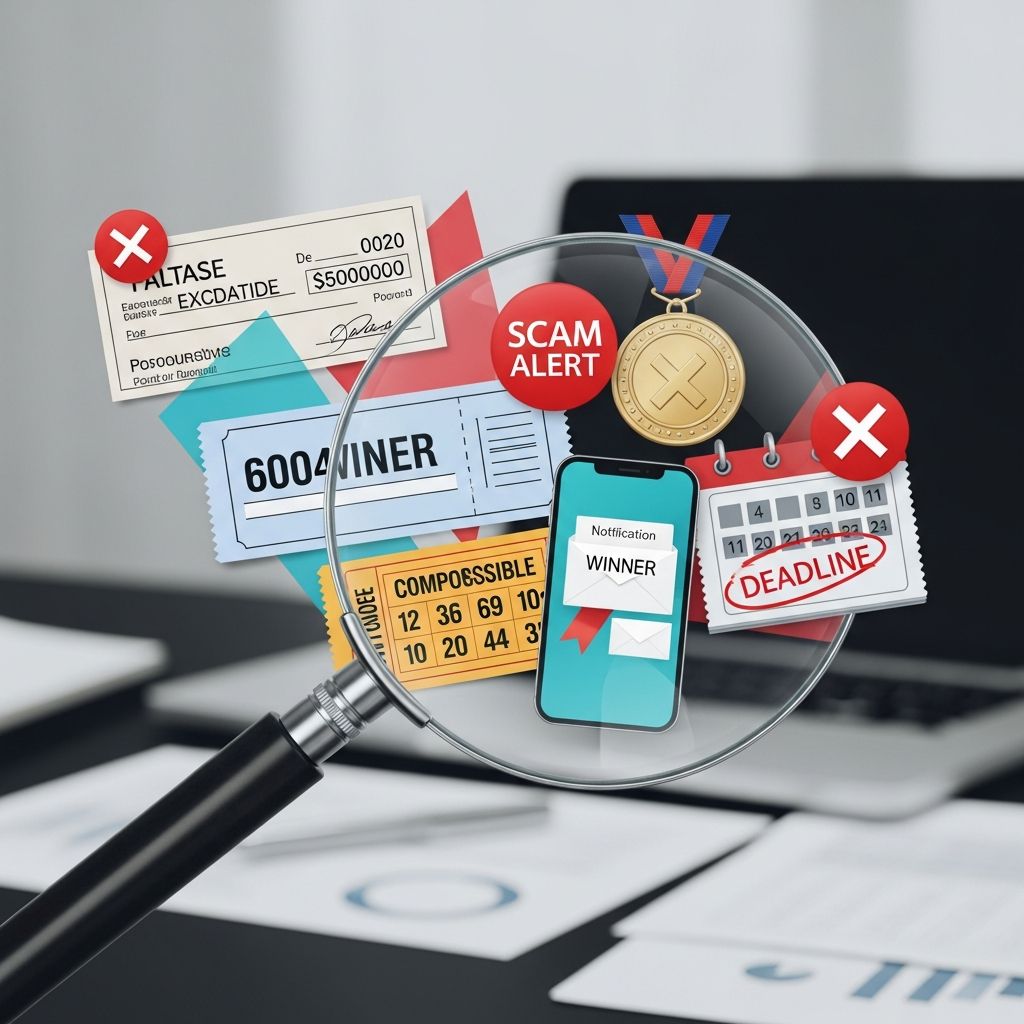
Scammers know that many people dream about a big win, so they use fake prizes, lotteries, and sweepstakes to trick victims into sending money or personal information. This guide explains how these schemes work, the red flags to watch for, and the safest steps to take if you ever receive a surprise “you’re a winner” message.
Why Fake Prize Offers Are So Common
Prize and lottery scams are widespread because they combine two powerful forces: people’s hope of winning and the urgency scammers create to short-circuit critical thinking. In recent years, government agencies have consistently reported large financial losses from fraud involving fake sweepstakes, lotteries, and prize claims.
Fraudsters contact people by phone, text, email, postal mail, or social media. They pretend to represent well-known companies, government agencies, or legitimate charitable raffles, aiming to build trust long enough to steal money or sensitive data.
How Legitimate Contests and Lotteries Really Work
Understanding how real promotions operate makes it easier to spot fakes. In a legitimate contest, lottery, or sweepstakes:
- No advance payment is required to receive a prize. Real promoters do not ask winners to pay “fees” or “taxes” up front.
- Entry is documented. You either bought a ticket, registered, or entered online, and there are clear written rules describing eligibility and prize details.
- Clear contact information is provided, including a company address and ways to verify the promotion independently (such as an official website or published rules).
- Taxes are handled through normal channels. In the United States, lottery and gambling winnings are reported to the IRS and taxes are paid when you file or withheld from the payout; you are not asked to send tax payments by wire, gift card, or similar methods.
- Government agencies do not randomly award prizes. Agencies such as the Federal Trade Commission (FTC), IRS, or Social Security Administration do not run surprise prize drawings and do not call people to say they have won money.
Typical Tactics Used in Prize and Lottery Scams
Fraudsters rely on a fairly predictable playbook. While details change, most scams involve at least one of the patterns below.
1. Surprise Notification of a Big Win
Scammers usually begin with a message claiming that you have won a large amount of money, a luxury vacation, a car, or another valuable prize. Common approaches include:
- Phone calls from someone posing as an official from a government office, lottery commission, or well-known company.
- Emails or text messages with subject lines like “Final Notice: You Are the Winner” or “Claim Your Grand Prize Now.”
- Social media messages or comments that tag you, claiming you were randomly selected as a winner.
- Letters that include realistic-looking logos, barcodes, or stamps to appear official.
The message often claims that you must respond quickly or your prize will be forfeited, pushing you to act before verifying anything.
2. Demands for Upfront Payments
After telling you that you’ve won, scammers insist you must first pay some kind of charge to unlock the prize. Common excuses include:
- “Processing” or “handling” fees
- Customs, import duties, or shipping charges
- Insurance or “bonding” fees for large cash awards
- Advance “tax” payments that they claim are required to release the money
They typically ask for payment through methods that are hard to trace or reverse, such as wire transfers, gift cards, cryptocurrency, or payment apps. Government and consumer protection agencies have repeatedly warned that any prize that requires you to pay first is a scam.
3. Requests for Sensitive Personal Information
In some scams, the primary goal is identity theft rather than an immediate cash payment. The fraudster may ask for:
- Full Social Security number or national ID number
- Bank account and routing numbers
- Credit card details
- Copies of personal documents such as a passport or driver’s license
They claim they need this information for verification, “tax processing,” or direct deposit, but the real purpose is to open accounts or take out loans in your name.
4. Emotional Pressure and Fake Authority
Scammers often mix flattery with intimidation. They may:
- Use official-sounding titles or fake badge numbers.
- Claim to work closely with a federal agency or an international organization.
- Warn that if you tell anyone, you might lose the prize or face legal trouble.
- Call repeatedly, transfer you to “supervisors,” or connect you with fake lawyers to make the scheme feel more real.
These tactics aim to keep you engaged and isolated until you send money or information.
Key Warning Signs: Is It a Scam?
You can quickly assess most prize or lottery messages by looking for a few common red flags.
| Warning Sign | Why It’s Suspicious |
|---|---|
| You do not remember entering the contest or lottery. | Legitimate prizes are awarded to people who actually participated. Randomly selected “winners” out of nowhere are usually fake. |
| They ask you to pay a fee to get the prize. | Real prizes do not require advance payments for taxes, customs, or processing. Any demand for payment before payment of winnings is a major red flag. |
| They insist on specific payment methods like wire transfer, gift cards, or crypto. | These methods are favorite tools of scammers because they are fast and hard to reverse once money is sent. |
| The caller claims to be from a government agency awarding prizes. | U.S. government agencies do not operate surprise prize drawings and will not call out of the blue to announce winnings. |
| They pressure you to act immediately or keep the “win” secret. | Scammers want you to rush and avoid checking with friends, family, or authorities. |
| Poor spelling, grammar, or generic email addresses. | Messages sent from free email services with errors and vague details are often fraudulent. |
Step-by-Step: What to Do if Someone Says You’ve Won
If you receive a call, message, or letter claiming that you have won a prize, follow these steps before doing anything else.
1. Stop and Take Your Time
Scammers rely on urgency. Instead of responding immediately:
- Hang up the phone or ignore the message until you have time to think.
- Resist any pressure to act “right now” or before you talk to someone you trust.
2. Ask Yourself If You Actually Entered
Legitimate promotions are tied to an entry: a ticket purchase, a form you filled out, a code on a product, or a verified online registration. If you cannot recall entering, or the caller cannot clearly explain how and when you entered, assume it is a scam.
3. Independently Verify the Offer
If the message appears to be from a recognized brand or organization:
- Find the official website or customer service number on your own—do not use phone numbers or links in the message.
- Contact the organization directly and ask if the promotion is real and whether your name is on the winner list.
- Search online for the company name plus terms like “scam” or “complaint” to see if others have reported similar contacts.
4. Refuse to Pay Any Upfront Fees
If the caller or sender asks for money:
- Firmly decline and end the communication.
- Remember: no genuine prize requires you to send money first. Paying in order to receive money is a hallmark of fraud.
5. Protect Your Personal and Financial Information
Never provide sensitive information to claim a prize. In particular, do not share:
- Social Security numbers or national ID numbers
- Bank account or routing numbers
- Credit or debit card numbers, PINs, or security codes
- Online banking or email passwords
If you already shared such details, contact your bank or credit union immediately and ask what steps you can take to secure your accounts.
6. Report the Scam
Reporting helps enforcement agencies track patterns and shut down operations. In the United States, you can report suspected prize scams to federal and state agencies that work together to protect consumers.
- Provide as many details as you can, including phone numbers, email addresses, dates, and any payment methods requested.
- Keep copies or screenshots of messages and receipts if you sent money.
How to Help Older Adults Avoid Prize Scams
Older adults are often targeted by prize and lottery fraudsters, in part because many are on fixed incomes and may be more receptive to news of a financial windfall. Family members and caregivers can play a critical role in prevention.
- Talk openly about common scams. Regular conversations make it easier for someone to recognize warning signs and ask for help.
- Encourage verification. Urge older relatives to check with you or another trusted person before sending money or sharing personal information with anyone who contacts them unexpectedly.
- Limit access to risky payment tools. Where appropriate, use account alerts, daily spending limits, or joint oversight for wire transfers and large purchases.
- Check mail and phone logs if you suspect ongoing contact with scammers, and help stop or filter repeated calls.
Safer Ways to Participate in Legitimate Contests
You can still enjoy real promotions and drawings while reducing your risk of fraud. Consider these safer practices:
- Only enter contests from organizations you recognize and trust.
- Read the official rules before entering, and keep a record (such as a screenshot) of the promotion.
- Use a separate email address for sweepstakes entries to reduce spam and make it easier to review messages carefully.
- Be cautious when a contest requests more information than necessary; basic contact details should usually suffice.
- Remember that the odds of winning large national lotteries are extremely low; any claim that you have won a massive jackpot without buying a ticket is almost certainly false.
Frequently Asked Questions (FAQs)
How can I tell if a prize email is real or fake?
Look for signs such as requests for payment, demands for sensitive information, poor spelling, generic greetings (like “Dear Winner”), and email addresses that are not connected to the organization’s official website. Real promotions will not require fees to release a prize and will provide clear, verifiable contact details.
Is it ever legitimate to pay taxes before receiving lottery winnings?
In the United States, taxes on legitimate lottery winnings are either withheld from your payout or reported on your tax return; you do not send tax payments via wire transfer, gift cards, or similar methods in order to get the prize. Anyone asking you to pay taxes this way in advance is attempting fraud.
What should I do if I already sent money to a prize scammer?
Immediately contact your bank, card issuer, or the company that processed the payment and explain that you were the victim of fraud. Ask if the transaction can be reversed or disputed. Then report the scam to relevant consumer protection authorities, and monitor your accounts for further suspicious activity.
Can scammers really use my personal information if I only shared a few details?
Even partial information, such as your full name, date of birth, and address, can be combined with other data to commit identity theft. If you shared any sensitive details, consider placing fraud alerts or credit freezes with major credit bureaus and reviewing account and credit reports for unfamiliar accounts.
Why do scammers prefer gift cards and cryptocurrency?
Gift cards and cryptocurrency allow money to be transferred quickly and, in many cases, irreversibly. Once the scammer has the gift card codes or crypto transaction, it is very difficult for victims to recover the funds, which is why many fraud warnings emphasize never paying unexpected fees with these methods.
References
- Bureau of Consumer Protection — Federal Trade Commission. 2024-2025. https://www.ftc.gov/consumer-protection
- Bureau of Consumer Protection Overview — Federal Trade Commission. 2024. https://www.ftc.gov/about-ftc/bureaus-offices/bureau-consumer-protection
- Protecting Older Consumers 2024–2025: A Report of the Federal Trade Commission — Federal Trade Commission. 2024-10-18. https://www.ftc.gov/reports/protecting-older-consumers-2024-2025-report-federal-trade-commission
- Consumer Protection Laws and Regulations USA 2025 — ICLG. 2025-04-09. https://iclg.com/practice-areas/consumer-protection-laws-and-regulations/usa
- Rules — Federal Trade Commission. 2024. https://www.ftc.gov/legal-library/browse/rules
Similar Articles








Read full bio of medha deb


