
Avoiding Fake Prize Calls: How to Outsmart Sweepstakes Scammers
Learn how sweepstakes impersonators trick people, and the clear steps you can take to stop them before they steal your money.
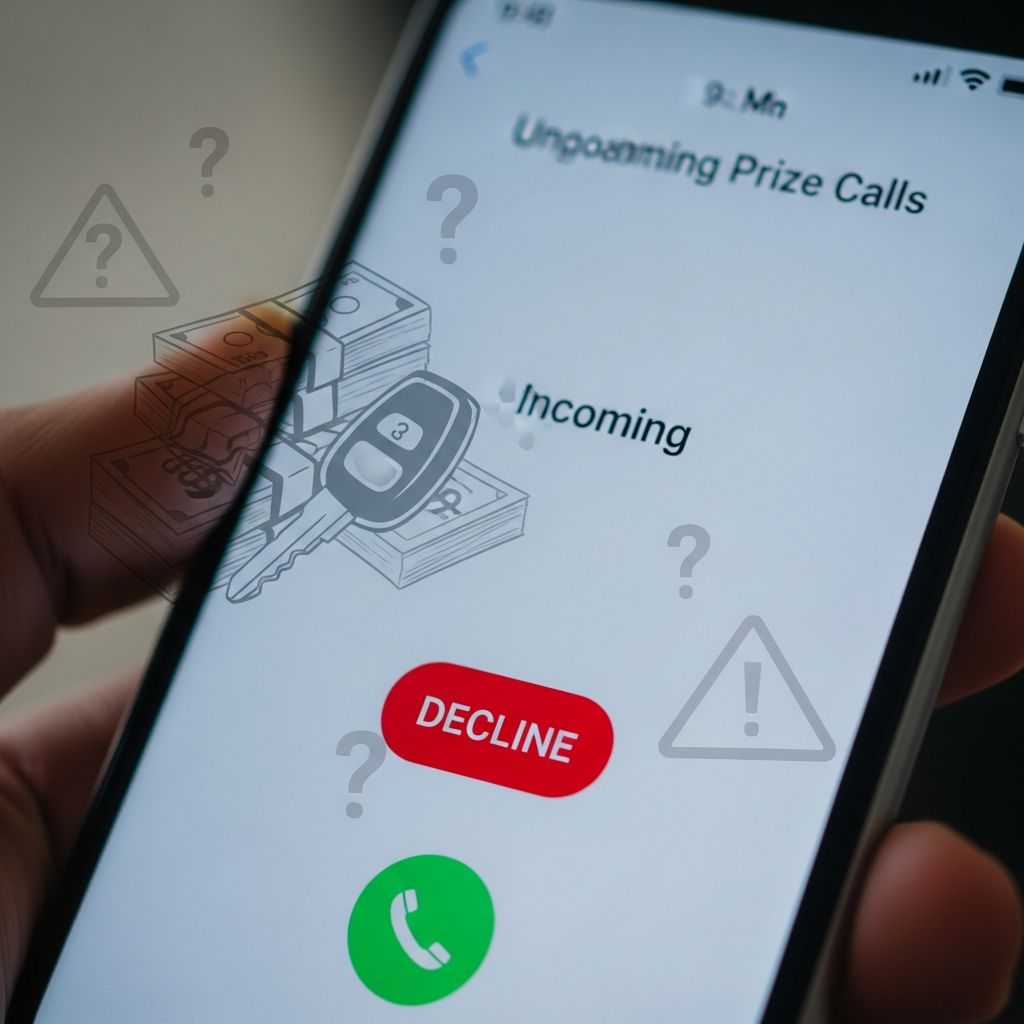
Prize and sweepstakes scams are a major source of fraud, often starting with a call, text, or email that claims you have won a life-changing jackpot. In reality, these messages are frequently from impersonators who copy the names and logos of well-known sweepstakes to gain your trust and pressure you into sending money or personal information.
This guide explains how these scams work, how to recognize them quickly, and what steps to take to protect yourself and the people you care about.
Why Sweepstakes Impersonation Scams Are So Common
Imposter scams, including fake prize and sweepstakes schemes, are consistently among the most frequently reported frauds in the United States. Scammers know that the promise of sudden wealth can override people’s normal caution, especially when the impersonator claims to represent a familiar name or famous prize promotion.
According to data reported to the Federal Trade Commission (FTC), imposter scams were the top fraud category in 2023, with reported losses of billions of dollars across all types of impersonation, including people pretending to be businesses, government agencies, or prize promoters.
Why these scams work
- Emotional appeal: The idea of winning a large prize triggers excitement and hope, which can cloud judgment.
- False urgency: Scammers insist you must act immediately or lose the prize, leaving little time to think.
- Use of well-known names: Impersonators borrow the names of legitimate sweepstakes or companies to appear credible.
- Confusing rules: They invent complicated explanations about taxes, processing fees, or customs charges to justify asking for money.
How Sweepstakes Impersonators Typically Operate
While details vary, many prize scams follow a common pattern. Understanding this pattern helps you spot trouble early.
1. The initial contact
Scammers may reach out in several ways:
- Phone calls: Often from a number that looks local or uses caller ID spoofing to appear official.
- Text messages: Short notes claiming you have an “unclaimed prize” or directing you to call a number.
- Emails: Messages with logos copied from real sweepstakes or companies, urging you to click a link or call.
- Social media messages: Direct messages from accounts pretending to be legitimate prize promoters.
2. The big announcement
The scammer claims:
- You have won a large cash prize, a luxury car, or another valuable reward.
- The prize is from a big-name sweepstakes, TV promotion, or well-known brand.
- You were selected randomly from a list of customers or past entrants.
Often, you are told not to discuss the win with others, supposedly for “security reasons” or to keep the news “confidential.” That secrecy benefits only the scammer.
3. The fake fee or required payment
Once you are excited, the scammer explains that you must pay something before you can receive the prize. Common excuses include:
- “Processing” or “handling” fees
- “Insurance” costs
- “Customs” or “international transfer” charges
- “Prepaid taxes” on the prize
They may ask for payment in one or more high-risk forms that are difficult or impossible to reverse, such as:
- Gift cards (retail, online, or prepaid cards)
- Wire transfers
- Cryptocurrency payments
- Peer-to-peer payment apps
- Cash deposits into a specified account
4. The pressure tactics
To push you into acting quickly, impersonators often:
- Insist the offer expires in hours or by the end of the day.
- Claim that if you hang up, you will lose the prize.
- Tell you not to speak to your bank or family, saying they will “confuse” you.
- Offer to “walk you through” buying gift cards or sending a wire.
5. The endless delays
After you send money, the prize never arrives. Instead, scammers often come back with more excuses:
- New “unexpected” fees
- Additional “taxes” or “paperwork” charges
- Claims that your payment was “lost” or “misapplied” and you must send it again
Once they think you will not send more, they disappear—or they sell your information to other scammers.
Real vs. Fake: Key Differences in Prize Offers
Legitimate sweepstakes and prize promotions do not operate the way scammers do. Here are important distinctions.
| Legitimate Prize Promotions | Impersonator Prize Scams |
|---|---|
| Never require winners to pay fees to receive the prize | Demand payment for fees, taxes, or processing before you can claim the prize |
| Provide clear written rules and entry methods | Cannot explain how or when you supposedly entered |
| Use verified contact information listed on their official website | Contact you from new numbers, private emails, or social media accounts |
| Advise winners to consult their own tax professionals about any taxes owed | Insist you must prepay taxes or government fees directly to them |
| Do not pressure you to keep the win secret | Tell you not to talk to anyone else—especially banks or family |
Warning Signs You Are Dealing with a Prize Scam
Recognizing the red flags can help you stop a scam before money leaves your hands.
Top red flags
- Payment required to receive the prize: Any request to pay a fee, buy gift cards, or send money is a clear sign of fraud.
- Unsolicited contact: You are told you won a contest you do not remember entering.
- High-pressure tactics: The caller rushes you, saying you must act immediately.
- Confidentiality demands: The person instructs you to keep the win secret.
- Unusual payment methods: Requests for gift card numbers, wire transfers, or cryptocurrency.
- Caller ID or email that can’t be verified: The contact information does not match what is on the official website of the company they claim to represent.
- Grammatical errors or awkward language: Emails or texts full of mistakes, or callers who avoid answering direct questions.
Steps to Take If You Get a Suspicious Prize Message
If you receive any message saying you have won a large prize, it is important to slow down, verify, and protect yourself.
1. Pause before responding
- Do not send money, give out personal information, or click links.
- End the call or stop replying if the person pressures you or demands secrecy.
2. Verify independently
- Look up the official website of the sweepstakes or company using a search engine, not links in the message.
- Use contact information listed on the official site—not the phone number, email, or link in the suspicious message—to ask if there really is a prize in your name.
- If the message claims to involve government taxes or fees, remember that legitimate government agencies do not demand payment to release prize money.
3. Protect your financial accounts
- If you shared bank or credit card information, immediately contact your bank or card issuer using the number on the back of your card or your statement.
- Ask about stopping or reversing recent transactions if possible.
- Monitor your statements for unfamiliar charges and consider setting up alerts.
4. Report the scam
Reporting helps enforcement agencies track patterns, shut down operations, and warn others.
- File a report with the Federal Trade Commission at its official fraud-reporting portal.
- If you sent money by wire, contact the transfer company or your bank right away to ask whether the transfer can be reversed.
- If you paid with a gift card, contact the company that issued the card to report the fraud. While refunds are not guaranteed, the sooner you act, the better your chances.
- Consider also reporting to your state or local consumer protection agency.
Helping Older Adults and Vulnerable Loved Ones
Older adults are frequently targeted by prize and impersonation scams, in part because scammers assume they may be more trusting or have more savings. Families and caregivers can reduce risk by staying engaged and discussing scams openly.
Practical ways to help
- Start conversations: Talk regularly about common scams and emphasize that real prizes never require upfront payments.
- Encourage a “call-back” rule: Agree that your loved one will end any surprise call about money and call you—or the organization—back using verified contact information.
- Review mail and messages: Offer to look over unexpected letters, emails, or texts that sound too good to be true.
- Use call-blocking tools: Many phone providers offer call-filtering features that can reduce scam calls.
- Stay nonjudgmental: If someone has already lost money, respond with support, not blame, so they feel safe sharing what happened and seeking help.
Protecting Your Information to Reduce Future Risks
Scammers often collect details over time—such as your name, address, or family members’ names—to make future impersonation attempts more convincing. Limiting how much information is available about you can reduce your exposure.
Simple privacy steps
- Be cautious about sharing personal details on social media, especially your full birthdate, address, or phone number.
- Use strong, unique passwords and enable multi-factor authentication for important accounts, such as email and banking.
- Shred documents that contain personal or financial information before discarding them.
- Be skeptical of online quizzes or contests that ask for detailed personal information in exchange for a chance to win.
Frequently Asked Questions (FAQs)
Q1: If I really win a legitimate sweepstakes, will I ever have to pay anything?
Legitimate prize promoters do not require you to pay any fee—whether called a processing charge, courier fee, or tax—before you receive your prize. You may owe income taxes later when you file your tax return, but you would pay those directly to the government, not to the company that awarded the prize.
Q2: The caller knew my address and some personal details. Does that mean it is real?
Not necessarily. Scammers often piece together information from data breaches, social media, public records, and marketing lists. Having your address or other details does not prove they are legitimate; you still should never pay to claim a prize.
Q3: I already sent money to a supposed prize promoter. Can I get it back?
Recovery can be difficult, but acting quickly gives you the best chance. Contact your bank, credit card issuer, or the company that processed the payment immediately and explain that you were scammed. They can tell you whether there is any possibility of reversing or disputing the transaction. Then report the fraud to the FTC and relevant state authorities so they can investigate patterns of misconduct.
Q4: How can I check whether a sweepstakes is legitimate?
Search for the sweepstakes name along with phrases like “official rules” or “consumer information,” using a trusted search engine. Visit only the official website, and verify that the contact details there match those you have been given. If there is any mismatch, or if someone insists you must pay to participate or to receive a prize, treat it as a scam.
Q5: Why should I bother reporting a scam if I did not lose any money?
Reporting unsuccessful scam attempts gives consumer protection agencies valuable information about new tactics, phone numbers, websites, and payment channels scammers are using. That information helps enforcers bring cases and warn others before they become victims.
References
- Think you know what the top scam of 2023 was? Take a guess — Federal Trade Commission. 2024-02-20. https://consumer.ftc.gov/consumer-alerts/2024/02/think-you-know-what-top-scam-2023-was-take-guess
- December 2023 – Consumer Alerts Archive — Federal Trade Commission. 2023-12-31. https://consumer.ftc.gov/consumer-alerts/archive/202312
- Fraud Scam Alert — California Department of Consumer Affairs. 2023-08-10. https://www.dca.ca.gov/licensees/scam_alert.shtml
- 2023 Consumer Sentinel Network Data Book — Federal Trade Commission. 2024-02-20. https://www.ftc.gov/reports/consumer-sentinel-network-data-book-2023
- ReportFraud.ftc.gov: Report a Scam — Federal Trade Commission. 2023-10-01. https://reportfraud.ftc.gov/
Similar Articles








Read full bio of Sneha Tete


