
Auto Repair Basics Every Driver Should Know
Learn how to choose a repair shop, understand estimates, avoid surprises, and keep your vehicle maintained and safe on the road.
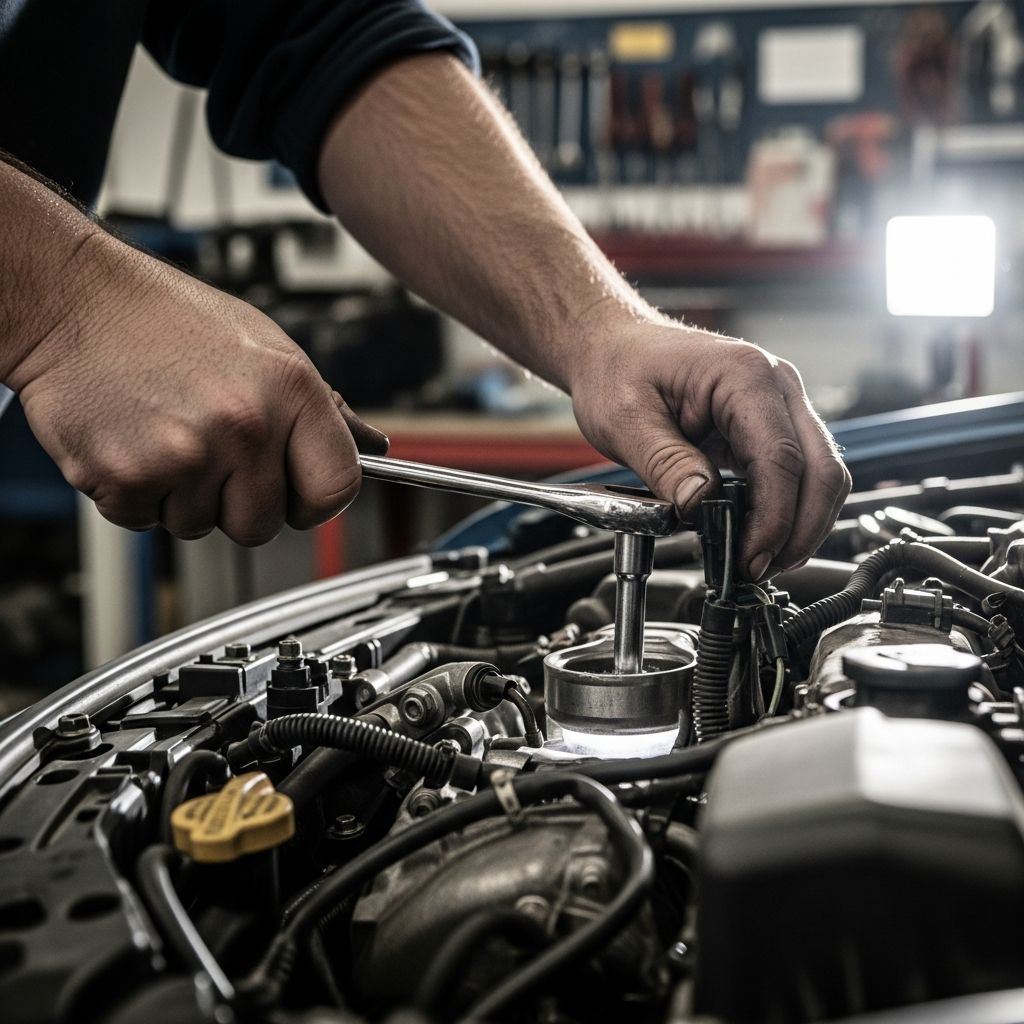
Being prepared before your vehicle breaks down is the best way to avoid stress, overspending, and unsafe repairs. Understanding how maintenance works, how to speak with technicians, and how to compare repair options can save time and money while keeping your car reliable.
1. Building a Solid Auto Repair Plan Before Trouble Strikes
You do not need to wait for a breakdown to start thinking about repairs. Planning ahead helps you react calmly when something goes wrong and reduces the risk of making decisions under pressure.
1.1 Why Preparation Matters
- Unexpected repairs often cost more and limit your choices.
- Knowing where you will go for service lets you act quickly in an emergency.
- Understanding basic terms and processes helps you challenge questionable charges and ask informed questions.
1.2 Information to Keep With Your Vehicle
Keep key documents in your glove box or stored digitally so they are available whenever you visit a shop:
- The owner’s manual with the maintenance schedule and fluid specifications.
- A record of past repairs and services, including dates, mileage, and invoices.
- Warranty documents for the vehicle, tires, and major components.
- Roadside assistance contact information, if you have it.
2. Choosing the Right Auto Repair Shop
Where you take your vehicle can be as important as what is wrong with it. Taking time to select a trustworthy shop before you urgently need one can prevent headaches later.
2.1 What to Look for in a Repair Facility
- Licensing and registration: Many states require repair facilities to be licensed or registered with a regulatory agency; for example, the California Bureau of Automotive Repair licenses shops and enforces standards.
- Technician qualifications: Look for technicians with recognized training or certifications (for instance, ASE in the U.S.), which indicate formal skills and testing.
- Clean, organized workspace: A reasonably neat shop with modern equipment suggests professional management.
- Clear customer communication: Staff should explain problems and options in everyday language, provide written estimates, and answer your questions patiently.
- Reputation: Recommendations from friends, family, or trustworthy review sources often reveal how a shop handles disputes and guarantees its work.
2.2 Comparing Dealerships, Independent Shops, and Specialty Garages
| Type of Shop | Main Advantages | Possible Drawbacks |
|---|---|---|
| Franchise Dealership | Often has brand-specific training, access to factory tools and parts, and detailed service information for your make and model. | Labor rates may be higher; focus can be on warranty and newer vehicles. |
| Independent General Shop | Frequently lower labor rates, can work on multiple makes, and may offer more flexible options on parts and scheduling. | Quality and capabilities vary more between shops; research is important. |
| Specialty or Niche Shop | Deep experience with specific systems (transmissions, exhaust, brakes) or brands; can be efficient for repeated or technical repairs. | Might not provide full-service maintenance; you may need more than one shop for different needs. |
2.3 Questions to Ask Before You Become a Regular Customer
- Do you provide written estimates before performing work?
- What kinds of warranties do you offer on parts and labor?
- Are your technicians certified or regularly trained on new technology?
- Will you show me the old parts after replacement if I request them?
- How do you handle disputes or concerns about the repair?
3. Understanding Maintenance vs. Repairs
Routine maintenance and unexpected repairs often get lumped together, but they serve different purposes and are managed differently.
3.1 Scheduled Maintenance
Manufacturers publish recommended service intervals for fluids, filters, and inspections in the owner’s manual. Following this schedule helps prevent breakdowns and can protect your warranty.
- Oil and filter changes
- Brake inspections and pad replacement
- Tire rotation and alignment checks
- Engine air filter and cabin filter replacement
- Coolant, brake fluid, and transmission fluid services, when specified
3.2 Corrective Repairs
Repairs address specific faults like a dead starter, worn suspension parts, or a faulty sensor. These usually arise because of wear, age, driving conditions, or deferred maintenance.
When a repair is needed, the shop should identify the cause, explain the severity, and discuss whether it is urgent, strongly recommended, or simply something to monitor for the future.
4. Recognizing Common Warning Signs
The sooner you notice a change in how your vehicle behaves, the easier and less expensive it often is to correct the issue. Pay attention to unfamiliar sounds, smells, and sensations.
4.1 Noises That Deserve Attention
- Squealing or grinding when braking: Could indicate worn brake pads or damaged rotors; delaying service can reduce braking performance and increase costs.
- Loud rumbling under the car: May signal an exhaust leak or failing muffler, which can be noisy and potentially allow fumes into the cabin.
- Knocking or pinging from the engine: Can be caused by incorrect fuel, ignition problems, or more serious internal issues; should be checked promptly.
4.2 Dashboard Warning Lights
Modern vehicles use instrument panel lights to warn you about specific systems. When a light comes on:
- Consult your owner’s manual to identify what the symbol means.
- Address flashing or red warning lights immediately, especially for engine temperature, oil pressure, or brakes.
- Do not ignore the check engine light; some states require resolving it to pass emissions tests.
4.3 Smells and Handling Changes
- Burning odor: May indicate overheated brakes, slipping belts, or fluid leaks contacting hot components.
- Sweet smell from vents: Often associated with leaking coolant.
- Pulling, vibration, or wandering steering: Can point to tire, alignment, or suspension issues that affect safety.
5. Getting and Evaluating Repair Estimates
A clear estimate is the foundation of a fair transaction. It should describe what will be done, how much it will cost, and how long it will take.
5.1 What a Written Estimate Should Include
- Your name, contact information, and the vehicle’s year, make, model, and mileage.
- A description of your concern (for example, “brake noise”), not just the shop’s diagnosis.
- The diagnosis or probable cause of the problem, if known.
- An itemized list of parts and labor charges, including tax, shop fees, and any diagnostic charges.
- An estimated completion time and whether a test drive is included.
5.2 Parts Options: New, Remanufactured, or Used
The type of parts used can affect cost, warranty coverage, and durability.
- New original-equipment parts: Supplied or approved by the vehicle manufacturer; typically more expensive but designed for your specific model.
- Aftermarket parts: Produced by third parties; quality ranges from equivalent to superior or inferior, so brand selection matters.
- Remanufactured or rebuilt parts: Components reconditioned to working order, sometimes with warranties, often used for engines, transmissions, and starters.
- Used parts: Salvaged components; can reduce cost but may come with limited warranties.
5.3 Understanding Labor Charges
Labor is usually billed by the hour based on standardized guides or flat-rate manuals. The time listed in these guides reflects typical job durations, not the exact minutes spent on your vehicle.
When comparing estimates:
- Ask whether the labor time is based on a flat-rate guide or the shop’s own schedule.
- Confirm whether diagnostic time is billed separately.
- Make sure each estimate covers the same scope of work so comparisons are fair.
6. Authorizing Work and Protecting Yourself
You control whether and when repairs are performed. Legitimate shops will ask for your approval before doing chargeable work, especially for anything beyond the initial inspection.
6.1 Written and Verbal Authorizations
- Provide a phone number where you can be reached during the day.
- State clearly what you are authorizing, such as: “diagnose noise only” or “perform oil change and inspection, call before other work.”
- Ask the shop to note your spending limit (for example, “do not exceed a certain amount without approval”) on the work order.
6.2 Your Invoice and What to Check Before You Pay
When the work is complete, the final invoice should match the scope you accepted.
- Verify that the invoice lists parts, labor, taxes, and fees separately.
- Confirm that any promised warranty is printed and describes what is covered and for how long.
- Request to see or keep the old parts, unless they must be returned under core or warranty programs.
- Take a short test drive, if safe, to confirm that the original symptom has been addressed.
7. Preventive Habits That Reduce Repair Costs
Simple routines can keep your vehicle dependable and help you avoid more serious repairs later.
7.1 Follow the Maintenance Schedule
Manufacturers design maintenance intervals to balance cost and longevity. Skipping recommended services can shorten component life and may affect warranty claims.
- Use the owner’s manual, not only dashboard reminders, as your guide.
- Adjust intervals for severe driving conditions like frequent short trips, very hot or cold climates, or heavy towing.
7.2 Simple Checks Any Driver Can Do
- Tires: Check pressure monthly and before long trips; underinflated tires wear faster and can reduce fuel economy and handling.
- Fluids: Periodically look at coolant, brake fluid, windshield washer fluid, and engine oil levels; consult your manual for correct procedures and specifications.
- Lights and wipers: Test exterior lights regularly and replace worn wiper blades to maintain visibility.
- Battery: Watch for slow cranking or dim lights at startup; many shops and retailers can quickly test a battery’s condition.
8. Handling Disputes and Concerns
Even with preparation, disagreements about price, quality, or results can occur. Addressing issues promptly and calmly provides the best chance of resolution.
8.1 Steps to Take if You Are Not Satisfied
- First, speak with the service advisor or manager and explain your concern clearly, referencing the estimate and invoice.
- Give the shop a chance to inspect the vehicle again and correct any problems under their warranty.
- If informal efforts fail, contact your state or local consumer protection office or motor-vehicle repair regulator, where available, for guidance.
- Keep copies of all written communication and invoices in case further action is needed.
Frequently Asked Questions (FAQs)
Q1: Do I have to go to the dealership to keep my warranty valid?
In many jurisdictions, you may use independent shops for routine maintenance and still keep your manufacturer warranty, as long as work is done correctly and at the recommended intervals. Keep thorough records of services performed and parts used.
Q2: How often should I get my car serviced?
Service intervals vary by vehicle, engine type, and driving conditions. The manufacturer’s schedule in your owner’s manual is the most reliable guide, and some newer cars also provide maintenance reminders based on mileage and operating conditions.
Q3: Is it safe to approve repairs over the phone?
Approving work by phone can be practical, but you should know what is being done and the total cost. Ask the shop to document your authorization in their system and ensure the final invoice matches what you agreed to.
Q4: What should I do if a repair quote seems too high?
Ask for an itemized estimate, including part brands, labor time, and diagnostic fees. You may then compare with another reputable shop using the same scope of work. Large differences sometimes reflect different parts or additional services, so clarify before deciding.
Q5: Can I see the old parts after a repair?
Yes, you can usually request to see or keep removed parts unless they must be returned under a core or warranty agreement. This can help you verify that components were replaced as described.
References
- Auto Repair Basics — Federal Trade Commission, Consumer Advice. 2023-09-01. https://consumer.ftc.gov/articles/auto-repair-basics
- Maintenance and repairs — California Bureau of Automotive Repair. 2022-05-12. https://bar.ca.gov/auto-repairs
- Car Maintenance & Repair Guide — Consumer Reports. 2024-03-15. https://www.consumerreports.org/cars/car-maintenance-and-repair-guide/
- Auto Repair Basics — U.S. Federal Trade Commission (archived PDF and related materials). 2021-07-01. https://www.ftc.gov/consumer-advice
- Beginner’s Auto Maintenance & Repair (Crawford’s Guide) — West Virginia Department of Transportation (Training Document). 2018-01-01. https://transportation.wv.gov/highways/training/TrainingDocuments/Crawfords_Auto_Repair_Guide.pdf
Similar Articles








Read full bio of medha deb


