
Auto Dealer Fraud: How Consumers Can Enforce Their Rights
Understand common auto dealer scams, your legal protections, and the practical steps to fight back when a car deal crosses the line into fraud.
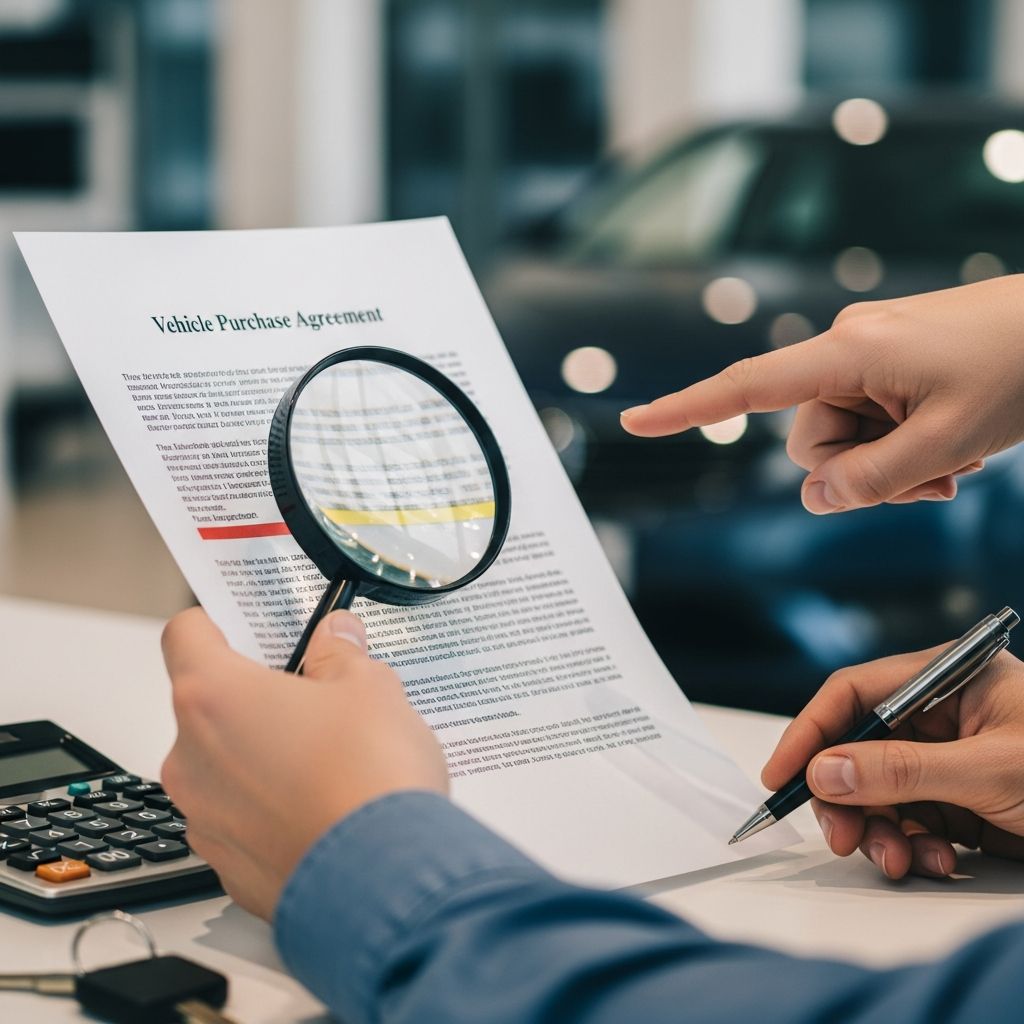
Buying a car is one of the biggest purchases most consumers make. When a dealer misrepresents the vehicle, hides important facts, or manipulates financing, the financial damage can be severe and long-lasting. This guide explains how auto dealer fraud works, what legal protections you have, and how to respond if you suspect you were cheated.
What Is Auto Dealer Fraud?
Auto dealer fraud occurs when a dealer uses false statements, hidden information, or unfair tactics to persuade you to buy or lease a vehicle on terms you would not have accepted if you knew the truth. It is different from simply buying a car that later has problems; fraud focuses on deception at the time of the sale or financing.
Fraud can be based on:
- Affirmative misrepresentations — the dealer tells you something that is untrue (for example, saying a car has never been in an accident when it has).
- Material omissions — the dealer leaves out facts that a reasonable buyer would want to know, such as prior flood damage or a branded salvage title.
- Unfair or deceptive practices — schemes like bait-and-switch advertising, yo-yo financing, or inflating the purchase price with undisclosed fees.
Common Forms of Auto Dealer Fraud
Fraud can appear in many parts of a car transaction: advertising, negotiations, financing, warranties, or the paperwork you sign. Below are frequent patterns consumers report to enforcement agencies and lawyers.
1. Misleading Advertising and Pricing Tricks
- Bait-and-switch offers: The dealer advertises a vehicle at an attractive price but claims it is no longer available and tries to sell you a similar car at a higher price.
- Hidden add-ons: Extra products such as paint protection, nitrogen-filled tires, window etching, or service contracts are added without clear disclosure or consent.
- Inflated fees: The dealer increases the total purchase price with unjustified or undisclosed fees beyond lawful taxes and registration costs.
2. Misrepresenting the Vehicle Itself
- Accident or damage concealment: Failing to disclose serious past damage from a collision, flood, or fire.
- Odometer fraud: Rolling back or altering the odometer to show lower mileage; this is prohibited under federal law.
- Passing off used as new: Representing a vehicle that has been previously owned, rented, or returned as if it were brand new.
- False claims about features: Saying a car has specific options or safety features that it does not actually have.
3. Deception in Warranties and Service Contracts
- Overstating warranty coverage: Claiming a warranty offers more protection or lasts longer than it truly does.
- Confusing service contracts with warranties: Selling an extended service contract as if it were a manufacturer-backed warranty.
- Failing to disclose “as is” sales: Selling a used vehicle without any implied warranties while downplaying or hiding the “as is” status.
4. Financing and Credit Abuses
- Misrepresenting interest rates or loan terms: Quoting a lower interest rate verbally than what appears in the contract or adding extra products into the financed amount.
- Yo-yo (spot delivery) financing: Letting you drive off believing the financing is final, then calling you back and claiming the loan was denied and pressuring you into a more expensive loan.
- False statements about credit: Misrepresenting your credit score or eligibility to push you into higher-cost financing.
Fraud vs. Lemon Law and Product Defects
Not every bad car is the product of fraud. It is important to distinguish between:
- Dealer fraud — deceptive acts by the dealer in selling or financing the vehicle.
- Defective vehicles — cars that fail to meet quality or safety standards, which may be covered by state lemon laws or product liability rules.
| Issue Type | Typical Problem | Main Legal Tools |
|---|---|---|
| Auto Dealer Fraud | Misrepresentation or concealment in the sale or financing process. | State deceptive trade practices laws, common-law fraud, unfair and deceptive acts and practices (UDAP) statutes. |
| Lemon/Defective Vehicle | Mechanical defects, repeated repairs, or safety problems after purchase. | State lemon laws, implied warranties, federal warranty laws (Magnuson-Moss Warranty Act). |
You may have both a fraud claim and a warranty or lemon law claim if the dealer lied about a defect and the vehicle repeatedly fails to meet basic standards.
Key Consumer Protection Laws That May Apply
Several layers of law can help you challenge auto dealer fraud. The exact mix depends on your state, but many principles are similar nationwide.
1. State Unfair and Deceptive Acts and Practices (UDAP) Laws
Every U.S. state has some form of consumer protection statute that prohibits unfair, false, or deceptive acts in trade or commerce. These statutes often:
- Outlaw misrepresentations and material omissions about products and services.
- Apply to auto sales, repair shops, and finance-related conduct.
- Allow consumers to recover actual damages, and in some states, additional or multiple damages for willful violations.
- Permit recovery of attorneys’ fees in many successful cases, which can make smaller-dollar claims economically feasible.
Some states, such as Texas, have specific provisions recognizing that taking advantage of a consumer’s lack of knowledge or experience may qualify as an unconscionable act.
2. Federal Trade Commission (FTC) Used Car Rule
The Federal Trade Commission enforces the Used Car Rule, which sets nationwide standards for used car dealers. This rule requires dealers to provide a Buyers Guide on used vehicles that:
- Identifies the dealer and the specific vehicle (including VIN).
- States whether the vehicle comes with a warranty or is sold “as is.”
- Describes the basic terms and duration of any express warranty.
- Indicates whether a manufacturer’s warranty remains in effect and for how long.
- Notes the availability of any service contracts.
The rule also prohibits false or misleading statements related to the sale of used vehicles. Violations can lead to FTC enforcement actions and may strengthen a consumer’s private claims.
3. Odometer and Mileage Disclosure Requirements
Federal law requires accurate disclosure of a vehicle’s mileage when ownership is transferred and makes odometer tampering a crime. Regulations adopted in 2021 extended the period during which odometer disclosures are required to cover vehicles up to 20 years old, reflecting the longer life of modern vehicles.
4. Contract and Warranty Law
Beyond consumer protection statutes, traditional contract and warranty principles may apply. For example:
- If the written contract contradicts earlier promises, that may support a misrepresentation or fraud claim.
- Breaches of express or implied warranties (such as the implied warranty of merchantability) may give you additional remedies, even without proving intentional fraud.
Warning Signs You May Be Facing Dealer Fraud
Being alert during the shopping and signing process can reduce the chance of being misled. Red flags include:
- Pressure to sign quickly or not read contracts and financing documents.
- Reluctance to provide written information about warranties, pricing, or promised repairs.
- Discrepancies between the advertisement and the purchase order or retail installment contract.
- Being told that optional products are “required” to secure financing or purchase.
- Receiving a call after delivery claiming that financing “fell through” and demanding you sign a more expensive agreement.
Immediate Steps if You Suspect Auto Dealer Fraud
If you think you were deceived, acting quickly and methodically can strengthen your position. Consider the actions below as soon as possible after discovering the problem.
1. Gather and Organize Documentation
- Sales contract, financing agreement, and any add-on product forms.
- Advertisements or online listings you relied on (screenshots can help preserve them).
- Emails, text messages, or notes from conversations with the dealer.
- Vehicle history reports, inspection reports, or repair invoices.
- The Buyers Guide and warranty booklets (for used vehicles).
2. Get Independent Mechanical and Title Evaluations
An independent assessment can confirm whether the dealer misrepresented the vehicle.
- Have a qualified mechanic inspect the car for signs of prior accidents, flood damage, or serious wear inconsistent with the claimed history.
- Obtain a title and accident history report from reputable providers; compare it to representations made by the dealer.
- If you suspect odometer fraud, ask the mechanic to note mileage inconsistencies and keep photos of the current odometer reading.
3. Communicate in Writing With the Dealer
In some cases, disputes can be resolved directly with the dealership, particularly if they are concerned about complaints to regulators or potential lawsuits.
- Send a written letter or email describing the misrepresentations or omissions you discovered.
- State what you are requesting (for example: cancellation of the contract, a refund, repair at no cost, or removal of add-on charges).
- Keep copies of all correspondence and note who you talk to and when.
4. File Complaints With Regulatory Agencies
Filing complaints can pressure the dealer to resolve the matter and may support future legal claims.
- State attorney general or consumer protection agency: Many states invite auto sales complaints under their deceptive practices laws.
- Motor vehicle regulatory agency: In some states, a department of motor vehicles or similar agency oversees dealer licensing and investigates consumer complaints.
- Federal Trade Commission (FTC): The FTC accepts complaints regarding unfair or deceptive practices in interstate commerce, including car sales and advertising.
5. Consult an Experienced Consumer Protection or Auto Fraud Attorney
Because auto fraud cases often involve specific statutes, time limits, and technical evidence, speaking with a lawyer who regularly handles consumer protection or auto fraud matters can be critical.
- Attorneys can evaluate whether you have viable claims under state deceptive trade practices laws, common-law fraud, or warranty theories.
- They can calculate your potential damages, including out-of-pocket losses, finance charges, and in some cases, enhanced or punitive damages.
- They may be able to recover attorneys’ fees if your state’s consumer protection law allows it.
Possible Remedies When You Prove Dealer Fraud
Available remedies depend on the law in your state and the nature of the dealer’s conduct, but may include:
- Rescission: Cancelling the contract and returning the vehicle in exchange for a refund of payments made, subject to adjustments.
- Repair or replacement: Having the dealer or manufacturer fix serious issues at no cost or provide a comparable replacement vehicle.
- Money damages: Recovery of the difference between the value of what you were promised and what you actually received, plus related expenses.
- Additional or multiple damages: Some statutes permit extra damages when the dealer acted knowingly or intentionally.
- Attorneys’ fees and costs: Many consumer protection laws authorize courts to award reasonable attorneys’ fees to successful consumers, which can make it practical to pursue claims that might otherwise be too small.
Practical Tips to Avoid Auto Dealer Fraud
While no strategy can eliminate all risk, taking the following precautions can greatly reduce the chance of being misled:
- Research the vehicle’s market value and typical equipment before visiting a dealership.
- Bring printed or saved copies of any advertisements you plan to rely on.
- Insist on a pre-purchase inspection by an independent mechanic, especially for used vehicles.
- Read every document before signing; do not rely only on what the salesperson says.
- Walk away if the terms in writing do not match earlier promises or if you are told you must sign immediately.
- Consider obtaining financing from a bank or credit union directly so you can compare dealer-arranged loan terms.
Frequently Asked Questions About Auto Dealer Fraud
Q: Is it fraud if my car broke down soon after I bought it?
A: Not necessarily. A car developing problems shortly after purchase may indicate a defect or potential lemon law issue rather than fraud. Fraud generally requires a misrepresentation or omission at the time of sale, such as the dealer knowing about a serious defect or prior damage and failing to disclose it. However, if repair records or inspections show the dealer knew of significant problems beforehand and concealed them, you may have both fraud and warranty claims.
Q: Can I return a car within three days if I change my mind?
A: In most cases, no. Federal “cooling-off” rules that allow a three-day cancellation for some door-to-door or off-premises sales generally do not apply to auto purchases at a dealership. Unless your contract or state law gives you a specific right to cancel, you may be bound once you sign. That said, if you were misled, you may be able to seek contract rescission or other remedies based on fraud or deceptive practices.
Q: What if the dealer sold me a used car “as is”?
A: Selling a car “as is” means the dealer is disclaiming certain warranties about the car’s condition, but it does not give them permission to lie or hide important facts. Even in an as-is sale, a dealer can be liable if it misrepresents mileage, prior accidents, title status, or other material information, or if it violates state deceptive practices laws or federal odometer rules.
Q: How long do I have to file a claim?
A: Time limits, known as statutes of limitations, depend on the laws you use and your state. Some state deceptive trade practices statutes require lawsuits to be filed within a relatively short period, such as two years from when the deceptive act occurred or was discovered. Because deadlines can be strict and complex, it is wise to speak with a consumer protection attorney promptly after discovering possible fraud.
Q: Do I need a lawyer, or can I handle this on my own?
A: You can often start by complaining to the dealer and relevant agencies yourself. However, auto fraud cases can involve complex statutes, evidence issues, and negotiation with experienced defense counsel or insurers. Many consumer protection statutes allow recovery of attorneys’ fees for successful plaintiffs, making it more feasible to hire a lawyer who focuses on auto fraud or deceptive practices.
References
- Auto Dealer Fraud & Consumer Protection Laws — Justia. 2024-01-05. https://www.justia.com/consumer/deceptive-practices-and-fraud/auto-dealer-fraud/
- Auto Issues — National Association of Consumer Advocates (NACA). 2023-06-01. https://www.consumeradvocates.org/for-consumers/auto-issues/
- What is the Texas Deceptive Trade Practices Act? — Allen Stewart, P.C. 2023-11-10. https://allenstewart.com/practice-areas/auto-fraud-attorneys/what-is-the-texas-deceptive-trade-practices-act/
- Consumer Protection — Texas Department of Motor Vehicles. 2024-02-01. http://www.txdmv.gov/motorists/consumer-protection
- General Information – Consumer Protection — Texas State Law Library. 2023-09-15. https://guides.sll.texas.gov/consumer-protection
Similar Articles








Read full bio of medha deb


