
Can Athletes Ink Ads On Their Bodies? IOC And IPC Rules
Exploring legal limits on body ads for Olympic and Paralympic competitors amid sponsorship tensions.
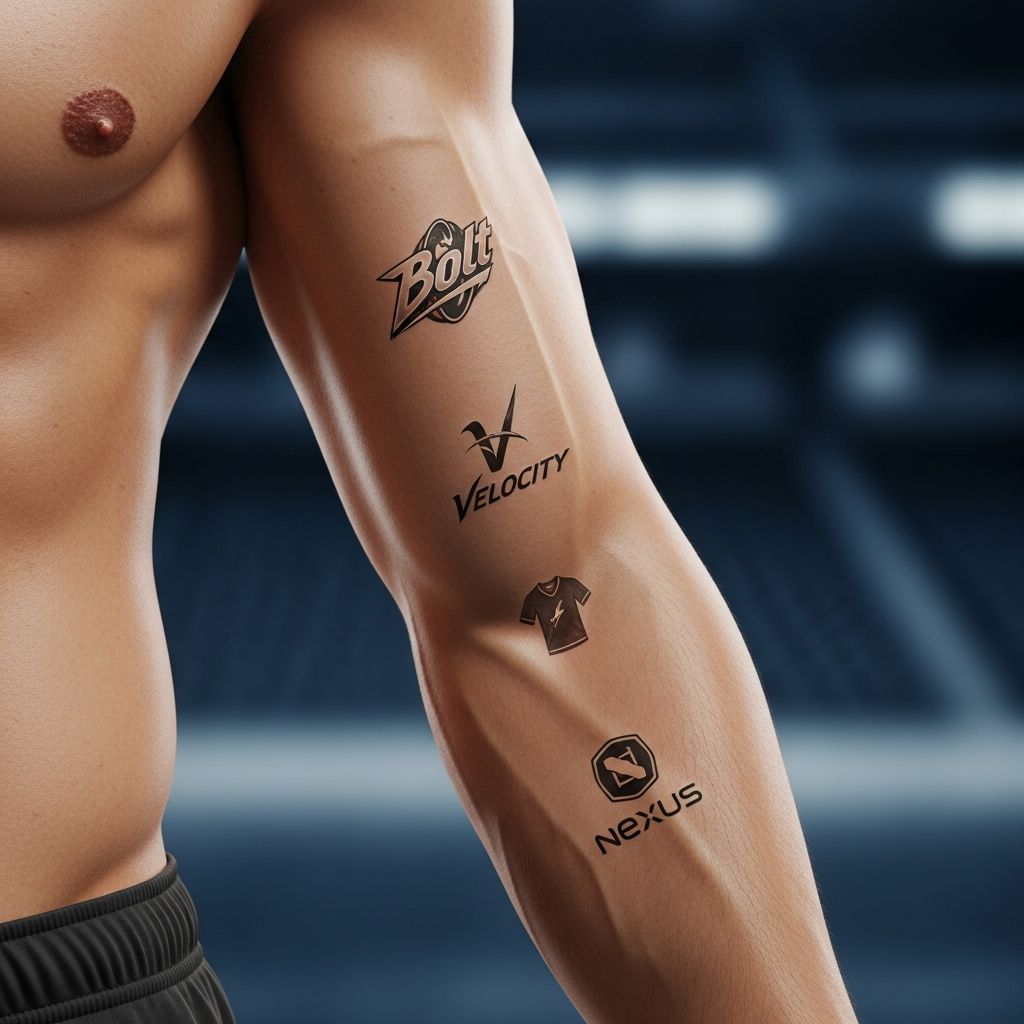
Elite athletes often turn their bodies into canvases for personal expression, but when those designs cross into commercial territory, strict rules come into play. Governing bodies like the International Olympic Committee (IOC) and International Paralympic Committee (IPC) enforce policies to prevent unauthorized advertising during competitions, balancing individual rights with event integrity.
The Evolution of Body Art in Elite Sports
Tattoos have long symbolized achievement for athletes. Many Olympians proudly display the iconic Olympic rings, a mark of prestige earned through years of dedication. Swimmers like Michael Phelps and Dana Vollmer have etched these rings on their bodies, showcasing them without issue under IOC guidelines. This tradition reflects deeper cultural shifts, where ink moves from taboo to triumph in sports culture.
However, the line blurs when tattoos promote brands or rival events. Early Olympic eras saw outright bans on visible tattoos, but policies relaxed over time. Today, non-commercial designs like family symbols or motivational quotes face few hurdles, provided they don’t violate broader advertising prohibitions.
- Personal motifs (e.g., flowers, initials) are generally permitted.
- Sport-specific symbols tied to the current event may pass muster.
- Commercial logos or competitor trademarks trigger scrutiny.
IOC Guidelines: Protecting the Olympic Brand
The IOC maintains a pragmatic stance on tattoos. Standing alone, the Olympic rings symbolize appreciation for Olympic values and are explicitly welcomed. An IOC spokesperson noted the president’s enthusiasm for such displays, emphasizing a “common sense approach.” Yet, any ink suggesting product endorsement must be concealed with tape or patches during events.
This policy safeguards the Olympic movement’s commercial exclusivity. Athletes enter “blackout periods” where non-official ads are barred, extending to body modifications. Federations in sports like swimming or gymnastics, with minimal uniforms, apply similar logic to ensure focus remains on performance, not promotion.
| IOC Tattoo Categories | Allowed? | Requirements |
|---|---|---|
| Olympic Rings (solo) | Yes | None |
| Personal/Non-commercial | Yes | Must not imply endorsement |
| Product Logos | No | Cover during competition |
| Rival Event Symbols | Case-by-case | Typically covered |
Paralympic Policies: Stricter Origins and Recent Shifts
Paralympic rules diverged sharply from the IOC’s, governed by the independent IPC. Body advertisements, including tattoos, were outright banned unless featuring the Agitos symbol—Paralympics’ equivalent to the rings. This stemmed from trademark concerns: Olympic rings on a Paralympian’s body could confuse audiences, implying affiliation with a separate entity.
A landmark incident involved British swimmer Josef Craig in 2016. His chest tattoo—a lion’s head over Olympic rings—led to disqualification at the IPC European Championships for breaching anti-advertising rules. Officials required coverage for the rest of the event, highlighting enforcement rigor. Similar scrutiny applied to any non-Paralympic promotion, even patriotic designs tied to Olympic teams.
These measures protected the IPC’s brand identity. Unlike the IOC, Paralympians faced zero tolerance for “advertising any event not currently competed in,” per IPC statements. World Para Swimming echoed this: “Body advertisements (except for the WPS logo or Agitos) are not permitted in any way whatsoever.”
High-Profile Cases of Tattoo Sponsorships
No athlete pushed boundaries further than middle-distance runner Nick Symmonds. In 2012, he auctioned shoulder space on eBay, securing $11,100 from Hanson Dodge Creative for their logo. Later, T-Mobile—ironically a U.S. Olympic sponsor—paid $21,800 for arm placement. To compete, Symmonds dutifully covered the ink, underscoring rule compliance despite lucrative deals.
Symmonds’ ventures spotlight tensions between athlete autonomy and organizational control. He argued tattoos as personal billboards in a free market, but Olympic charters prioritize clean venues for official sponsors. Other cases, like Craig’s, fueled debates on fairness—why punish personal commemorations mistaken for ads?
Superstitions add intrigue: Many athletes delay Olympic tattoos until post-competition, citing tales of pre-ink injuries derailing careers. Social media amplifies this, with platforms like Instagram turning athlete ink into viral stories, inspiring fans while inviting regulatory eyes.
Trademark Law at the Heart of Restrictions
At core, these rules invoke intellectual property principles. Trademarks grant owners rights against confusing uses on competing goods or services. IPC viewed Olympic rings on Paralympians as infringing, potentially positioning athletes as “products” in a branding battle. Courts might question if bodies qualify as trademark-bearing items, but governing bodies sidestep litigation via internal rules.
This “likelihood of confusion” doctrine, familiar in IP law, justified 2012 IPC bans. Lifting it for Paris 2024 acknowledged evolving realities—fans recognize distinctions without mix-ups. Yet, commercial tattoos remain off-limits, preserving sponsor value estimated in billions.
Recent Changes and Future Outlook
By Paris 2024, the IPC waived Olympic rings enforcement, a pivotal reversal. Athletes no longer needed coverings for such tattoos, easing prior disqualifications. This applied specifically to rings, with body ad bans intact, mirroring IOC standards.
Looking ahead, expect refined policies. As tattoos proliferate—fueled by social media and normalization—governing bodies may codify exceptions for cultural or commemorative ink. Sport federations could harmonize rules, reducing sport-specific variances. Athletes like Symmonds pave paths for innovation, perhaps negotiating tattoo slots with official partners.
Challenges persist: Emerging tech like temporary tattoos or AR overlays might test boundaries. Global equity demands consideration—rules impacting diverse body art traditions could spark inclusivity pushes.
Frequently Asked Questions (FAQs)
Are Olympic rings tattoos allowed for Paralympians now?
Yes, the IPC lifted the ban for Paris 2024, permitting display without coverage, though commercial ads remain prohibited.
What happens if an athlete shows a sponsor logo tattoo?
They must cover it during competition or risk disqualification; IOC and IPC enforce this uniformly.
Can athletes profit from tattoo ads outside events?
Yes, but blackout periods restrict visibility; Symmonds’ deals succeeded pre- or post-competition.
Do all sports have the same tattoo rules?
No, while IOC sets baselines, federations like swimming impose visibility checks.
Why did Paralympics ban Olympic rings initially?
To avoid trademark confusion between IOC and IPC brands.
Implications for Athletes and Sponsors
These regulations shape careers. Athletes weigh expression against eligibility, often consulting lawyers pre-ink. Sponsors seek alternatives like apparel logos, capped by size rules. Fans benefit from unadulterated spectacles, where heroism trumps hawking.
Broader lessons emerge for sports law: Balancing commerce, IP, and humanity. As Olympics grow commercial, tattoo policies evolve, reflecting societal ink acceptance. Future Games may embrace controlled body branding, rewarding top performers uniquely.
Ink endures as athletic shorthand—rings for glory, ads for ambition. Rules ensure the former shines brightest.
References
- Paralympics Tattoo Rules Stricter Than Those of the IOC — Sports Destinations Management. 2016-07-20. https://www.sportsdestinations.com/management/marketing-sponsorships/paralympics-tattoo-rules-stricter-those-ioc-11284
- This Tattoo Could Get Athletes Banned From The Paralympics! — The Running Channel. 2024-08-28. https://therunningchannel.com/olympic-tattoo-could-get-paralympic-athletes-banned/
- Paralympic Games: Olympic Rings Tattoos Now Allowed — Sports.legal. 2024-09-30. https://www.sports.legal/2024/09/paralympic-games-olympic-rings-tattoos-now-allowed/
- Tattoos and the Olympics: A Colorful History of Athletes and Ink — Hidden Gem Tattoo Studio. 2024. https://www.hiddengemtattoostudio.com/post/tattoos-and-the-olympics-a-colorful-history-of-athletes-and-ink
- Olympic tattoo – Wikipedia — Wikipedia. 2024-09-01. https://en.wikipedia.org/wiki/Olympic_tattoo
- A New Low for Olympic Commercialism: Tattoo Advertising — Bollier.org. 2012. https://www.bollier.org/blog/new-low-olympic-commercialism-tattoo-advertising
Similar Articles








Read full bio of Sneha Tete


