
Alcohol Service Liability: Utah’s Legal Framework
Understanding liability rules for alcohol service and social gatherings in Utah.
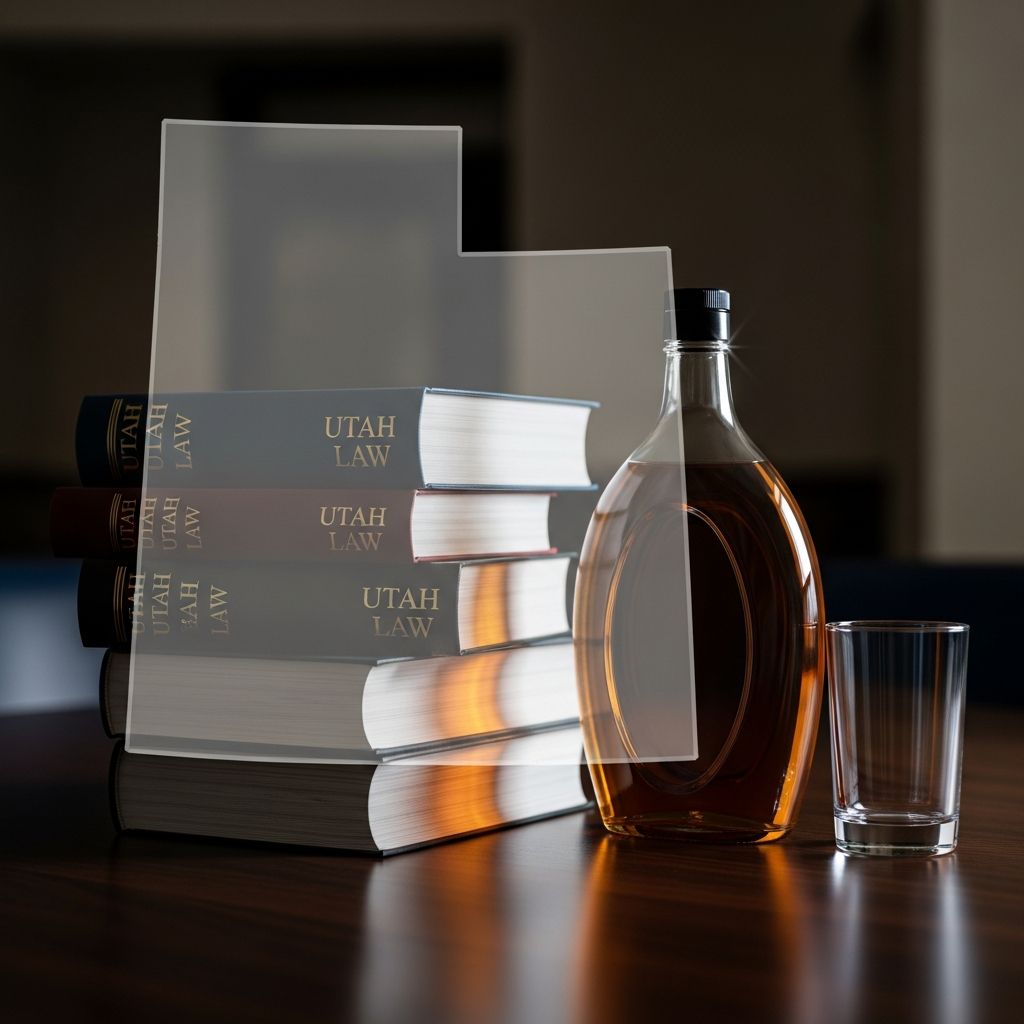
Liability for Alcohol Service: Understanding Utah’s Legal Responsibilities
When individuals become injured due to the actions of someone who has consumed alcohol, questions naturally arise about who bears legal responsibility. In Utah, as in many states across the United States, specific laws govern the liability of establishments and individuals who serve alcoholic beverages. These laws create a framework that extends accountability beyond the intoxicated person to those who provided the alcohol. Understanding these legal principles is essential for business owners, social hosts, and anyone involved in serving alcohol.
Utah’s approach to alcohol service liability combines traditional negligence principles with statutory protections and requirements. The state recognizes that those who profit from alcohol sales or choose to serve alcohol at social gatherings have certain duties to the broader community. When these duties are breached and injury results, legal liability may follow.
The Historical Origins of Alcohol Service Liability Laws
The term “dram shop” has deep historical roots that trace back to early commercial establishments where spirits were sold in small quantities. A dram represented a specific unit of liquid measurement used in these establishments. The name persists today in legal terminology, even though modern bars and restaurants no longer measure alcohol by the dram. Understanding this historical context helps explain why these laws are called “dram shop laws” despite the outdated measurement system.
The concept of holding alcohol servers liable evolved from common law negligence principles. Courts recognized that establishments serving alcohol operated under a unique set of circumstances. Unlike other retail businesses, alcohol vendors deal with products that impair judgment and increase the likelihood of dangerous behavior. This distinction led to the development of specialized legal doctrines that specifically address alcohol service.
Utah’s Commercial Establishment Liability Standards
In Utah, establishments licensed to serve alcohol bear significant legal responsibilities. These responsibilities extend to bars, restaurants, nightclubs, and any other commercial venue that serves alcoholic beverages to patrons. The state’s legal framework imposes liability on these establishments when specific conditions are met.
The foundation of commercial establishment liability rests on the concept of visible intoxication. An establishment cannot legally serve additional alcohol to a person who is already visibly intoxicated to a degree that presents a clear danger to that person or others. This standard requires servers and management to exercise reasonable judgment in identifying signs of intoxication.
Utah law establishes that when an establishment serves alcohol to a visibly intoxicated patron, and that patron subsequently causes injury, death, or property damage, the injured party may pursue a civil claim against the establishment. The injured person need not be the intoxicated individual themselves—the law protects third parties harmed by intoxicated patrons.
Key Elements Required for Commercial Liability Claims
- Visible intoxication at time of service: The establishment must have served alcohol to someone who displayed obvious signs of intoxication, such as slurred speech, impaired coordination, or altered judgment
- Clear danger presentation: The intoxicated person’s condition must have posed a recognizable risk to themselves or others at the time of service
- Proximate causation: The alcohol served by the establishment must have directly contributed to the accident, injury, or death that subsequently occurred
- Resulting damages: The injured party must have suffered quantifiable harm—physical injury, property damage, or death—as a consequence of the intoxicated person’s actions
Social Host Liability in Utah
Beyond commercial establishments, Utah law also addresses situations where private individuals serve alcohol at social gatherings. Social host liability extends legal responsibility to homeowners and event hosts who provide alcohol to guests, particularly in circumstances involving minors or obviously intoxicated individuals.
The social host liability framework in Utah recognizes that private citizens often serve alcohol at parties, dinners, and other social events. When these hosts serve alcohol to minors or visibly intoxicated guests who subsequently cause harm, the hosts may face legal consequences. This expansion of liability beyond commercial establishments reflects the state’s commitment to public safety and injury prevention.
Social host liability proves particularly significant in cases involving underage drinking. Utah law holds that hosts who knowingly serve or allow alcohol to be served to minors bear responsibility if those minors cause accidents or injuries. This provision aims to discourage the supply of alcohol to young people and reduce alcohol-related harm among minors.
Circumstances Triggering Social Host Responsibility
Social hosts in Utah may face liability in several distinct scenarios:
- Serving alcohol to individuals under the legal drinking age of 21
- Providing alcohol to guests who display obvious signs of intoxication and subsequently cause injury
- Failing to intervene when a visibly intoxicated guest poses a danger to themselves or others
- Allowing intoxicated guests to drive or operate vehicles after consuming alcohol at the host’s event
Defenses and Safe Harbor Protections
Utah law provides certain defenses and safe harbor provisions that shield alcohol servers from liability under specific circumstances. These protections recognize that responsible service programs and proper training can significantly reduce the risk of alcohol-related harm.
An establishment may successfully defend against dram shop liability claims if it can demonstrate that it implemented comprehensive alcohol server training programs and properly documented employee participation. When staff members receive formal education on recognizing intoxication, checking identification, and understanding relevant laws, this training creates a defense to liability claims.
The safe harbor provision essentially creates an incentive structure for establishments to invest in employee education. By requiring servers to complete state-approved training and maintaining documentation of this training, establishments reduce their legal exposure. However, the establishment must demonstrate that the training was genuinely implemented and that the specific employee involved received appropriate instruction.
Components of Effective Safe Harbor Defenses
| Requirement | Description | Impact on Liability |
|---|---|---|
| Server Training Program | Commission-approved education covering intoxication recognition and legal responsibilities | Eliminates liability if properly documented |
| Employee Participation | Verification that the specific server completed required training | Critical to establishing safe harbor defense |
| Employer Oversight | Management systems ensuring employees follow training principles | Demonstrates employer did not encourage violations |
| Documentation | Records showing when training occurred and which employees attended | Essential evidence supporting the defense |
Establishing Negligence in Alcohol Service Cases
At its core, Utah’s dram shop liability framework rests on negligence law. A plaintiff pursuing a claim against an alcohol server must establish that the server breached a duty of care. Negligence in alcohol service differs from negligence in other contexts because it focuses specifically on the decision to serve alcohol to particular individuals.
Proving negligence requires demonstrating that the alcohol server knew, or reasonably should have known, that the patron was intoxicated. The standard is objective—would a reasonable server, exercising ordinary care, have recognized signs of intoxication? Common indicators include impaired speech clarity, reduced motor coordination, erratic behavior, difficulty maintaining balance, and altered judgment in decision-making.
Courts in Utah examine whether visible signs of intoxication were apparent to the server at the moment alcohol was served. This includes considering environmental factors, such as lighting conditions and noise levels, which might affect the server’s ability to observe the patron. However, poor observation due to negligent inattention does not shield the server from liability.
Causation and Damages in Utah Dram Shop Cases
Beyond establishing that an establishment served a visibly intoxicated patron, plaintiffs must prove proximate causation—that the alcohol service directly led to the harm suffered. This requirement prevents liability in situations where intoxication was incidental to the injury.
Causation proof often relies on expert testimony, accident reconstruction evidence, and medical records demonstrating the connection between intoxication and the injury-causing conduct. In drunk driving cases, for example, evidence showing blood alcohol content and testimony regarding the patron’s impairment strengthen causation arguments.
Once negligence and causation are established, injured parties may recover various forms of damages. These include medical expenses, lost wages, property damage repair costs, pain and suffering, and in severe cases, punitive damages designed to deter future misconduct.
Practical Implications for Utah Businesses and Hosts
Understanding Utah’s alcohol service liability has significant practical implications for business operations and social event planning. Establishments serving alcohol should implement comprehensive policies addressing service standards, staff training, and patron monitoring.
For commercial establishments, developing clear guidelines for identifying intoxication and refusing service represents essential risk management. Staff should understand that refusing service, while potentially disappointing patrons, protects both public safety and the establishment’s legal standing. Managers should create an environment where servers feel empowered to make conservative decisions regarding alcohol service.
Social hosts planning events where alcohol will be served should similarly consider their legal obligations. This includes knowing the ages of attendees, having plans to prevent underage drinking, and arranging transportation for intoxicated guests. Hosts who prevent their intoxicated guests from driving reduce both immediate safety risks and potential legal liability.
Insurance Considerations and Risk Management
Businesses serving alcohol in Utah typically carry liquor liability insurance, also called dram shop insurance. This coverage protects establishments from financial consequences of liability claims arising from alcohol service. Insurance policies vary in their coverage limits and specific terms, so establishment owners should carefully review their coverage.
Insurance providers often incentivize safe service practices through premium discounts. Establishments demonstrating strong training programs, documented policies, and low claims histories may qualify for reduced rates. This economic incentive reinforces the business case for prioritizing responsible alcohol service.
Notable Scenarios and Injury Types Covered
Utah’s dram shop liability applies to diverse scenarios beyond the commonly known drunk driving cases. Establishments may face liability for injuries resulting from intoxicated patrons engaged in fights or assaults within or near the establishment. An intoxicated person who becomes aggressive after consuming alcohol at a bar may create liability for the bar if that person injures another patron.
Falls and accidents caused by intoxication also trigger potential liability. If an intoxicated person falls while leaving an establishment due to impaired balance and coordination, the establishment may be liable if it served alcohol to that visibly intoxicated individual.
Self-inflicted injuries present more complex liability questions but may still result in damages in certain circumstances. While Utah law generally limits recovery in such cases, situations where intoxication led to dangerous self-harm may support claims under specific circumstances.
Frequently Asked Questions
Q: What qualifies as “visible intoxication” under Utah law?
A: Visible intoxication includes observable signs such as slurred speech, impaired coordination, difficulty maintaining balance, altered judgment, aggressive behavior, and other indicators that a reasonable person would recognize as signs of intoxication. The standard is objective—would a reasonably attentive server notice these signs?
Q: Can a social host be liable if an intoxicated guest causes a car accident?
A: Yes, Utah’s social host liability can extend to situations where a host serves alcohol to a visibly intoxicated guest or a minor, and that guest subsequently causes a vehicle accident. The host may be liable if they served or allowed alcohol to be served despite knowing the patron was intoxicated or underage.
Q: Does the safe harbor defense eliminate all liability for trained servers?
A: The safe harbor defense provides significant protection but does not guarantee complete immunity. It requires that the establishment maintained an approved training program, the specific employee completed that training, and the employer did not encourage violations. If these conditions are met, liability is eliminated, but the burden falls on the defendant to prove the defense applies.
Q: How long after alcohol service can an establishment be held liable?
A: Utah law requires that the proximate cause connection between alcohol service and injury be established, but there is generally no specific time limitation as long as the causal chain is clear and unbroken. However, intervening causes or substantial time lapses may break the causal chain, reducing or eliminating liability.
Q: What damages can injured parties recover in dram shop cases?
A: Injured parties may recover compensatory damages including medical expenses, lost wages, property damage, pain and suffering, and other economic losses directly resulting from the injury. In cases involving gross negligence or willful misconduct, punitive damages may also be available.
Q: Are there any businesses exempt from dram shop liability in Utah?
A: Businesses licensed to serve alcohol in Utah are generally subject to dram shop liability. However, the specific statutory requirements and any applicable defenses, including the safe harbor provision, apply to establish or eliminate liability in particular cases.
References
- Understanding Dram Shop Liability Laws Explained — Walker Texas Lawyer. Accessed January 2026. https://walkertexaslawyer.com/understanding-dram-shop-liability-laws-explained/
- Dram Shop Rule — Cornell Law School Legal Information Institute (Wex). Last reviewed July 2025. https://www.law.cornell.edu/wex/dram_shop_rule
- Dram Shop — Wikipedia. https://en.wikipedia.org/wiki/Dram_shop
- Dram Shop Definition — Food Liability Insurance Program (FLIP). https://www.fliprogram.com/insurance-glossary/dram-shop
- Understanding Dram Shop Liability in Texas — Parker Law Firm. https://parkerlawfirm.com/blog/understanding-dram-shop-liability-in-texas/
- Alcohol – Excessive Consumption: Dram Shop Liability — Office of Disease Prevention and Health Promotion (ODPHP). https://odphp.health.gov/healthypeople/tools-action/browse-evidence-based-resources/alcohol-excessive-consumption-dram-shop-liability
Similar Articles








Read full bio of Sneha Tete


