
Understanding Alcohol Service Liability in Indiana
Learn how Indiana's unified liability laws hold alcohol servers accountable for intoxicated customers.
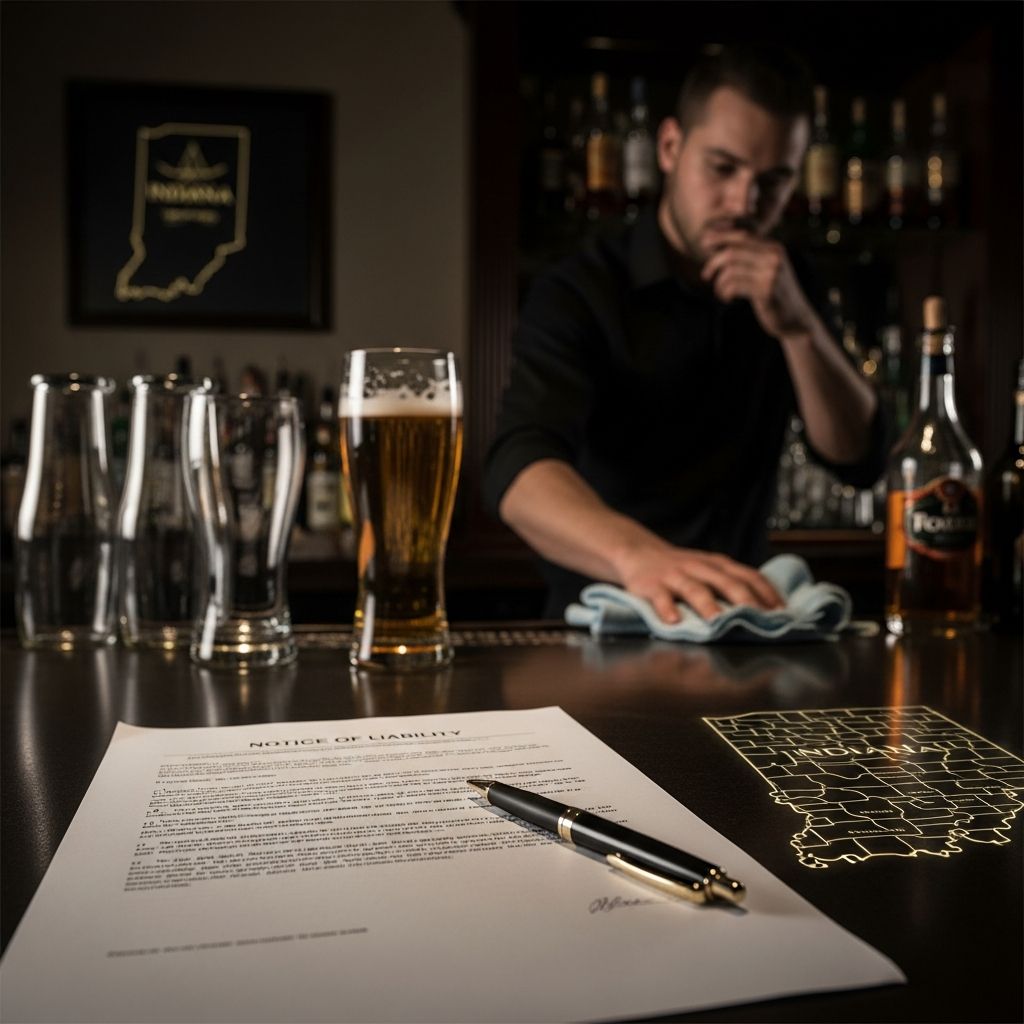
The Origins and Scope of Alcohol Service Liability
The legal concept of holding alcohol providers accountable for harm caused by intoxicated individuals traces its origins to historical drinking establishments. The term “dram shop” emerged during the 18th century when taverns and inns measured alcohol in units called drams, which were small servings equivalent to less than a standard shot. This historical terminology persists today in modern liquor liability statutes that govern the responsibilities of establishments serving alcohol.
Indiana’s approach to alcohol service liability is distinctive compared to many other states. Rather than creating separate legal frameworks for commercial establishments and private individuals, Indiana has established a unified statute that applies the same standards to both. This means that whether alcohol is served in a licensed bar, sold at a liquor store, or provided at a private residence, the underlying legal principles remain consistent.
The state statute codified in Indiana Code § 7.1-5-10-15.5 establishes a comprehensive framework addressing civil liability for anyone who furnishes alcoholic beverages under specific circumstances. This legislation reflects the state’s commitment to promoting responsible alcohol service while providing remedies for victims of alcohol-related incidents.
Defining “Furnish” and Its Legal Implications
Indiana’s statute broadly defines the action of providing alcohol using inclusive language. The term “furnish” encompasses multiple methods of alcohol provision, including:
- Selling alcohol through commercial transactions
- Delivering beverages to recipients
- Exchanging beverages for goods or services
- Providing drinks at no cost
- Giving away alcoholic beverages
This expansive definition ensures that the liability statute applies regardless of whether monetary compensation changes hands. An individual who supplies free drinks at a social gathering faces the same potential liability as a bartender who sells drinks at an establishment. This broad interpretation protects victims of alcohol-related harm by preventing alcohol providers from evading responsibility through creative service methods.
The definition’s comprehensiveness reflects legislative intent to hold accountable anyone who contributes to another person’s intoxication, irrespective of the transaction structure or commercial context.
Core Requirements for Establishing Liability
Indiana law establishes specific conditions that must be satisfied for an alcohol provider to face civil liability. These requirements create a clear standard that protects both innocent alcohol servers and victims seeking compensation.
Visible Intoxication as the First Element
The primary prerequisite for liability under Indiana’s statute requires that the person served alcohol must display visible signs of intoxication at the time the beverage is provided. This requirement means that liability does not attach simply because someone consumed alcohol; rather, the alcohol provider must have observable evidence of the drinker’s impairment.
Visible indicators of intoxication that establish this element include:
- Speech characteristics such as slurring or incoherence
- Physical coordination problems including staggering, stumbling, or balance difficulties
- Facial appearance changes such as bloodshot or glassy eyes
- Behavioral changes including aggression, inappropriate comments, or belligerence
- Extreme impairment resulting in unconsciousness or inability to function
The statute’s focus on visible intoxication establishes an objective standard rather than requiring proof of actual knowledge of impairment degree. An alcohol provider cannot escape liability by claiming ignorance when obvious physical signs of intoxication are apparent.
Proximate Causation as the Second Element
Beyond establishing that the served person was visibly intoxicated, plaintiffs must demonstrate that this intoxication directly caused the injury, death, or property damage at issue. This causation requirement means showing a direct link between the alcohol service and the resulting harm.
In practical terms, if an intoxicated person causes a motor vehicle accident, the alcohol provider’s service must have contributed to the intoxicated condition that impaired driving ability. The causation element prevents liability from attaching in situations where someone was intoxicated but the intoxication did not cause the specific harm claimed.
Application to Commercial Establishments and Private Hosts
A significant feature of Indiana’s legislative approach is the elimination of distinction between different types of alcohol providers. This unified standard applies equally across multiple contexts:
- Licensed bars and taverns serving drinks to patrons
- Restaurants with liquor service operations
- Retail liquor stores selling packaged beverages
- Convenience stores with alcohol inventories
- Private individuals hosting residential gatherings
- Event organizers at rental venues or clubs
The statute’s applicability to social hosts represents a particularly important aspect of Indiana law. A homeowner serving alcoholic beverages at a dinner party, a person providing drinks at a workplace gathering, or a host of a residential celebration faces the same legal standards and potential liability as commercial establishments. This approach ensures comprehensive protection for victims while establishing clear expectations for anyone serving alcohol in any context.
The practical effect is that social hosts cannot claim special immunity or lesser responsibilities based on the non-commercial nature of their service.
Evidence and Proof Standards in Liability Claims
Establishing liability under Indiana’s dram shop statute requires evidence demonstrating both elements described above. Potential evidence sources include:
- Eyewitness testimony describing the intoxicated person’s appearance and behavior
- Video surveillance footage from the establishment or venue showing the person’s condition and service
- Receipts or records documenting beverages served to the individual
- Statements from staff or witnesses regarding observable signs of intoxication
- Expert testimony about typical signs of intoxication levels
- Documentation of the resulting injuries or damages from the incident
The burden of proof rests with the party claiming liability, typically the victim or their representative in a civil lawsuit. Establishing visible intoxication requires showing objective, observable symptoms rather than relying solely on the amount of alcohol consumed or time spent drinking.
Limitations on Claims by Intoxicated Individuals
An important limitation in Indiana’s dram shop statute restricts the ability of intoxicated persons themselves to recover damages from alcohol providers. The statute specifically states that an adult who was intoxicated and suffered injury or death cannot file claims against the person who provided the alcohol, even if that provider violated dram shop laws.
This limitation applies to the intoxicated person, their dependents, personal representatives, or heirs attempting to recover for injuries sustained by the intoxicated individual. However, this restriction does not prevent third parties—innocent bystanders injured by the intoxicated person’s actions—from seeking compensation from the alcohol provider.
For example, if an intoxicated driver causes an accident injuring a passenger in another vehicle, the injured passenger can pursue a dram shop claim against the establishment that served the driver. However, the intoxicated driver cannot recover damages for their own injuries in the same incident.
Procedural Requirements and Time Limitations
Pursuing a dram shop claim in Indiana requires adherence to specific procedural rules and timelines. Civil actions arising from dram shop liability must be filed within two years from the date the injury occurred. This statute of limitations applies to claims against both commercial establishments and social hosts.
The two-year window begins when the injury occurs rather than when the claimant discovers the injury or identifies potential defendants. This timing requirement makes prompt investigation and legal action essential, as delaying beyond this period results in claim dismissal regardless of the claim’s merits.
Claims must be brought in the appropriate civil court system, typically through personal injury litigation procedures. Claimants must establish the elements discussed above through evidence presented during the legal proceeding.
Responsibility and Duty of Care Standards
Indiana law imposes an affirmative duty of care on all alcohol providers—both commercial and non-commercial. This duty requires that anyone serving alcohol cease providing beverages once obvious signs of intoxication become apparent.
The duty encompasses several specific obligations:
- Observing customers’ or guests’ physical and behavioral condition during service
- Recognizing visible manifestations of intoxication
- Declining to serve additional alcohol once visible intoxication is evident
- Taking reasonable steps to prevent intoxicated individuals from operating vehicles
- Implementing responsible service practices consistent with legal requirements
Failure to fulfill these duties creates potential exposure to civil liability when an intoxicated person causes harm to others. The duty is ongoing throughout the service period, meaning providers must continuously assess the condition of those consuming alcohol and adjust service accordingly.
Real-World Liability Scenarios
Understanding how Indiana’s dram shop laws apply in practical situations helps clarify the statute’s scope. Consider a scenario where a bartender serves multiple drinks to a customer who displays slurred speech and unsteady balance. The customer then leaves the establishment and causes a motor vehicle accident injuring another driver. The alcohol provider could face liability because the customer was visibly intoxicated when served, and the intoxication directly caused impaired driving leading to the accident.
In another example, a person hosting a private residential party continues refilling a guest’s drink despite noticing the guest’s aggressive behavior and difficulty walking. That guest later initiates an altercation with another guest, causing serious injury. The host could be held liable for the injured guest’s damages under the same principles, because the host furnished alcohol to a visibly intoxicated person whose intoxication caused injury.
These scenarios illustrate that Indiana’s unified approach applies consistent standards regardless of whether the alcohol provider operates a licensed establishment or serves drinks at a private residence.
Distinctions from Other States’ Approaches
Most states create separate legal standards for dram shops—licensed commercial establishments—versus social hosts—private individuals. Some states impose much stricter liability on dram shops while exempting social hosts entirely, or applying a higher threshold for social host liability.
Indiana’s distinctive approach eliminating this distinction reflects legislative policy favoring comprehensive victim protection and consistent accountability standards. This unified framework means that victim recovery opportunities do not depend on whether the responsible alcohol provider was a commercial entity or private individual.
Insurance Implications and Risk Management
Business owners serving or selling alcohol should maintain appropriate liquor liability insurance coverage given the potential exposure created by dram shop liability. This insurance protects against claims arising from the business’s service of alcohol to intoxicated individuals who subsequently cause harm.
Responsible alcohol service training and establishment policies implementing the duty of care standards discussed above help minimize liability exposure. Preventing over-service and implementing intervention procedures when intoxication becomes visible reduce both the likelihood of incidents and the establishment’s liability if incidents do occur.
Frequently Asked Questions
Q: Can someone sue an alcohol provider if they themselves were intoxicated and injured?
A: No. Indiana law specifically prohibits intoxicated individuals from recovering damages against alcohol providers, even if the provider violated dram shop liability standards. Only third parties injured by the intoxicated person’s actions can pursue claims.
Q: Does the dram shop law apply if alcohol was provided at no charge?
A: Yes. The statute’s definition of “furnish” includes providing alcohol without monetary compensation. Whether drinks are sold, given as gifts, or part of a service arrangement, the same liability standards apply.
Q: What specific signs of intoxication must be visible to establish liability?
A: Observable signs including slurred speech, staggering or balance problems, bloodshot or glassy eyes, aggressive behavior, or inability to function can establish visible intoxication. The statute does not require proof of specific blood alcohol levels, only observable impairment.
Q: How long does someone have to file a dram shop claim in Indiana?
A: Claims must be filed within two years from the date the injury occurred. This statute of limitations applies to both commercial establishment and social host liability cases.
Q: Can a social host face the same liability as a licensed bar?
A: Yes. Indiana’s unified statute applies identical liability standards to both social hosts and commercial alcohol providers. A person serving drinks at a private party faces the same potential liability as a bartender at a licensed establishment under the same circumstances.
References
- Indiana Code § 7.1-5-10-15.5 (2023) — Indiana General Assembly. 2023. https://iga.in.gov/legislative/2023/bills/senate/bill/331
- What is the Dram Shop Act in Indiana? — Truitt Law Offices. 2024. https://www.truittlawoffices.com/blog/dram-shop-act-in-indiana/
- What is the Indiana Dram Shop Statute? — Keffer Hirschauer LLP. 2024. https://www.indyjustice.com/blog/personal-injury/indiana-dram-shop-statute/
- Dram Shop Laws — Wilson Kehoe Winingham Injury Lawyers. 2024. https://www.wkw.com/blog/dram-shop-laws/
- What Is Indiana’s Dram Shop Law and Liability — Langer and Langer. 2024. https://www.langerandlanger.com/blog/what-you-should-know-about-indiana-dram-shop-law/
Similar Articles








Read full bio of medha deb


