
Alabama Liquor Liability: Dram Shop and Host Rules
Understanding Alabama's laws on alcohol service liability for bars, hosts, and accident victims seeking justice.
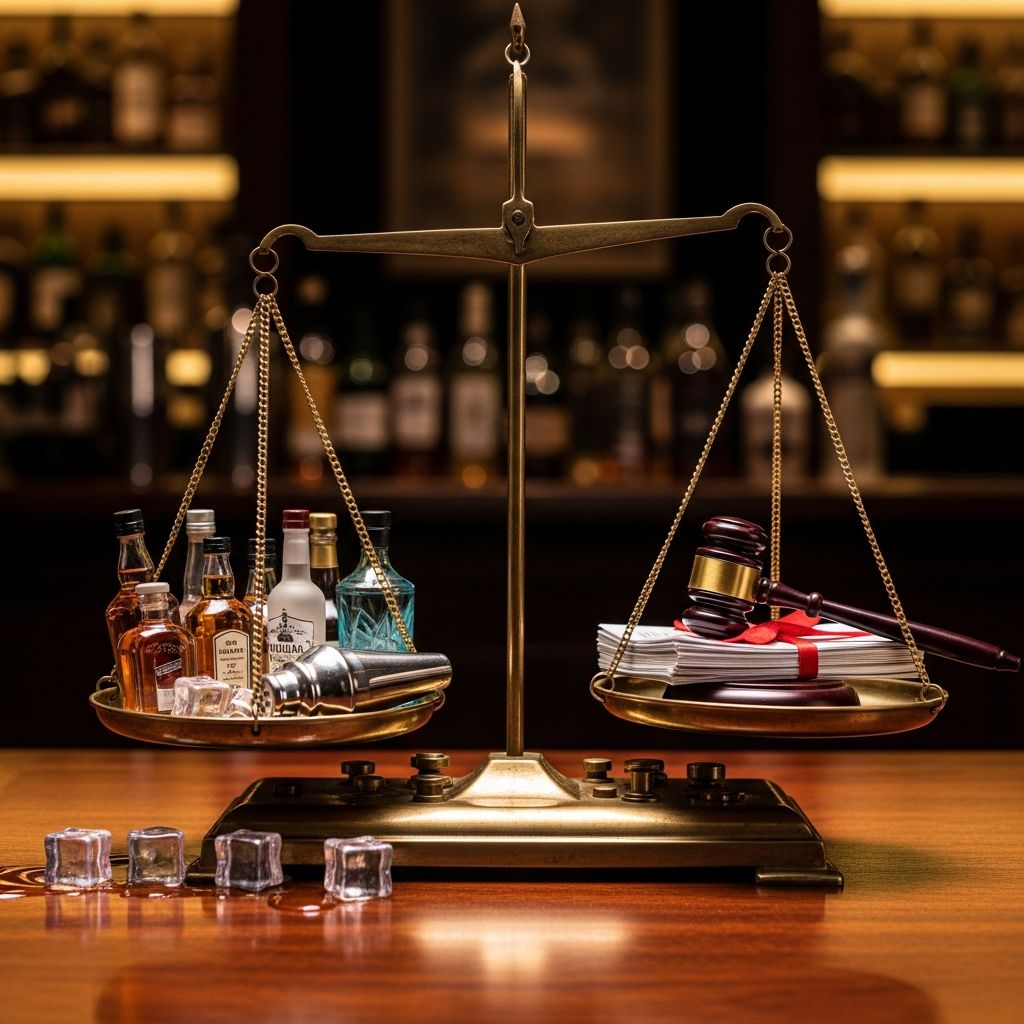
Alabama maintains specific statutes governing liability for alcohol service that leads to injuries or fatalities, primarily through its dram shop provisions and limited social host doctrines. These rules target commercial sellers and, in select scenarios, private individuals who provide alcohol irresponsibly.
Historical Context and Evolution of Alabama’s Alcohol Regulations
Alcohol liability laws in Alabama trace back over a century, with the foundational dram shop statute originating in 1909 to curb irresponsible serving practices by public establishments. Initially designed to impose accountability on taverns and bars, the law evolved through amendments, culminating in major reforms in 2023 via Act No. 2023-25, signed by Governor Kay Ivey.
These updates shifted from stricter standards to a more balanced approach, requiring proof of knowledge regarding a patron’s visible intoxication and establishing clearer causation links. The changes aimed to enhance insurance availability for businesses while preserving victim recourse options.
Prior to 2023, establishments faced broader exposure, but the revised framework demands evidence that servers knowingly provided alcohol to those showing obvious impairment signs, such as unsteady gait or slurred speech.
Core Principles of Dram Shop Liability in Alabama
Dram shop liability, enshrined in Alabama Code § 6-5-71, holds certain providers accountable for harms stemming from alcohol furnished illegally or recklessly. This applies broadly to “any person” engaging in prohibited sales or service, though most claims target licensed retailers like bars, restaurants, and liquor outlets.
The statute delineates two primary claimant categories: innocent third parties injured by the intoxicated individual, and their dependents in fatality cases. Notably, the intoxicated person themselves cannot pursue claims against the provider.
Key Elements Plaintiffs Must Establish
To prevail, plaintiffs need to demonstrate several interconnected factors based on circumstances at service time:
- Prohibited Alcohol Provision: Sale or furnishing in violation of state law, often to visibly impaired adults or any minors.
- Knowledge of Intoxication: Post-2023, servers must have knowingly served someone exhibiting clear intoxication signs.
- Proximate Causation: The specific alcohol serving must directly and foreseeably cause the injury, barring speculative links.
- Damages Incurred: Quantifiable losses including medical expenses, wage loss, and suffering.
Courts evaluate the “totality of circumstances,” incorporating witness accounts, surveillance, and expert analyses of blood alcohol levels.
Who Qualifies as a Liable Party Under Dram Shop Rules?
Liability extends to owners, operators, and staff of alcohol-licensed venues. This encompasses not just traditional bars but also restaurants, clubs, convenience stores, and grocery outlets selling packaged liquor.
| Venue Type | Common Liability Scenarios | Insurance Requirements |
|---|---|---|
| Bars/Nightclubs | Serving visibly drunk patrons leading to DUIs or fights | Mandatory coverage post-reforms |
| Restaurants | Overserving before off-site accidents | Capped for small businesses |
| Liquor Stores | Selling to minors or intoxicated buyers | Applies to packaged sales |
| Convenience Stores | Beer sales to impaired individuals | Standard vendor rules |
Businesses must carry specialized insurance, with 2023 reforms expanding provider options and reducing premiums from highs like $35,000 annually.
Social Host Liability: Private Parties and Alcohol Provision
Unlike commercial dram shop rules, Alabama common law generally shields social hosts—private individuals hosting gatherings—from liability for guest injuries. No broad statute equates hosts with vendors.
Exceptions arise in narrow cases:
- Minors: Furnishing alcohol to those under 21 violates separate statutes, potentially triggering civil claims.
- Illegal Acts: Knowingly supplying to extremely impaired guests who then harm others, though causation hurdles remain high.
- Property Owners: Premises liability if negligence on the property contributes to accidents.
Hosts avoid vendor status since they lack profit motives and licenses, distinguishing them from bars.
Types of Incidents Covered by These Laws
Beyond drunk driving crashes—the most frequent trigger—liability spans various harms:
- Traffic collisions causing injury or death
- On-premises assaults or brawls
- Alcohol poisoning fatalities
- Premises slips from spills or fights
- Off-site sexual assaults by overserved individuals
Each requires linking the service to the outcome via evidence like timestamps on tabs or videos.
Potential Compensation and Damage Caps
Successful claimants may recover economic damages (bills, lost income) and non-economic (pain, emotional distress). Punitive awards punish egregious conduct, capped at 3x compensatory or $1.5M, lower for small businesses ($50K or 10% net worth).
Damages Overview Table
| Damage Type | Examples | Caps/Notes |
|---|---|---|
| Economic | Medical, wages, property repair | No cap |
| Non-Economic | Pain, suffering, loss of consortium | Unspecified limits |
| Punitive | Reckless service | $1.5M max; reduced for small biz |
Statute of Limitations and Filing Deadlines
Claims must commence within two years from injury or discovery, applicable to both dram shop and related actions. Delays risk evidence loss like footage or witnesses.
Early consultation preserves rights; tolling may apply for minors or concealed facts.
evidentiary Strategies in Dram Shop Claims
Victims bolster cases with:
- Eyewitness descriptions of behavior
- Security videos capturing service
- BAC reconstructions via experts
- Credit card receipts/timestamps
- Staff admissions or training records
Post-2023, establishing server knowledge and non-speculative causation proves pivotal.
Business Defenses and Risk Mitigation
Defendants counter with:
- Comparative Fault: Victim or driver’s contribution reduces awards.
- No Visible Signs: Patron appeared sober
- Intervening Causes: Post-departure events break chains
Venues mitigate via staff training, ID checks, refusal policies, and cab services.
Frequently Asked Questions
Can I sue a bar if a drunk driver hits me in Alabama?
Yes, if you prove the bar knowingly served the visibly intoxicated driver, causing your injuries under § 6-5-71.
Does Alabama hold house party hosts liable for guest DUIs?
Generally no for adults, but yes for minors or egregious negligence.
What proves ‘visible intoxication’ in court?
Slurred speech, stumbling, bloodshot eyes, via testimony or video.
Is there a time limit for dram shop lawsuits?
Two years from the incident.
Do alcohol sellers need special insurance?
Yes, required with expanded options since 2023.
Navigating Claims: Next Steps for Victims
Secure evidence promptly, notify insurers, and engage counsel experienced in liquor liability. Investigations reveal service details, strengthening negotiations or trials.
Alabama’s framework balances deterrence with fairness, urging responsibility across providers.
References
- Alabama Dram Shop Laws and Social Host Liability Rules — Nolo. 2024. https://www.nolo.com/legal-encyclopedia/dram-shop-laws-social-host-liability-alcohol-related-accidents-alabama.html
- A Brief Breakdown of Alabama’s New Dramshop Law — Maron Marvel. 2023-04-19. https://www.maronmarvel.com/a-brief-breakdown-of-alabamas-new-dramshop-law/
- What Is the Alabama Dram Shop Law? — Fob James Law Firm. Accessed 2026. https://callfob.com/blog/alabama-dram-shop-act/
- What is the Alabama Dram Shop Act — Gartlan Injury Law. Accessed 2026. https://www.gartlaninjurylaw.com/blog/alabama-dram-shop-law/
- Understanding Dram Shop Liability When A Drunk Driver Hits You — MRB Lawyers. Accessed 2026. https://www.mrblaw.com/understanding-dram-shop-liability-when-a-drunk-driver-hits-you/
- The Aftermath of a Liquor-Related Accident: Navigating Dram Shop Liability — Tobias Comer Law. Accessed 2026. https://www.tobiascomerlaw.com/the-aftermath-of-a-liquor-related-accident-navigating-dram-shop-liability/
- Alabama’s Dram Shop Laws and How They Affect Personal Injury Cases — Vance Law Firm. Accessed 2026. https://www.vancelawfirm.com/blog/alabamas-dram-shop-laws-and-how-they-affect-personal-injury-cases/
- Alabama Code § 6-5-71 (2024) — Justia. 2024. https://law.justia.com/codes/alabama/title-6/chapter-5/article-6/section-6-5-71/
Similar Articles








Read full bio of Sneha Tete


