
Alabama Child Confinement Lawsuit Explained
Unpacking the federal lawsuit against Alabama DHR over child confinement.
n n
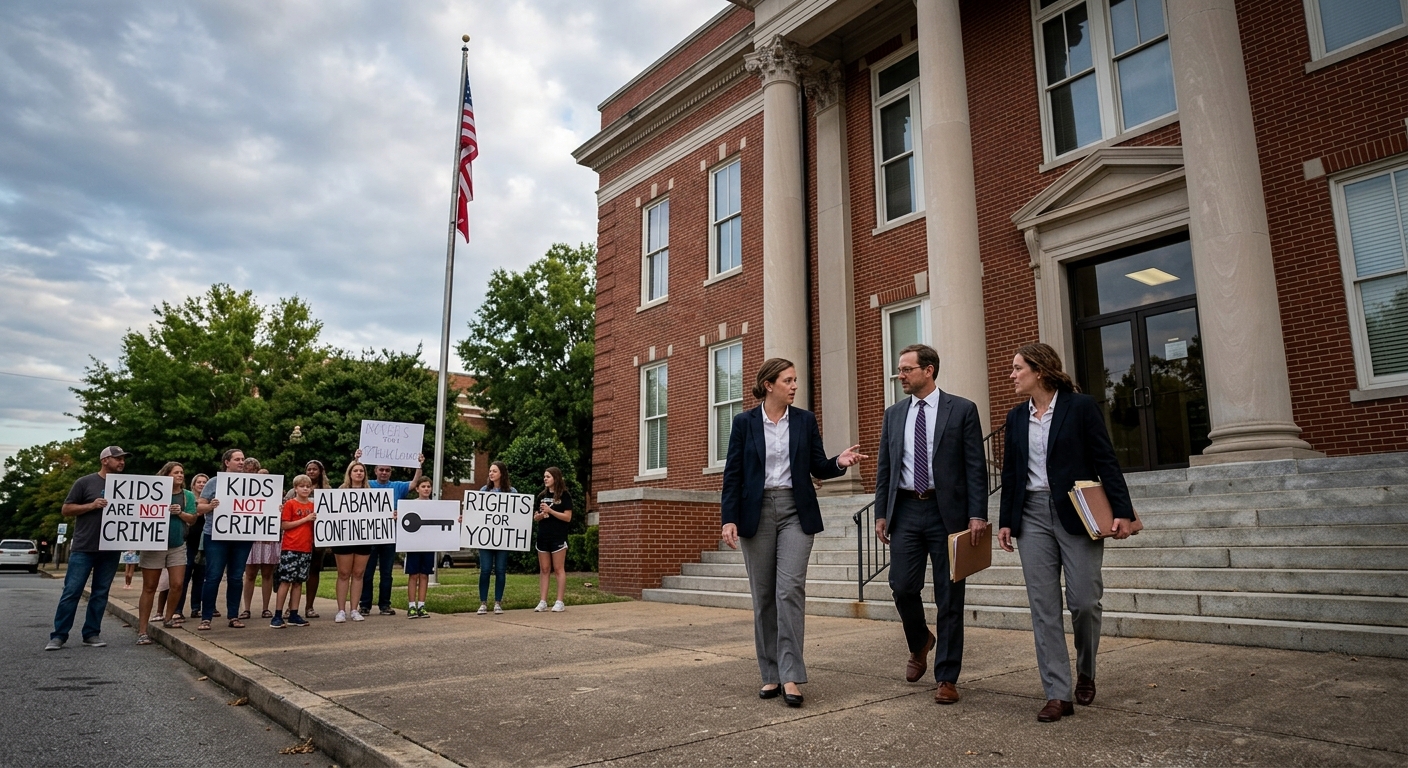
The foster care system is designed to provide a safe haven for children who have experienced trauma, abuse, or neglect. However, for many youths living with mental health disabilities in Alabama, the system has allegedly transformed into a pipeline to unnecessary institutionalization. A landmark federal class-action lawsuit, known formally as A.A. v. Buckner, has thrust the Alabama Department of Human Resources (DHR) into the national spotlight. Filed by a coalition of prominent civil rights organizations, the litigation accuses the state agency of violating federal law by routinely confining foster children in highly restrictive Psychiatric Residential Treatment Facilities (PRTFs) when they could be adequately supported in community-based or family settings.
n
This legal confrontation highlights a critical intersection between child welfare operations and disability rights. By over-relying on institutional care, advocates argue that Alabama is denying vulnerable youths their fundamental right to grow up in a loving home, participate in normal adolescent activities, and integrate into society. The allegations bring forward harrowing accounts of teenagers isolated from peers, subjected to rigid environments, and cut off from the very communities they need to heal. This comprehensive overview delves into the core arguments of the lawsuit, the realities of life inside PRTFs, the broader implications for the child welfare system, and the recent settlement designed to dismantle these institutional pipelines.
nn
The Reality of Psychiatric Residential Treatment Facilities (PRTFs)
n
What Are PRTFs?
n
To understand the gravity of the allegations against the Alabama Department of Human Resources, one must first understand what Psychiatric Residential Treatment Facilities are and how they operate. PRTFs are non-hospital clinical institutions that provide inpatient psychiatric care to individuals under the age of 21. Originally designed as short-term, intensive intervention centers for youths experiencing acute mental health crises, these facilities are intended to stabilize patients before safely transitioning them back into less restrictive community settings.
nn
The Reality Behind the Walls
n
However, the lawsuit alleges that for many children in Alabama’s foster care system, PRTFs have become long-term holding zones rather than temporary treatment centers. The reality behind the walls of these institutions often stands in stark contrast to the nurturing environment necessary for childhood development. Life inside a PRTF is heavily regulated and isolated. Children placed in these congregate care settings are typically removed from their local public schools and receive their education on-site, a practice that civil rights groups argue severely limits their academic and social growth.
n
Furthermore, these facilities have a deeply troubling track record. Investigations into several PRTFs operating within the state have revealed patterns of substandard living conditions, lack of therapeutic support, and, in some extreme cases, alleged physical and emotional abuse. When children are confined in environments characterized by physical restraint and extreme isolation, their existing trauma is often compounded. Instead of receiving the individualized mental health support they desperately need, they are subjected to an atmosphere that stunts their emotional and social development. By keeping youths in these environments longer than medically necessary, the system fails its most essential mandate.
nn
Core Allegations in the Federal Lawsuit
n
Violations of the Americans with Disabilities Act
n
The legal foundation of the lawsuit against the Alabama DHR rests heavily on the Americans with Disabilities Act (ADA), specifically its ”integration mandate.” According to the landmark 1999 Supreme Court decision in Olmstead v. L.C., public agencies are legally obligated to provide services to individuals with disabilities in the most integrated setting appropriate to their needs. Unjustified institutional isolation of persons with disabilities is recognized as a form of discrimination under Title II of the ADA.
n n
The Impact on Vulnerable Foster Youth
n
The plaintiffs in the Alabama case assert that DHR has systematically violated this federal mandate. The lawsuit contends that many foster youths currently languishing in PRTFs are fully capable of living in community-based settings, such as therapeutic foster homes, provided they are given appropriate outpatient mental health and wrap-around services. The complaint highlights the stories of youths who, despite recommendations from medical professionals for step-down care, remain trapped in institutional settings simply because the state has failed to cultivate adequate community resources.
n
For instance, the legal filings outline the experiences of anonymous plaintiffs like ”A.A.” and ”C.C.,” teenagers who have spent years cycling through various PRTFs. Their stories illustrate a tragic denial of basic adolescent experiences. Because of their prolonged institutionalization, these children are unable to join local sports teams, attend prom, participate in school clubs, or simply spend a weekend at the movies with friends. The lawsuit argues that this systematic segregation not only violates the ADA but also inflicts irreversible harm on the psychological well-being of the youth.
nn
Systemic Flaws in Child Welfare Resource Allocation
n
Overreliance on Institutionalization
n
A central theme in the litigation is the structural and financial framework of Alabama’s child welfare system. The overreliance on institutionalization is rarely the result of a single policy but rather a symptom of systemic resource allocation failures. In Alabama, as in many states, building and maintaining a robust network of community-based mental health services requires significant investment, continuous training, and complex logistical coordination. It demands recruiting specialized therapeutic foster parents, deploying mobile crisis teams, and ensuring that localized clinical support is available around the clock.
n n
The Administrative Bottleneck
n
Faced with the daunting task of developing these community infrastructures, agencies often default to the path of least resistance: contracting with private, congregate-care providers. PRTFs offer a centralized, seemingly simpler solution for caseworkers overwhelmed by high caseloads and limited community options. However, this administrative convenience comes at a devastating cost to the children.
n
This systemic bottleneck means that even when a PRTF determines a child is ready to be discharged, there is nowhere for them to go. Without a sufficient pool of highly trained foster families or comprehensive community support networks, caseworkers are forced to leave children in institutions. The lawsuit demands a paradigm shift, urging the state to redirect its funding and administrative efforts away from maintaining institutional beds and toward expanding grassroots, community-level care networks.
nn
The 2025 Settlement Agreement: A Blueprint for Change
n
Key Settlement Provisions
n
After years of intense litigation, a critical turning point arrived in December 2025 when the plaintiffs and the state of Alabama reached a preliminary settlement agreement. This comprehensive resolution outlines a transformative roadmap for the state’s child welfare operations, shifting the focus from institutional confinement to family-centric care.
n
- n
- Standardized Assessments: The state must secure clear physician certification of medical necessity in 95 percent of cases before a child can be placed in a PRTF.
- Congregate Care Caps: The settlement mandates a strict cap, requiring that no more than 7 percent of children in state custody be placed in group facilities at any given time.
- Quality Reviews: Individualized Service Plans for foster youth will undergo rigorous six-month quality reviews to ensure they meet professional clinical standards.
n
n
n
n n
What This Means for Alabama’s Future
n
To support this dramatic reduction in institutional care, the Alabama DHR is obligated to massively expand its community-based placement options, including kinship care and therapeutic foster homes. This proactive monitoring is designed to prevent children from slipping through the cracks and languishing in facilities long after they have stabilized. For advocates, this settlement represents a monumental victory, signaling an end to the state’s reliance on large-scale institutionalization.
nn
The Importance of Therapeutic Foster Care
n
A major component of transitioning away from PRTFs is the expansion of Therapeutic Foster Care (TFC). Unlike traditional foster care, TFC involves placing children with significant mental, emotional, or behavioral needs in private homes with specially trained foster parents. These caregivers receive extensive education on trauma-informed practices, de-escalation techniques, and behavioral management.
n n
| Aspect | Psychiatric Residential Treatment Facilities (PRTFs) | Therapeutic Foster Care (TFC) |
|---|---|---|
| Environment | Highly rigid, congregate setting, often isolated from local communities. | Private, family-style home integrated into local neighborhoods. |
| Education | Often provided on-site, isolated from peers in general education. | Children attend local public schools and interact with community peers. |
| Social Integration | Strict limitations on leaving the facility or joining community activities. | Encouraged to participate in local sports, clubs, and adolescent experiences. |
| Clinical Support | Inpatient psychiatric staff and heavy reliance on structured monitoring. | Outpatient therapy, wrap-around services, and mobile crisis teams delivered to the home. |
nn
The benefits of TFC over institutional care are well-documented. Children in TFC benefit from the consistency, warmth, and individualized attention of a family environment while still receiving intensive clinical interventions. Integrating a child into a standard school district allows them to build a localized support system with teachers, coaches, and peers, creating a safety net critical for transitioning into adulthood.
nn
National Implications for Foster Care and Disability Rights
n
The legal battle in Alabama is not occurring in a vacuum; it serves as a powerful microcosm of a nationwide crisis. Across the United States, child welfare systems grapple with similar shortages of community-based mental health resources and an overreliance on congregate care. The A.A. v. Buckner lawsuit, culminating in the 2025 settlement, sets a powerful legal precedent that advocacy groups can leverage in other jurisdictions.
n
By successfully utilizing the ADA’s integration mandate to challenge the foster care system, civil rights attorneys have established a replicable blueprint for holding state agencies accountable. State child welfare departments nationwide are now on notice: failing to provide adequate community-based mental health services and defaulting to institutionalization is not merely bad practice—it is a violation of federal civil rights law. This case is expected to accelerate a national shift toward deinstitutionalization, ensuring that all foster children, regardless of their mental health status, are afforded the dignity of a family and a community.
nn
Frequently Asked Questions (FAQs)
n
What is the core issue in the lawsuit against the Alabama Department of Human Resources?
n
The lawsuit, A.A. v. Buckner, alleges that the Alabama DHR systematically violates the Americans with Disabilities Act by unnecessarily confining foster children with mental health disabilities in restrictive Psychiatric Residential Treatment Facilities (PRTFs) rather than providing them with appropriate community-based care and therapeutic foster homes.
nn
What is a Psychiatric Residential Treatment Facility (PRTF)?
n
A PRTF is a non-hospital institutional setting that provides inpatient psychiatric services to individuals under the age of 21. While meant for short-term crisis stabilization, lawsuits and investigations have shown that foster children often languish in these facilities for years, separated from traditional schools, peer groups, and community life.
nn
How does the Americans with Disabilities Act protect children in foster care?
n
Title II of the ADA, reinforced by the Supreme Court’s landmark Olmstead decision, requires public entities to administer their services in the most integrated setting appropriate to an individual’s needs. For foster youth, this means they cannot be unjustifiably segregated in isolated institutions if they are capable of living safely in a family or community setting with the right support services.
nn
What were the key terms of the December 2025 settlement agreement?
n
The preliminary settlement requires the state of Alabama to strictly limit its reliance on congregate care, capping it at no more than 7 percent of children in state custody. It also mandates standardized physician assessments prior to PRTF placement, the massive expansion of therapeutic foster care, and rigorous six-month quality reviews of children’s care plans to prevent unnecessary long-term institutionalization.
nn
Why is community-based care considered better than institutionalization?
n
Community-based care, such as Therapeutic Foster Care (TFC), allows children to grow up in a nurturing family environment, attend local schools, and participate in normal adolescent activities. Research consistently demonstrates that family settings promote better emotional and psychological healing, reducing the compounded trauma often associated with the rigid and isolating environments of congregate care facilities.
n
nn
References
n
- n
- A.A. v. Buckner Case Summary — Children’s Rights. 2025-12-19. https://www.childrensrights.org/a-a-v-buckner/
- Letter of Findings – Alabama Trauma Foster Care — United States Department of Justice, Civil Rights Division. 2022-10-12. https://www.justice.gov/crt/case-document/file/1562211/download
- Title II of the Americans with Disabilities Act — United States Department of Justice. 2010-09-15. https://www.ada.gov/law-and-regulations/title-ii-2010-regulations/
- Federal Settlement To End Alabama’s Illegal Institutionalization Of Children With Disabilities — Southern Poverty Law Center. 2025-12-19. https://www.splcenter.org/news/2025/12/19/federal-settlement-end-alabamas-illegal-institutionalization-children-disabilities
n
n
n
n
n
n
n
Similar Articles








Read full bio of Sneha Tete




