
Acting Skills: The Secret Weapon for Lawyers
Discover how acting training transforms lawyers into masterful communicators, boosting courtroom success and client connections.
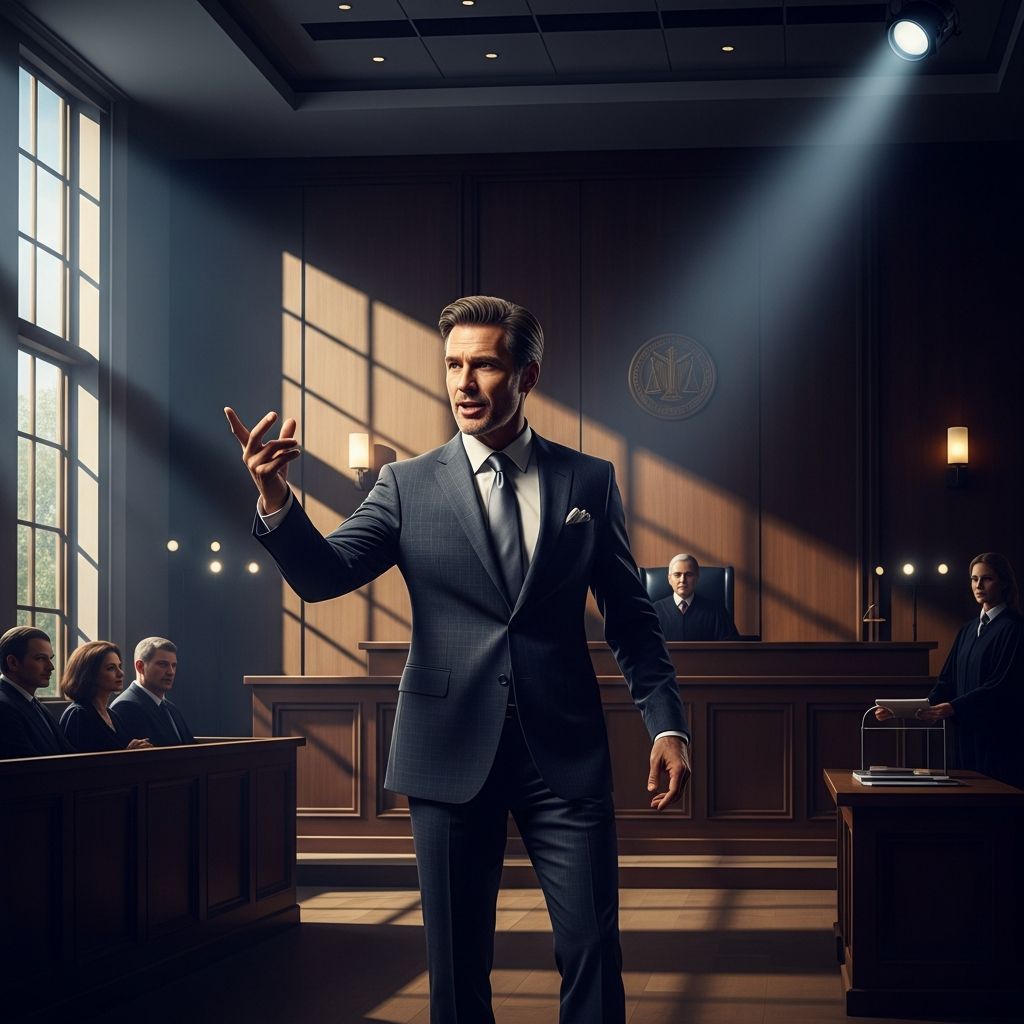
Lawyers often excel in legal analysis and argumentation, but courtroom success hinges on delivery. Acting training equips attorneys with tools to captivate judges, juries, and clients through authentic expression, dynamic presence, and adaptive communication.
Why Performance Matters in Legal Practice
The legal profession demands more than knowledge of statutes; it requires compelling storytelling and emotional resonance. In high-stakes trials, a lawyer’s ability to convey conviction can sway outcomes. Acting classes bridge the gap between legal preparation and persuasive performance, teaching attorneys to embody their arguments.
Traditional law school curricula emphasize doctrine and briefs, often neglecting the performative aspects of advocacy. Yet, trials resemble theater: a stage, audience, and narrative arc. Lawyers who harness acting principles report greater jury engagement and verdict success.
- Authentic Delivery: Audiences detect insincerity; acting fosters genuine emotional connection.
- Adaptive Response: Unexpected objections or witness hesitations demand real-time pivots, akin to improv.
- Visual Impact: Non-verbal cues account for over half of communication, per communication studies.
Core Acting Techniques Tailored for Attorneys
Acting workshops for lawyers focus on practical skills like voice modulation, gesture control, and spatial awareness. These elements create a commanding presence without overt dramatics.
| Technique | Legal Application | Benefit |
|---|---|---|
| Voice Projection | Opening Statements | Commands attention, conveys authority |
| Body Language | Witness Examination | Builds trust, underscores points |
| Improvisation | Cross-Examination | Handles surprises fluidly |
| Story Visualization | Closing Arguments | Immerses jury in narrative |
Voice training eliminates filler words like ‘um’ and varies pitch for emphasis, preventing monotone delivery that bores juries. Body language workshops address defensive postures, teaching open stances that signal confidence.
Improvisation: Mastering the Unexpected in Court
Improv classes shine in preparing lawyers for trial unpredictability. Participants practice ‘yes, and’—building on partners’ ideas without negation—mirroring collaborative storytelling in closings or negotiations.
One key lesson: staying present. Lawyers learn to scan the room, noting juror reactions like disengagement, then adjust pace or inject energy. This mirrors real trials where a dozing juror signals the need for vocal shifts or props.
- Quick thinking under pressure.
- Enhanced listening to opponents and witnesses.
- Spontaneous narrative development.
Professionals note improv reduces anxiety, fostering enjoyment in high-pressure settings. It’s not about humor but agility.
Building Emotional Intelligence Through Method Acting
Method acting, drawing from personal experiences to portray characters authentically, translates to empathy in law. Lawyers connect with clients’ traumas or motivations, conveying them vividly to fact-finders.
In practice, this means ‘feeling’ a client’s story during testimony prep, ensuring witnesses appear credible. Attorneys overcome introversion, embracing vulnerability to humanize cases.
Workshops emphasize rehearsal: memorizing outlines, not scripts, to maintain eye contact. This ‘off-book’ approach builds natural flow, replacing rote reading with engaging dialogue.
Real-World Impact: Testimonials from Legal Pros
Veteran litigators credit acting with career breakthroughs. A Florida trial lawyer, blending 30+ years in acting and law, teaches scene-based case structuring—envisioning trials as film sequences for dramatic tension.
Acting honed my ability to trigger juror imagination, distinguishing scripted facts from lived stories.
Coaches report clients winning presidencies or trials through aligned voice-body messaging, revealed via video analysis. Props and visuals, used strategically, combat boredom like stage directors.
Integrating Acting into Law Firm Culture
Beyond individuals, firms benefit from group improv for team dynamics, negotiation simulations, and client pitches. Public speaking improves across depositions, mediations, and boardrooms.
Cost-effective classes yield high ROI: better settlements, fewer losses, stronger referrals. Business development thrives as lawyers pitch with charisma.
- Client retention via relatable communication.
- Networking at events with poised presence.
- Internal training for junior associates.
Overcoming Skepticism: Acting Isn’t ‘Pretending’
Critics view acting as frivolous, but it’s disciplined craft enhancing truth-telling. Lawyers aren’t feigning; they’re amplifying reality for impact.
Focus groups test narratives, refining like script edits. This data-driven approach ensures emotional resonance over logic alone.
Frequently Asked Questions (FAQs)
What specific acting classes suit lawyers?
Targeted workshops use theater exercises, improv, and vocal training for courtroom scenarios. Look for coaches with legal experience.
How long until I see results?
Many notice improvements after 4-6 sessions; consistent practice accelerates gains in presence and adaptability.
Is this useful for non-litigators?
Yes—transactional lawyers benefit in negotiations, pitches, and client counseling through clearer, more persuasive communication.
Can introverts succeed with this training?
Absolutely; classes build from comfort zones, transforming shyness into confident engagement.
What’s the cost and format?
Private sessions start at $200/hour; group classes $50-100/session. Virtual or in-person options available.
Getting Started: Practical Steps for Lawyers
Begin with local acting schools offering professional tracks or online improv via platforms like those from certified coaches. Videotape mock arguments for self-review.
Commit to weekly practice: mirror work for gestures, recordings for voice. Pair with focus groups for holistic refinement.
Ultimately, acting elevates lawyers from advocates to storytellers, turning legal battles into narratives juries remember.
References
- Acting Classes for Lawyers — Michelle Danner Los Angeles Acting School. 2023. https://www.michelledanner.com/acting-classes-lawyers/
- Why Lawyers Need Acting or Improv Class — Move Forward Coaching. 2022-10-15. https://moveforwardpdx.com/why-lawyers-need-acting-or-improv-class/
- TV-star-turned-lawyer offers 10 acting tips for trial lawyers — ABA Journal. 2018-05-01. https://www.abajournal.com/voice/article/all-the-courts-are-a-stage-tv-star-turned-lawyer-offers-trial-lawyers-some-acting-tips
- Lawyer Training — Rachel Bailit Teaching. 2024. https://www.rachelbailitteaching.com/lawyer-training
- The Acting Attorney — Harry Zimmerman. 2023. https://theactingattorney.com
Similar Articles








Read full bio of Sneha Tete




