
ACH Authorizations and Payday Loans Explained
Learn how ACH authorizations work with payday loans, the risks they pose, and steps to protect your bank account.
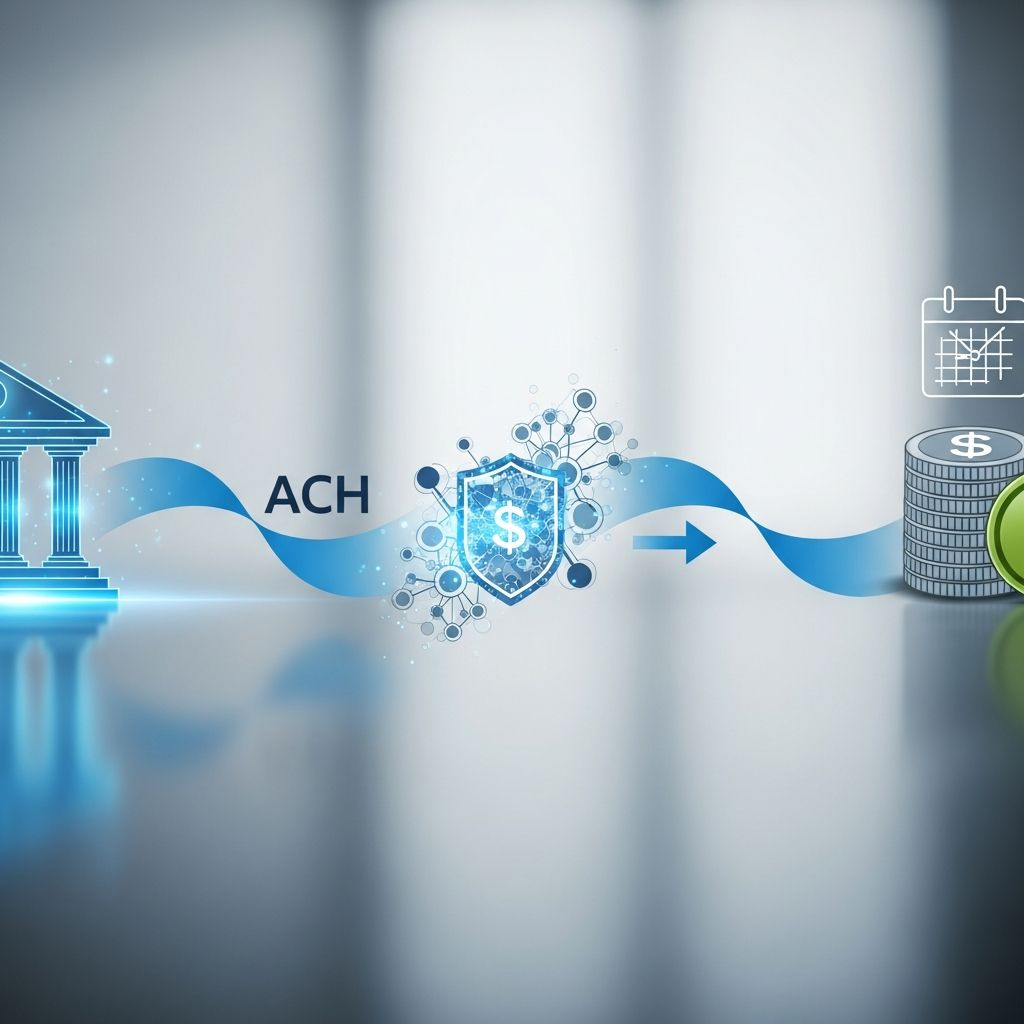
Understanding ACH Authorizations in Payday Lending
Many payday and other high-cost lenders ask borrowers to sign a document that gives the lender permission to take payments electronically from a checking account. That document is typically an ACH authorization, and it can significantly affect your control over your money if you do not understand what you are agreeing to.
This guide explains how ACH authorizations work, why payday lenders use them, what risks they create, and the practical steps you can take to protect your bank account and exercise your rights.
What Is ACH and How Does It Work?
The term ACH stands for Automated Clearing House, a nationwide electronic payment network that moves money between bank and credit union accounts in the United States.
Through the ACH system, institutions can send both:
- ACH credits – money pushed into your account (for example, direct deposit of wages, government benefits, or tax refunds).
- ACH debits – money pulled out of your account (for example, mortgage payments, utility bills, or insurance premiums).
The ACH network is overseen by Nacha, a rulemaking body that sets operating rules for banks and payment processors that use ACH transfers.
What Is an ACH Authorization?
An ACH authorization is a written, electronic, or recorded agreement that allows a company or individual to initiate ACH transfers to or from your bank account. In practice, most consumers encounter these authorizations when they:
- Sign up for direct debit of bills (such as utilities or insurance)
- Agree to automatic loan payments
- Allow a business to pull funds for subscriptions or recurring services
When you sign an ACH authorization for a payday loan, you are allowing the lender to initiate one or more electronic debits from your account to collect what you owe.
Typical Information in an ACH Authorization
Though formats vary, an ACH authorization for loan repayment commonly includes:
- Your name and contact details
- Your bank’s name and routing number
- Your account number
- Whether the transfer is a debit (the lender takes money) or a credit
- Whether payments are one-time or recurring (for example, every payday)
- The amount or how the amount will be calculated
- The date or timing of each withdrawal
- Your signature or an equivalent electronic/recorded consent
Why Payday Lenders Rely on ACH Authorizations
Payday loans are typically short-term, high-cost loans due on your next payday. Many lenders now use ACH debits as their primary collection method rather than waiting for you to come into a storefront or mail a payment.
Lenders favor ACH authorizations because they:
- Get direct access to your bank account
- Can attempt payment the moment your paycheck is expected
- May try multiple withdrawals if the first attempt fails
- Reduce the lender’s collection costs and reliance on paper checks
For borrowers, the convenience of automatic payments can be outweighed by the loss of control and the risk of repeated debit attempts, especially if money in the account is limited.
How ACH Debits for Payday Loans Are Processed
When a payday lender uses an ACH authorization to collect payment, several participants are involved in the transaction.
| Participant | Role in ACH Payday Loan Payment |
|---|---|
| Lender (Originator) | Submits ACH debit instructions to pull funds from your bank account. |
| Lender’s Bank (ODFI) | Sends the batch of ACH debits into the ACH network on behalf of the lender. |
| ACH Operator | Routes the payment file to your bank, and manages clearing and settlement between banks. |
| Your Bank (RDFI) | Receives the debit request and either posts it to your account or returns it if funds are insufficient or the debit is unauthorized. |
| You (Account Holder) | Authorized the lender to initiate debits, or may later dispute them if they are unauthorized or erroneous. |
Key Risks of Granting ACH Access for Payday Loans
Allowing any lender electronic access to your bank account has consequences. With payday loans, these risks can be especially serious because of the high fees, short repayment period, and the potential for repeated debit attempts.
1. Multiple Debit Attempts and Overdraft Fees
If your account does not have enough money when the lender tries to collect, they may:
- Submit the same debit again, sometimes multiple times
- Break the total amount into several smaller debits to see if any will go through
Each attempt can trigger non-sufficient funds (NSF) fees or overdraft fees from your bank, costing you additional money even though no payment is successfully made.
2. Loss of Control Over Payment Timing
By authorizing ACH debits, you give the lender the power to decide exactly when to attempt withdrawals within the schedule described in the agreement. If your income is irregular, or you face other urgent expenses (such as rent or utilities), the lender’s debit might reach your account before you can prioritize what to pay.
3. Difficulty Covering Essential Expenses
A large payday loan debit can quickly drain your account balance. If that happens:
- You may not have enough left for necessities like food, housing, or medical expenses
- Returned debits and overdrafts can compound your financial stress
- You may feel pressured to take another payday loan, trapping you in a cycle of debt
4. Exposure to Potentially Unauthorized or Excess Debits
Although ACH rules require clear authorization, problems can still arise if:
- The lender debits more than you agreed to
- Debits continue after you believe the loan has been paid off
- The lender changes the payment schedule without your consent
In those situations, you may have rights to dispute and reverse unauthorized transfers under federal law.
Your Legal Protections for ACH Loan Payments
Electronic transfers from your consumer bank account, including ACH debits for payday loans, are generally covered by the Electronic Fund Transfer Act (EFTA) and its implementing regulation, Regulation E, enforced by the Federal Reserve and the Consumer Financial Protection Bureau.
Among other things, these rules typically provide:
- The right to receive information about the terms of electronic fund transfers
- Restrictions on using preauthorized debits as a condition of receiving certain types of credit
- Procedures to dispute unauthorized or incorrect transfers if you notify your bank promptly
The exact steps and deadlines can vary by situation, but acting quickly is essential to preserve your protections.
How to Cancel or Revoke an ACH Authorization
If you decide that a payday lender should no longer have access to your account, there are usually two separate but related actions you may consider:
1. Revoking Authorization with the Lender
You can typically tell the lender—preferably in writing—that you are withdrawing permission for future ACH debits. This may be called:
- Revoking authorization
- Canceling automatic payments
- Stopping electronic access to your account
Revoking authorization does not erase the loan, but it tells the lender they no longer have your consent to take money electronically.
2. Placing a Stop Payment Order with Your Bank
Even if you revoke authorization with the lender, you may also need to work with your bank to prevent further ACH debits. Under federal law, consumers can generally give their bank a stop payment order for future preauthorized transfers if done within required time frames.
Ask your bank:
- How to submit a stop payment order (in writing, online, or by phone)
- How long the order remains in effect
- Whether there are any fees for stop payments
In extreme cases—such as persistent, unauthorized debits—some consumers choose to close the affected account and open a new one. If you consider doing this, coordinate with your bank to move legitimate direct deposits and payments safely.
Best Practices Before Signing an ACH Authorization
Before you sign any ACH authorization for a payday or installment loan, take time to:
- Read the full document – Look for payment amounts, dates, and how often debits will occur.
- Check whether payments are fixed or variable – Understand if the lender can change the amount and what triggers increases.
- Confirm how to cancel – Look for instructions on revoking authorization and any notice period.
- Compare alternatives – Consider credit union loans, employer salary advances, payment plans, or local assistance programs that may be less costly.
- Evaluate affordability – Make a realistic budget showing whether you can cover the debit and still afford rent, food, and other essentials.
Safer Ways to Use Electronic Payments
ACH itself is a widely used and reliable system, and many consumers benefit from features such as direct deposit and automatic payment of predictable bills. Problems often arise not from the network, but from the loan terms and how aggressively a lender uses its access.
To use electronic payments more safely:
- Reserve ACH authorizations for lenders or billers you trust and understand.
- Monitor your account frequently using mobile or online banking.
- Set up alerts for low balances, large debits, or overdrafts.
- Keep copies or screenshots of any ACH authorization you sign.
Frequently Asked Questions (FAQs)
Q1: Is an ACH authorization the same as giving a post-dated check?
They are not identical, but both give a lender a way to pull money from your account on a future date. With an ACH authorization, the lender submits an electronic debit instead of depositing a paper check. Both can lead to overdraft or NSF fees if there is not enough money in your account.
Q2: Can a payday lender require me to authorize ACH debits?
Some lenders make ACH access a standard part of their loan process. Federal law, however, limits when lenders can require certain types of preauthorized transfers as a condition of credit. If you are uncomfortable with giving a lender account access, ask about other repayment options or consider a different lender.
Q3: What if the lender takes more than I authorized?
If the lender debits more than the agreed amount, or after you believe the loan is paid off, you can:
- Contact the lender and request an explanation and refund
- Notify your bank that the transfer was unauthorized or incorrect
- File a written dispute within the time limits set by your bank and applicable law
Your bank may be required to investigate and, if appropriate, reverse unauthorized transfers, especially if you report the issue promptly.
Q4: Does canceling an ACH authorization cancel the debt?
No. Revoking ACH permission only stops electronic access to your bank account. You still owe any remaining balance on the loan, plus interest and fees allowed by your contract and applicable law. After revocation, you can ask the lender for alternative ways to pay, such as mailing a money order or paying in person.
Q5: How often can a lender try to debit my account?
The ACH rules and your loan contract may limit or define how many attempts a lender can make, but some lenders attempt multiple debits, including small “test” withdrawals. Repeated attempts can cause multiple bank fees. If this happens, speak to your bank about stop payments or closing the account, and consider reporting the lender to appropriate regulators.
Practical Steps to Protect Your Account
If you already signed an ACH authorization for a payday loan and are worried about your account, consider the following steps:
- Review your statements – Identify the lender’s exact company name and how transactions appear on your account.
- Contact the lender – If you need to change the payment date or amount, ask whether they can modify the plan.
- Ask your bank about options – Inquire about stop payment orders, account alerts, and overdraft protection settings.
- Seek unbiased advice – Nonprofit credit counselors and legal aid organizations can help you understand your rights and explore alternatives to payday loans.
References
- Automated Clearing House Authorization — PrismPay Glossary. 2023-05-01. https://prismpay.com/glossary/automated-clearing-house-authorization/
- What Is an ACH Authorization Form? A Complete Guide — Ramp. 2023-11-14. https://ramp.com/blog/what-is-an-ach-authorization-form
- Automated Clearing House — U.S. Department of the Treasury, Bureau of the Fiscal Service. 2024-02-20. https://www.fiscal.treasury.gov/ach/
- Automated Clearinghouse Services — Board of Governors of the Federal Reserve System. 2023-09-30. https://www.federalreserve.gov/paymentsystems/fedach_about.htm
- How ACH Works — Nacha ACH Developer Guide. 2023-08-10. https://achdevguide.nacha.org/how-ach-works
Similar Articles








Read full bio of Sneha Tete


