
Accessing Police Reports: A Comprehensive Guide
Learn the practical steps to obtain police reports in different legal situations.
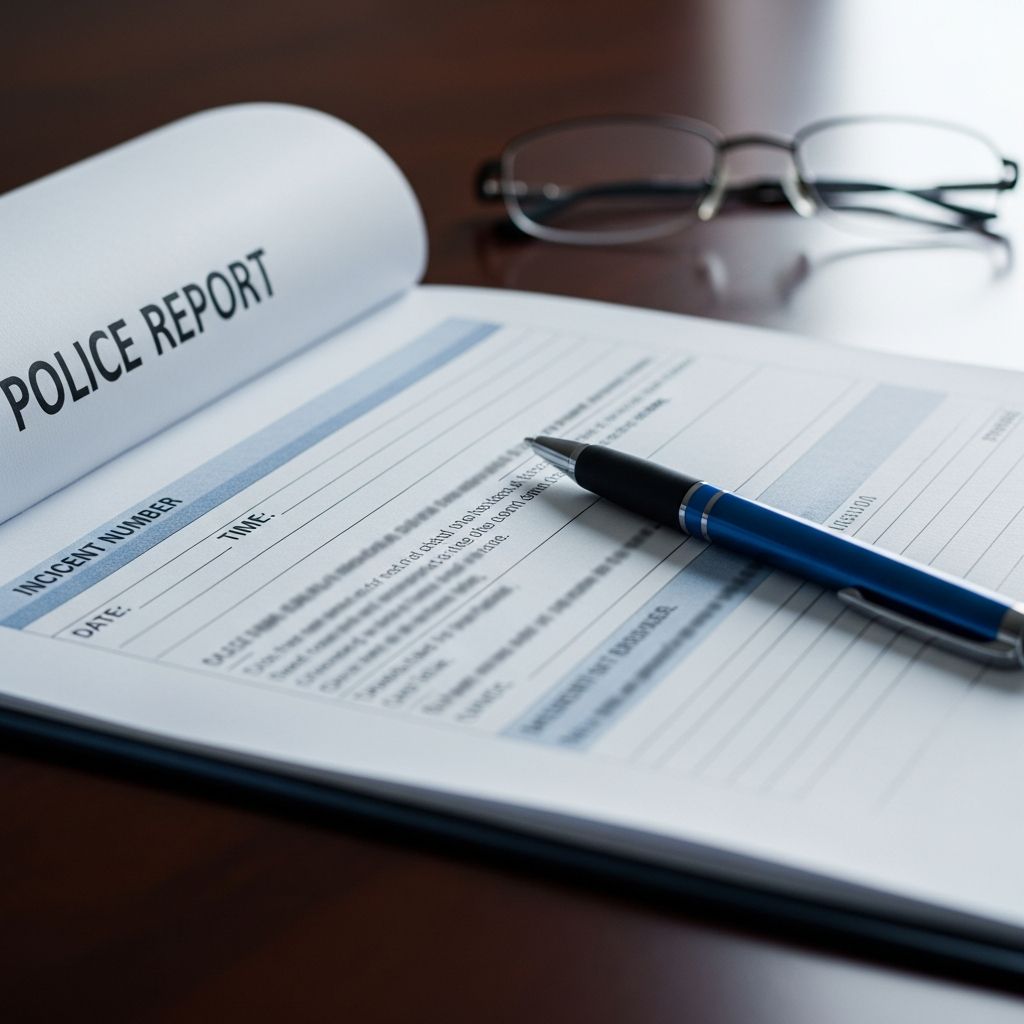
Understanding Your Right to Police Reports
Police reports are critical documents that contain detailed accounts of incidents investigated by law enforcement agencies. These reports serve as foundational evidence in criminal proceedings, civil lawsuits, and various legal matters. Understanding how to access these documents is essential for individuals involved in legal cases, whether as defendants, victims, or parties seeking information. The process of obtaining police reports varies depending on your role in the incident and the jurisdiction where the incident occurred.
Most jurisdictions recognize the public’s right to access police records under public records laws. However, law enforcement agencies maintain restrictions on certain categories of information to protect ongoing investigations, preserve witness safety, and ensure fair trial rights. Navigating these restrictions requires knowledge of applicable state laws and proper request procedures.
Scenario One: Criminal Defense Representation
Individuals facing criminal charges have significant interests in obtaining police reports related to their cases. These reports form the foundation of the prosecution’s evidence and provide crucial information for developing a defense strategy. As a criminal defendant, you have constitutional rights to discovery, which includes access to evidence the prosecution intends to use against you.
The Discovery Process in Criminal Cases
Criminal discovery rules require prosecutors to disclose evidence to the defense before trial. This process is codified in criminal procedure rules and constitutional precedent. Your criminal defense attorney will typically request police reports as part of formal discovery. The prosecutor’s office must provide copies of police investigation reports, witness statements documented by officers, and other relevant materials collected during the investigation.
The timing of these disclosures varies by jurisdiction. Some states require initial disclosure within specific timeframes after charges are filed, while others allow disclosure closer to trial. Your attorney should file formal discovery requests with the prosecutor’s office outlining the specific documents needed for your case preparation.
Working With Your Criminal Defense Attorney
Your criminal defense attorney serves as the primary intermediary for obtaining police reports in criminal proceedings. Rather than making direct public records requests, your attorney will submit discovery requests through official channels. These requests are typically more comprehensive than general public records requests and carry legal weight requiring compliance.
Your attorney will review police reports for inconsistencies, contradictions with witness testimony, procedural errors, and exculpatory evidence. This analysis is critical for building an effective defense. The police report may contain statements from witnesses, the complainant, and investigating officers that can be challenged or used to support your defense theory.
Scenario Two: Civil Litigation Needs
Individuals pursuing civil claims resulting from incidents investigated by police may need access to police reports as evidence in their lawsuits. Civil cases arising from personal injury, property damage, or other incidents often incorporate police investigation findings. Unlike criminal defendants, civil plaintiffs must typically submit formal public records requests rather than discovery requests.
Public Records Request Procedures
Civil litigants seeking police reports must follow standard public records request procedures in their jurisdiction. Most law enforcement agencies accept written requests submitted in person, by mail, or through online portals. Your request should clearly identify the specific incident, including the date, location, and parties involved.
When submitting a request, provide as much identifying information as possible. Include the complete names and dates of birth for individuals referenced in the report, the exact date and location of the incident, and any incident or report numbers if available. This specificity helps law enforcement locate the correct report and process your request efficiently.
Fees and Processing Times
Law enforcement agencies typically charge fees for copying and processing public records requests. These fees are governed by state law and reflect the actual cost of reproduction and staff time. Some jurisdictions charge nominal fees per page, while others charge flat processing fees for larger requests. Before requesting records, inquire about the fee structure so you can budget accordingly.
Response timeframes are established by state public records laws. Most jurisdictions require agencies to respond within ten to thirty business days, depending on the complexity of the request and the jurisdiction’s specific statute. Some agencies provide expedited processing for additional fees, though this option may not be available for all request types.
Scenario Three: Personal Records and Background Information
Individuals may seek police reports for personal reasons, including understanding incidents involving themselves or family members, obtaining records for employment verification, or researching their own interactions with law enforcement. These requests follow standard public records procedures and are subject to the same restrictions as other request types.
Accessing Your Own Police Records
If you were involved in an incident as a victim, witness, or subject, you have the right to request police records documenting that incident. Your request should clearly identify your involvement and provide specific details about the incident. Law enforcement agencies will verify your identity and role before releasing records containing personal information.
Personal identifying information in police reports is protected under state and federal privacy laws. When releasing reports to non-law enforcement individuals, agencies typically redact or remove sensitive information including victim contact details, witness addresses, and confidential informant identities. These redactions are made to protect privacy and prevent potential harassment or retaliation.
Traffic Accident Reports
Accident reports resulting from vehicle collisions are generally handled through specialized request procedures. Most jurisdictions maintain separate systems for releasing traffic accident reports, often through online portals or dedicated reporting services. If you were involved in a traffic accident, you can typically request the report through the law enforcement agency that responded to the incident or through the agency’s online system.
Traffic accident reports are more readily available than other police reports because they involve fewer investigative sensitivities. These reports document vehicle damage, road conditions, contributing factors, and citations issued. Insurance companies, attorneys, and individuals involved in the accident commonly request these reports to support claims or litigation.
Restrictions and Limitations on Police Report Access
Law enforcement agencies maintain important restrictions on the information they can release to protect ongoing investigations, witness safety, and fair trial rights. Understanding these restrictions helps you prepare realistic expectations when requesting police reports.
Ongoing and Active Investigations
Police reports related to open investigations are typically withheld from public release until the investigation concludes and any resulting legal proceedings are adjudicated. This restriction prevents compromising investigative techniques, revealing witness information that might affect ongoing interviews, or allowing suspects to learn details that could help them evade prosecution or obstruct justice.
Once criminal charges are filed and the case moves through the court system, discovery rules apply, and portions of investigative reports become available to the defendant through proper discovery channels. However, information about investigative techniques, surveillance methods, and confidential informants may remain protected even after the investigation concludes.
Victim and Witness Protection
Law enforcement agencies redact personal identifying information for victims and witnesses to prevent harassment, intimidation, or retaliation. Names, addresses, telephone numbers, and other contact information are removed from reports released to the public. This protection is especially important in cases involving domestic violence, sexual offenses, or crimes against vulnerable populations.
In some cases, agencies may withhold entire portions of reports if releasing them would compromise witness safety. This discretionary withholding is permitted under public records exemptions designed to protect individuals from harm resulting from disclosure of their involvement in police matters.
Fair Trial Considerations
Information that could prejudice a defendant’s right to a fair trial may be withheld or redacted from police reports released before trial. This includes information suggesting prior criminal history unrelated to the current charges, inflammatory language by investigating officers, or evidence that might be inadmissible at trial but could bias public opinion.
Step-by-Step Request Procedures
Successfully obtaining police reports requires following proper procedures and providing complete information. Most law enforcement agencies have standardized processes designed to facilitate legitimate requests while protecting sensitive information.
Identifying the Correct Agency
The first step is determining which law enforcement agency has jurisdiction over the incident and maintains the report. Local police departments handle incidents within city limits, county sheriffs handle incidents in unincorporated areas, and state police handle incidents on state highways or state property. If you are uncertain which agency responded to an incident, contact the jurisdiction’s main police or sheriff’s office for clarification.
Gathering Required Information
Before submitting a request, compile all information you can about the incident:
- Complete date and time of the incident
- Precise location including street address, intersection, or landmark
- Complete names and dates of birth for all involved parties
- Type of incident (assault, theft, accident, etc.)
- Any incident number, report number, or case number if previously provided
- Names of any officers you spoke with, if known
This information helps law enforcement locate the correct report quickly, reducing processing time and ensuring you receive the right documents.
Submitting Your Request
Most modern law enforcement agencies offer multiple submission methods including online portals, email, in-person submission at department offices, and mail. Online submission is typically the most efficient method. When completing a request form, be specific and detailed about what you are seeking. Rather than requesting “all records about an incident,” specify “police report and all attachments related to the vehicle accident at [address] on [date].”
If submitting by mail, include your complete contact information and specify how you wish to receive the records. Agencies typically offer pickup, mail delivery, or email transmission options depending on document size and sensitivity.
What to Expect After Submission
Understanding the timeline and process after submission helps you manage expectations and plan accordingly.
Acknowledgment and Processing
Upon receipt, law enforcement agencies typically acknowledge your request and provide an estimated completion date. Some agencies send immediate confirmations while others provide notification within a few business days. The agency will assess whether the request requires redactions, fee calculations, or coordination with other departments.
Approval and Denial Notifications
The agency will notify you of the outcome within the timeframe specified by state law. Approved requests result in delivery of requested documents. If the agency denies your request, you receive a written explanation detailing the legal basis for the denial. Common reasons for denial include ongoing investigations, privacy protection for victims or witnesses, or requests for information specifically exempted by statute.
Appeal and Dispute Resolution
If your request is denied, most jurisdictions allow you to file an appeal or petition challenging the denial. You typically have a limited timeframe (often 180 days) to file an appeal from the date of the denial letter. Appeals are often addressed through court proceedings or administrative review processes specified in state law. Consulting with an attorney familiar with public records law in your jurisdiction is advisable when pursuing appeals of denied requests.
Special Circumstances and Considerations
Certain situations present unique challenges or opportunities when seeking police reports.
Requests for Other People’s Records
You generally cannot request police reports about incidents involving other people unless you have a legitimate interest. Law enforcement agencies protect the privacy of individuals involved in reported incidents. If you need information about someone else’s police involvement, the person involved may need to request and authorize release of their own records. However, if you were a victim or witness to an incident, you may be able to request the report documenting your involvement.
Out-of-Jurisdiction Incidents
If an incident occurred in a different state or county, you must submit your request to the appropriate jurisdiction. Public records laws vary significantly by state, and some jurisdictions maintain more restrictive policies than others. Research the specific state’s public records law before submitting requests in other jurisdictions, as procedures, fees, and timelines may differ substantially.
Multi-Agency Incidents
Some incidents involve multiple law enforcement agencies. If federal crimes are involved, FBI records may be maintained separately from local police reports. Incidents involving federal lands or tribal jurisdictions may require requests to federal agencies. If you believe multiple agencies have records, submit requests to each agency rather than assuming one coordinating office will locate all relevant documents.
Frequently Asked Questions
Q: How much does it cost to obtain a police report?
A: Costs vary by jurisdiction but typically range from minimal fees ($5-$10) to page-based charges ($0.50-$1.00 per page) plus processing fees. Some agencies offer free or reduced-cost reports in certain circumstances. Contact the agency for their specific fee schedule.
Q: Can I get a police report about an incident I witnessed but was not directly involved in?
A: This depends on the incident type and jurisdiction. Witnesses may request reports about incidents they witnessed, though personal identifying information about other witnesses may be redacted. If you provided a witness statement, you have stronger grounds for obtaining the report.
Q: How long does it take to receive a police report after requesting it?
A: Most jurisdictions require response within 3-10 business days for straightforward requests. Complex requests, requests requiring extensive redactions, or requests during high-volume periods may take longer. Some agencies offer expedited processing for additional fees.
Q: Can I request police reports online, or do I need to visit in person?
A: Most modern law enforcement agencies accept online requests through their websites. In-person submission is available but often takes longer than online submission. Mail and email submissions are also typically accepted.
Q: What if the police report contains information I believe is inaccurate?
A: You can file a correction request or provide a written statement for inclusion in the file. Some agencies maintain procedures for supplementing reports with additional information or corrections from involved parties. Contact the investigating agency’s records division to inquire about their correction procedures.
Q: Are all police reports available to the public?
A: No. Reports related to ongoing investigations, internal affairs investigations, and certain sensitive matters are typically withheld. Additionally, information within reports may be redacted to protect privacy, ongoing investigations, or fair trial rights.
References
- Public Records Request – Ada County Sheriff — Ada County Sheriff’s Office. 2024. https://adacounty.id.gov/sheriff/safety/public-records-request/
- Police Public Records Request — City of Boise Police Department. 2024. https://www.cityofboise.org/departments/police/police-public-records-request/
- Idaho Code § 74-102 – Freedom of Information — State of Idaho Legislature. https://legislature.idaho.gov/idstat/Title74/T74CH1/SECT74-102/
- Public Records Request – Ada County — Ada County Government. 2024. https://adacounty.id.gov/about-ada-county/public-records-request/
- Idaho Code § 74-115 – Judicial Review — State of Idaho Legislature. https://legislature.idaho.gov/idstat/Title74/T74CH1/SECT74-115/
- Criminal History Records — Idaho State Police Bureau of Criminal Identification. 2024. https://isp.idaho.gov/bci/criminal-history/
Similar Articles








Read full bio of medha deb


