
Accessing Care at Margaret J. Weston Community Health Clinic
Learn how the Margaret J. Weston Community Health Clinic connects Clearwater-area residents with affordable, primary and preventive healthcare.
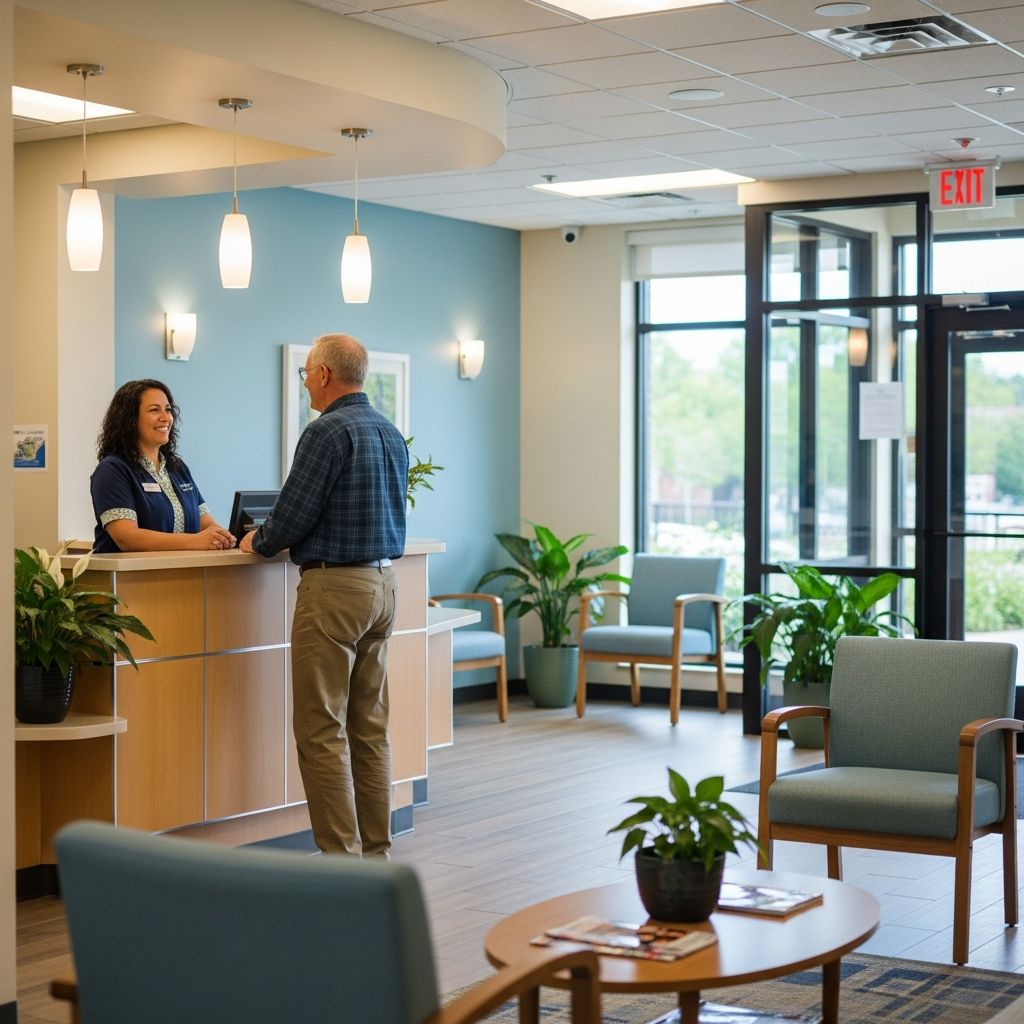
The Margaret J. Weston Community Health Clinic in the Clearwater area is part of a broader rural health network that focuses on delivering affordable, comprehensive primary care to individuals and families who might otherwise struggle to access medical services. This guide explains how the clinic fits within that network, what you can expect as a patient, and how to make the most of the care available to you.
1. Where the Clinic Fits in the Local Health System
The clinic operates as one of several community-based locations affiliated with a rural health organization that has been serving Aiken County and surrounding communities for decades. This organization is a private, nonprofit, Federally Qualified Health Center (FQHC), meaning it receives federal support to expand access to care in medically underserved areas.
As part of an FQHC network, the Margaret J. Weston Community Health Clinic is designed to be a local entry point into a continuum of care that includes:
- Primary medical care for adults and children
- Preventive and wellness services
- Access to specialty referrals when needed
- Supportive services such as care coordination and pharmacy access
The Clearwater-area site complements nearby locations in Beech Island, Aiken, and South Aiken that together provide a network of family health, adult medicine, pediatrics, and other services for the region.
2. Contact Details and Basic Logistics
According to directory information, the Margaret J. Weston Community Health Clinic in the Clearwater area is listed at:
- Phone: (803) 593-9283
- Address: 4645 Clearwater Road, Clearwater, SC 29822
Another affiliated Margaret J. Weston site operates at 4645 Augusta Road in Beech Island, SC, typically with weekday daytime hours. Patients in the Clearwater area can be directed to one or more of these related locations depending on the services they need.
Because hours, locations, and services can change, new patients should:
- Call the clinic before visiting to confirm hours and appointment availability
- Ask whether walk-in visits are possible or if appointments are required
- Verify which location (Clearwater or Beech Island) offers the specific service they need
3. Types of Services Available Through the Rural Health Network
While the LawHelp listing mainly provides contact information, the affiliated Rural Health Services organization outlines a broad set of clinical services offered across its sites. Not every service may be provided at each location, but as a patient at Margaret J. Weston you are generally connected to this system of care.
3.1 Core Primary Care
- Adult medicine and geriatrics: Ongoing care for chronic conditions such as hypertension, diabetes, heart disease, and arthritis, along with preventive checkups.
- Pediatrics: Care for infants, children, and adolescents, including routine well-child visits, vaccinations, and sick visits.
- OB/GYN: Prenatal care, gynecologic exams, family planning counseling, and related procedures are available through affiliated sites.
3.2 Additional Clinical Services
- Behavioral health: Counseling and support for concerns such as depression, anxiety, substance use, and stress-related issues.
- Dental care: Preventive and restorative dental services, including cleanings, basic restorative treatment, and education on oral health.
- Optometry: Eye exams, vision screenings, and management of eye diseases.
- Podiatry: Foot and ankle care, particularly important for patients with diabetes or mobility issues.
- Sexual and reproductive health: Education, contraception, screening for sexually transmitted infections (STIs), and treatment services.
3.3 Community-Focused Programs
- School-based services: Medical and dental care available within local schools to reduce barriers for children and adolescents.
- Agricultural health: Outreach and care for seasonal and migratory agricultural workers in the region.
- Early childhood development: Support for families with young children to promote healthy growth and development.
4. A Patient-Centered Medical Home Approach
The rural health network that includes Margaret J. Weston Community Health Clinic has achieved Patient-Centered Medical Home (PCMH) recognition, a national standard emphasizing coordinated, comprehensive, and patient-focused primary care.
Under a PCMH model, the clinic team functions as the hub for your healthcare. You are encouraged to build an ongoing relationship with a primary care provider who coordinates services, tracks your health over time, and connects you with specialists when needed.
| PCMH Principle | What It Means for You |
|---|---|
| Accessible care | Appointments during regular hours, and instructions for getting advice when the clinic is closed. |
| Continuous relationship | Seeing the same primary provider whenever possible, so they know your history and preferences. |
| Comprehensive services | Preventive, acute, and chronic care needs addressed in one coordinated setting. |
| Coordinated referrals | Help connecting to outside specialists and sharing records when more advanced care is needed. |
| Patient-centered planning | Clear explanations of test results, treatment options, and follow-up plans in language you can understand. |
5. Who the Clinic Serves
As an FQHC-affiliated site, the Margaret J. Weston Community Health Clinic is intended to serve all community members, regardless of ability to pay. This includes patients who are:
- Uninsured
- Underinsured or with high deductibles
- Covered by Medicaid, Medicare, or private insurance
FQHCs are required to offer services in a culturally competent manner and to reduce barriers related to language, transportation, and income when possible. Many clinics also use sliding fee discounts based on household income and family size, an approach supported by federal FQHC regulations.
6. Costs, Insurance, and Payment Options
While the LawHelp listing itself does not detail payment policies, FQHCs like the organization behind Margaret J. Weston Community Health Clinic typically:
- Accept Medicaid, Medicare, and many commercial insurance plans
- Provide discounted fees based on a sliding scale for eligible low-income patients
- Offer payment plans or financial counseling to help patients manage out-of-pocket costs
Because details can differ by site, patients should call the clinic to ask about:
- Which insurance plans are accepted
- Documentation needed to apply for sliding fee discounts
- Any separate costs for lab work, imaging, or specialty referrals
7. Preparing for Your First Visit
New patients at the Margaret J. Weston Community Health Clinic can save time and avoid repeated trips by coming prepared. Consider bringing:
- A photo ID, if available
- Insurance cards, if you have coverage
- Documentation of income if you plan to apply for sliding fee discounts (such as pay stubs or tax documents)
- A list of your current medications, including over-the-counter and herbal products
- Any prior medical records that may be important, such as hospital discharge summaries or past lab results
To make your first visit more effective:
- Write down your top health concerns in order of priority
- Bring a list of questions you want to ask your provider
- Consider bringing a family member or friend if you need help remembering information or making decisions
8. Your Role in a Patient-Centered Partnership
The PCMH model used by the broader Rural Health Services network stresses that patients have an active role in their own care. As a patient at Margaret J. Weston Community Health Clinic, you can strengthen this partnership by:
- Sharing your history: Provide complete and accurate information about past illnesses, surgeries, medications, and allergies.
- Asking questions: If you do not understand a diagnosis, test, or treatment, ask your provider to explain in simpler terms.
- Following through: Try to follow agreed-upon treatment plans and attend follow-up visits.
- Communicating changes: Let the clinic know if your symptoms worsen, if you visit an emergency room, or if you see another provider outside the network.
These steps are consistent with national guidance on maximizing the benefits of primary care and medical home models, which emphasize shared decision-making and continuity of care.
9. Benefits of Community Health Centers for Rural Communities
The Margaret J. Weston Community Health Clinic is part of a national landscape in which community health centers provide primary care in areas that might otherwise lack local medical services. The Health Resources and Services Administration (HRSA) reports that federally supported health centers collectively serve more than 30 million patients across the United States, many of whom live in rural or medically underserved urban neighborhoods.
Evidence shows that community health centers and PCMHs can:
- Improve access to preventive services such as immunizations, cancer screening, and blood pressure checks
- Help manage chronic diseases more effectively through coordinated care and patient education
- Reduce potentially avoidable emergency department visits by providing timely primary care
- Lower overall healthcare costs while maintaining or improving quality
For residents of the Clearwater area, the Margaret J. Weston Community Health Clinic serves as a local gateway to these broader benefits.
10. Frequently Asked Questions (FAQs)
Q1: Do I have to live in Clearwater to receive care at Margaret J. Weston Community Health Clinic?
A: No. Community health centers generally serve all patients within their service region, not only those in a single town. However, calling ahead is recommended to confirm whether a particular site is the best location for your needs.
Q2: What if I do not have health insurance?
A: As part of an FQHC network, the clinic is designed to care for patients regardless of insurance status. You may qualify for a sliding fee discount based on income, and staff can explain payment options.
Q3: Can the clinic be my long-term medical home?
A: Yes. The Rural Health Services network describes itself as a primary care medical home, meaning you can receive ongoing primary and preventive care there and be referred out for specialized services when necessary.
Q4: Are mental health and substance use services available?
A: The affiliated organization lists behavioral health services among its patient offerings, including support for mental health and substance-related concerns. Availability may vary by site, so call to confirm where these services are provided.
Q5: How do I schedule an appointment?
A: Call the clinic’s main phone number listed in the LawHelp directory to schedule a visit, ask about same-day availability, and verify what you should bring to your appointment.
References
- About Us — Rural Health Services. 2023-01-01. https://ruralhs.org/about-us/
- Rural Health Services | Affordable, Quality Healthcare — Rural Health Services. 2023-01-01. https://ruralhs.org
- Community Services — Rural Health Services. 2023-01-01. https://ruralhs.org/community-services/
- Margaret J. Weston Community Health Clinic of Clearwater — LawHelp South Carolina. 2022-01-01. https://www.lawhelp.org/sc/organization/margaret-j-weston-community-health-clinic-of-1
- Margaret J. Weston Community Health Center — CIMS South Carolina. 2022-01-01. https://www.cims-sc.com/find-a-center/margaret-j-weston-community-health-center/
- Health Center Program: What is a Health Center? — Health Resources and Services Administration (HRSA). 2023-06-01. https://bphc.hrsa.gov/about/health-center-program
- Patient-Centered Medical Home Resource Center — Agency for Healthcare Research and Quality (AHRQ). 2023-04-01. https://www.ahrq.gov/ncepcr/care/coordination.html
Similar Articles








Read full bio of Sneha Tete


