
Launching a 3D Printing Business: Essential Legal Considerations
Navigate legal requirements, licensing, and compliance for your 3D printing startup successfully.
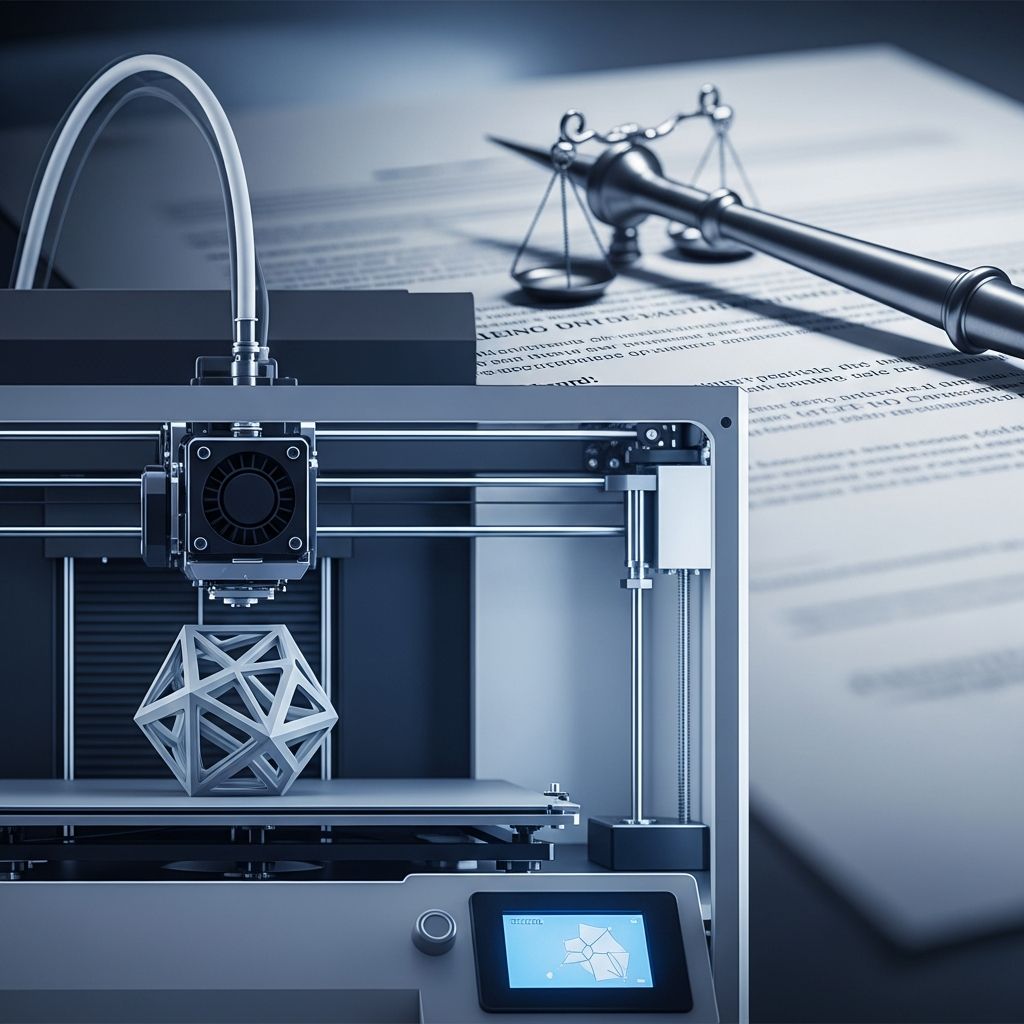
Establishing the Legal Foundation for Your 3D Printing Venture
The 3D printing industry presents significant opportunities for entrepreneurs seeking to enter a rapidly expanding market. However, establishing a legally compliant 3D printing business requires careful attention to foundational legal decisions that will shape operations, liability exposure, and tax obligations. Understanding the regulatory landscape and implementing proper business structures early prevents costly mistakes and positions your enterprise for sustainable growth.
Choosing Your Business Entity Structure
One of the first critical decisions involves selecting an appropriate legal entity for your 3D printing operation. This choice directly impacts personal liability protection, tax treatment, and operational complexity. The most common options for startups include sole proprietorships, limited liability companies (LLCs), and corporations, each offering distinct advantages and disadvantages.
Sole Proprietorship and Partnership Models
A sole proprietorship represents the simplest business structure, requiring minimal registration and administrative overhead. This model allows you to operate under your personal name or a registered business name, with profits taxed directly on your personal income tax return. However, sole proprietorships offer no liability protection—creditors can pursue your personal assets if the business faces legal claims or financial obligations. For 3D printing operations involving equipment, materials, and customer interactions, this lack of separation between personal and business assets presents considerable risk. Partnerships function similarly but involve multiple owners sharing profits, losses, and personal liability exposure.
Limited Liability Company Formation
An LLC creates a distinct legal entity separate from its owners, providing personal liability protection while maintaining favorable tax treatment. When structured as a single-member LLC, your business profits pass through to your personal tax return without additional corporate taxes—an arrangement called pass-through taxation. This structure shields your personal home, savings, and other assets from business creditors and legal judgments related to your 3D printing operations. Establishing an LLC requires filing articles of organization with your state (typically costing $50–$500) and maintaining basic compliance documentation. For most 3D printing startups, an LLC balances adequate legal protection with manageable administrative requirements.
Corporation Structures
C corporations and S corporations provide the highest level of liability protection but introduce greater complexity and tax considerations. Corporations require more extensive recordkeeping, formal meeting minutes, and potential double taxation (in the case of C corporations). Most small 3D printing businesses find corporations unnecessary unless pursuing significant external investment or planning substantial scale within the first few years.
Obtaining Essential Licenses and Permits
Operating a legitimate 3D printing business requires securing appropriate licenses and permits at federal, state, and local levels. These requirements vary significantly based on your location, business model, and the specific products you manufacture.
Federal Identification and Registration
All businesses except sole proprietorships operating under the owner’s name must obtain an Employer Identification Number (EIN) from the Internal Revenue Service. The EIN, also called a Federal Tax ID, serves as your business’s identifier for tax purposes and is required to open a business bank account, even if you initially operate as a sole proprietor. Applying for an EIN is free and can be completed online through the IRS website, typically receiving approval immediately upon submission. This number becomes essential for filing business taxes, hiring employees, and establishing business credit relationships.
State-Level Business Registration
Most states require businesses to register with the Secretary of State’s office, particularly if operating under a name different from the owner’s legal name. This registration typically costs between $50 and $500 and must be renewed periodically (often annually). Registration establishes your business name as legally protected within your state and creates an official record of your enterprise. For LLCs, state registration is mandatory and forms the legal basis of the entity itself.
Local Operating Licenses and Permits
City and county governments often require general business operating licenses for any commercial activity within their jurisdiction. Contact your local city clerk or county business licensing office to determine specific requirements for your area. If operating from a home-based location, check local zoning regulations—some municipalities restrict manufacturing activities in residential areas or require special home-based business permits. Resin printing operations may face additional scrutiny due to chemical fumes, necessitating specific ventilation permits or compliance certifications.
Intellectual Property Considerations and Protection
Intellectual property represents a critical concern for 3D printing businesses, both protecting your own designs and respecting others’ protected work. The intersection of digital design files, manufacturing, and product sales creates complex IP implications.
Understanding Design Ownership
If you create original 3D designs, copyright protection automatically applies without registration. However, formally registering your designs with the U.S. Copyright Office provides significant legal advantages if you need to enforce your rights in court. Copyright protects the creative expression in your designs but not functional aspects or the underlying concept. For designs incorporating functional innovations, you may consider patent protection, though patents are expensive and time-consuming to obtain.
Using Licensed and Third-Party Designs
Many 3D printing businesses utilize designs created by others, either through licensing agreements or purchase. When sourcing designs, ensure you have explicit permission to print and sell products based on those files. Some designers permit personal use only, while others charge commercial licensing fees. Respecting these terms prevents copyright infringement claims and protects your reputation. Establish clear documentation of your design sourcing and licensing arrangements.
Protecting Against Infringement Claims
3D printing enables rapid reproduction of objects, creating risk if you accidentally produce items infringing on others’ patents, trademarks, or copyrights. Trademark infringement may occur when printing branded products or replicas of branded items without authorization. Conduct thorough research before producing any design commercially, particularly when manufacturing replicas, character figurines, or branded merchandise. Consider obtaining errors and omissions insurance specifically covering intellectual property claims.
Insurance and Liability Protection Requirements
Insurance forms an essential risk management component for 3D printing operations, protecting your business from financial losses resulting from accidents, defects, or customer injuries.
General Liability Coverage
General liability insurance protects your business if customers suffer bodily injury or property damage related to your products or operations. A customer injured by a defective 3D printed part could sue your business for medical expenses, lost wages, and pain and suffering. General liability insurance covers legal defense costs and damages awarded by courts. For most 3D printing startups, annual general liability insurance costs between $300 and $800, depending on coverage limits and business size.
Product Liability Insurance
Product liability insurance specifically covers injuries or damage caused by defects in products you manufacture or sell. If a 3D printed prosthetic component fails and causes injury, product liability coverage would apply. This coverage becomes increasingly important if manufacturing products used in medical, safety-critical, or load-bearing applications. Many customers require vendors to carry product liability insurance before purchasing products for critical applications.
Property and Equipment Coverage
Your 3D printers, computers, filament inventory, and other business property require protection against fire, theft, and damage. Standard homeowner’s or renter’s insurance typically excludes business property. Commercial property insurance covers equipment replacement if your printers are damaged or destroyed. This becomes essential if relying on equipment to generate revenue—replacement costs without insurance could force business closure.
Home-Based Business Considerations
Operating from home may trigger policy amendments or different coverage requirements. Notify your homeowner’s insurance provider about your home-based business; failure to disclose may void coverage. Some insurers require separate business liability policies for home-based operations. Clarify coverage limitations and any exclusions related to manufacturing activities or customer visits to your workspace.
Regulatory Compliance and Safety Standards
Depending on your product types and target markets, various regulatory frameworks may apply to your 3D printing operations.
Consumer Product Safety Requirements
Products sold to consumers must comply with Consumer Product Safety Commission (CPSC) regulations. For children’s products, additional safety standards apply, including restrictions on materials, choking hazard warnings, and testing requirements. Before producing and selling any product designed for children, verify applicable CPSC standards and testing requirements. Non-compliance can result in product recalls, significant liability, and regulatory fines.
Material Safety and Chemical Handling
Resin-based printing involves chemical materials requiring proper handling, storage, and disposal. Familiarize yourself with Safety Data Sheets (SDS) for all materials used, particularly resins and post-processing chemicals. Ensure adequate ventilation in your workspace and proper personal protective equipment for handling materials. Some jurisdictions regulate chemical storage quantities and require specific handling procedures.
Medical Device and Specialized Applications
If manufacturing custom prosthetics, orthodontic devices, or other medical products, FDA regulations may apply. Medical devices face significant regulatory requirements, including design controls, risk analysis, biocompatibility testing, and manufacturing documentation. Attempting to market unauthorized medical devices can result in FDA enforcement actions and personal liability. Consult with a regulatory specialist before entering medical device manufacturing.
Tax Obligations and Record-Keeping
Maintaining proper financial records and understanding tax responsibilities prevents compliance issues and optimizes your business structure.
Sales Tax Considerations
Most states require collecting sales tax on retail product sales, though rates vary by location. Some states exempt certain materials or products from taxation. If shipping products across state lines, understand nexus rules determining where you must collect taxes. Many states now require online sellers to collect sales tax regardless of physical presence. Implement systems to accurately calculate, collect, and remit sales taxes to avoid penalties and interest.
Income Tracking and Deductions
Maintain detailed records of all business income and expenses. Deductible expenses for 3D printing businesses include equipment purchases, materials, utilities, rent or mortgage interest on workspace, insurance, licenses, and marketing. Separating personal and business finances simplifies tax preparation and provides clear documentation during IRS audits. Open a dedicated business bank account and use it exclusively for business transactions.
Quarterly Estimated Tax Payments
If operating as a sole proprietorship, partnership, or S corporation, you likely must pay federal estimated taxes quarterly. These payments avoid penalties and reflect income tax obligations throughout the year rather than in one lump sum at tax filing. Calculate quarterly payments based on projected annual income and discuss payment amounts with a tax professional.
Common Legal Questions for 3D Printing Entrepreneurs
Q: Can I operate a 3D printing business from my home?
A: Yes, many 3D printing businesses start from home. However, verify local zoning regulations permitting home-based manufacturing. Some jurisdictions restrict manufacturing activities in residential areas or require special permits. Check for noise restrictions (relevant for SLS printers), chemical storage regulations (for resin printing), and electrical capacity requirements for running multiple printers. Inform your homeowner’s insurance provider and ensure your coverage extends to business activities.
Q: Do I need liability insurance before accepting customer orders?
A: While not legally required in most jurisdictions, liability insurance is highly advisable before accepting any customer orders. If a customer is injured by a defective product or suffers property damage, you face potentially unlimited personal liability without insurance. Insurance provides financial protection and demonstrates professionalism to customers. Many commercial clients require vendors to carry specified minimum coverage levels before ordering.
Q: What intellectual property issues should I consider when printing designs?
A: Always verify you have legal rights to print and sell any design. Copyright protects original creative works, patents protect functional innovations, and trademarks protect brand names and logos. Downloading designs from free repositories may include usage restrictions prohibiting commercial production. Licensed designs often require paying royalties or fees per unit sold. Respect these restrictions to avoid infringement claims and reputational damage.
Q: Should I form an LLC or operate as a sole proprietor?
A: An LLC provides liability protection separating your personal assets from business debts and claims, while maintaining favorable tax treatment. A sole proprietorship offers simplicity but no liability protection. For manufacturing operations involving equipment, materials, and customer interactions, the personal liability risk justifies forming an LLC. The minimal additional cost and complexity pay dividends in protection.
Q: What permits or licenses do 3D printing businesses need?
A: Requirements vary by location but typically include an EIN (federal), state business registration, and local operating licenses. Home-based businesses may need special permits. If printing products for specialized applications (medical devices, children’s products, etc.), verify applicable regulatory requirements. Contact your city clerk and state Secretary of State’s office for specific requirements in your jurisdiction.
Q: How do I ensure product safety compliance?
A: Review applicable regulations for your specific products. CPSC standards apply to consumer products, with additional requirements for children’s products. For specialized applications like medical devices or load-bearing components, research relevant industry standards. Material safety data sheets must be available for all materials used. Consider third-party testing or certification for products making safety-related claims.
Q: What tax obligations exist for 3D printing businesses?
A: Most states require collecting sales tax on retail sales, with rates varying by location. Keep detailed records of income and deductible expenses (equipment, materials, insurance, utilities, rent). If operating as a sole proprietor, partnership, or S corporation, pay quarterly estimated taxes. Consult a tax professional about your specific situation to ensure compliance and optimize your tax position.
Practical Implementation Steps
- Consult with a business attorney in your state to determine the optimal entity structure and understand local regulatory requirements
- File articles of organization with your state Secretary of State if forming an LLC
- Apply for an EIN through the IRS website
- Register your business with your city and county government
- Verify local zoning regulations and home-based business restrictions
- Obtain appropriate business licenses and permits
- Open a dedicated business bank account
- Research and purchase general liability and product liability insurance
- Establish systems for tracking income and deductible expenses
- Document design ownership and verify licensing for all third-party designs
- Review product safety standards applicable to your specific offerings
- Consult with a tax professional regarding estimated tax payments and sales tax obligations
Conclusion
Successfully launching a 3D printing business requires addressing foundational legal considerations before accepting orders or generating significant revenue. Selecting an appropriate business entity, securing necessary licenses, understanding intellectual property implications, and obtaining adequate insurance create a legally compliant framework supporting long-term growth. While the legal requirements may seem extensive, implementing them early prevents costly problems and positions your business for professional operation and customer confidence. Taking time to address these considerations upfront demonstrates commitment to legitimate business practices and protects your personal assets from business liabilities.
References
- How to Start a 3D Printing Business: A Comprehensive Guide — King Roon. 2024. https://kingroon.com/blogs/3d-print-101/how-to-start-a-3d-printing-business
- How to Start a 3D Printing Business: A Comprehensive Guide — PRTWD. September 18, 2024. https://prtwd.com/guides/how-to-start-a-3d-printing-business/
- How to Start a 3D Printing Business: A Founder’s Playbook — JIM. 2024. https://www.jim.com/blog/how-to-start-a-3d-printing-business
- How to Start a 3D Printing Business — Raise 3D Academy. https://www.raise3d.com/academy/how-to-start-a-3d-printing-business/
- 3D Printing at Home: How to Start a Business on a Budget — Crafty Base. https://craftybase.com/blog/3-how-to-start-3d-printing-home-business
- U.S. Small Business Administration: Legal Structure — U.S. Small Business Administration. https://www.sba.gov/
- Consumer Product Safety Commission Standards — U.S. Consumer Product Safety Commission. https://www.cpsc.gov/
Similar Articles








Read full bio of Sneha Tete


