
What 2012–2014 VW Passat TDI Owners Need to Know
A practical guide for 2012–2014 Volkswagen Passat TDI owners on emissions violations, buybacks, fixes, and consumer rights.
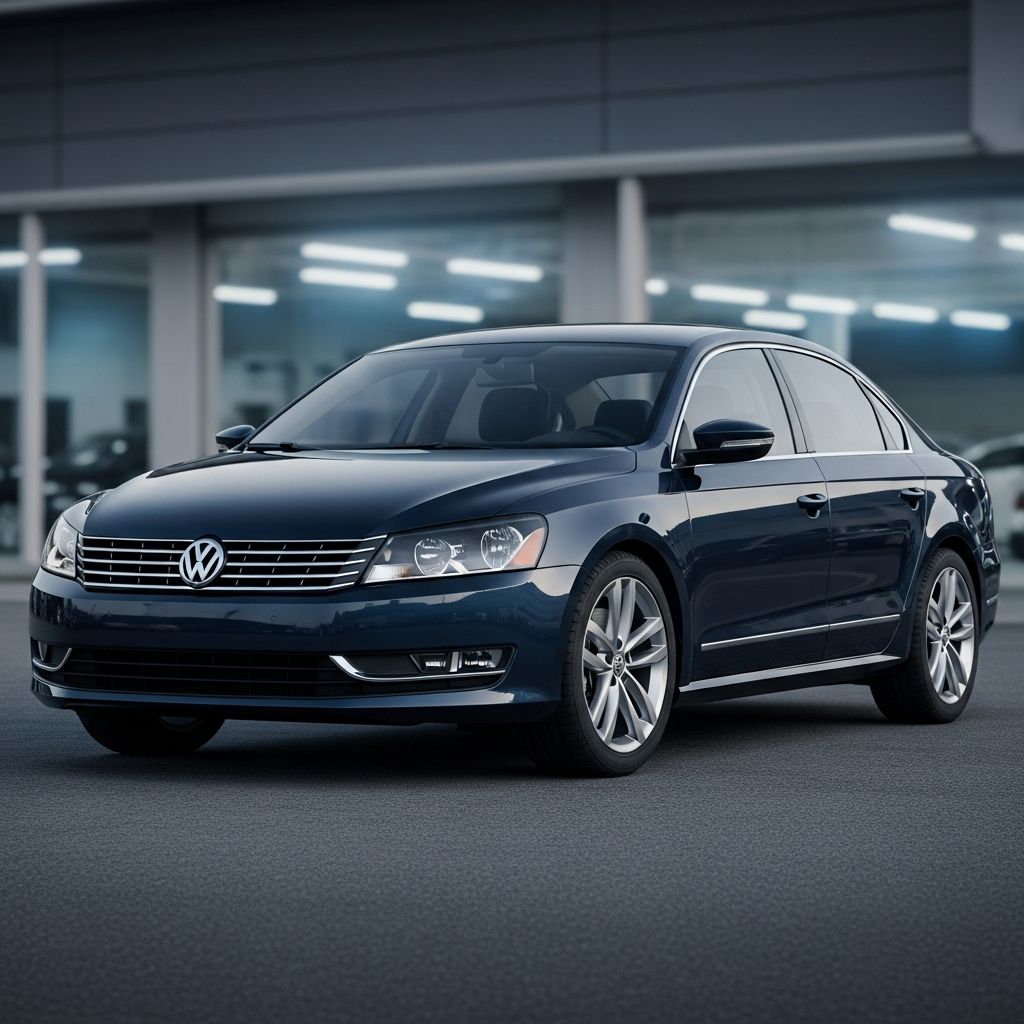
Owner Guide for 2012–2014 Volkswagen Passat TDI Drivers
If you own or previously leased a 2012, 2013, or 2014 Volkswagen Passat TDI, your vehicle is part of the wider Volkswagen diesel emissions scandal, often called Dieselgate. This guide explains, in plain language, what happened, how it affects these specific Passat models, and what steps you can take to protect your rights and your wallet.
Volkswagen admitted that many of its 2.0-liter TDI diesel vehicles were equipped with illegal software that manipulated emissions tests, leading to excess air pollution on the road compared with official test results. Owners were then offered a mix of buybacks, lease terminations, and repairs through large settlements overseen by U.S. authorities.
Background: How the VW Diesel Issue Arose
The emissions scandal began in the United States when federal regulators discovered that some VW diesel cars emitted nitrogen oxides (NOx) far above legal limits during normal driving, even though they appeared to comply during laboratory tests.
- The EPA issued a formal Notice of Violation in September 2015, alleging that 2.0-liter VW diesel models used defeat devices to cheat emissions testing.
- These vehicles could emit up to 40 times the permitted level of NOx under real-world driving conditions.
- Subsequent investigations revealed that millions of vehicles worldwide carried similar software.
The 2012–2014 Passat TDI is among the U.S. models built with this software, which is why these vehicles became part of large-scale settlements and technical fixes approved by federal and state regulators.
Why the 2012–2014 Passat TDI Is Unique
Not all VW diesel models are treated the same. The 2012–2014 Passat TDI occupies a particular place in the emissions story because of its engine generation and emissions-control hardware.
- These cars use the EA189 2.0-liter TDI engine, one of the core engines at the heart of the scandal.
- Passat TDIs in this range typically use selective catalytic reduction (SCR)
- Regulators later granted specific approval for a technical fix for most of these vehicles, while some configurations (such as certain manual transmission models) initially lacked an approved repair because of performance and durability concerns.
| Aspect | Details |
|---|---|
| Engine type | 2.0L EA189 TDI diesel with turbocharging. |
| Emissions system | SCR with diesel exhaust fluid (DEF) on most U.S. Passat TDIs in this period. |
| Issue identified | Use of defeat-device software to alter emissions performance during official tests. |
| Regulatory action | EPA and California Air Resources Board (CARB) enforcement, followed by court-approved settlements and fixes. |
| Owner remedies | Depending on eligibility: buyback or lease termination, modification, and additional compensation under settlements. |
Health and Environmental Concerns: Why This Matters
The excess emissions from affected diesels are not just a paperwork problem. They translate into real-world pollution that can harm public health and the environment.
- Nitrogen oxides (NOx) contribute to smog and fine particle pollution, which are linked to respiratory issues, heart problems, and premature death.
- The EPA and other agencies treat NOx pollution as a serious concern in urban areas with already high air-quality burdens.
- Researchers estimate that higher in-use emissions from affected diesel vehicles contributed to additional health impacts and environmental costs in the U.S. and abroad.
Because of this, regulators insisted that Volkswagen either remove these vehicles from the road through buybacks or bring them into compliance via hardware and software updates.
Regulatory Settlements and Oversight
Volkswagen entered into large civil and criminal settlements with U.S. authorities, including the EPA and the Department of Justice, over the diesel emissions violations.
- The company agreed to spend billions of dollars on vehicle buybacks, lease terminations, emissions fixes, and environmental remediation.
- In a criminal case, Volkswagen pleaded guilty to charges related to the scheme to sell diesel vehicles with defeat devices in the United States.
- Affected vehicles, including many Passat TDIs, were covered by a consent decree that set out timelines, testing protocols, and consumer options.
These legal agreements ensured that any proposed fix for the 2012–2014 Passat TDI would be reviewed by regulators to confirm that the modification reduced emission levels sufficiently while maintaining basic vehicle performance and reliability.
Repair vs. Buyback: Options Many Owners Faced
Depending on the exact model, mileage, and ownership or lease status, many Passat TDI drivers were presented with a choice:
- Sell the car back to Volkswagen (or terminate a lease early), or
- Keep the car and receive an approved emissions modification, plus monetary compensation.
The specific amounts and deadlines varied over time, but the overall structure aimed to ensure that owners were not financially worse off because of Volkswagen’s misconduct.
What an Emissions Fix Typically Involves
While the exact technical changes differ by engine generation and model, an approved fix for a 2012–2014 Passat TDI generally includes some combination of:
- Updated engine-control software that changes how the emissions system behaves in real-world driving.
- Possible replacement or upgrading of components in the exhaust aftertreatment system (e.g., catalytic converter, diesel particulate filter, NOx reduction hardware), if required by the fix package.
- Verification that the vehicle meets emissions requirements after the modification through testing overseen by regulators.
Potential Side Effects of the Fix
Any significant change in emissions controls can alter how a vehicle feels on the road. Tests and owner reports for post-fix diesel vehicles in general (not limited to the Passat) have noted possible trade-offs such as:
- Slight changes in fuel economy compared with pre-fix performance.
- Differences in acceleration or engine response under heavy load, as the engine management system prioritizes emissions control more aggressively.
- In some cases, more frequent regeneration cycles of emissions hardware, which can subtly affect driving patterns on short trips.
Regulators reviewed the proposed fix packages to ensure that major issues of durability or safety would not be introduced by the modifications. Still, it is reasonable for owners to ask questions about long-term reliability and warranty coverage before proceeding with any repair.
How to Check Your Passat TDI’s Status Today
Even though much of the settlement process has already occurred, some drivers may still have questions about their vehicles. If you own a 2012–2014 Passat TDI, there are several practical steps you can take.
1. Confirm Whether Your Vehicle Was Affected
Use the following checks to verify your car’s status:
- Locate your Vehicle Identification Number (VIN) (visible at the base of the windshield or on registration documents).
- Check the VIN against official recall tools maintained by regulators or the manufacturer to see if your car is listed as part of the diesel emissions campaigns.
- Review any letters or notices you received from Volkswagen, your dealer, or government agencies regarding the diesel settlement or emissions recall.
2. Ask Whether the Emissions Modification Has Been Performed
If you purchased your Passat TDI used, you may not know whether a previous owner completed the modification. You can:
- Ask a franchised Volkswagen dealer to check your VIN and service history for the emissions campaign.
- Look for a service invoice or paperwork describing an emissions update related to the VW diesel settlement.
- Request written confirmation of whether your vehicle still needs any recall or settlement-related repairs.
3. Review Extended Warranty and Coverage
As part of many approved fixes, Volkswagen agreed to provide extended emissions-related warranties for the modified vehicles. These warranties generally cover certain components for a specified number of years or miles from the date of the fix.
- Read the warranty documentation carefully to understand what parts are covered and for how long.
- Clarify with your dealer whether symptoms you experience (e.g., warning lights or emissions system faults) are likely to be covered.
- Keep copies of all repair invoices and correspondence related to the emissions update.
Buying or Selling a 2012–2014 Passat TDI Today
These vehicles now occupy a distinct niche in the used-car market. If you are considering buying or selling one, keep the diesel history in mind.
Considerations for Buyers
- Verify that the emissions fix has been completed or understand the process and eligibility if it has not.
- Confirm that any extended warranty remains in force and is transferable to new owners.
- Ask for full service records, especially documentation of emissions-related work.
- Take a thorough test drive to gauge how the vehicle performs post-fix, paying attention to drivability, fuel consumption estimates, and warning lights.
Considerations for Sellers
- Disclose honestly whether the emissions modification has been done and share any supporting paperwork.
- Explain to potential buyers that the vehicle was part of the national settlement but has been addressed through an approved fix, if applicable.
- Understand that the car’s resale value may reflect both its efficient diesel performance and its emissions history.
Understanding Your Consumer Rights
When a manufacturer sells vehicles that do not comply with environmental regulations, consumers can be harmed in several ways: financially, through reduced resale value; practically, through time spent dealing with recalls; and ethically, by being misled about the vehicle’s environmental impact.
- U.S. law, including the Clean Air Act, allows regulators to enforce penalties when manufacturers violate emissions standards and to pursue remedies that benefit affected consumers.
- Civil settlements can include cash compensation, buybacks, repairs, and warranties designed to place consumers in a similar position to where they would have been without the misconduct.
- Independent organizations such as consumer-advocacy groups and testing bodies have published guidance to help owners decide whether a buyback or fix is the better option for their circumstances.
If you believe your individual situation was not handled properly—for example, if you were unable to access remedies you were eligible for—you may wish to consult a qualified attorney or consumer-protection agency for personalized advice.
Frequently Asked Questions (FAQs)
Q: Is my 2012–2014 Passat TDI safe to drive?
From a mechanical standpoint, regulators did not order an immediate grounding of the vehicles, and the primary concern was excess emissions rather than acute safety defects. However, owners were strongly encouraged to participate in buybacks or repairs to reduce NOx pollution and bring the cars into compliance.
Q: What changes after the emissions fix?
An approved fix generally recalibrates engine and emissions controls to reduce NOx output, possibly along with hardware upgrades. Many drivers notice only modest differences, though some report changes in fuel economy, engine sound, or responsiveness. Extended emissions-related warranties are typically part of the package for repaired vehicles.
Q: Can I still get compensation or a buyback for my Passat TDI?
Eligibility windows and claim deadlines are set by court-approved settlements and may have closed for some programs. To find out your current options, you should check official settlement information, speak with Volkswagen customer service, or consult a knowledgeable legal or consumer resource familiar with the VW diesel cases.
Q: Should I avoid purchasing a used 2012–2014 Passat TDI?
Not necessarily. A properly modified and well-maintained Passat TDI can still provide solid fuel economy and highway comfort. The key is to verify that all emissions updates have been performed, that extended warranties are documented, and that you are comfortable with the car’s history and driving characteristics after the fix.
Q: Does owning a fixed Passat TDI still harm the environment?
After an approved modification, regulators determined that these vehicles reduced NOx emissions enough to meet specific compliance targets, though they may still emit more than some newer gasoline-hybrid or electric vehicles. Choosing how long to keep the vehicle is a personal decision that balances environmental impact, financial cost, and practical needs.
References
- Learn About Volkswagen Violations — U.S. Environmental Protection Agency. 2017-03-13. https://www.epa.gov/vw/learn-about-volkswagen-violations
- VW Diesel Crisis: Timeline of Events — Cars.com. 2017-05-19. https://www.cars.com/articles/vw-diesel-crisis-timeline-of-events-1420681251993/
- Everything You Need to Know About the VW Diesel Emissions Scandal — Car and Driver. 2018-03-22. https://www.caranddriver.com/news/a15339250/everything-you-need-to-know-about-the-vw-diesel-emissions-scandal/
- Guide to the Volkswagen Emissions Recall — Consumer Reports. 2019-01-30. https://www.consumerreports.org/cars-guide-to-the-volkswagen-dieselgate-emissions-recall/
- U.S. v. Volkswagen AG, et al., 16-CR-20394 — U.S. Department of Justice. 2017-04-21. https://www.justice.gov/usao-edmi/us-v-volkswagen-16-cr-20394
- Volkswagen Emissions Scandal — International Journal of Energy Research (case-study summary). 2018-01-10. https://onlinelibrary.wiley.com/doi/10.1002/tie.21876
Similar Articles








Read full bio of medha deb


