
Workplace Hearing Loss: Workers’ Compensation Claims
Navigate occupational hearing loss claims and understand your workers' comp benefits.
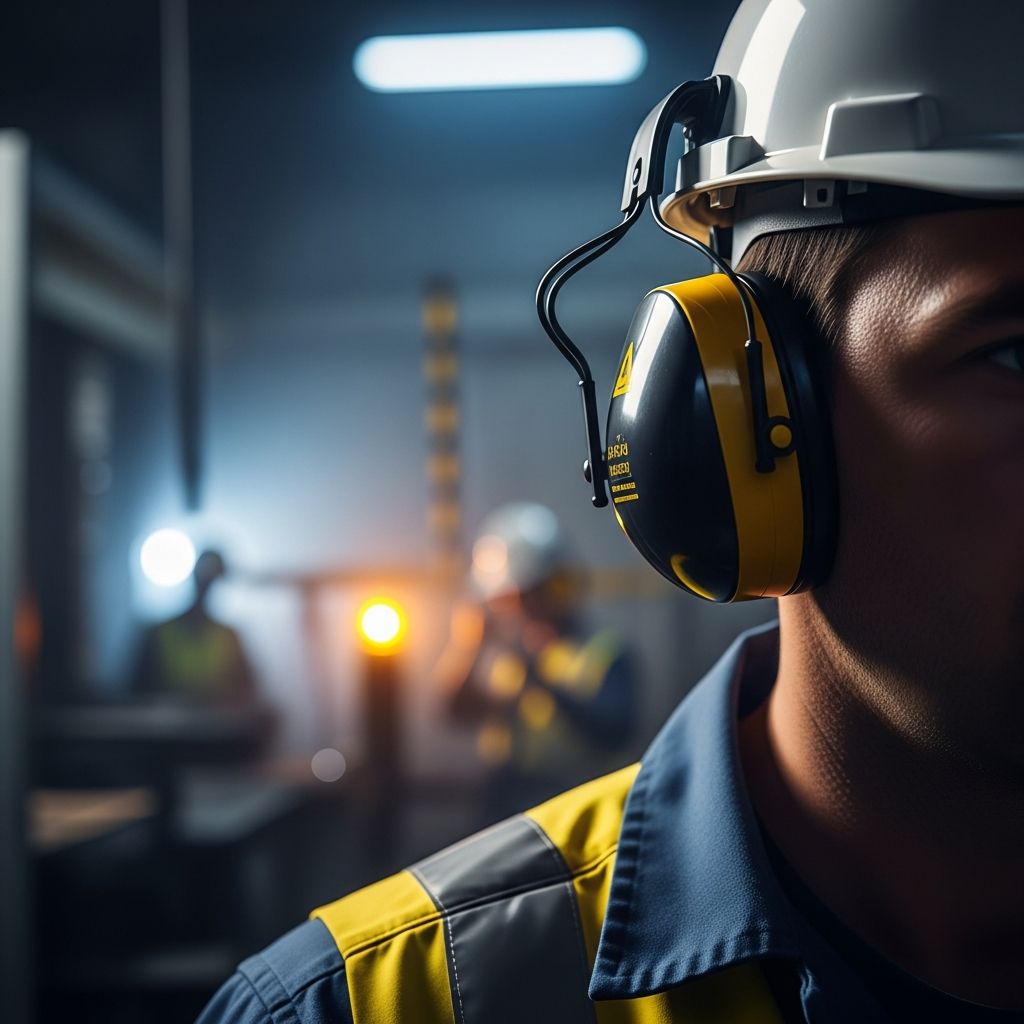
Understanding Occupational Hearing Damage and Your Rights
Hearing impairment resulting from workplace exposure represents one of the most prevalent occupational health concerns affecting workers across numerous industries. Unlike acute injuries that occur suddenly, work-related hearing deterioration typically develops gradually through prolonged exposure to hazardous noise levels or harmful workplace chemicals. Despite its prevalence, many workers remain unaware that they may qualify for workers’ compensation benefits to offset medical costs, hearing devices, and lost income associated with this condition.
The challenge with occupational hearing loss lies in its insidious nature. Workers may not immediately recognize their hearing difficulties, attributing them instead to normal aging processes or general life circumstances. However, extensive occupational noise exposure in sectors including manufacturing, construction, aviation, mining, and agricultural work can cause permanent, irreversible damage to hearing capabilities. Understanding your eligibility for workers’ compensation and the procedural steps involved in filing a claim is essential for protecting your financial interests and securing necessary medical treatment.
Industries and Occupations at Greatest Risk
Certain professions carry substantially elevated risks of developing noise-induced hearing loss. The following sectors experience disproportionately high rates of occupational hearing damage:
- Manufacturing and industrial production facilities
- Construction and carpentry work
- Mining and extraction operations
- Oil and gas industry positions
- Agricultural and farm work
- Aviation and aerospace employment
- Shipyard operations
- Military service roles
- Transportation and logistics
Workers in these fields experience regular exposure to sound levels that exceed recommended safety thresholds, creating cumulative damage to the delicate structures within the inner ear. Even when employers provide hearing protection equipment, consistent exposure to excessive noise can gradually compromise auditory function over months or years of employment.
Distinguishing Compensable Hearing Loss from Age-Related Decline
A significant obstacle in pursuing workers’ compensation claims involves differentiating occupational hearing loss from natural age-related hearing deterioration. The human hearing system naturally degrades with advancing age, making it challenging to prove that workplace conditions specifically caused the impairment rather than normal physiological aging. This distinction becomes critical when adjudicating workers’ compensation claims, as most programs only provide benefits for conditions directly attributable to employment.
To establish that your hearing loss stems from workplace exposure rather than aging, comprehensive medical documentation becomes essential. Baseline hearing assessments prior to occupational exposure, or early in employment, serve as valuable reference points. Comparing these baseline measurements with current audiometric testing can demonstrate the degree of additional hearing deterioration beyond what would be expected from age alone. This comparative analysis strengthens your claim by establishing a clear causal link between workplace conditions and your current hearing impairment.
The Medical Evaluation Process
Establishing eligibility for workers’ compensation requires professional medical assessment of your hearing status and its relationship to workplace exposure. The evaluation typically begins with a consultation with an audiologist or otolaryngologist (ENT specialist) who conducts comprehensive hearing assessments using standardized testing protocols.
Key components of a medical evaluation include:
- Audiometric testing to measure hearing thresholds across various frequencies
- Speech discrimination testing to assess your ability to understand conversation
- Detailed occupational history documenting noise exposure duration and intensity
- Assessment of hearing protection equipment usage throughout employment
- Medical records comparison to identify hearing changes over time
- Evaluation of non-occupational factors that might contribute to hearing loss
- Documentation of symptoms including tinnitus, difficulty hearing conversations, or communication challenges
The audiologist or ENT specialist must explicitly document the connection between your hearing loss and occupational noise exposure. This medical opinion forms the foundation of your workers’ compensation claim, as adjudicators need professional confirmation that workplace conditions caused or significantly contributed to your hearing impairment.
Establishing Work-Related Causation
Successfully obtaining workers’ compensation for hearing loss requires demonstrating that your employment directly caused or substantially aggravated your hearing impairment. This causation requirement distinguishes workplace hearing loss from other conditions that might affect auditory function. You must present evidence establishing several critical factors:
First, documentation showing that your workplace exposed you to harmful noise levels is essential. This might include noise level measurements from your workplace, safety records maintained by your employer, or industry standards indicating typical noise exposure for your job position. Second, evidence that you actually worked in these conditions for sufficient duration to cause hearing damage strengthens your claim. Third, medical evidence linking your specific type of hearing loss to noise exposure supports your case. Fourth, demonstrating that you followed employer-provided hearing protection protocols, yet still developed hearing loss, indicates that workplace hazards exceeded safe exposure thresholds despite precautions.
Conversely, if you worked in a quiet office environment where loud noise exposure was not part of normal job duties, establishing occupational causation becomes significantly more difficult. The burden of proof rests with you to demonstrate that workplace conditions, not other life factors, caused your hearing impairment.
Understanding the Filing Timeline and State Variations
Workers’ compensation systems vary substantially by state, and understanding your specific state’s requirements and deadlines is crucial for protecting your claim. Each state establishes different filing deadlines, benefit amounts, and procedural requirements that govern how hearing loss claims are processed and adjudicated.
Time limitations for filing claims represent a critical consideration. Most states impose statutes of limitations specifying how long after developing hearing loss you may submit a claim. These deadlines vary considerably, ranging from one to several years depending on your state’s regulations. Filing promptly after recognizing your hearing difficulties prevents losing your right to claim benefits. However, determining when hearing loss began can be challenging given its gradual nature, making it important to document when you first noticed symptoms or received professional confirmation of hearing impairment.
Beyond filing deadlines, state regulations also dictate when you must have symptoms to qualify, whether pre-existing hearing loss affects eligibility, and how much compensation you can receive. Consulting your state’s workers’ compensation board or agency provides clarity regarding your specific state’s regulations and ensures you meet all applicable requirements.
The Step-by-Step Claim Filing Process
Step 1: Report Your Condition to Your Employer
Notification to your employer represents the official starting point for workers’ compensation claims. Inform your supervisor or human resources department as soon as you recognize hearing difficulties. This notification triggers your employer’s obligation to provide claim forms and initiate the workers’ compensation process. Documentation of when you reported your condition becomes important for establishing timeline compliance and demonstrating prompt action.
Step 2: Obtain Medical Documentation
If you have not already consulted with an audiologist or ENT specialist, scheduling an appointment should be your next priority. Obtain comprehensive medical records documenting your hearing loss, the testing performed, results of audiometric assessments, and the medical professional’s opinion regarding occupational causation. These records form the evidentiary foundation of your claim.
Step 3: Gather Supporting Documentation
Compile evidence supporting your claim, including workplace noise exposure documentation, records of safety protocols and hearing protection provided, previous hearing test results, and any communications with your employer regarding noise hazards. If available, industry standards or occupational exposure guidelines for your job type strengthen your claim by establishing that your workplace exceeded safe noise levels.
Step 4: Complete Workers’ Compensation Forms
Your employer must provide state-approved workers’ compensation claim forms. Complete these thoroughly, providing detailed information about your job duties, noise exposure circumstances, when you first noticed hearing difficulties, and any symptoms you experience. Accuracy and completeness of these forms are critical, as incomplete or inaccurate submissions can delay processing or result in claim denial.
Step 5: Submit Your Claim
Submit completed forms along with supporting medical documentation and workplace exposure evidence to your employer’s workers’ compensation insurance carrier and your state’s workers’ compensation board. Keep copies of all submitted materials for your records.
Step 6: Respond to Requests for Additional Information
The workers’ compensation system may request additional medical evaluations, workplace information, or clarification regarding your claim. Respond promptly to these requests to avoid delays or claim dismissal.
Benefits Available for Occupational Hearing Loss
Workers’ compensation programs provide various benefits for employees with work-related hearing loss. However, hearing loss claims differ fundamentally from typical workers’ compensation injuries. Unlike acute traumatic injuries where treatment aims to restore full function, hearing loss is permanent and irreversible. Workers’ compensation benefits therefore focus on accommodating hearing impairment rather than curing the underlying condition.
| Benefit Type | Coverage Details |
|---|---|
| Medical Treatment | Covers audiologist visits, ENT consultations, diagnostic testing, and initial treatment evaluation |
| Hearing Aids and Devices | Covers purchase, fitting, and maintenance of hearing aids, batteries, and assistive listening devices |
| Device Servicing | Covers repairs, adjustments, and replacement of hearing aids and related equipment |
| Tinnitus Treatment | Covers medical treatment for ringing in ears, including specialist consultations and interventions |
| Disability Benefits | Provides temporary or permanent wage replacement for income lost due to hearing impairment affecting work capacity |
| Vocational Rehabilitation | Covers training and education programs if hearing loss prevents return to previous job duties |
Compensation amounts vary significantly by state. Some jurisdictions establish schedules specifying maximum weeks of wage replacement based on hearing loss severity. For example, certain states provide up to 66.66 percent of average weekly wages for a defined period corresponding to the degree of permanent hearing loss. Federal employees may receive compensation based on salary and percentage of hearing loss, with maximum compensation limits applying when both ears are affected.
Challenges in Proving Hearing Loss Claims
Workers’ compensation hearing loss claims encounter several distinctive challenges that differ from typical injury claims. The gradual onset of symptoms complicates determination of precisely when hearing loss began. Workers may not recognize auditory deterioration until it substantially impairs communication, creating uncertainty about claim eligibility windows.
Additionally, distinguishing occupational hearing loss from non-work-related causes requires sophisticated medical analysis. Audiologists must determine whether hearing impairment patterns align with noise-induced damage characteristics or reflect age-related, genetic, or other causative factors. Adjudicators scrutinize whether claimants consistently used provided hearing protection and whether workplace noise levels actually exceeded safe thresholds.
Some employers dispute hearing loss claims by arguing that workers failed to utilize hearing protection, that noise levels remained within acceptable ranges, or that claimants’ hearing loss resulted from non-occupational factors. Overcoming these challenges requires comprehensive medical evidence, workplace documentation, and often legal representation to effectively advocate for your claim.
The Role of Early Detection and Prevention
Recognizing hearing loss symptoms promptly enables earlier intervention that can prevent progression and strengthen workers’ compensation claims. Common early indicators include difficulty hearing conversations, especially in noisy environments, frequent requests for others to repeat themselves, tinnitus (ringing in the ears), or muffled hearing sensation.
Preventing occupational hearing loss begins with employers maintaining workplaces below hazardous noise levels through engineering controls, administrative procedures, and worker hearing protection programs. However, employees bear responsibility for consistently using provided hearing protection equipment. Documentation showing consistent hearing protection use supports workers’ compensation claims by demonstrating that workplace hazards, not individual negligence, caused hearing impairment.
Baseline audiometric testing early in employment creates crucial reference data for later comparison. This baseline establishes your normal hearing function, enabling medical professionals to calculate how much additional deterioration occurred during employment versus normal aging processes. Requesting baseline hearing assessments through your employer protects your interests if occupational hearing loss develops later.
When Legal Representation Becomes Necessary
While some workers successfully navigate the claims process independently, engaging an experienced workers’ compensation attorney significantly improves claim outcomes, particularly in disputed cases. Attorneys specializing in occupational hearing loss claims understand state-specific regulations, help gather persuasive evidence, negotiate with insurance carriers, and represent your interests in appeal proceedings if initial claims are denied.
Consider legal representation if your claim is denied, if your employer contests the occupational causation of your hearing loss, if you face disputes regarding benefit amounts, or if you experience retaliation for filing your claim. Attorneys can also advise whether filing a claim with a previous employer is appropriate when you developed hearing loss years after leaving that position.
Frequently Asked Questions
Q: Can I file a workers’ compensation claim for hearing loss at a previous employer?
A: Yes, you may file claims with previous employers if you developed hearing loss during their employment, provided you file within your state’s specified time limits. However, timing requirements vary by state, so prompt action is essential.
Q: What if my employer claims I didn’t use hearing protection properly?
A: Employer claims regarding improper protection use do not automatically disqualify you. Many states require employers to maintain safe noise levels regardless of worker protection compliance. If noise exposure exceeded safe thresholds, you may still qualify for benefits even if protection use was imperfect.
Q: Does hearing loss have to be permanent to qualify for workers’ compensation?
A: No. While permanent hearing loss typically qualifies, many states recognize that even non-permanent hearing impairment can constitute a significant workplace injury warranting compensation and medical treatment.
Q: How long does the workers’ compensation hearing loss claims process take?
A: Processing timelines vary substantially by state and claim complexity. Simple claims may be approved within weeks, while disputed claims can take several months to years. Engaging legal representation can sometimes expedite resolution.
Q: What if I have mild hearing loss—do I still qualify?
A: Yes. Hearing loss severity requirements vary by state, but many jurisdictions recognize mild hearing impairment as compensable if it results from workplace exposure and affects your communication or work performance.
Q: Can I pursue a personal injury lawsuit in addition to workers’ compensation?
A: Generally, workers’ compensation represents the exclusive remedy for work-related injuries, precluding separate lawsuits against employers. However, some circumstances involving third-party negligence may permit additional legal action. Consult an attorney regarding your specific situation.
References
- Can I get workers’ compensation for hearing loss? — Healthy Hearing. 2024. https://www.healthyhearing.com/report/53178-Workers-comp-hearing-loss-tinnitus
- Can I Collect Workers’ Compensation for Hearing Loss? — Shebell & Shebell, LLC. 2024. https://shebell.com/can-you-collect-workers-compensation-for-hearing-loss/
- Workers Comp for Hearing Loss — Finkelstein Meirowitz & Eidlisz. 2024. https://fmelaw.com/frequently-asked-questions/can-i-get-workers-comp-for-hearing-loss/
- Guide to Workers’ Compensation for Hearing Loss — Chalk Law Office. 2024-01-31. https://www.chalklaw.com/blog/2024/1/31/guide-to-workers-compensation-for-hearing-loss
- FAQs About Workers’ Compensation Claims for Noise-Induced Hearing Loss — Rosen Hagood, LLC. 2024. https://rosenhagood.com/faq-claims-for-noise-induced-hearing-loss/
- Hearing Loss at Work: Workers’ Compensation Eligibility — Hoffman Law Firm. 2024. https://www.hoffmanlawfirm.com/blog/hearing-loss-from-work-are-you-eligible-for-workers-compensation
- Workers’ Compensation Costs for Occupational Hearing Loss — National Center for Biotechnology Information (NCBI). 2023. https://pmc.ncbi.nlm.nih.gov/articles/PMC10562048/
Similar Articles








Read full bio of medha deb




