
Workers’ Compensation For Skin Cancer: Practical Guide In 2025
Discover if occupational UV exposure qualifies skin cancer for workers' comp benefits across states and key steps to file successfully.
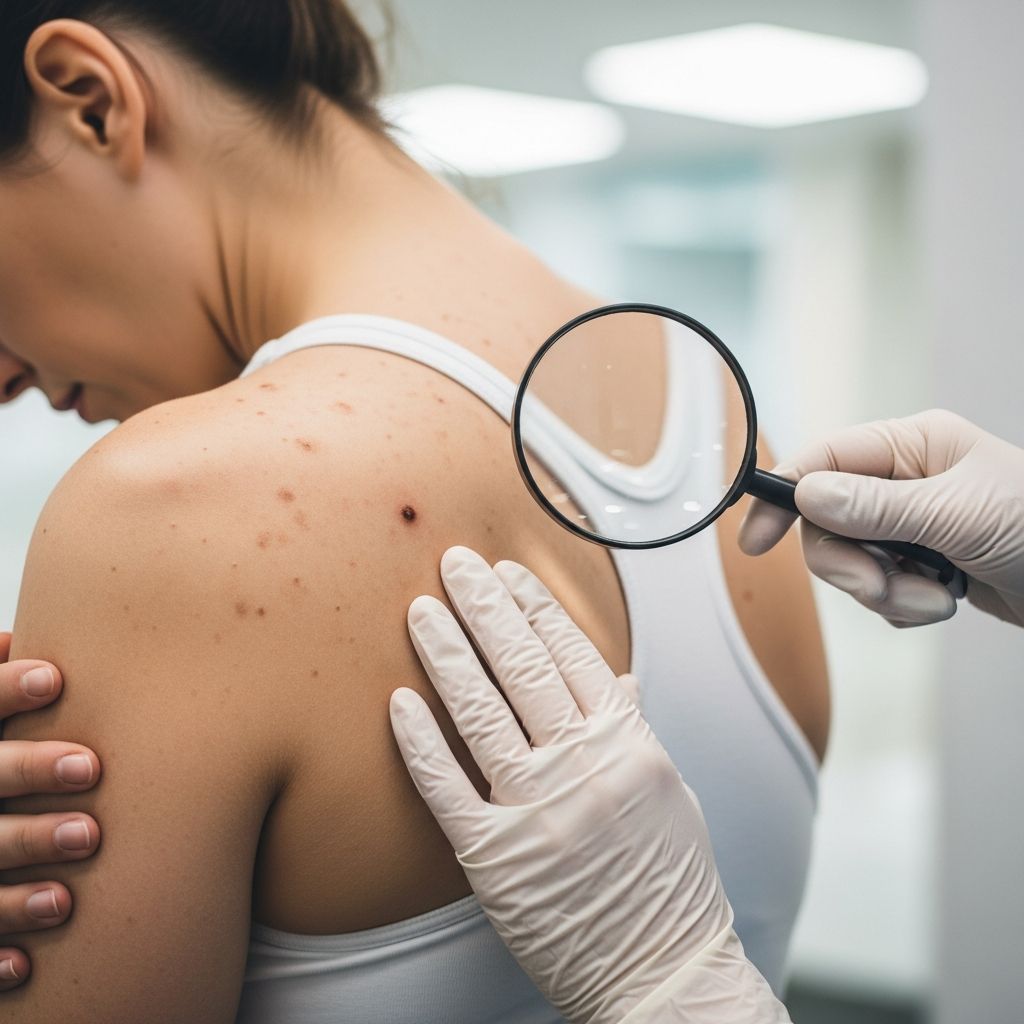
Skin cancer claims under workers’ compensation hinge on proving substantial job-related ultraviolet (UV) radiation exposure as the primary cause, distinguishing it from everyday sun contact. This article examines eligibility criteria, vulnerable professions, legal frameworks by jurisdiction, evidence strategies, and practical guidance for pursuing benefits.
Understanding Skin Cancer as a Work-Related Condition
Skin cancer ranks as the most prevalent cancer in the United States, largely due to UV radiation from sunlight penetrating the skin and damaging DNA in cells. While general population exposure occurs daily, occupational settings amplify risks for certain workers through prolonged, unavoidable outdoor time without adequate safeguards.
Workers’ compensation systems classify such conditions as ‘occupational diseases’ when they stem directly from employment duties. Proving this requires demonstrating that workplace conditions substantially contributed to the disease’s onset, beyond incidental personal exposure. Key factors include duration and intensity of UV contact, lack of protective measures, and medical opinions linking the diagnosis to job activities.
- UV Radiation Types: UVB rays cause direct DNA damage; UVA penetrates deeper, accelerating aging and cancer risk.
- Common Forms: Basal cell carcinoma (least aggressive), squamous cell carcinoma, and melanoma (most deadly).
- Incidence Data: Over 1 in 5 Americans face lifetime risk; occupational cases affect tens of thousands annually.
High-Risk Occupations Exposed to UV Hazards
Professions demanding extended outdoor labor face elevated skin cancer rates. Employers must mitigate risks via protective gear, shade structures, and rotation schedules, but failures often lead to claims.
| Occupation Category | Key Exposure Factors | Examples |
|---|---|---|
| Agriculture & Landscaping | Daily fieldwork under direct sun | Farmers, arborists, nursery workers |
| Construction & Trades | Roofing, scaffolding without cover | Roofers, masons, highway crews |
| Public Safety & Recreation | Patrols, rescues in open areas | Lifeguards, park rangers, firefighters |
| Transportation & Energy | Long-haul drives, rig operations | Truck drivers, oil rig hands |
| Industrial Processing | Chemical tars, coal handling | Miners, smelters |
These roles often involve reflective surfaces like water, sand, or concrete, intensifying UV effects. Construction workers, for instance, report high incidences due to inconsistent shade and gear usage.
Legal Standards for Qualification Across States
Workers’ compensation laws vary by state, with some offering presumptions for specific jobs while others demand rigorous proof. No uniform federal mandate exists for private sector claims, though federal employees under programs like Part E may qualify differently.
- California Specifics: Active lifeguards with three months’ annual service benefit from a rebuttable presumption that skin cancer arises from duties. Recent legislative efforts, like SB 391, aimed to extend this to certain peace officers but failed.
- Georgia Requirements: Claimants must show the disease originated from job risks, naturally resulted from work, and exceeded non-work exposures—not typical for the public.
- General U.S. Trends: Insurers scrutinize claims due to ubiquitous sun exposure, often denying initially; appeals succeed with strong medical and exposure records.
In delayed-status scenarios, such as some public safety claims, workers receive up to $10,000 in medical care pending investigation, with retroactive wage benefits if approved.
Building a Strong Case: Evidence and Medical Links
Success rates improve with comprehensive documentation. Insurers and courts evaluate causation via expert testimony, employment history, and comparative exposure analyses.
- Medical Documentation: Dermatologist reports affirming work as predominant factor, including biopsy results and staging.
- Employment Records: Payroll logs showing outdoor hours, job descriptions, and supervisor statements on conditions.
- Exposure Logs: Personal diaries tracking sun hours, protective equipment issued (or not), and site photos.
- Expert Witnesses: Occupational health specialists quantifying UV dose from job vs. leisure.
- Rebutting Denials: Address ‘substantial exposure’ defenses by contrasting work intensity.
Physicians play a pivotal role; a clear statement tying diagnosis to occupation bolsters claims significantly.
Navigating the Claims Process Step-by-Step
Filing promptly preserves rights, as statutes limit timelines (often 30 days for notice, 1-2 years for formal claims).
- Report diagnosis to employer immediately, requesting DWC-1 or equivalent form.
- Seek treatment; use non-MPN doctors if allowed for cancer evaluations.
- Submit claim package with all evidence; expect 75-90 day investigation periods.
- If denied, appeal via state board hearings; legal representation boosts outcomes.
- Await adjudication; accepted claims cover medical costs, lost wages (typically 2/3 of average), and permanent disability awards.
Benefits exclude pain/suffering damages but provide no-fault recovery. Third-party suits against negligent equipment makers remain viable if applicable.
Prevention Strategies for Employers and Workers
Proactive measures reduce claims and liabilities. OSHA recommends layered protections.
- For Employers: Supply UPF 50+ clothing, broad-spectrum SPF 30+ sunscreen, hats, and scheduled breaks in shade. Train on reapplication and risks.
- For Workers: Layer dark long-sleeve attire, seek shade, use 4-star rated sunglasses, and monitor skin monthly via ABCDE checks (Asymmetry, Border, Color, Diameter, Evolving).
- Policy Integration: Annual skin exams for at-risk staff, UV index monitoring apps.
Compliance not only safeguards health but defends against negligence allegations in disputes.
Frequently Asked Questions
Can all outdoor workers claim workers’ comp for skin cancer?
No, proof of predominant work causation is required; casual exposure doesn’t qualify.
What if my claim is initially denied?
Appeal with additional evidence; attorney involvement often reverses denials.
Does workers’ comp cover treatment costs fully?
Yes, for accepted claims, including surgery, therapy, and prosthetics if needed.
Are firefighters presumed covered?
Some states extend cancer presumptions to them; skin cases evaluated individually.
How long after diagnosis can I file?
Varies by state; act quickly to avoid bars, ideally within 30 days of awareness.
Conclusion: Empowering Informed Action
Securing workers’ comp for skin cancer demands diligence in evidence gathering and legal navigation. High-risk workers should consult specialists early, document exposures meticulously, and engage experienced attorneys to counter insurer pushback. Early detection and prevention remain paramount, blending workplace policy with personal vigilance for optimal outcomes.
References
- Attorneys Explain Workers Compensation for Skin Cancer — workercomplaw.com. 2023. https://workercomplaw.com/long_beach_workers-compensation-attorneys/
- Does Workers’ Compensation Cover Skin Cancer? — Roden Law. 2023. https://rodenlaw.com/blog/workers-comp-for-skin-cancer/
- SB 391: Workers’ compensation: skin cancer — California State Legislature (calmatters.digitaldemocracy.org). 2024-01-25. https://calmatters.digitaldemocracy.org/bills/ca_202320240sb391
- National Institute for Occupational Safety and Health (NIOSH) Skin Cancer Estimates — Referenced via workercomplaw.com. 2023. https://workercomplaw.com/long_beach_workers-compensation-attorneys/
Similar Articles








Read full bio of Sneha Tete




