
Workers’ Compensation For Remote Employees: Expert Guide 2025
Essential guide to securing workers' compensation benefits for injuries sustained while telecommuting from home.
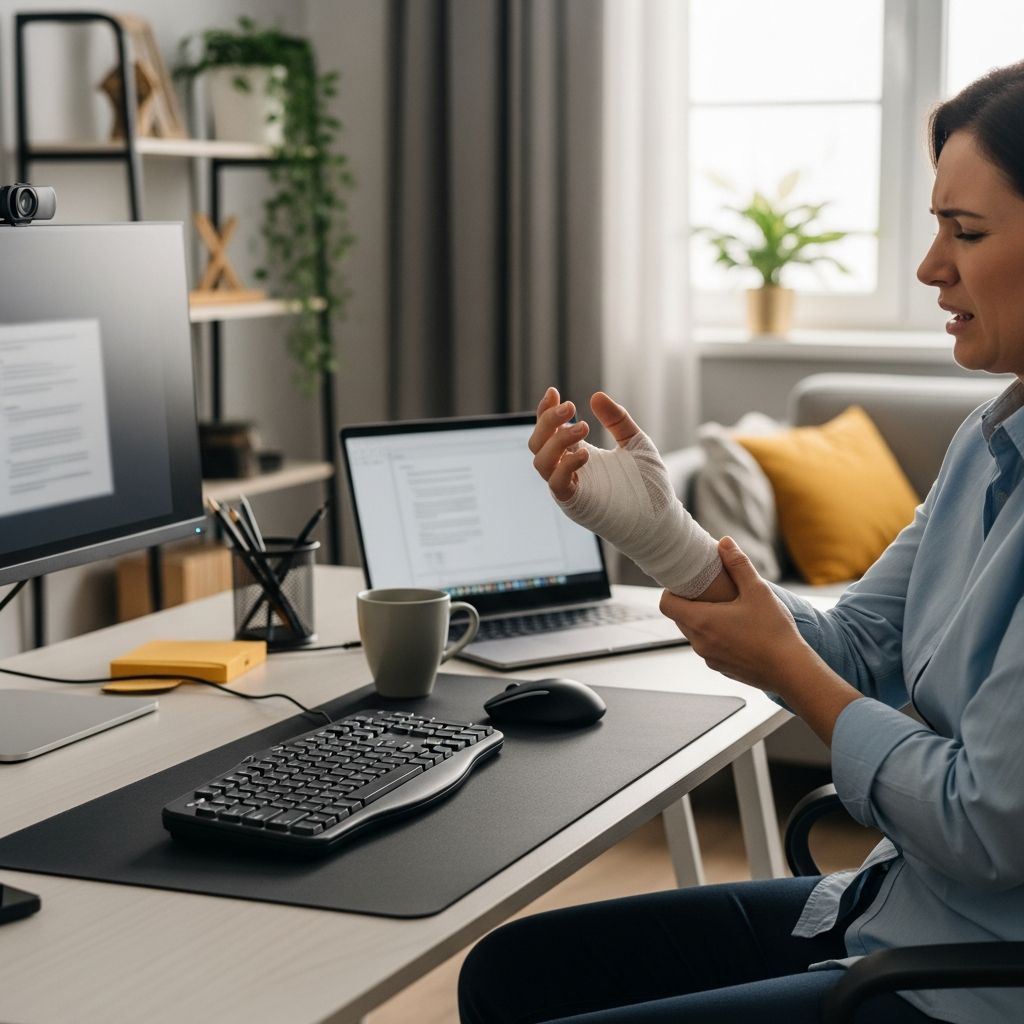
Remote work has become a cornerstone of modern employment, with millions of professionals setting up dedicated spaces in their homes to fulfill job responsibilities. However, this shift introduces unique risks, including injuries that occur far from traditional office environments. Workers’ compensation laws have evolved to address these scenarios, generally providing coverage for accidents and health issues arising directly from work duties performed at home. This comprehensive guide examines eligibility requirements, prevalent injury types, procedural steps for filing claims, and critical considerations for telecommuters seeking benefits.
Understanding Coverage Scope for Remote Employees
Workers’ compensation insurance is mandated by state laws to protect employees from financial losses due to job-related injuries or illnesses, regardless of the physical location. For remote workers, coverage hinges on whether the incident occurred during designated work hours while performing assigned tasks. This principle, often termed ‘arising out of and in the course of employment,’ extends to home settings treated as extensions of the workplace.
Key determinants include:
- Time of Incident: Must align with scheduled work periods, excluding personal breaks outside work scope.
- Activity Context: Directly linked to job functions, such as data entry, virtual meetings, or handling work materials.
- Workspace Designation: Injuries in a defined home office area strengthen claims compared to general household spaces.
Under doctrines like the ‘personal comfort’ allowance, brief activities such as fetching water or restroom visits during work hours may qualify if they support ongoing productivity.
Prevalent Injury Categories in Home Workspaces
Home offices, often improvised from living spaces, amplify certain hazards. Prolonged screen time and suboptimal setups contribute to chronic conditions, while cluttered environments heighten acute accident risks. Below are the most frequently reported issues among telecommuters.
| Injury Type | Description | Common Causes | Example Scenarios |
|---|---|---|---|
| Repetitive Strain Injuries (RSIs) | Musculoskeletal disorders from repeated motions | Extended keyboard/mouse use, poor posture | Carpal tunnel from typing reports; tendonitis in wrists from video calls |
| Ergonomic Strains | Back, neck, or shoulder pain from setup flaws | Inadequate chairs, non-adjustable desks | Neck strain from laptop screens; lower back pain from prolonged sitting |
| Slips, Trips, Falls | Acute trauma from environmental hazards | Cords, rugs, cluttered floors | Falling while navigating to printer; tripping over cables during meetings |
| Overuse Conditions | Joint inflammation from sustained activity | Repetitive clicking, static positions | Bursitis in elbows; general fatigue from 8+ hour desk sessions |
These injuries account for a significant portion of remote claims, with ergonomic issues rising sharply post-pandemic due to makeshift workstations.
Exclusions and Boundaries of Protection
Not every home mishap qualifies for benefits. Insurers scrutinize claims to exclude non-work elements, applying rules like the ‘coming and going’ exclusion, which typically denies coverage for commute-related incidents. For home-based workers, this rule is often irrelevant since the residence functions as the primary site, though exceptions apply for travel to secondary locations.
- Injuries during purely personal tasks (e.g., cooking meals, exercising).
- Pre-existing conditions worsened by non-work factors.
- Incidents from policy-violating behavior (e.g., substance use on duty).
- Self-inflicted or intentional harms.
Proving work nexus becomes challenging in blurred home-work boundaries, necessitating detailed documentation.
Navigating the Claims Process Step-by-Step
Filing a successful claim requires prompt action and meticulous records. Delays can jeopardize eligibility, with many states imposing 30-day reporting windows.
- Immediate Reporting: Notify your employer via email or call, specifying date, time, location, and circumstances. Request a formal incident form.
- Medical Evaluation: Seek treatment promptly, informing providers of work relation. Retain all receipts, notes, and diagnoses.
- Evidence Gathering: Compile photos of the workspace, witness statements (e.g., colleagues on calls), time logs, and equipment descriptions.
- Employer/Insurer Submission: Submit completed forms; cooperate but consult legal counsel before detailed statements to insurers.
- Follow-Up: Track claim status, appeal denials if needed, potentially involving state boards or attorneys.
Benefits typically encompass medical costs (visits, therapy, meds), partial wage replacement (often 66% of average weekly earnings), and rehabilitation support.
State Variations and Employer Responsibilities
While federal guidelines are absent, state statutes govern specifics. Florida, for instance, mandates coverage for all employees including remotes, emphasizing ‘course of employment.’ Employers must maintain policies covering distributed teams and may conduct virtual ergonomic audits.
Remote setups as ‘secondary job sites’ alter traditional rules, benefiting claimants but complicating multi-state operations.
- Multi-State Workers: Coverage follows work state or employment contract terms.
- Employer Duties: Provide guidelines for safe home offices, insurance verification.
Pro Tips for Safeguarding Your Home Workspace
Prevention mitigates risks and bolsters claims. Invest in adjustable furniture, cable management, and routine stretches. Employers often reimburse ergonomic gear.
- Designate a exclusive work zone free of household traffic.
- Log work hours precisely via apps or calendars.
- Report near-misses to establish patterns.
- Consult specialists for early RSI intervention.
Frequently Asked Questions
Does workers’ comp cover mental health issues from remote work?
Yes, if linked to job stressors like overload during work hours, per state mental health provisions.
Am I covered if injured getting coffee during a work call?
Potentially, under personal comfort doctrines if brief and during scheduled time.
What if my employer denies my home injury claim?
Appeal via state agency; attorney representation improves outcomes.
Do I need a dedicated home office room?
Not strictly, but defined areas aid proof of work-relatedness.
How much wage replacement is standard?
Typically two-thirds of average weekly wage, varying by state.
Leveraging Legal Support for Complex Claims
Remote claims often face heightened scrutiny due to proof burdens. Attorneys specializing in workers’ comp can gather evidence, negotiate settlements, and litigate denials, often on contingency. Early consultation preserves rights amid tight deadlines.
In summary, telecommuters enjoy robust protections mirroring office workers, provided incidents tie to employment scope. Awareness of rules empowers informed actions post-injury.
References
- Workers’ Comp for Remote Employees: Coverage Guide — The Hartford. 2023-05-15. https://www.thehartford.com/workers-compensation/working-from-home
- Workers’ Compensation for Remote and Telecommuting Employees — Werner Hoffman. 2024-02-20. https://wernerhoffman.com/blog/workers-compensation-remote-workers/
- Exploring Workers Compensation for Remote Workers — Hartley Law. 2023-11-10. https://hartleylawtx.com/blog/exploring-workers-compensation-for-remote-workers/
- Can Remote Workers Make Workers’ Comp Claims? — Super Lawyers. 2024-01-08. https://www.superlawyers.com/resources/workers-compensation/can-remote-workers-get-workers-compensation-benefits/
- Florida Remote Workers’ Comp – Your Rights After a Work Injury — Frank Eidson. 2023-09-12. https://www.frankeidson.com/blog/florida-workers-comp-remote-employees/
- Workers’ Comp for Remote Employees: Compliance Risks — Poster Guard. 2024-03-05. https://www.posterguard.com/workers-comp-for-remote-employees
- How Does Workers Comp Work For Remote Employees? — Darr Schackow Insurance. 2023-07-22. https://darrschackowinsurance.com/blog/workers-compensation/how-does-workers-comp-work-for-remote-employees/
Similar Articles








Read full bio of medha deb




