
Frostbite Workers’ Compensation: Employer And Worker Guide 2025
Learn if frostbite from cold work conditions qualifies for workers' comp benefits, coverage details, and claim filing steps.
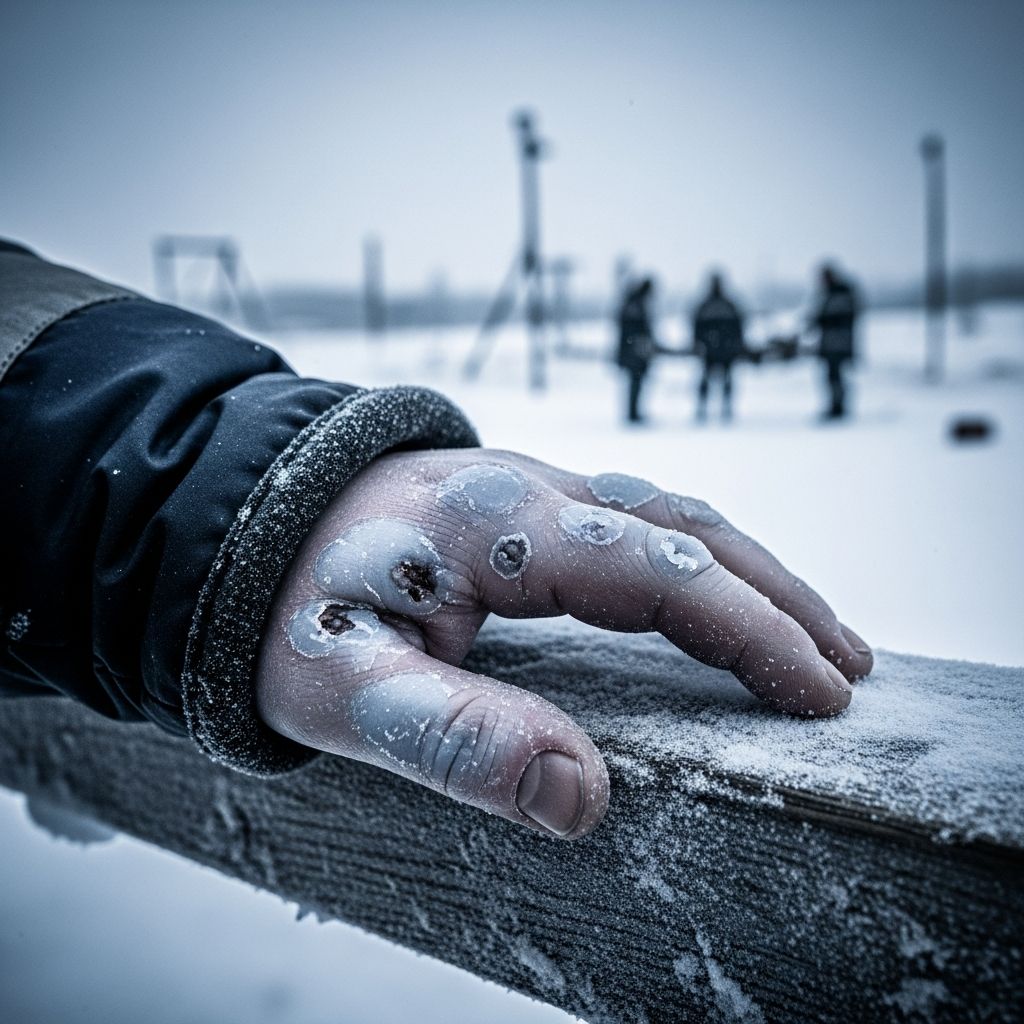
Frostbite represents a serious occupational hazard for workers exposed to extreme cold, and most jurisdictions recognize it as a compensable injury under workers’ compensation laws when it arises from job duties.
Understanding Frostbite in Occupational Settings
Frostbite happens when skin and underlying tissues freeze due to prolonged exposure to freezing temperatures, often accelerated by wind chill, wetness, or direct contact with cold surfaces. The risk escalates below 5°F, with exposed skin potentially freezing in under 30 minutes at wind chills around -16.6°F. Workers in construction, law enforcement, firefighting, delivery services, and utilities face heightened vulnerability during winter operations.
Early detection is crucial, as untreated frostbite can lead to tissue death, infection, amputation, or chronic pain. Employers bear legal responsibilities under frameworks like the Occupational Safety and Health Act of 1970 to mitigate these risks through training, protective gear, and environmental controls.
Degrees of Frostbite and Their Work Impacts
Frostbite progresses in stages, each with distinct symptoms and potential for long-term disability:
- Surface Frostbite: Skin pales or turns red, accompanied by prickling, stinging, or numbness. Warming restores sensation quickly, but repeated episodes increase severity risk.
- Intermediate Frostbite: Affects deeper skin layers, causing hardening, swelling, redness, and blisters upon rewarming. Pain and itching follow, though permanent damage is rare without complications.
- Deep Frostbite: Involves muscles and bones; skin appears bluish-gray or black, with joint stiffness, large blisters after 1-2 days, and eventual tissue necrosis requiring surgical intervention.
These injuries often sideline workers for weeks or months, disrupting earning capacity and necessitating extensive medical intervention.
High-Risk Professions Exposed to Cold Extremes
| Occupation | Common Exposure Scenarios | Associated Risks |
|---|---|---|
| Construction Workers | Outdoor framing, roofing in winter | Prolonged standing on frozen ground, handling metal tools |
| Police/Firefighters | Patrols, emergency responses in storms | Wind exposure during traffic control or rescues |
| Delivery/Utility Workers | Door-to-door service, line repairs | Multiple hours in subzero temps without shelter |
| Warehouse/Baggage Handlers | Unheated loading docks | Direct contact with frozen cargo |
These roles demand outdoor presence regardless of weather, amplifying frostbite incidence during harsh winters.
Employer Legal Duties to Prevent Cold Injuries
Federal and state regulations mandate employers to safeguard against cold stress. Key obligations include:
- Providing insulated, waterproof clothing like gloves, hats, boots, and layered apparel.
- Scheduling shifts during warmer daylight hours and enforcing frequent warm breaks.
- Installing heaters, wind barriers, or warming stations at sites.
- Training on symptom recognition, proper layering, and emergency rewarming protocols.
- Monitoring worker conditions and supplying warm fluids.
Failure to comply can strengthen a workers’ comp claim, as it demonstrates negligence in providing a safe environment.
Does Workers’ Compensation Cover Frostbite?
Yes, frostbite qualifies as a workplace injury if it occurs during employment duties, even without a specific ‘accident.’ No-fault systems cover medical costs, lost wages, and disability regardless of fault. Coverage extends to:
- Medical Expenses: Hospitalization, surgery, medications, therapy, and prosthetics if amputation occurs.
- Wage Replacement: Typically 2/3 of average weekly wage during recovery, up to maximum medical improvement (MMI).
- Disability Payments: Permanent partial or total benefits for lasting impairments like reduced hand function.
- Vocational Rehabilitation: Retraining if unable to return to prior role.
Benefits vary by state; for instance, New York offers scheduled loss awards for amputations.
Navigating the Claim Filing Process
Secure your benefits by acting swiftly:
- Seek Immediate Care: Visit an approved provider; document frostbite as work-related.
- Report to Employer: Notify supervisor in writing within 30 days to preserve rights.
- File Official Claim: Submit forms like C-3 in New York within two years.
- Gather Evidence: Photos of injury, weather reports, witness statements, and medical records linking to job exposure.
- Attend Hearings: If denied, appeal with legal support.
Delays or incomplete reports often lead to denials, so precision matters.
Overcoming Common Claim Denials
Insurers may dispute claims by arguing:
- Injury predated work or resulted from personal negligence (e.g., inadequate personal clothing).
- Exposure wasn’t ‘unusual’ for the job.
- Pre-existing conditions contributed.
Counter with medical expert opinions tying symptoms directly to work conditions and proof of employer-provided protections’ insufficiency.
Prevention Strategies for Employers and Workers
Proactive measures reduce claims:
- Buddy System: Monitor colleagues for early signs like shivering or color changes.
- Layering Technique: Moisture-wicking base, insulating mid-layers, windproof outer shells.
- Hydration and Nutrition: Warm drinks prevent dehydration-exacerbated cold sensitivity.
- Engineering Fixes: Heated enclosures, insulated tools.
Workers should never ignore numbness or use direct heat sources like fire for rewarming, which worsens damage.
Long-Term Consequences and Recovery Outlook
Severe cases yield lifelong issues: sensitivity to cold, arthritis, nerve damage, or psychological trauma from disfigurement. Recovery timelines span days for mild cases to years post-amputation. Comprehensive rehab restores function, but some disabilities persist, qualifying for ongoing payments.
Frequently Asked Questions
Is frostbite always covered by workers’ comp?
Generally yes, if linked to job exposure; consult state laws for specifics.
What if my employer provided gear but I didn’t wear it?
Coverage often holds if exposure was inevitable, but compliance strengthens claims.
Can I sue my employer instead of filing workers’ comp?
Typically no, due to no-fault exclusivity, unless gross negligence proven.
How long after injury can I file?
30 days notice, 1-2 years for formal claim; act fast.
Do indoor workers qualify?
Yes, if in freezers or unheated spaces.
References
- Can I File a Workers’ Compensation Claim for Frostbite Injuries at Work? — Ganassin Law Office. 2023. https://www.ganassin.com/workers-compensation/can-i-file-a-workers-compensation-claim-for-frostbite-injuries-at-work/
- Claiming Workers’ Compensation for Frostbite — Ankin Law. 2023. https://ankinlaw.com/workers-compensation-for-frostbite/
- Cold Weather Injuries: Are Workers Entitled to Benefits? — Larson & Gallivan Law. 2023. https://larsoninjurylaw.com/cold-weather-injuries-are-workers-entitled-to-benefits/
- Understanding Workers’ Compensation Claims Involving Frostbite and Hypothermia — O’Connor Law PLLC. 2023. https://www.nyworkerslaw.com/blog/understanding-workers-compensation-claims-involving-frostbite-and-hypothermia/
- Winter Workers’ Compensation Claims — Arthur Crum Law. 2023. https://arthurcrum.com/winter-workers-compensation-claims/
- Cold Weather Workers Compensation Claims: Four Things You Need to Know — CEH Law. 2023. https://cehlaw.com/cold-weather-workers-compensation-claims-four-things-you-need-to-know/
Similar Articles








Read full bio of Sneha Tete




