
Winter Slips: Key Liability Risks in Cold Weather
Navigate the legal pitfalls of icy conditions, from slips on untreated paths to vehicle crashes in snowstorms.
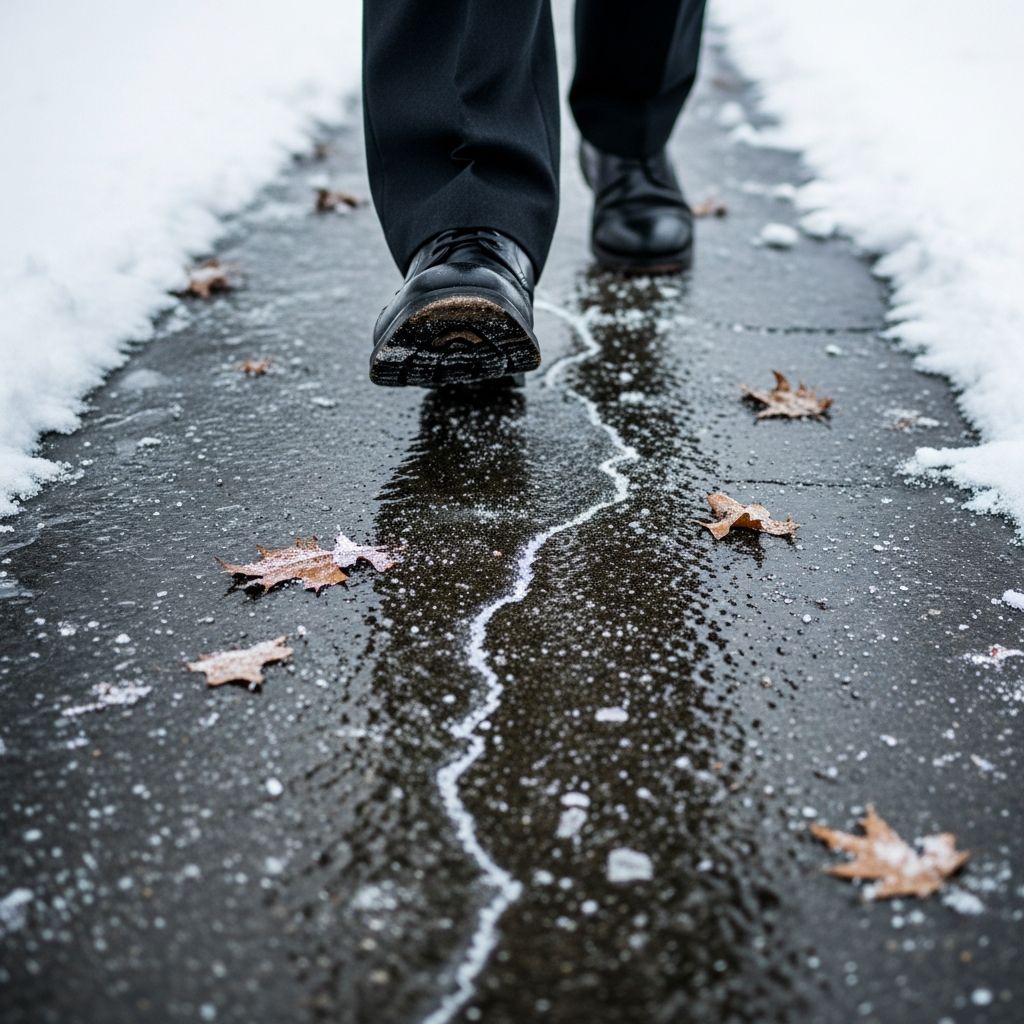
Winter brings festive joy but also heightened risks of personal injury from ice, snow, and freezing temperatures. Property owners, drivers, and employers face legal responsibilities to mitigate these dangers, and understanding liability can help injured parties seek rightful compensation.
Understanding Premises Liability in Snowy Conditions
Property owners must maintain safe environments, especially when snow and ice accumulate. In many jurisdictions, they have a reasonable time—often 24 to 48 hours after a storm—to clear walkways, parking areas, and entrances. Failure to do so can lead to premises liability claims if visitors slip and suffer harm. This duty extends to commercial properties, apartments, and public spaces where invitees or licensees expect safety.
Common scenarios include untreated sidewalks outside stores or office buildings. For instance, if a shopper fractures a hip after falling on an icy ramp, the owner may be liable if they neglected salting or sanding. Courts often examine weather records and maintenance logs to determine reasonableness.
The Hidden Menace of Black Ice and Its Legal Ramifications
Black ice, a thin, transparent layer nearly invisible on roads and paths, causes thousands of accidents annually. It forms when moisture refreezes, often at night or in shaded areas. Both drivers and pedestrians can lose control, leading to severe outcomes.
Liability for black ice typically falls on those controlling the surface. Municipalities must treat public roads promptly, while private owners handle their lots. A key factor is prior knowledge: if a property manager knew of refreezing risks but did nothing, they breach their duty. Pedestrians hit by vehicles on black ice may claim against negligent drivers who failed to adjust speed.
| Hazard Type | Common Locations | Responsible Party |
|---|---|---|
| Black Ice on Roads | Highways, bridges | Municipalities, drivers |
| Black Ice on Walkways | Sidewalks, parking lots | Property owners |
| Refreezing After Snow | Driveways, stairs | Homeowners, landlords |
Vehicle Collisions Amid Winter Storms
Reduced visibility, slick surfaces, and longer stopping distances make car accidents prevalent in winter. Negligent driving—such as speeding or tailgating—compounds these risks, but poor road maintenance by local governments can share blame. Victims often sustain whiplash, fractures, or traumatic brain injuries requiring extensive treatment.
- Driver Fault: Failing to use winter tires or chains where required.
- Government Negligence: Delayed plowing or salting major arteries.
- Mechanical Failures: Brakes seizing in cold weather, if not addressed.
In multi-vehicle pileups, comparative negligence laws apportion fault based on each party’s contribution, affecting settlement amounts.
Dangers from Overhead: Icicles and Snow Falls
Accumulated ice on roofs, gutters, and overhangs poses threats to those below. Falling icicles or heavy snow slides can cause head trauma, lacerations, or fatal injuries. Building managers must inspect and remove these hazards, particularly in pedestrian-heavy areas like city streets.
Liability arises from foreseeable risks. If a storefront allows icicles to dangle over a busy entrance without barriers or removal, injured passersby can pursue claims. Preventive measures include heated cables or professional snow removal services.
Pedestrians Caught in Icy Crosswalks
Winter impairs visibility for both walkers and motorists, spiking pedestrian strikes. Slippery sidewalks may force people into streets, where drivers must yield extra caution. Common injuries include broken bones and soft tissue damage.
Drivers bear primary responsibility to scan for hazards, reduce speed, and brake gradually. Property owners contribute if uncleared paths channel pedestrians into traffic. Eyewitness accounts and traffic cams often prove pivotal in these cases.
Workplace Hazards in Freezing Temperatures
Employees in construction, delivery, or outdoor maintenance face amplified risks from icy sites and extreme cold. Slips on job premises, vehicle mishaps, or cold-related illnesses like frostbite trigger workers’ compensation, but third-party suits may apply for vendor or contractor negligence.
Employers must provide gear like insulated boots, heated breaks, and training on hazard recognition. A roofer falling from an icy ladder, for example, could claim against the site owner if scaffolding wasn’t cleared.
Aggravation of Prior Injuries: The Eggshell Plaintiff Rule
Winter incidents often worsen pre-existing conditions, such as arthritis flares from falls or neck strains from minor rear-ends. The ‘eggshell skull’ doctrine holds defendants liable for full damages, regardless of a victim’s fragility.
Medical records documenting baseline symptoms versus post-accident worsening are crucial. Insurers may dispute causation, so expert testimony links the event to increased pain or disability. Recoverable damages cover extra therapy, lost income, and suffering.
| Damage Type | Examples in Winter Cases | Potential Compensation |
|---|---|---|
| Medical Costs | Surgery for aggravated fractures | Bills, future care |
| Lost Wages | Extended recovery time | Back pay, diminished earning |
| Pain & Suffering | Chronic pain escalation | Non-economic awards |
Prevention Strategies for Property Owners and Drivers
Proactive steps reduce liability exposure. Owners should salt paths immediately after storms, install lights for night visibility, and post warnings. Drivers benefit from slow speeds, defensive habits, and vehicle checks.
- Use grit or de-icers on all walkable surfaces.
- Clear roofs to prevent ice dams.
- Equip fleets with snow tires.
- Train staff on winter safety protocols.
Navigating Insurance and Claims Processes
Filing after a winter injury involves prompt reporting, photo evidence, and witness details. Consult attorneys experienced in seasonal cases to counter lowball offers. Statutes of limitations—typically 2-3 years—urge quick action.
Compensation varies by jurisdiction but often includes economic and non-economic losses. Strong cases leverage weather data, maintenance failures, and injury severity.
Frequently Asked Questions
How long do property owners have to clear snow?
Typically 24-48 hours post-storm, depending on local ordinances and storm intensity.
Can I sue if black ice causes a crash on a city road?
Yes, if the municipality failed reasonable maintenance, though sovereign immunity may limit claims.
What if winter worsens an old injury?
The eggshell rule applies; you’re compensated for the full extent of new harm.
Are homeowners liable for icy driveways?
Yes, for invited guests; social visitors have lower duties in some states.
How to prove negligence in slip cases?
Gather photos, weather reports, and incident timelines showing ignored hazards.
References
- Common Types of Personal Injury Claims in the Winter Season — O’Connor Personal Injury Lawyers. 2024. https://www.oconnorpersonalinjury.com/common-types-of-personal-injury-claims-in-the-winter-season/
- When Winter Weather Worsens an Injury: Who’s Liable — Brunk Law Firm. 2025-12. https://www.brunklaw.com/blog/2025/december/when-winter-weather-worsens-an-injury-who-s-liab/
- Top Injuries Sustained During Winter Due to Negligence — Do Injury Law. 2024. https://www.doinjurylaw.com/blog/top-winter-injuries-due-to-negligence/
- Personal Injury: 5 Common Injuries During the Winter — Nelson Law Group PC. 2024. https://nelsonlawgrouppc.com/personal-injury-5-common-injuries-during-the-winter/
- 6 Common Personal Injury Winter Accidents and How to Avoid Them — Hanna Law Firm. 2024-11. https://www.hannalawfirm.com/blog/2024/november/6-common-personal-injury-winter-accidents-and-ho/
Similar Articles








Read full bio of Sneha Tete




