
Winter Driving Risks: Habits Leading to Crashes and Claims
Discover dangerous winter driving behaviors that cause accidents, injuries, and legal battles, plus tips for safer roads.
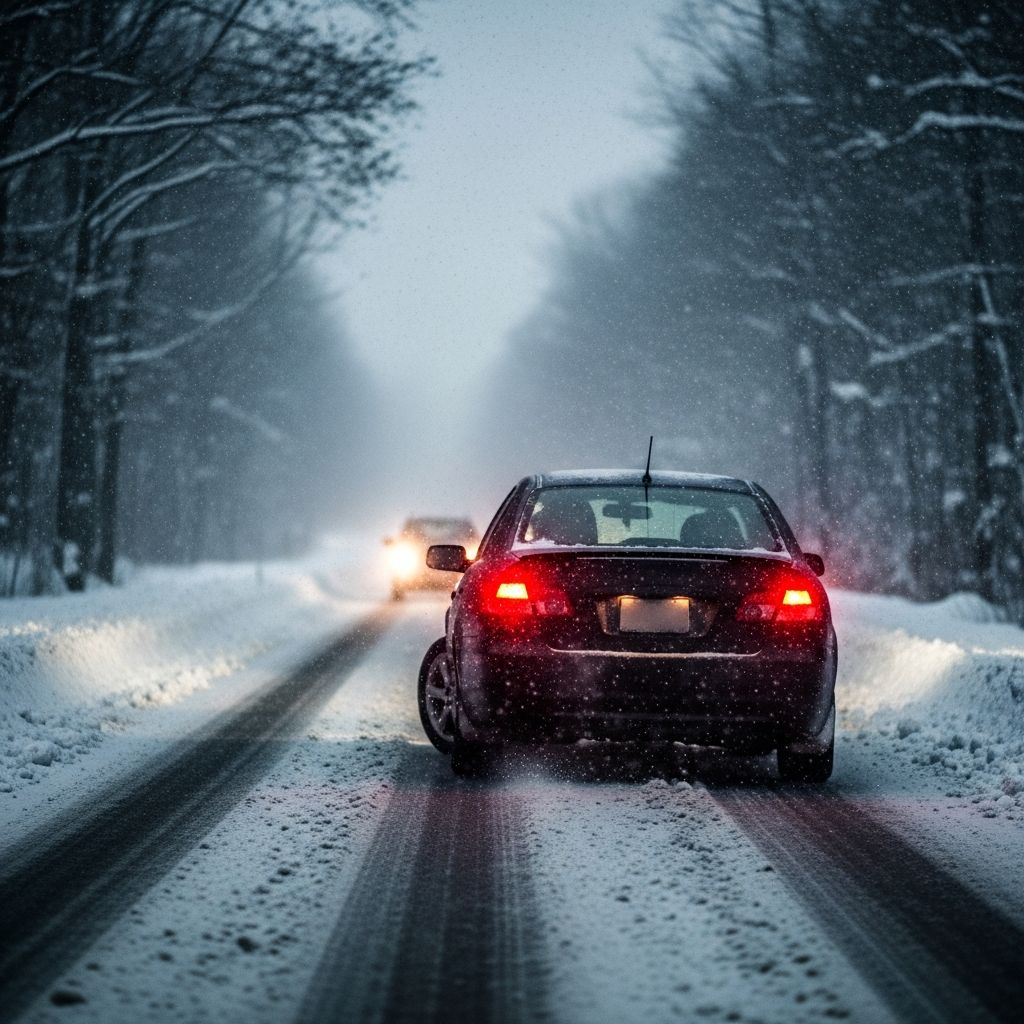
Winter transforms roads into treacherous landscapes with snow, ice, and reduced visibility amplifying the chance of collisions. Many incidents stem from preventable driver errors rather than unavoidable weather alone. Understanding these pitfalls helps motorists stay safe and avoid legal entanglements from negligence claims.
Why Winter Roads Demand Extra Vigilance
Cold weather brings unique challenges: slippery surfaces reduce tire grip, shortening braking distances become impossible, and sudden storms cut visibility. According to the Federal Highway Administration, 24% of weather-related crashes occur on snowy, slushy, or icy roads, often involving human error. Drivers must adapt by slowing down and increasing awareness, as courts hold individuals accountable for failing to exercise reasonable care under such conditions.
In regions like Wisconsin, brutal winters see nearly 18,000 speed-related crashes annually, with snow contributing to one-third, leading to 163 fatalities. These statistics underscore that negligence, not just weather, fuels many personal injury cases.
Excessive Speed: The Top Collision Trigger
Maintaining high speeds on winter roads ignores the physics of reduced traction. Posted limits apply to ideal conditions; snow-packed pavement demands much slower paces. Wisconsin Statute § 346.57 mandates reasonable speeds based on current conditions, making excessive velocity a clear act of negligence.
When a vehicle plows into another at unsafe speeds, the at-fault driver faces liability for resulting injuries. Courts view this as a failure to anticipate hazards like black ice or sudden stops ahead. Defensive driving principles emphasize matching speed to visibility and road grip to prevent such outcomes.
- Adjust speed downward in snow or fog for better control.
- Monitor road signs and weather alerts for real-time adjustments.
- Increase following distance to account for longer stopping times.
Neglecting Vehicle Clearance: A Hidden Hazard
Leaving snow and ice on windows, roofs, or lights obstructs vision and endangers others. Wisconsin law requires clear views from all windows and functional lights; violations invite fines and liability if debris causes accidents. Flying snow from roofs has forced swerves, leading to crashes where the unprepared driver is deemed responsible.
Partial clearing— just the driver’s line of sight—still leaves blind spots. Obscured mirrors or taillights prevent others from seeing the vehicle, turning a simple oversight into negligence evidence in lawsuits. Proper preparation takes minutes but averts catastrophe.
| Vehicle Area | Risk if Uncleared | Safety Step |
|---|---|---|
| Windshield | Reduced forward visibility | Use scraper and defroster fully |
| Roof | Flying debris endangering followers | Brush off all snow/ice |
| Headlights/Taillights | Invisibility to others | Wipe clean before driving |
Tailgating in Slippery Conditions
Following too closely erodes the buffer needed for winter braking. On ice, stopping distances double or triple; experts recommend six seconds or more between vehicles. Rear-end collisions spike during storms because tailgaters gamble on steady traffic flow.
Presumption of fault favors the front driver in such cases, as reasonable spacing would prevent impact. Tailgating exemplifies disregard for obvious risks, strengthening claims for medical bills, lost wages, and pain from injuries sustained.
Distractions Amplifying Winter Dangers
Phones, GPS, or snacks divert attention when roads demand full focus. Black ice—thin, transparent layers forming on bridges or shaded spots—appears suddenly, leaving distracted drivers no reaction time. What a vigilant motorist navigates safely becomes a multi-car pileup for the inattentive.
Winter hazards like slush patches or blowing snow compound distraction effects. Legal standards expect undivided attention; violations contribute to liability determinations, especially under comparative negligence rules where fault is apportioned.
Failing to Activate Lights: A Visibility Killer
Low light, fog, or snowfall mandates headlights, not just at night. Wisconsin requires them when conditions obscure distant objects, aiding both the driver and others in spotting the vehicle. Unlit cars blend into storms, causing T-bone or sideswipe crashes.
This oversight signals poor judgment, bolstering injury claims. Automatic lights help, but manual activation remains crucial in variable weather.
Other Overlooked Winter Threats
Beyond core habits, improper maintenance like bald tires or faulty wipers heightens risks. Owners bear responsibility if unprepared vehicles contribute to wrecks. Abrupt maneuvers—hard braking or sharp turns—induce skids on untreated roads. Inexperienced drivers, stressed by holidays, often panic, worsening pileups.
Navigating Liability After a Winter Crash
Weather doesn’t absolve negligence; courts assess if drivers took reasonable precautions. Comparative fault systems, like Colorado’s, allow recovery if you’re under 50% at fault. Evidence such as dash cams, witness statements, and police reports proves lapses like speeding or distraction.
Victims pursue compensation for injuries ranging from whiplash to fractures, often severe due to delayed emergency response. Consulting attorneys early preserves rights amid insurance battles.
Proven Strategies for Safer Winter Drives
Preparation beats reaction. Equip vehicles with winter tires, emergency kits, and checked fluids. Plan routes avoiding untreated roads, and depart early to avoid rush-hour storms.
- Practice smooth acceleration and braking in empty lots.
- Use apps for real-time weather and traffic.
- Stay calm; panic accelerates errors.
Employers training fleets should emphasize out-of-vehicle slips too, as they sideline drivers costly.
Frequently Asked Questions (FAQs)
Can weather excuse a crash caused by speeding?
No, drivers must adjust to conditions; excessive speed remains negligence.
Who pays if uncleared snow causes an accident?
The driver who failed to clear their vehicle holds liability.
Is tailgating always the rear driver’s fault?
Usually yes, due to presumed fault in rear-ends, absent proof otherwise.
How does distraction factor into winter claims?
It proves failure to maintain vigilance, key to negligence findings.
What if multiple drivers share blame?
Comparative negligence apportions fault and damages accordingly.
Conclusion: Drive Smart, Stay Safe
Avoiding these habits minimizes risks and legal woes. Prioritize caution; lives depend on it. (Word count: 1678)
References
- Five Winter Driving Mistakes that Lead to Personal Injury Cases in Wisconsin — GRG Law. 2026-03-01. https://www.grgblaw.com/wisconsin-trial-lawyers/five-winter-driving-mistakes-that-lead-to-personal-injury-cases-in-wisconsin
- 5 Causes of Winter Car Accidents and How They Affect Liability — Jeffress Law. Accessed 2026. https://www.jeffresslaw.com/5-causes-of-winter-car-accidents-and-how-they-affect-liability/
- Winter Driving Dangers – Essential Safety Tips for Drivers and Pedestrians — ZPB Law. Accessed 2026. https://www.jerseycitynjlawoffice.com/blogs/winter-driving-dangers–essential-safety-tips-for-drivers-and-pedestrians
- Winter Road Hazards that Cause Car Accidents — Minnesota Injury Lawyer. Accessed 2026. https://www.minnesotainjury.com/winter-road-hazards/
- Who Is Liable For Road Hazards During The Winter — In Pain Call Wayne. Accessed 2026. https://www.inpaincallwayne.com/who-is-liable-for-road-hazards-during-the-winter/
Similar Articles








Read full bio of Sneha Tete




