
Why Pets Belong at Home, Not in the Office
Discover the hidden risks of dog-friendly offices, from legal liabilities to productivity pitfalls and pet welfare concerns.
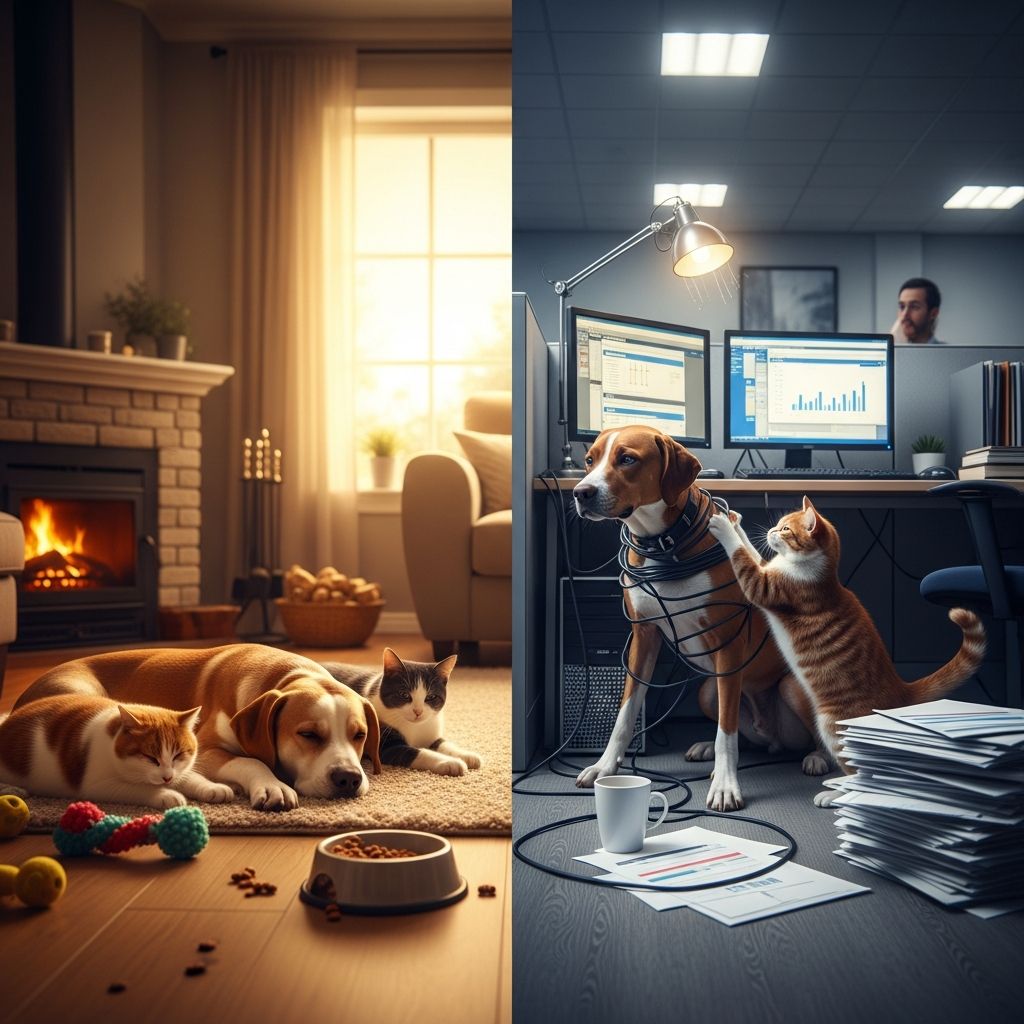
While the idea of a dog-friendly workplace sounds appealing on the surface, it introduces a host of challenges that can undermine productivity, safety, and harmony. Offices are designed for human-focused tasks, not animal needs, leading to unintended consequences for everyone involved. This article delves into the key drawbacks, backed by expert insights and real-world considerations.
Safety Hazards in a Shared Workspace
Office environments teem with hidden dangers for pets, transforming a familiar workspace into a minefield for curious animals. Electrical cords dangle temptingly, office supplies scatter across floors, and dropped food items pose ingestion risks. These elements can lead to injuries or illnesses that no employee wants to witness or clean up.
Beyond physical threats, the constant foot traffic and unfamiliar noises—phones ringing, printers humming, doors slamming—can overwhelm pets, sparking anxiety or defensive reactions. When multiple animals are present, incompatible temperaments may clash, escalating to fights that endanger people and property alike. Unvaccinated dogs could also spread illnesses in unchecked settings.
- Tripping hazards from leashes or roaming pets increase slip-and-fall incidents.
- Heavy machinery or sterile areas in certain industries amplify dangers.
- Overstimulation from lights, smells, and crowds heightens stress levels.
Distractions That Derail Productivity
Pets demand attention, pulling focus from critical tasks. Owners frequently pause for walks, water breaks, or playtime, fragmenting their workday. Non-owners face interruptions from barking, jumping greetings, or impromptu petting sessions, fostering a chatty atmosphere that veers into excessive socializing.
Research highlights this issue: dog owners often report reduced focus when their pet is nearby, as natural caregiving instincts override work priorities. Colleagues without pets may feel their output suffers by 20% in such environments, according to small-scale studies. Noisy pets disrupt meetings, while crated or leashed animals whimper, compounding the chaos.
| Productivity Impact | With Pets | Without Pets |
|---|---|---|
| Focus Time | Frequent breaks for pet care | Consistent deep work blocks |
| Team Interactions | Excessive socializing | Task-oriented discussions |
| Overall Output | Up to 20% reduction reported | Stable or higher |
Health Concerns for Human Employees
Allergies affect 10-20% of people, making fur-covered desks a nightmare for sufferers. Dander lingers in air vents, triggering sneezing, itching, and respiratory issues that hamper performance. Even those without allergies may dread sanitation woes—pet waste, shedding hair, or unexpected accidents create unhygienic conditions.
Fearful employees, including those with cynophobia (intense dog fear), experience heightened stress around unpredictable animals. In client-facing roles, a professional image crumbles if a dog bounds into a meeting or leaves fur on upholstery. Certain sectors like food service, labs, or medical facilities outright ban pets for hygiene and safety compliance.
Legal and Liability Nightmares
Employers bear ultimate responsibility for workplace injuries, even from employee pets. A bite, scratch, or trip could spark lawsuits, with companies held liable regardless of promises to supervise. Insurance policies often exclude pet-related claims, hiking premiums or voiding coverage entirely.
Misrepresenting pets as service animals invites penalties, disrespecting true disability accommodations. In high-stakes environments like law firms or finance, maintaining formality is crucial—wandering pets undermine credibility. Public interactions amplify risks if clients feel threatened.
- Bite incidents lead to medical bills and legal fees.
- Property damage from chewing or scratching incurs costs.
- Vicarious liability pins blame on the business.
Pet Welfare: Confinement Isn’t Kindness
Dogs thrive on freedom to roam, play, and explore—not desk tethers or crates. Office confinement stifles instincts, breeding boredom, separation anxiety, or destructive behaviors. Fluorescent lights, chemical cleaners, and echoing sounds bombard sensitive senses, far from a pet’s natural habitat.
Without proper exercise, pets grow restless, barking or pacing disruptively. Multi-dog dynamics risk aggression from mismatched play styles. Healthier alternatives like professional daycare provide stimulation sans office perils, ensuring pets remain happy while owners work undistracted.
Industry-Specific Restrictions
Not all workplaces suit pets. Construction sites pose machinery threats; sterile labs demand contamination-free zones; noisy factories overwhelm hearing. Formal settings prioritize image over animal presence. Even “pet-friendly” policies falter without strict rules on vaccination, training, and behavior.
| Industry | Key Risks | Pet Suitability |
|---|---|---|
| Food Service | Sanitation violations | Low |
| Manufacturing | Machinery hazards | None |
| Legal/Finance | Image concerns | Low |
| Tech Offices | Distractions, allergies | Moderate (with rules) |
Alternatives to Office Pet Days
Opt for doggy daycare, where structured play and trained staff meet needs safely. Remote work keeps pets home in comfort. Occasional supervised visits beat daily exposure. Policies should mandate training, health checks, and owner accountability to mitigate issues if pursued.
Frequently Asked Questions (FAQs)
What if my dog is well-trained and quiet?
Even trained dogs have off days; unpredictable triggers like new people or noises can cause issues. Liability persists regardless.
Can pets boost morale?
For some, yes—but drawbacks like allergies and distractions often outweigh benefits for the majority.
Are there laws protecting pet-friendly offices?
No broad protections; employers can ban pets. Service animals are exempt under disability laws.
How do I convince my boss against it?
Highlight insurance risks, productivity data, and allergy stats from credible studies.
What’s the best home setup for working pet owners?
Enriched environments with toys, cams for monitoring, and daycare for social needs.
References
- Why You Should Avoid Bringing Your Dog to the Office — Dogtopia. 2023. https://www.dogtopia.com/blog/why-you-should-avoid-bringing-your-dog-to-the-office/
- The Risks of Bringing Your Dog or Other Pet to Work — Salvi Law. 2023. https://www.salvilaw.com/blog/the-risks-of-bringing-your-dog-or-other-pet-to-work/
- The Pros and Cons of Allowing Dogs in the Workplace — Smart HR, Inc. 2024. https://www.smarthrinc.com/hr-consulting-allowing-dogs-workplace/
- The Case Against Dogs in the Office — TIME. 2024-01-15. https://time.com/7178698/case-against-dogs-office/
- Pros and Cons of Pets in the Workplace — business.com. 2023. https://www.business.com/articles/pets-in-the-workplace-is-it-a-good-or-bad-idea/
Similar Articles








Read full bio of Sneha Tete




