
Practicing Law From Home: 6 Major Risks And Office Solutions
Discover key drawbacks of running a law practice from home, from ethical risks to productivity pitfalls, and why traditional offices remain essential.
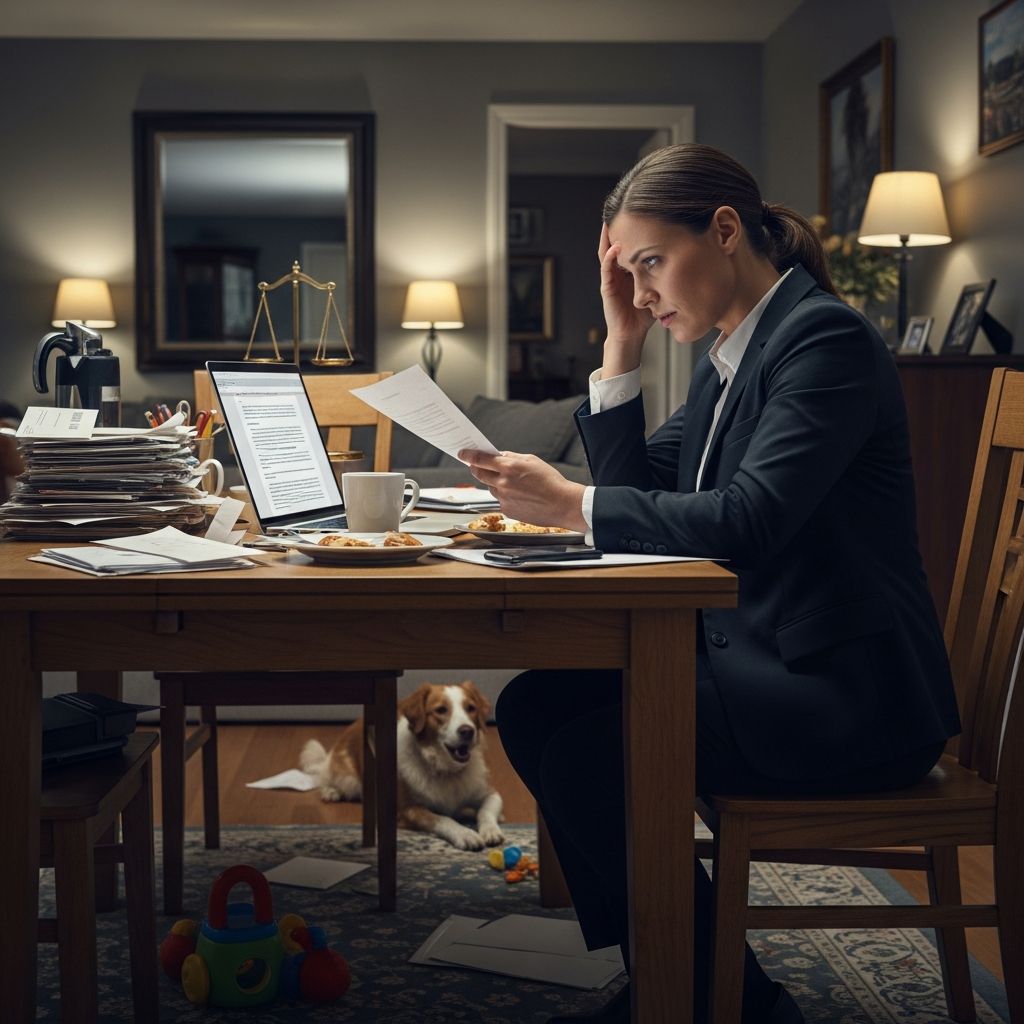
Practicing law from a home office might seem convenient, but it introduces significant challenges that can undermine a lawyer’s effectiveness, ethics, and career trajectory. While remote work surged during the pandemic, lingering issues like blurred boundaries, security vulnerabilities, and regulatory complexities make dedicated office spaces far superior for legal professionals.
Navigating Distractions and Productivity Challenges
One of the most immediate hurdles in a home-based legal practice is the constant barrage of distractions. Unlike a structured office environment, homes come with family members, pets, household chores, and personal notifications that fragment focus. Lawyers report frequent interruptions from children, spouses, or even neighbors, which disrupt deep work essential for drafting motions, reviewing cases, or preparing for hearings.
Research highlights how these interruptions erode efficiency. For instance, switching tasks due to a quick home errand can take up to 23 minutes to recover full concentration, compounding into lost billable hours over a day. Establishing a ‘do not disturb’ policy helps marginally, but enforcing it consistently proves difficult without the natural separation of office walls.
- Household chores: The sight of unfolded laundry or dirty dishes tempts multitasking, pulling attention from critical deadlines.
- Family demands: Unpredictable needs from dependents create stress and incomplete work.
- Environmental noise: Background sounds from TVs, deliveries, or yard work hinder phone calls and virtual meetings.
To counter this, some lawyers designate a specific room as an office and communicate schedules rigidly. Yet, even these measures fall short compared to the professional ambiance of a firm setting, where colleagues model disciplined routines.
Ethical Obligations and Confidentiality Risks
Maintaining client confidentiality stands as a cornerstone of legal ethics, yet home setups often falter here. Personal devices, shared Wi-Fi networks, and proximity to family members heighten breach risks. A child overhearing a sensitive call or a hacker exploiting unsecured home internet could violate rules like ABA Model Rule 1.6, exposing lawyers to discipline or malpractice claims.
Cybersecurity emerges as a paramount concern. Home routers rarely match enterprise-grade protections, leaving case files vulnerable to phishing, malware, or data leaks. Firms mitigate this by issuing secure laptops and VPNs, but solo practitioners or small operations struggle to implement robust defenses without IT support.
| Risk Factor | Home Office Issue | Office Solution |
|---|---|---|
| Data Storage | Unencrypted personal drives | Secure servers with encryption |
| Network Security | Shared family Wi-Fi | Dedicated firewalls and monitoring |
| Physical Access | Family/roommates viewing screens | Locked offices and badge access |
Beyond tech, incidental disclosures occur when clients call during family dinners or mail arrives at residential addresses. Professional offices provide neutral, secure venues that reinforce trust and compliance.
Regulatory Pitfalls of Remote Legal Work
Geographic flexibility sounds appealing, but it collides with state-specific licensing rules. Working from home across state lines risks unauthorized practice of law (UPL) under ABA Model Rule 5.5, which bars establishing a ‘systematic and continuous presence’ in unlicensed jurisdictions without proper steps.
For example, a lawyer licensed in North Carolina vacationing in Florida might inadvertently ‘hold out’ as local counsel if clients perceive a home base there. Courts scrutinize advertising, websites, and even video backgrounds showing local landmarks. The ABA clarifies that temporary remote work for licensed-jurisdiction clients is often permissible if visibility remains low—no local ads, no physical office claims.
International moves amplify issues: varying data laws (e.g., EU GDPR) and inferior infrastructures complicate secure access. Lawyers must verify host-country rules, potentially needing pro hac vice admissions or local counsel.
- State borders: Routine home work in another state could trigger UPL complaints.
- Advertising scrutiny: Virtual backgrounds or addresses must not mislead.
- International risks: Tech limitations abroad demand preemptive audits.
Impaired Professional Development and Networking
Junior lawyers suffer most from home isolation, missing hands-on mentorship crucial for skill-building. In-office shadowing teaches nuances like client interactions, negotiation tactics, and courtroom prep that screens can’t replicate fully. Remote training leads to gaps in practical knowledge, slowing career progression.
Networking, a referral lifeline for lawyers, thrives on casual office encounters—hallway chats or lunch breaks yielding cases. Remote workers report FOMO, as peers bond and exchange leads in person. Resumes highlighting heavy remote experience may signal poor team fit to traditional firms, limiting opportunities.
Senior attorneys face blurred work-life lines, fostering burnout from endless availability. Without commute-enforced boundaries, evenings blend into work, harming health and creativity.
Client Perceptions and Firm Competitiveness
Clients expect professionalism; a home Zoom backdrop with toys or laundry signals amateurism, eroding confidence. Firms with sleek offices project stability and resources, attracting high-value clients. Home practices struggle to scale, lacking meeting rooms for consultations or libraries for research.
Referral networks dwindle without visibility. Peers spot opportunities at in-person events, but remote lawyers fade into virtual obscurity.
Strategies for Thriving Despite Remote Temptations
While home practice poses risks, hybrids work: Use co-working spaces or firm satellites for key tasks. Invest in dual monitors, noise-canceling tech, and routine walks to mimic office structure. Regularly audit ethics compliance and seek bar guidance.
Ultimately, dedicated offices safeguard standards. Post-pandemic data shows 70% of lawyers prefer hybrid models for balance.
Frequently Asked Questions (FAQs)
Can lawyers legally practice from home in another state?
Generally yes, for clients in your licensed state, if you avoid establishing a local presence or advertising there. Check Rule 5.5 and local rules.
How do I secure client data at home?
Use VPNs, encrypted devices, and firm-provided tools. Avoid personal email or shared networks.
Does remote work hurt my career?
It can limit mentoring and networking, potentially stunting growth, especially for juniors.
What distractions are common for home-based lawyers?
Family, chores, and poor setups lead to lost productivity.
Should I list remote work on my resume?
Minimize it; emphasize skills and results to avoid commitment concerns.
References
- Bad habits to avoid when working remotely as a lawyer — Thomson Reuters Legal Blog. 2023-05-15. https://legal.thomsonreuters.com/blog/lawyers-beware-bad-work-from-home-habits/
- The Cautionary Side of Working from Home as a Lawyer — The Modern Firm. 2020-10-20. https://www.themodernfirm.com/the-cautionary-side-of-working-from-home-as-a-lawyer/
- Home is Where the Heart Is — North Carolina State Bar. 2021-06-10. https://www.ncbar.gov/for-lawyers/ethics/ethics-articles/home-is-where-the-heart-is/
- 5 Reasons Why Some Lawyers Despise Working From Home — Law Firm Suites. 2021-02-11. https://lawfirmsuites.com/2021/02/11/5-reasons-why-some-lawyers-despise-working-from-home-and-things-you-can-do-to-change-that/
- The Ethics and Future of Practicing Law Remotely — ACTEC Foundation. 2022-03-05. https://actecfoundation.org/podcasts/ethics-future-practicing-law-remotely/
Similar Articles








Read full bio of medha deb




