
When To Call Police About Neighbors: 6 Critical Scenarios Now
Discover critical situations warranting police intervention with neighbors and common pitfalls to avoid for harmonious community living.
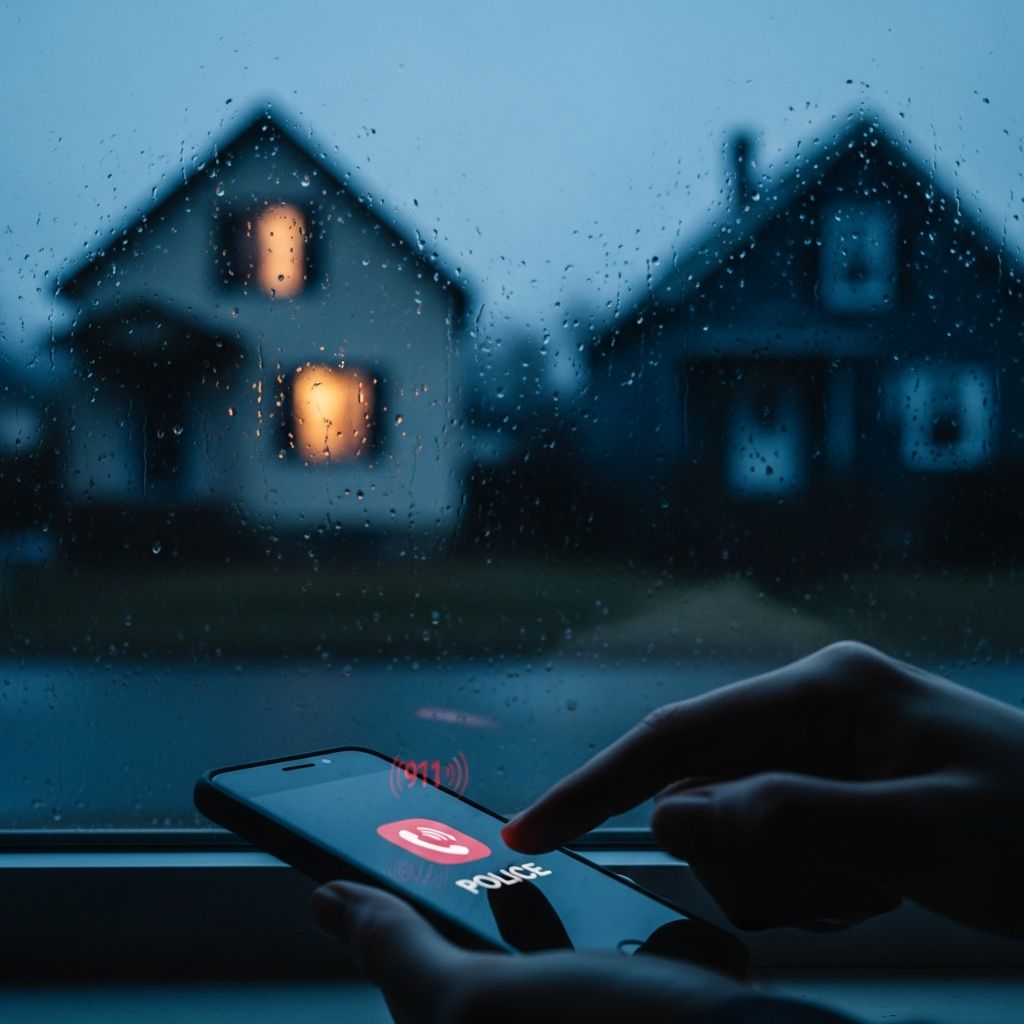
Maintaining peace in your neighborhood often requires balancing personal comfort with legal boundaries. While most disputes can be settled through conversation, certain behaviors demand immediate law enforcement involvement to protect safety and property. This comprehensive guide outlines key scenarios where contacting police is not only justified but necessary, alongside situations better handled through alternative channels. Drawing from legal principles and practical advice, homeowners and renters alike can make informed decisions to foster secure living environments.
Understanding the Threshold for Police Involvement
Police intervention is reserved for situations posing imminent harm, criminal activity, or significant public safety risks. Minor irritations, while frustrating, rarely qualify unless they escalate. Legal frameworks, such as those outlined by municipal codes and state statutes, define actionable offenses like trespass, assault, or public nuisance. Before dialing emergency services, assess if the issue involves violence, illegality, or danger—factors that elevate it beyond civil discourse.
Statistics from the U.S. Department of Justice indicate that neighbor-related calls account for a notable portion of non-emergency police responses, emphasizing the need for discernment. Improper calls can strain resources and damage community relations, while delayed reports in critical cases may lead to preventable harm. Always prioritize de-escalation where possible, documenting incidents with photos, videos, or notes for potential future use.
Critical Scenarios Requiring Immediate Police Action
Certain neighbor actions cross into criminal territory, necessitating swift reporting. These include direct threats to person or property, unauthorized entry, engagement in illegal activities, severe disturbances, and signs of peril. Recognizing these prompts protects not just you but the broader community.
- Direct Threats of Violence or Harm: Verbal or implied threats against you, your family, or belongings signal potential assault or intimidation. For instance, if a neighbor shouts intentions to damage your home or injure residents, this constitutes a reportable offense under most state harassment laws.
- Trespassing and Property Vandalism: Repeated unauthorized access to your yard, garage, or home, especially with damage like graffiti or broken fences, qualifies as criminal trespass. Police can issue warnings, citations, or arrests to deter recurrence.
- Perceived Danger from Aggressive Conduct: Behaviors evoking fear—such as brandishing weapons, erratic aggression, or endangering children/pets—warrant intervention. Your reasonable belief of imminent harm justifies a call, even without physical contact.
- Suspected Criminal Enterprises: Observations of drug dealing, theft rings, or other felonies demand anonymous tips if safety permits. Community watch programs often encourage such reports to curb neighborhood crime.
- Excessive Late-Night Disturbances: Blasting music or hosting rowdy gatherings past quiet hours (typically 10 PM-7 AM per local ordinances) that persist after polite requests qualify as noise violations. Officers can measure decibels and enforce compliance.
- Emergencies Indicating Peril: Smoke, explosions, gunshots, or cries for help suggest fires, accidents, or assaults. These are 911 priorities, potentially saving lives through rapid response.
Legal Ramifications and Documentation Best Practices
Reporting these incidents creates an official record, crucial for restraining orders, insurance claims, or civil suits. Under laws like the Violence Against Women Act extensions for general harassment, documented patterns strengthen cases. Always provide specifics: time, descriptions, witnesses. Non-emergency lines suffice for ongoing issues, reserving 911 for true urgencies.
| Scenario | Why Call Police | Potential Outcomes |
|---|---|---|
| Threats | Criminal intimidation | Citation, no-contact order |
| Trespass/Damage | Property crime | Arrest, restitution |
| Severe Noise | Public nuisance | Fine, dispersal |
| Crime Suspicion | Felony activity | Investigation, surveillance |
| Emergency Signs | Imminent danger | Rescue, medical aid |
When Police Are Not the Right First Step
Not every annoyance merits sirens. Overuse erodes trust and escalates tensions unnecessarily. Opt for dialogue, mediation, or administrative channels for lesser issues to preserve neighborly bonds.
- Domestic Arguments: Spousal or family quarrels risk volatile escalation if police arrive uninvited. Monitor discreetly; intervene only if violence erupts.
- Petty Inconveniences: Street parking disputes or minor yard clutter seldom rise to criminality. Politely discuss or involve HOAs/local code enforcement.
- Property Maintenance Lapses: Overgrown lawns or trash heaps violate municipal codes, not police purview. Report to sanitation or zoning boards.
- Lifestyle Clashes: Disagreements over holidays, pets, or routines—absent illegality—belong in conversation, not cuffs.
- Occasional Gatherings: Weekend barbecues or game nights with moderate noise are protected social activities unless ordinance-violating.
For renters, loop in landlords early; lease clauses often address nuisances, potentially leading to evictions without police drama. Homeowners associations (HOAs) mediate effectively via covenants.
Step-by-Step Alternatives to Police Calls
Structured resolution preserves peace:
- Initiate Calm Dialogue: Approach respectfully during daylight, expressing impacts without accusations.
- Document Persistently: Log dates, times, evidence for patterns.
- Engage Mediators: Landlords, HOAs, or community mediators facilitate neutral talks.
- Leverage Local Ordinances: File with non-emergency code enforcement for violations like noise or junk.
- Seek Civil Remedies: Small claims for damages or nuisance suits if unresolved.
Special Considerations for Renters and Homeowners
Renters face unique dynamics: notify property managers promptly, as they hold eviction leverage. Leases often mandate quiet enjoyment clauses. Homeowners might pursue HOA fines or private security first. Both groups benefit from neighborhood apps for collective reporting, amplifying voices without individual exposure.
Legal aid from organizations like Legal Aid Society offers free consultations for persistent disputes, ensuring rights protection.
Frequently Asked Questions (FAQs)
What if my neighbor’s dog barks incessantly?
Start with a courteous note; escalate to animal control for ordinance enforcement, not police unless aggressive.
Can I call police anonymously?
Yes, many departments accept tips via non-emergency lines or apps without identifiers, ideal for crime suspicions.
What constitutes a ‘threat’ legally?
A ‘true threat’ conveys intent to harm, per Supreme Court precedents like Virginia v. Black (2003), distinguishable from hyperbole.
How do noise ordinances vary?
Typically 50-60 decibels nighttime; check municipal codes—police measure on-site.
Should I confront a trespasser myself?
No—call police to avoid confrontation risks; post ‘No Trespassing’ signs as evidence.
Building Safer Neighborhoods Through Informed Action
Empowered decisions safeguard homes without fracturing communities. By discerning true threats from trifles, residents contribute to vigilant yet harmonious locales. Stay informed on local laws, communicate openly, and act decisively when safety demands—your neighborhood thrives on such balance.
References
- Uniform Crime Reporting Program — U.S. Department of Justice. 2023. https://www.fbi.gov/services/cjis/ucr
- Model Penal Code: Criminal Trespass — American Law Institute. 2022-12-01. https://www.ali.org/publications/show/model-penal-code/
- Noise Control Ordinance Guidelines — U.S. Environmental Protection Agency. 2024-03-15. https://www.epa.gov/noise-control
- Virginia v. Black, 538 U.S. 343 — Supreme Court of the United States. 2003-04-07. https://www.supremecourt.gov/opinions/02pdf/01-1107.pdf
- Neighborhood Dispute Resolution — U.S. Department of Housing and Urban Development. 2025-01-20. https://www.hud.gov/program_offices/comm_planning/ced
Similar Articles








Read full bio of medha deb




