
When To Hire A Hurricane Claim Lawyer: 4 Red Flags To Watch Now
Expert guidance on knowing when legal help is essential for securing fair compensation after devastating hurricane destruction.
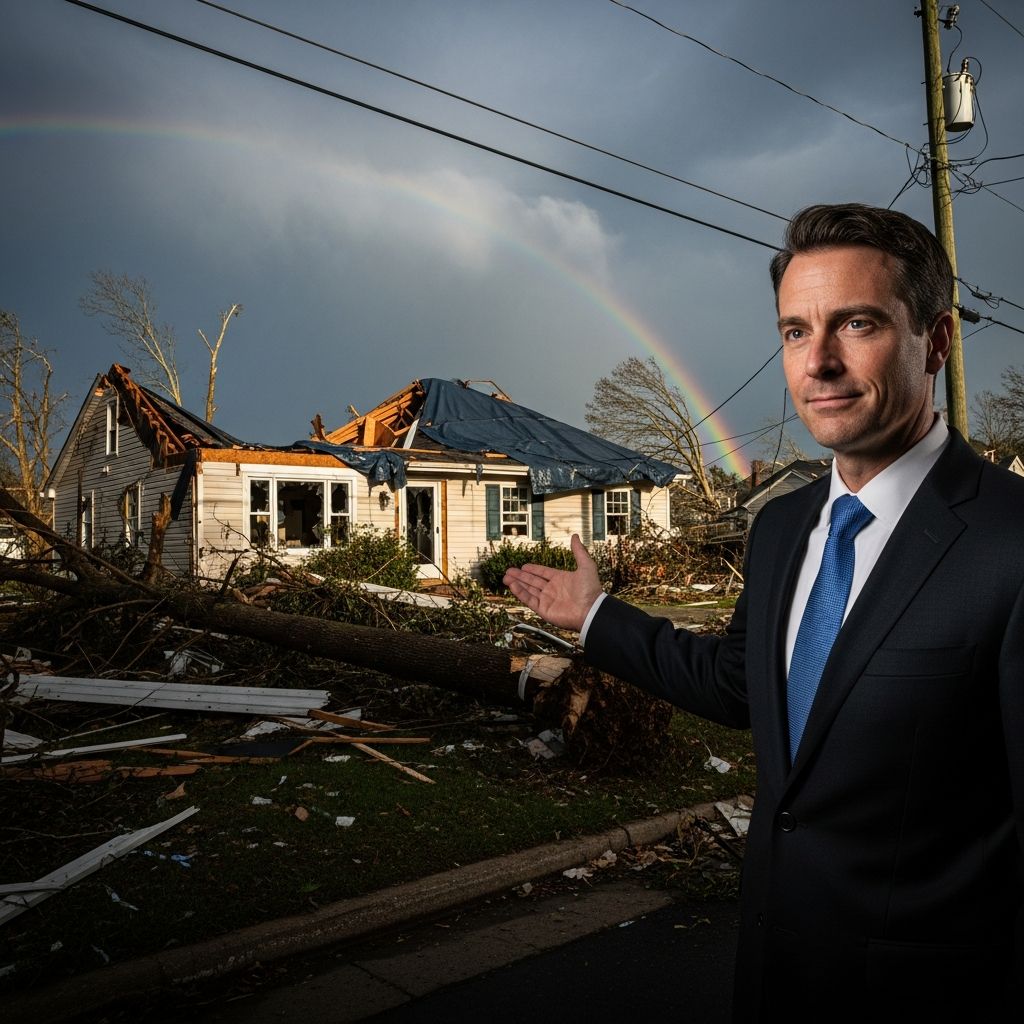
Devastating hurricanes leave trails of destruction, impacting homes, businesses, and lives across affected regions. While immediate concerns focus on safety and cleanup, navigating insurance claims often proves equally challenging. Homeowners frequently face undervalued settlements, delays, or outright denials from insurers aiming to minimize payouts. Understanding when professional legal intervention becomes necessary empowers policyholders to secure the compensation they deserve.
Understanding Your Insurance Policy Basics
Before any storm strikes, familiarize yourself with your homeowner’s or flood insurance policy. These documents outline coverage for wind, water, and structural damage, including deductibles and exclusions. Hurricanes typically trigger both standard homeowner policies for wind damage and separate flood insurance through the National Flood Insurance Program (NFIP) for water inundation.
Key elements to review include:
- Coverage limits: Maximum payouts for dwelling, personal property, and additional living expenses (ALE).
- Deductibles: Often higher for named storms, sometimes 2-5% of the home’s insured value.
- Exclusions: Common for flood damage unless separately insured.
- Deadlines: Notification requirements and proof-of-loss submission timelines.
Attorneys specializing in storm claims excel at dissecting these policies to identify overlooked benefits, such as ordinance or law coverage for building code upgrades post-repair.
Initial Steps After Hurricane Impact
Post-storm, prioritize safety by evacuating if necessary and documenting all visible damage with photos, videos, and notes. Contact your insurer promptly to initiate a claim, as most policies mandate reporting “as soon as practicable.” Delays can jeopardize your ability to recover funds.
Secure the property to prevent further damage—tarp roofs, board windows—and retain receipts for temporary repairs, as these may qualify for reimbursement. Avoid permanent fixes until an adjuster inspects, unless emergency measures are required to mitigate worsening harm.
| Action | Timeline | Purpose |
|---|---|---|
| Document damage | Immediately | Build evidence for claim |
| Notify insurer | Within 24-48 hours | Meet policy requirements |
| Secure property | As soon as safe | Prevent additional losses |
| Proof of loss | 30-60 days (varies) | Formally substantiate claim |
These steps lay a strong foundation, but complications often arise during the adjustment process.
Red Flags Signaling Legal Assistance
Not every claim requires a lawyer, but certain insurer behaviors demand expert intervention. Recognize these warning signs early to protect your interests.
Lowball or Denied Settlements
Insurance adjusters may undervalue damage by deeming issues pre-existing or wear-and-tear related. If the offered payout falls short of repair estimates from independent contractors, consult an attorney. Professionals can commission engineer reports to counter insurer assessments and negotiate higher settlements.
Claim Delays and Stalls
Insurers must act in good faith, investigating promptly per state laws. Prolonged delays in scheduling inspections or issuing payments signal potential bad faith. Lawyers accelerate processes by sending demand letters and tracking deadlines.
Disputed Damage Scope or Cause
Conflicts over whether damage stems from wind versus flood—or differing loss dates—warrant legal review. Attorneys prove causation through weather data, timelines, and expert testimony.
Pressure to Accept Quick Payouts
Rushed settlements before full damage assessment, especially for latent issues like mold or structural weakening, disadvantage policyholders. Hold off and seek counsel to ensure comprehensive evaluation.
Bad Faith Practices by Insurers
Bad faith occurs when insurers unreasonably deny, delay, or underpay valid claims. State regulations, like Florida’s statutes, impose penalties including attorney’s fees and extra damages. Common tactics include misinterpreting policy language, ignoring evidence, or closing claims prematurely.
Lawyers build cases around these violations, often recovering far more than initial offers. For instance, supplemental claims for newly discovered damage can extend up to three years in some states.
Choosing the Right Storm Damage Attorney
Select counsel experienced in hurricane litigation, ideally with a track record in your state. Many operate on contingency—no fees unless you win—aligning their success with yours.
Questions to ask:
- Have you handled claims from recent hurricanes like Ian or Ida?
- What is your settlement success rate?
- Do you work with independent engineers and public adjusters?
- What are your fees and expense handling?
State bar associations and legal aid post-disaster offer referrals. Avoid signing contractor-referred attorneys without vetting, as conflicts of interest may arise.
The Claims Process with Legal Support
An attorney streamlines every phase:
- Policy Review: Identify all coverages and pitfalls.
- Evidence Gathering: Photos, videos, receipts, expert inspections.
- Claim Filing: Meet all deadlines with complete documentation.
- Negotiation: Counter low offers with data-driven demands.
- Appraisal/Litigation: Invoke policy appraisal clauses or file suit if needed.
This approach often yields 2-3 times higher payouts, freeing you to rebuild.
State-Specific Considerations and Deadlines
Regulations vary: Texas emphasizes prompt fair dealing, while Florida allows supplemental claims within three years. NFIP claims follow federal 30-day proof-of-loss rules, extendable to 60 days post-declared disasters. Always verify local statutes of limitations, typically 1-4 years for property damage.
Affordable Legal Options Post-Disaster
Free or low-cost help abounds:
- Disaster legal aid from SBA or bar associations.
- Legal service plans like LegalShield for consultations.
- Contingency firms absorbing upfront costs.
These resources ensure access regardless of financial strain.
Frequently Asked Questions
When should I contact a lawyer before filing a claim?
Ideally, before filing if your damages exceed $50,000 or involve complex coverage issues. Early involvement prevents missteps.
Can I file a supplemental claim later?
Yes, many states and policies permit additions for hidden damage discovered post-settlement, often within 1-3 years.
What if my claim is denied?
Appeal internally, then escalate to appraisal or court. Lawyers maximize overturn success.
Do I need flood insurance separately?
Standard policies exclude floods; NFIP or private flood coverage is essential in prone areas.
How long does the process take?
Simple claims: 30-60 days; disputed ones with lawyers: 6-18 months, but payouts fund interim needs via advances.
Preventing Future Claim Disputes
Proactively video your home annually, maintain records of upgrades, and consider policy upgrades for wind/hail deductibles. Public adjusters complement lawyers for large claims.
Storms test resilience, but informed action ensures insurers fulfill obligations. When red flags appear, legal expertise transforms frustration into fair recovery.
References
- How Do You Know it’s Time to Hire a Hurricane Claim Lawyer? — Nessler Law. 2023. https://www.nesslerlaw.com/posts/how-do-you-know-its-time-to-hire-a-hurricane-claim-lawyer
- Legal Questions After a Hurricane – FAQ — LegalShield. 2024. https://www.legalshield.com/blog/questions-to-ask-following-a-hurricane
- Insurance Disputes & Hurricane Claims — Provost Umphrey Law Firm. 2023. https://provostumphrey.com/insurance-disputes/
- When Should You Hire Attorneys for Property Damage After a Named Storm — Claim Help Lawyers. 2024. https://www.claimhelplawyers.com/blog/when-should-you-hire-attorneys-for-property-damage-after-a-named-storm
- When to Get a Lawyer for Hurricane Damage — On My Side. 2023. https://onmyside.com/faqs/when-to-get-a-lawyer-for-hurricane-damage/
- Hurricane Property Damage Claim FAQs — James Scott Farrin Law. 2024. https://www.farrin.com/hurricane-damage-claims/property-damage-faq/
- When to Call a Lawyer After Hurricane Damage — Kanner & Pintaluga. 2023. https://kpattorney.com/blog/when-to-call-lawyer-hurricane-damage-claim/
Similar Articles








Read full bio of Sneha Tete




