
When To Call 911: Clear Guide For Emergencies And Nonemergencies
Learn essential guidelines for calling 911 emergencies versus non-emergency police contacts to ensure safety and proper response.
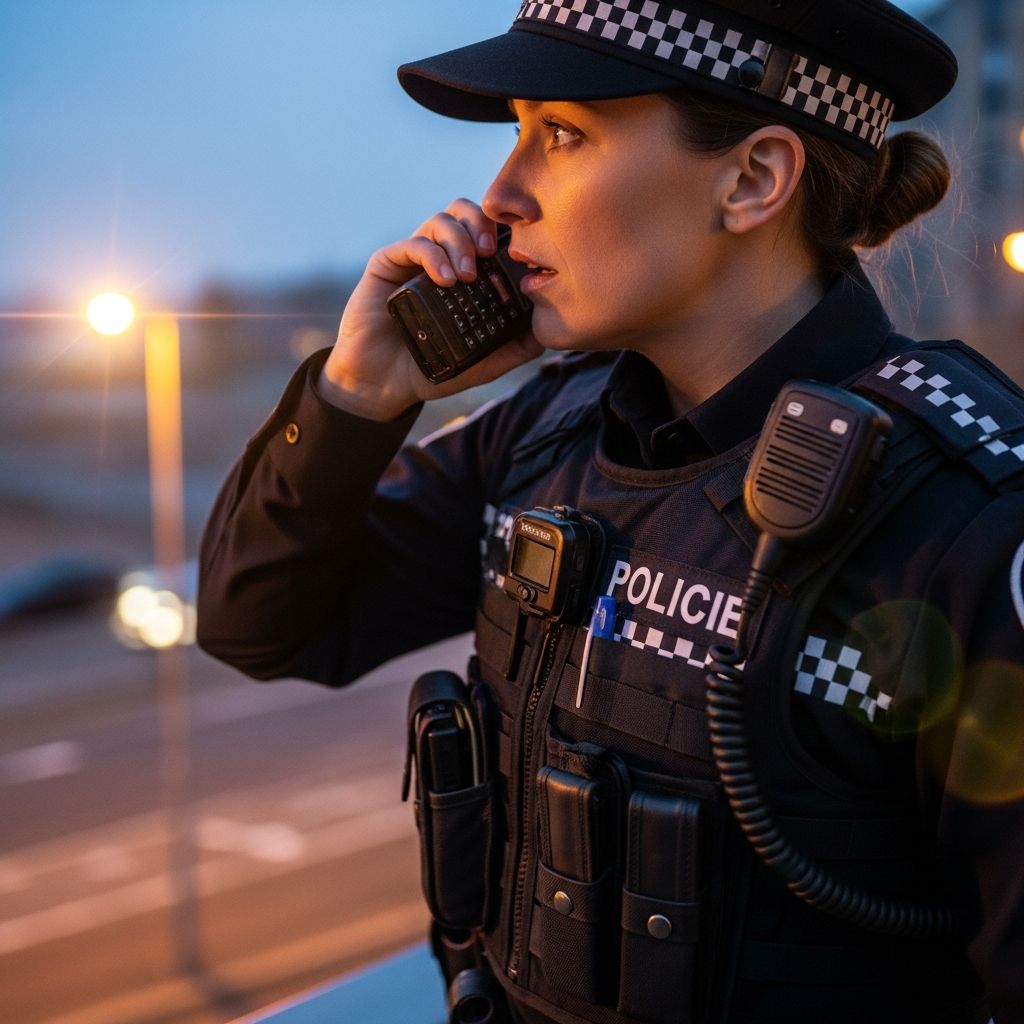
In everyday life, situations arise that may require police assistance, but not all warrant an immediate 911 call. Distinguishing between true emergencies and lesser concerns ensures resources are used effectively while protecting public safety. This article explores key scenarios, procedures, and best practices for interacting with law enforcement.
Understanding Emergency vs. Non-Emergency Situations
Emergencies demand swift action to prevent harm to life or property, while non-emergencies involve issues that can wait without immediate risk. Recognizing this divide prevents overwhelming emergency lines and guarantees faster responses where needed.
- Emergencies (Call 911): Involve imminent danger, such as active crimes, fires, or severe medical events.
- Non-Emergencies (Local Police Line): Cover past incidents, minor disputes, or informational needs.
Across the U.S., 911 serves as the universal emergency number, accessible 24/7 even without a phone plan. Non-emergency lines vary by locality, like 311 in many cities or specific department numbers.
Critical Scenarios Requiring 911
When lives hang in the balance, dialing 911 activates rapid deployment of police, fire, or medical services. Operators prioritize based on severity.
| Emergency Type | Examples | Why Call 911 |
|---|---|---|
| Medical Crises | Chest pain, difficulty breathing, unconsciousness | Ambulance dispatch for life-saving intervention |
| Fires and Hazards | Visible flames, smoke, chemical spills | Fire department response to contain threats |
| Violent Crimes in Progress | Robbery, assault, gunshots, domestic violence | Officers arrive to stop ongoing harm |
| Traffic Incidents | Accidents with injuries or blockages | Immediate aid and traffic control |
| Mental Health Crises | Threats of self-harm or harm to others | Trained responders for de-escalation |
Even accidental 911 calls should not be hung up; explain the error to the operator to avoid unnecessary dispatches.
Handling Non-Emergency Matters Effectively
For issues without immediate peril, contact your local police station directly. This includes reporting past crimes, suspicious activity, or requesting checks.
- Lost property or stolen items after the fact.
- Vehicle issues without injuries, like fender-benders.
- Noise complaints or neighborhood disturbances.
- Wellness checks on individuals.
- General safety inquiries or record requests.
Avoid police for trivial matters; try neighborly resolutions first, such as addressing loud parties directly. Local lines, like 732-528-5050 in Brielle, NJ, connect you to officers for these.
The Process After Making the Call
During a 911 Interaction
Operators ask for location, details, and your name (optional for anonymity). Provide clear facts: what’s happening, who’s involved, descriptions. They guide you—e.g., CPR instructions—until help arrives. Stay calm; hang up only when instructed.
Non-Emergency Police Station Contact
Expect questions to assess and log the issue. Officers may investigate, take statements, or refer resources. Provide specifics like vehicle plates or suspect descriptions for efficiency. Response times vary based on priority.
For domestic violence victims, police prioritize safety, separate parties, and gather evidence like injuries or damage. Arrests follow if warranted.
Special Considerations for Vulnerable Groups
Certain communities face unique risks when involving police. Immigrants or those with mental health issues should weigh options carefully.
- Immigration Concerns: Police generally don’t inquire about status; domestic violence aid is available regardless. Rights include privacy on immigration matters.
- Mental Health: Request crisis-trained officers; alternatives like hotlines exist for non-violent cases.
- Language Barriers: Request interpreters; deaf users can use 711 relay (not for 911 emergencies).
In abuse scenarios, victims have rights to medical transport and protection from further harm.
Your Rights During Police Encounters
Interactions can escalate; know protocols to stay safe. Remain calm, don’t run, and speak carefully—statements may be used in court.
- Don’t reach for items without permission.
- If stopped, note badge/car numbers.
- Seek medical care if injured; document everything.
- File complaints via internal affairs for misconduct.
For violations, contact legal aid promptly.
Accessibility and Technological Tips
911 works from any cell, even without service in some areas, but signal helps. Text-to-911 expands options where available. Apps and smart devices increasingly support emergency calls.
Prepare by knowing your address and local non-emergency number. Families should discuss protocols, especially for children or elders.
Community Resources and Alternatives
Not every issue needs police. Explore:
- Mediation for neighbor disputes.
- Mental health hotlines (e.g., 988 Suicide & Crisis Lifeline).
- Victim services for non-urgent support.
- Community liaisons in diverse areas.
Balanced use fosters trust and preserves emergency capacity.
Frequently Asked Questions (FAQs)
Can I call 911 anonymously?
Yes, you don’t have to provide your name or details if uncomfortable, though location is traced.
What if I’m unsure if it’s an emergency?
Err on caution for potential harm; otherwise, use non-emergency lines to avoid delays.
Do police share immigration info?
No, you have the right to privacy on status during crime reports.
How quickly do officers respond?
911 calls often under a minute; non-emergencies vary.
What if I have a disability?
Use 711 for relay on non-911 calls; direct 911 for crises.
Building Safer Communities Through Informed Choices
Proper use of contact methods enhances safety for all. Educate yourself and others to navigate these systems confidently, reducing risks and improving outcomes.
References
- When and how to call the police in the USA — USAHello. Accessed 2026. https://usahello.org/life-in-usa/laws/when-to-call-police/
- Do You Call 911 or 732-528-5050? — Borough of Brielle, NJ. Accessed 2026. https://www.briellenj.gov/260/Do-You-Call-911-or-732-528-5050
- What happens when you call the Police — Saheli Boston. Accessed 2026. https://saheliboston.org/learn-more/what-happens-when-you-call-the-police/
- Frequently Asked Questions – 911 — Cumberland County, NJ Government. Accessed 2026. https://www.cumberlandcountynj.gov/911-faqs
- What To Do If You’re Stopped by Police in New Jersey — ACLU of New Jersey. Accessed 2026. http://www.aclu-nj.org/know-your-rights/what-do-if-youre-stopped-police-new-jersey/
- When to Call 9-1-1 — Parker Police Department. Accessed 2026. https://parkerpolice.org/1892/When-to-Call-9-1-1
Similar Articles








Read full bio of Sneha Tete




