
Public Defender Fees: 4 Costs Defendants Should Expect Plus Tips
Understanding why “free” public defense can still generate fees, bills, and long‑term financial consequences for people who rely on court‑appointed lawyers.
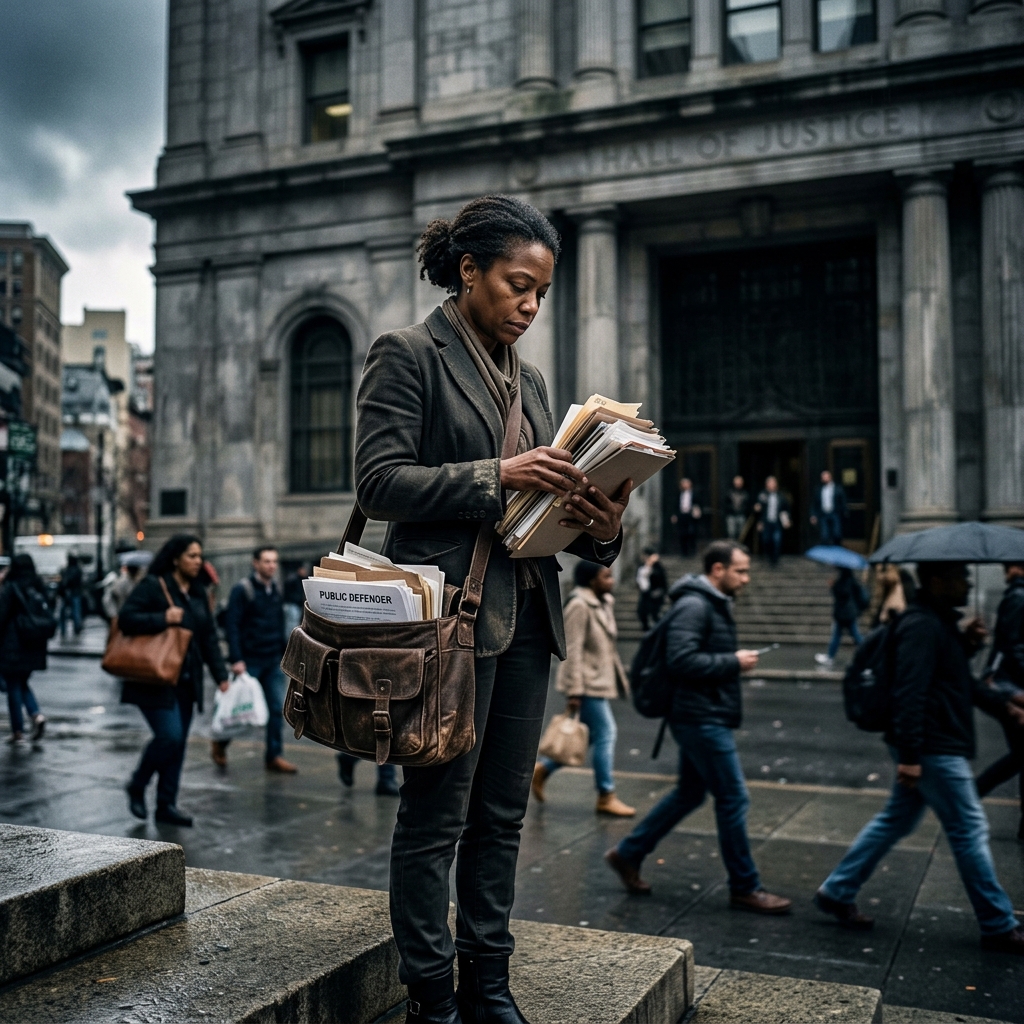
In the United States, people charged with crimes who cannot afford a lawyer are entitled to have an attorney appointed for them. Many defendants understandably assume that a public defender will be completely free. In reality, that is often not the case. Across much of the country, courts and public defense systems use various fees and cost-recovery mechanisms that can leave low-income defendants with unexpected bills for their constitutionally guaranteed representation.
This article explains how public defender fees work, why they exist, how they differ by jurisdiction, and what you can expect if you rely on court-appointed counsel. It is not legal advice, but an overview to help you ask better questions and understand the financial side of indigent defense.
The Right to Counsel vs. the Reality of Fees
The foundation for public defense is the U.S. Supreme Court’s landmark decision Gideon v. Wainwright (1963), which held that the Sixth Amendment requires states to provide attorneys to criminal defendants who cannot afford to hire one when incarceration is a possible outcome. The ruling established that the right to counsel does not depend on a defendant’s income, and it is now a cornerstone of criminal procedure.
However, the decision did not explicitly forbid states from trying to recoup the cost of providing that counsel. Over time, many legislatures have created laws allowing courts and defender offices to charge certain fees to defendants who use appointed lawyers. As a result:
- 42 states and Washington, D.C. authorize some form of fee or cost assessment for public defense services.
- 18 states specifically charge an upfront application or appointment fee when defendants request a public defender.
- Fee amounts, eligibility rules, and enforcement practices vary widely from state to state and even county to county.
So while the right to have a lawyer appointed is universal in serious criminal cases, whether that lawyer is truly free depends heavily on where the case is heard and the defendant’s circumstances.
Types of Costs Defendants May Face
Public defense-related charges usually fall into several broad categories. Understanding these categories helps clarify what “not always free” really means.
1. Application or Appointment Fees
In many jurisdictions, a defendant must complete a financial eligibility form to request a public defender. Some states attach a fixed fee to this process. For example, research on public defense fees has documented:
- Common appointment or application fees ranging from $20 to $200 in various states.
- In California counties, a typical “registration” fee of up to $50 to access public defender services.
- Statutory appointment fees in multiple states, often collected by the clerk of court as part of case processing.
These charges may be due at the time of appointment or added later as part of court costs. In some places, the fee can be waived if the defendant is deemed unable to pay, but waiver practices can be inconsistent and discretionary.
2. Recoupment of Attorney Time and Expenses
Beyond the initial application fee, some states authorize courts to recoup the cost of representation from defendants at the end of the case. According to analyses of indigent defense financing:
- Judges may order defendants to pay for the time the public defender spent on the case, sometimes using hourly estimates or standardized schedules.
- Fees can be imposed following a conviction or guilty plea, and in some jurisdictions even if a defendant is acquitted or charges are dismissed, simply because services were used.
- Certain states set flat fees for particular outcomes—for example, one state has been reported to charge indigent defendants $150 for a misdemeanor guilty plea and $250 for a felony guilty plea to cover appointed counsel.
These recoupment practices transform what appears to be free representation into a conditional loan, with payment demanded after the case concludes.
3. Court Costs That Include Defense Fees
Criminal cases frequently involve court costs and “costs of prosecution” in addition to fines and restitution. In some states, the bill for a public defender is bundled into these broader court-imposed financial obligations. A defendant may therefore see a line item such as “public defender services” or “attorney fee” listed with other costs on a judgment or sentencing order.
This bundling can make it difficult for defendants to distinguish what portion of their bill relates specifically to their lawyer versus other aspects of the criminal justice system.
4. Collection, Payment Plans, and Enforcement
Once fees are assessed, they do not always disappear quietly. In many jurisdictions:
- Defendants are placed on payment plans or given deadlines to pay the fees.
- Unpaid public defender costs may be turned over to collections, lead to civil judgments, or affect credit records.
- Some states allow partial payments based on income, and defender systems may offer multiple ways to pay (mail, online, or in person).
While modern case law limits the ability to jail someone solely for failing to pay due to true inability, lingering debt tied to representation can still create long-term financial and practical burdens.
How Eligibility and Income Shape What You Pay
To receive a public defender, a defendant typically must show they cannot reasonably afford a private attorney. Courts use different methods to decide who qualifies:
- Many states rely on income thresholds, comparing the defendant’s income to federal poverty guidelines or state-specific standards.
- Courts may consider expenses, dependents, and existing debts when determining eligibility.
- Applicants often need to present documents such as pay stubs, benefit letters, and identification to demonstrate financial status.
Even after someone qualifies for appointed counsel, fees may still apply. Some jurisdictions use a sliding scale, where defendants with slightly higher—but still low—income levels are expected to pay a portion of defense costs. In other places, fees exist but can be waived only if the judge or public defender’s office finds that payment would create an undue hardship.
Examples of Eligibility and Fee Interaction
| Jurisdiction practice (illustrative) | Eligibility determination | Potential fees |
|---|---|---|
| Strict poverty guideline | Income below fixed percentage of poverty line | Application fee with possible waiver; limited recoupment |
| Sliding-scale indigent defense | Income considered with expenses and assets | Reduced-rate representation, ongoing payments, recoupment at end of case |
| No upfront fee, post-case assessment | Eligibility decided at arraignment | No charge at appointment; court may impose public defender cost as part of sentence or costs |
These patterns demonstrate that “indigent” is not a single concept. How a state defines indigence and what it expects indigent defendants to pay are policy choices, not fixed constitutional rules.
Policy Reasons Behind Public Defender Fees
Why do fees exist at all, given that counsel is a constitutional right in many cases? States and counties usually offer several justifications:
- Cost recovery: Public defense systems are funded by taxpayers. Fees are framed as a way to recover a portion of costs from those who used the services.
- Resource constraints: Defender offices often operate under heavy caseloads and tight budgets. Revenue from fees can be seen as helping sustain staffing and operations.
- Deterring “abuse” of indigent services: Some policymakers argue that fees discourage defendants who could afford private counsel from falsely claiming indigence.
Critics, including legal scholars and advocacy organizations, counter that these justifications overlook the practical impact on poor defendants. Empirical work on public defender fees has documented how even modest charges can strain finances, especially for people already facing fines, restitution, or job loss as a result of criminal proceedings.
Consequences for Defendants and Families
Being billed for public defense can affect more than just a bank balance. Some documented and likely consequences include:
- Financial strain: For low-income defendants, a $50 or $200 fee may compete with essentials such as rent, utilities, and food.
- Debt accumulation: Unpaid fees may be added to existing court debt, creating long-term obligations that are difficult to clear.
- Family impact: Relatives often help pay fees, extending the financial burden to households beyond the defendant alone.
- Chilling effect on rights: In theory, the fear of owing money for a lawyer could discourage some defendants from fully exercising their right to counsel, although courts still must appoint an attorney when required.
These impacts have prompted renewed debate over whether charging for constitutionally mandated defense is compatible with equal justice, particularly when fees fall on people who have already been deemed too poor to hire a private attorney.
Practical Steps for Defendants
If you are facing criminal charges and believe you cannot afford a lawyer, you should still seek a public defender. However, it is wise to prepare and ask specific questions about potential costs. Some practical steps include:
- Ask about fees early: At your first court appearance, or when meeting with the public defender’s office, inquire directly whether there is an application fee and whether it can be waived.
- Gather financial documents: Bring pay stubs, benefit letters (such as food assistance or disability income), and identification to support your eligibility claim.
- Clarify how fees are imposed: Ask whether any additional costs for representation will be assessed at the end of the case, and how those amounts are determined.
- Explore waiver or reduction options: In some jurisdictions, judges or defender offices can waive or reduce fees based on hardship. Request information about these procedures.
- Understand payment logistics: If fees are imposed, find out whether payment plans are available, whether online or mailed payments are accepted, and what happens if you miss a payment.
Having this information can reduce surprise and help you prepare for the financial side of your case, even as you focus on the legal issues.
Frequently Asked Questions (FAQs)
Are public defenders always free?
No. While the right to appointed counsel is constitutionally protected in many criminal cases, a majority of states authorize some form of fee or cost recovery for public defense services. Whether you pay anything depends on your jurisdiction, income, and how the court handles your case.
Can I be denied a public defender if I cannot pay the fee?
Courts generally cannot deny representation in eligible criminal cases solely because a defendant cannot pay an application fee. In many jurisdictions, fees can be waived or assessed later rather than used as a barrier to appointment. However, the specific practices depend on state law and local policy.
If I am found not guilty, do I still owe money for my public defender?
In some places, yes. Research and practitioner guidance show that certain states charge the application fee or recoupment costs regardless of whether the defendant is convicted, as long as public defense services were used. In other jurisdictions, fees may be limited to cases ending in conviction or plea.
How much do public defender fees typically cost?
Amounts vary widely. Application fees can range from about $20 to $200, and recouped representation costs may run from tens to hundreds of dollars depending on the type of case and local rules. Some states set statutory flat amounts for misdemeanors and felonies, while others rely on case-by-case assessments.
What happens if I cannot afford to pay the fees?
If you truly cannot afford to pay, you may be able to request a waiver, reduction, or extended payment plan. Laws and court decisions limit the ability of courts to punish someone simply for being too poor to pay, but unpaid fees can still lead to civil debt, collections, and long-term financial consequences.
Key Takeaways
- The right to a public defender in serious criminal cases is well established, but the service is not universally free.
- Many states charge application fees and pursue recoupment of public defense costs, often from people already found indigent.
- Fee policies differ widely by state and county, making it essential to ask local courts and defender offices about potential charges in your case.
- Even modest fees can create significant financial strain for low-income defendants and their families, raising broader questions about fairness and access to justice.
If you are facing charges, the most important step is still to secure competent legal representation. Understanding the financial rules that accompany that representation can help you plan, advocate for yourself, and seek reductions or waivers when appropriate.
References
- PAYING FOR JUSTICE: The Costs of Public Defender Fees — Yale Law School Arthur Liman Center. 2016-03-01. https://law.yale.edu/sites/default/files/area/center/liman/document/pdfees-report.pdf
- A Constitutional Right, But Public Defense Comes with a Fee — Institute for the Advancement of the American Legal System / Innovating Justice. 2022-06-01. https://www.innovatingjustice.org/updates/public-defender-fees/
- State Laws Authorizing the Assessment of Public Defense System Fees — National Legal Aid & Defender Association (NLADA). 2014-01-01. https://www.nlada.org/public-defense-system-fees
- You Have the Right to an Attorney, but It Might Cost You — The Nation. 2016-11-02. https://www.thenation.com/article/society/public-defender-fees/
- New Charges – Applying for a Public Defender — Maryland Office of the Public Defender. 2017-10-01. https://opd.state.md.us/new-charges
- Fees for Services — Missouri State Public Defender System (MO.gov). 2023-01-01. https://publicdefender.mo.gov/clients-and-families/fees-for-services/
Similar Articles








Read full bio of medha deb




