
Understanding Flood Insurance for Property Owners
Learn how flood insurance works, what it covers, and when you may be legally required to carry it, so you can better protect your home, business, and belongings.
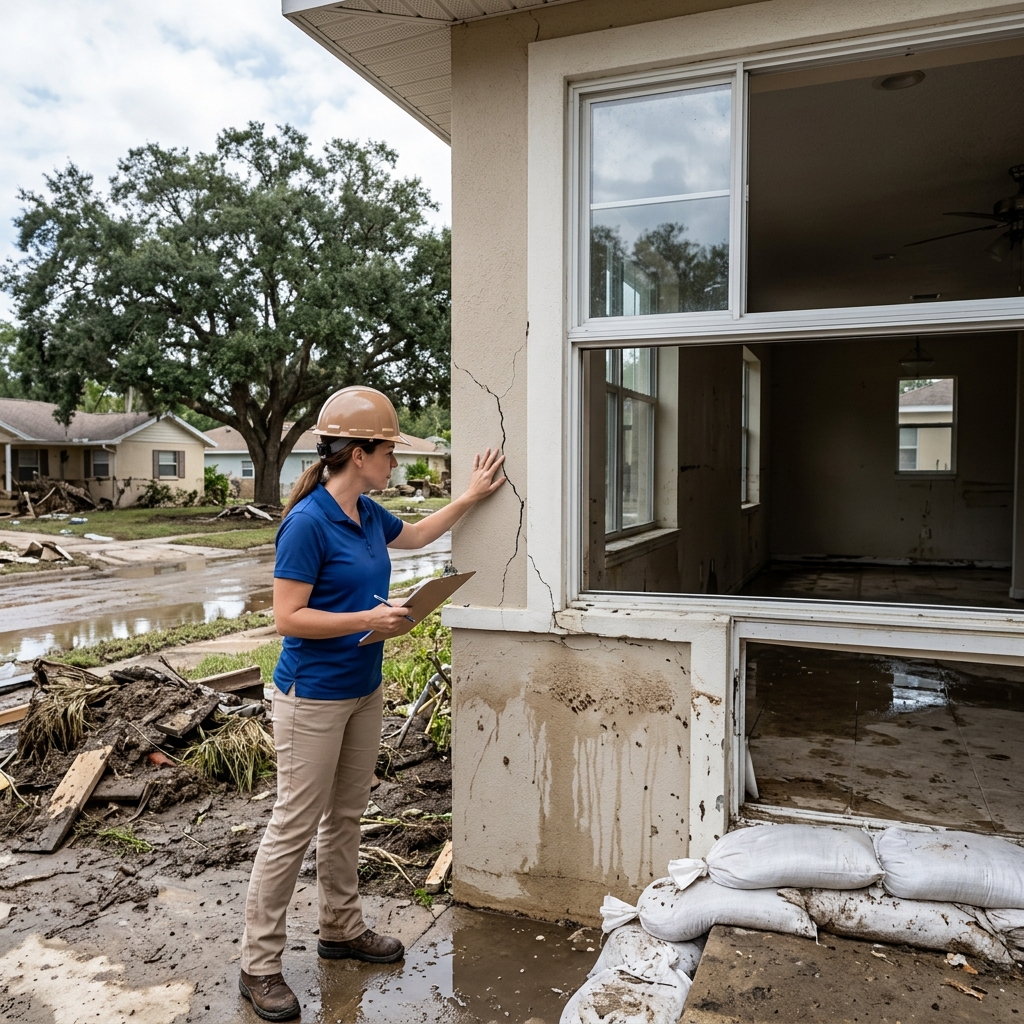
Flooding is one of the most common and costly natural disasters, yet many property owners mistakenly assume their regular homeowners or renters insurance will pay for flood damage. In reality, flood insurance is usually a separate policy with its own rules, limits, and eligibility requirements. This guide explains how flood insurance works, what it covers and excludes, when you may be required to buy it, and how to use it if your property is damaged in a flood.
What Counts as a Flood for Insurance Purposes?
Flood insurance does not apply to every situation where water damages your property. Policies linked to the National Flood Insurance Program (NFIP) and most private insurers use a specific definition of flood.
In general, a covered flood involves:
- An overflow of inland or tidal waters
- Unusual and rapid accumulation or runoff of surface waters from any source
- Flood-related erosion caused by waves or currents of water that exceed normal cyclical levels
- Water impacting at least two adjacent properties or two or more acres of normally dry land
By contrast, water damage from burst pipes, sewer backups, or a leaking roof is typically handled under regular property insurance, not flood insurance, unless the policy specifically includes an endorsement for such events.
Why Standard Homeowners Insurance Is Not Enough
Most homeowners, condo, and renters policies exclude losses caused by flood. That means even if you maintain comprehensive coverage for fire, theft, and certain types of water damage, flooding from rising waters often falls outside those protections.
Key points to understand:
- Flood damage is generally excluded from standard homeowners and renters policies.
- A separate flood policy is needed to cover building and contents damaged by a flood event.
- Without flood insurance, you may have to rely on personal savings, loans, or limited government disaster aid, which usually does not fully cover rebuilding costs.
Overview of NFIP and Private Flood Insurance
In the United States, flood insurance is offered primarily through two channels:
- National Flood Insurance Program (NFIP), administered by the Federal Emergency Management Agency (FEMA)
- Private flood insurers, which may offer alternative or supplemental coverage
The NFIP provides standardized policies to homeowners, renters, condo owners, and business owners in communities that participate in the program. Private insurers may operate outside the NFIP or sell NFIP-backed policies.
| Feature | NFIP Flood Insurance | Private Flood Insurance |
|---|---|---|
| Availability | In communities participating in NFIP; sold through licensed agents | Depends on insurer; may be available even where NFIP participation is limited |
| Coverage limits (residential) | Up to $250,000 for building, $100,000 for contents | Often higher limits, varies by policy |
| Underwriting | Standardized federal program | Insurer-specific underwriting and pricing |
| Waiting period | Typically 30 days before coverage begins | May offer different waiting periods |
What Flood Insurance Typically Covers
Flood policies generally separate coverage into building coverage and contents coverage. You can purchase one or both, depending on your needs.
Building Coverage
Building coverage protects the physical structure of the insured property and certain permanently installed features.
- Foundation and structural elements of the dwelling
- Electrical and plumbing systems
- Central air conditioning, heating systems, furnaces, and water heaters
- Built-in cabinets, bookcases, and paneling
- Detached garages (often covered up to a percentage of building coverage)
Under NFIP rules, coverage for a primary residential building is generally limited to $250,000.
Contents Coverage
Contents coverage protects personal property inside the insured building that is damaged by floodwaters.
- Furniture, clothing, and electronics
- Curtains and certain portable appliances
- Freezers and food stored in them
- Certain valuables, including artwork, up to specified limits
NFIP policies typically cap residential contents coverage at $100,000. Contents are often insured on an actual cash value basis, meaning depreciation is factored into the claim payment.
What Flood Insurance Does Not Cover
Flood insurance is not all-inclusive. Several categories of loss are usually excluded or only partially covered, and understanding these limits can help you avoid surprises after a disaster.
- Damage caused by moisture, mildew, or mold that you could have prevented
- Losses from earth movement such as landslides, even if triggered by floodwaters
- Additional living expenses (hotel costs, rental units) if you must leave your home, under standard NFIP policies
- Vehicle damage, which is normally handled through auto insurance
- Most items located in basements or below-ground rooms, except for certain critical equipment like furnaces and water heaters
Private flood policies may vary and sometimes add coverage for items that NFIP excludes, but these enhancements usually come with higher premiums.
Who Can Buy Flood Insurance?
Flood insurance is available to many types of property owners and occupants, as long as their community participates in the NFIP or a private insurer offers coverage in the area.
Eligible parties commonly include:
- Homeowners, including single-family and multi-family residential owners
- Condominium owners for individual units and associations for common property
- Renters, who can insure personal belongings
- Business owners, who may cover buildings and commercial contents
Commercial coverage under NFIP can reach up to $500,000 for buildings and $500,000 for contents, providing significant protection for small and medium-sized enterprises.
When Flood Insurance Is Required by Law or Lenders
In some situations, purchasing flood insurance is not optional. Federal law requires flood insurance on certain properties located in high-risk flood zones.
You may be required to carry flood insurance if:
- Your property is in a Special Flood Hazard Area (SFHA) as shown on FEMA flood maps
- You have a mortgage from a federally regulated or insured lender for property in a high-risk zone
- A federal agency is providing a loan or grant for building, buying, or improving a structure in an SFHA
Even outside high-risk areas, lenders may choose to require flood insurance based on their own risk assessments, particularly in moderate-risk zones.
Cost, Premiums, and Waiting Periods
Flood insurance pricing depends on several factors, including location, building characteristics, elevation, and chosen coverage limits. According to FEMA and state insurance regulators, average homeowners flood premiums have historically been around a few hundred dollars per year, though actual costs vary widely.
Important cost-related features include:
- Flood zone and risk level (high-risk areas generally pay more)
- Coverage amounts for building and contents
- Deductible choices, which can lower premiums but increase out-of-pocket costs
- Type of structure and occupancy (primary residence vs. non-primary, residential vs. commercial)
NFIP policies typically have a 30-day waiting period before coverage takes effect, unless the policy is purchased simultaneously with a new mortgage or in certain limited circumstances. This means you cannot wait until a storm is forecast and then buy flood insurance expecting immediate protection.
How to Purchase Flood Insurance
Flood insurance is sold through licensed insurance agents and companies, including many agents who already handle homeowners or auto policies.
To purchase coverage:
- Contact your current insurance agent and ask if they offer NFIP or private flood policies
- If you need an NFIP policy and do not have an agent, consult official provider locators or local insurance directories
- Review your community’s participation in NFIP and any elevation certifications that may affect your premium
- Compare NFIP and private options if both are available, focusing on coverage limits, exclusions, and cost
Filing a Flood Insurance Claim After a Disaster
If your property suffers flood damage, timely action can make the claims process smoother and increase the likelihood of a fair settlement.
General steps include:
- Notify your insurer or agent immediately after the flood
- Document damage with photographs, video, and a written inventory of affected items
- Keep receipts for emergency repairs and temporary protective measures
- Cooperate with the adjuster’s inspection and provide any requested records, such as proof of ownership and prior appraisals
- Review the adjuster’s report and ask questions about any disputed items
The NFIP standard policy pays for direct physical damage up to the replacement cost or actual cash value of the property, or the policy limits, whichever is less. Disputes about coverage or valuation can sometimes be resolved through internal appeals or litigation, particularly when the damage is extensive.
Legal and Practical Considerations
Flood insurance sits at the intersection of property law, contract law, and federal regulation. Property owners should keep several legal and practical issues in mind.
- Policy language controls: Coverage, exclusions, and claim procedures are determined by the written policy. Courts generally enforce those terms unless they conflict with applicable law.
- Compliance with lender requirements: Failing to maintain required flood insurance may breach your mortgage terms and expose you to penalties or forced-placed insurance.
- Coordination with other insurance: Flood claims may interact with homeowners, commercial property, and auto claims, so carefully coordinate discussions with all insurers.
- Local building codes: After a flood, rebuilding is often subject to updated codes and floodplain management rules, which can affect costs and timeline.
When disputes arise over coverage, policy interpretation, or claim handling, consulting an attorney experienced in insurance law can help you understand your rights and options.
Tips for Choosing the Right Flood Policy
Selecting an appropriate flood insurance policy involves more than just meeting lender requirements. Consider the following practical tips when evaluating your options:
- Review flood maps and local history to understand your true risk level, not just your current zone designation.
- Inventory your property and estimate replacement costs for both building and contents; use these figures to set coverage limits.
- Compare NFIP and private policies for differences in exclusions, basement coverage, and additional protections.
- Ask about deductibles and how they apply separately to building and contents claims.
- Check whether commercial properties can be insured for higher limits if you own or operate a business.
Frequently Asked Questions (FAQs)
Do I need flood insurance if I am not in a high-risk zone?
Yes, you may still want flood insurance even in moderate- or low-risk areas. Flooding can occur outside mapped high-risk zones, and NFIP policies are available in many such locations. Lenders may not require it, but voluntary coverage can protect you from unexpected events.
Can renters buy flood insurance?
Yes. Renters can purchase contents-only flood policies to protect their personal belongings, even though they do not own the building. The building owner is responsible for insuring the structure itself.
Is federal disaster assistance a substitute for flood insurance?
No. Federal disaster assistance is not guaranteed and is often limited to small grants or loans that must be repaid. Flood insurance pays covered claims regardless of whether a disaster is federally declared, up to the policy limits.
How long does it take for a new flood policy to become effective?
NFIP policies typically have a 30-day waiting period before coverage begins, with limited exceptions when coverage is purchased in connection with a new mortgage or certain map changes. Private policies may have different waiting rules, so check your contract.
Are my basement contents covered?
Coverage for basements and below-ground rooms is limited. NFIP policies usually protect certain equipment, like furnaces and water heaters, but exclude many contents stored in these spaces. Private policies may offer different terms, so review the detailed policy language.
References
- Flood Insurance | National Flood Insurance Program — Federal Emergency Management Agency (FEMA). 2023-05-10. https://www.fema.gov/flood-insurance
- Flood Insurance Basics — FloodSmart.gov (FEMA). 2023-04-20. https://www.floodsmart.gov/flood-insurance-basics
- Facts About Flood Insurance — Insurance Information Institute. 2022-09-15. https://www.iii.org/article/facts-about-flood-insurance
- Flood Insurance Coverage — National Association of Realtors. 2022-03-01. https://www.nar.realtor/flood-insurance/flood-insurance-coverage
- Flood Insurance Basics (Consumer Guide) — National Association of Insurance Commissioners. 2021-08-01. https://naic.org/documents/cmte_c_trans_read_wg_related_flood_insurance_basics_v4.pdf
- Flood Insurance Basics — Maryland Insurance Administration. 2021-07-01. https://insurance.maryland.gov/Producer/Documents/Flood_insurance_basics.pdf
- Things You Should Know About Flood Insurance — Calcasieu Parish Police Jury. 2022-02-10. https://www.calcasieu.gov/services/planning-development/floodplain-and-coastal-zone-management/things-you-should-know-about-flood-insurance
Similar Articles








Read full bio of medha deb




