
Flood Insurance Denial: 5 Steps To Appeal Successfully In 2025
Understand why flood claims are denied and how policyholders can respond effectively.
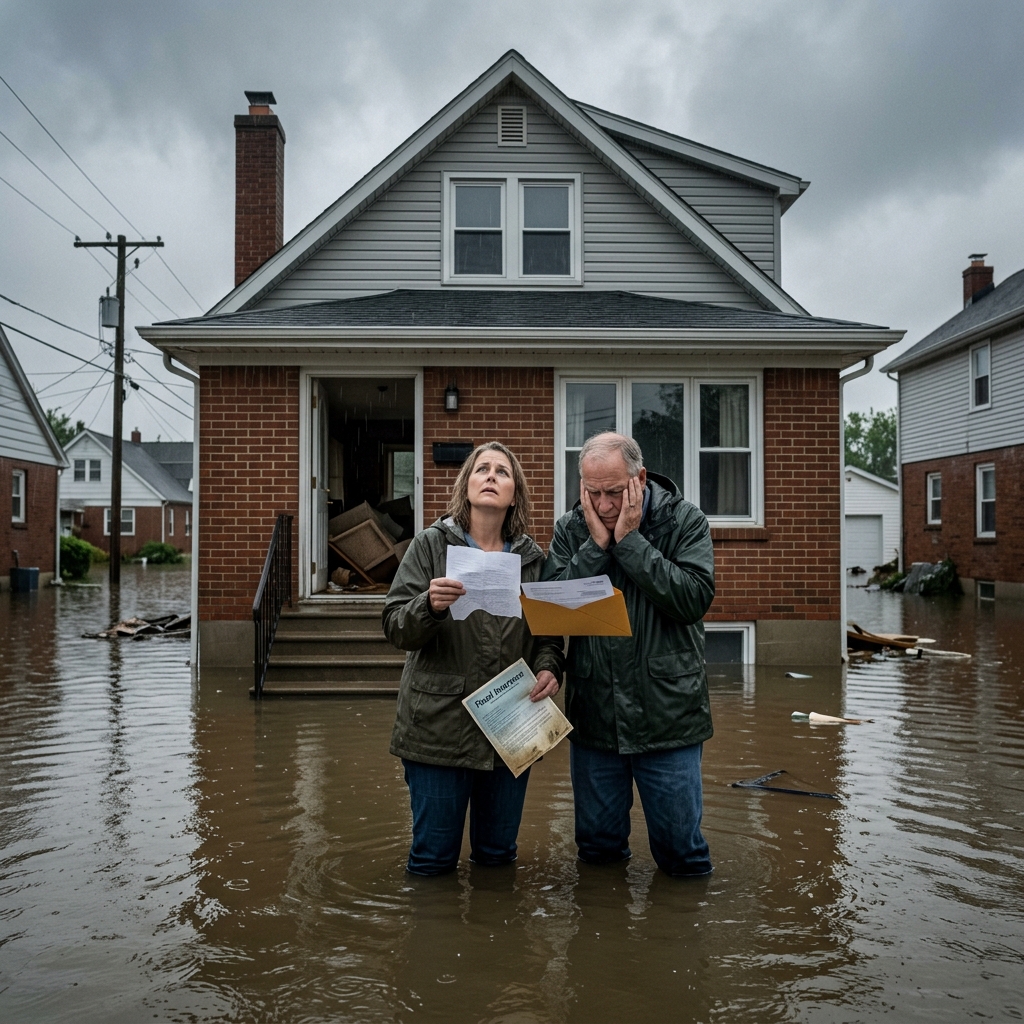
Getting a flood insurance policy is supposed to provide financial protection after a disaster, but a denial or underpayment can leave homeowners feeling stuck. In many cases, the disagreement is not about whether flooding happened, but about what the policy covers, how the loss was documented, or whether key deadlines were missed. Claims under flood policies are often denied or reduced because insurers say the damage was pre-existing, caused by something other than floodwater, or not supported by enough evidence.
If your flood insurer has refused to pay, the next step is not to assume the decision is final. A denial letter usually explains the insurer’s reasoning, and that explanation can be tested against the policy language, repair records, photographs, and independent assessments.
Why insurers say no
Flood insurers commonly rely on a small set of arguments when they deny a claim. One of the most frequent is that the damage did not come from a covered flood event, but instead came from wear and tear, poor maintenance, seepage, or another excluded cause. Another common position is that the property already had damage before the flood, which allows the insurer to argue that the storm did not create the full loss.
Insurers also reject claims when they believe the policyholder did not provide enough documentation, did not cooperate with the investigation, or missed claim deadlines. Under National Flood Insurance Program rules, policyholders must pay close attention to required notices, a signed Proof of Loss, and other procedural steps.
First review the policy, not just the denial
The policy itself is the starting point for any dispute. Coverage for flood damage depends on the exact wording of the contract, including exclusions, coverage limits, and filing requirements. If the insurer says a type of damage is excluded, the key question is whether the exclusion actually applies to your facts.
Look for the following details in the policy:
- What counts as a covered flood loss
- Whether contents, building elements, or both are insured
- Deadlines for notice, Proof of Loss, and appeal
- Any exclusions for mold, earth movement, hidden seepage, or long-term deterioration
- Special rules that apply to federal flood coverage under the NFIP
Reading the policy carefully often reveals whether the denial is based on a real coverage problem or on an overly narrow interpretation by the insurer.
What evidence strengthens a flood claim
Flood claims are easier to dispute when the file contains detailed, organized evidence. Photographs and videos taken as soon as it is safe to do so can show the extent of water intrusion, damaged flooring, ruined furniture, soaked drywall, and other visible losses. Written repair estimates from licensed contractors help establish the cost of restoration and can expose low estimates from the insurer’s adjuster.
Good documentation often includes:
- Wide and close-up photos of every damaged area
- Video walkthroughs showing water lines and structural damage
- Itemized repair estimates from contractors
- Receipts, purchase records, or inventories for damaged belongings
- Weather reports, flood alerts, and local news coverage of the event
- Independent expert inspections if the cause of damage is disputed
When the insurer says damage existed before the flood, outside records and expert reports can be especially helpful. They may show the property was functional before the event and deteriorated only after the water entered.
How deadlines affect flood claims
Timing is critical in flood insurance disputes. NFIP guidance emphasizes that policyholders must submit required paperwork promptly, and the Proof of Loss deadline is especially important. United Policyholders notes that the Proof of Loss form generally must be filed within sixty days after the loss, unless a waiver applies.
Missing a deadline can give the insurer a procedural reason to deny the claim even when the damage is real. That is why flood policyholders should move quickly after the loss, preserve evidence, and keep copies of all forms, letters, and emails sent to the insurer.
Using the denial letter to build your response
The denial letter is more than bad news; it is a roadmap. It should identify the insurer’s stated reasons for refusing payment and the policy terms it relies on. Review each reason carefully and ask whether the insurer has the facts right, whether the policy supports the explanation, and whether the company ignored evidence that favors coverage.
A strong response usually does three things:
- Addresses each reason for denial directly
- Cites the relevant policy language
- Attaches documents that contradict the insurer’s position
If the denial is vague, inconsistent, or unsupported by the evidence, point that out clearly. Specific objections are more persuasive than general complaints.
When an independent adjuster or expert helps
Many policyholders benefit from hiring a public adjuster or another independent expert. A public adjuster works for the insured rather than the carrier and can document losses, prepare estimates, and help negotiate the claim. Independent inspectors and contractors may also identify damage the insurer overlooked or incorrectly labeled as non-covered.
This can be particularly valuable when the insurer’s estimate is much lower than the true repair cost or when the company says certain damage was caused by something other than flooding. A second opinion can clarify whether the insurer’s view is reasonable or whether the claim has been undervalued.
Appealing the decision
If the insurer has an internal appeal process, use it. Appeals are typically strongest when they are written, organized, and supported by records that were not previously submitted. Some NFIP-related disputes may also require a formal appeal through FEMA, and policyholders should follow the instructions in the denial notice carefully.
An appeal package should usually include:
- A letter explaining why the denial is incorrect
- A copy of the policy and denial letter
- Photos, videos, estimates, and receipts
- Any independent inspection reports
- A completed Proof of Loss, if required
Even if the insurer does not change its position, the appeal record can matter later if the dispute moves into formal legal action.
When the issue is not denial but underpayment
Not every dispute is a flat refusal to pay. Sometimes the insurer accepts part of the claim but values the damage too low. That can happen when the adjuster overlooks hidden damage, uses incomplete pricing data, or applies exclusions too broadly.
Underpayment disputes should still be treated seriously. A policyholder can request a reinspection, submit a revised estimate, or seek expert help to show the true cost of restoring the property. In flood cases, undervaluation can be almost as damaging as denial because repair costs after a flood are often high and urgent.
Possible legal remedies
If an appeal does not solve the problem, legal action may be the next step. Flood insurance disputes can be technical, and lawsuits often turn on whether the policyholder met procedural requirements and whether the insurer properly applied the policy terms. Federal flood policy disputes may be subject to strict filing rules, including a limited window to sue after a disallowance notice.
An attorney can help determine whether the insurer relied on an invalid exclusion, ignored proof of loss evidence, failed to evaluate the claim fairly, or made other mistakes in handling the file. In some situations, a lawyer may also review whether the insurer’s conduct crossed the line into bad faith under applicable law.
What to do right after a denial
Immediate action can make the difference between a reversible denial and a permanent loss. Policyholders who act quickly have a better chance of preserving evidence and meeting deadlines.
| Step | Why it matters |
|---|---|
| Read the denial letter | Shows the insurer’s exact reasons for refusing payment |
| Recheck the policy | Confirms what is actually covered and what deadlines apply |
| Collect more proof | Strengthens the file with photos, estimates, and expert reports |
| Submit an appeal | Gives the insurer a chance to correct errors before litigation |
| Consult a professional | Helpful when the claim is large, technical, or heavily disputed |
Frequently asked questions
Why would a flood claim be denied even when the house is damaged?
Insurers may argue that the damage was caused by excluded conditions, pre-existing deterioration, or a lack of proper documentation rather than by a covered flood event.
What is the most important document after a flood?
The Proof of Loss is often one of the most important documents under NFIP-related coverage, and missing that deadline can jeopardize the claim.
Can I challenge a low settlement offer?
Yes. If the insurer accepted part of the loss but undervalued the repairs, you can submit additional evidence, request a reinspection, or file an appeal with more detailed estimates.
Should I use a public adjuster?
A public adjuster can be useful when the loss is complex or the insurer’s valuation appears too low, because the adjuster can document damage and negotiate on your behalf.
Is it worth talking to a lawyer?
Yes, especially if the insurer is relying on a technical policy argument, missing deadlines, or refusing to reconsider after an appeal. Flood claims are often controlled by strict rules, so legal help can prevent procedural mistakes.
References
References
- Flood Damage Claims: Why Insurers Deny Them and How a Lawyer Can Help — Merlin Law Group. n.d. https://www.merlinlawgroup.com/flood-damage-claims/
- Claim Denial Reasons After Hurricane Damage Explained — CMS Law Group. n.d. https://cmslawgroup.com/top-5-reasons-insurance-companies-deny-hurricane-claims-in-florida/
- Why Would a Flood Damage Claim Be Denied? — On My Side. n.d. https://onmyside.com/faqs/why-would-a-flood-damage-claim-be-denied/
- Why Your Water Damage Claim May Be Denied — Lawrence Law. n.d. https://www.lawrencelaws.com/blog/why-your-water-damage-claim-may-be-denied/
- Denials and What To Do Next — FEMA / FloodSmart. n.d. https://agents.floodsmart.gov/articles/denials-and-what-do-next
- Flood Insurance Claim Basics — United Policyholders. n.d. https://uphelp.org/claim-guidance-publications/flood-insurance-claim-basics/
Similar Articles








Read full bio of Sneha Tete




