
Online Ticket Sales Laws: What Buyers And Sellers Need In 2025
Understand how scalping laws, federal regulations, and consumer protections apply when tickets are bought and sold on the internet.
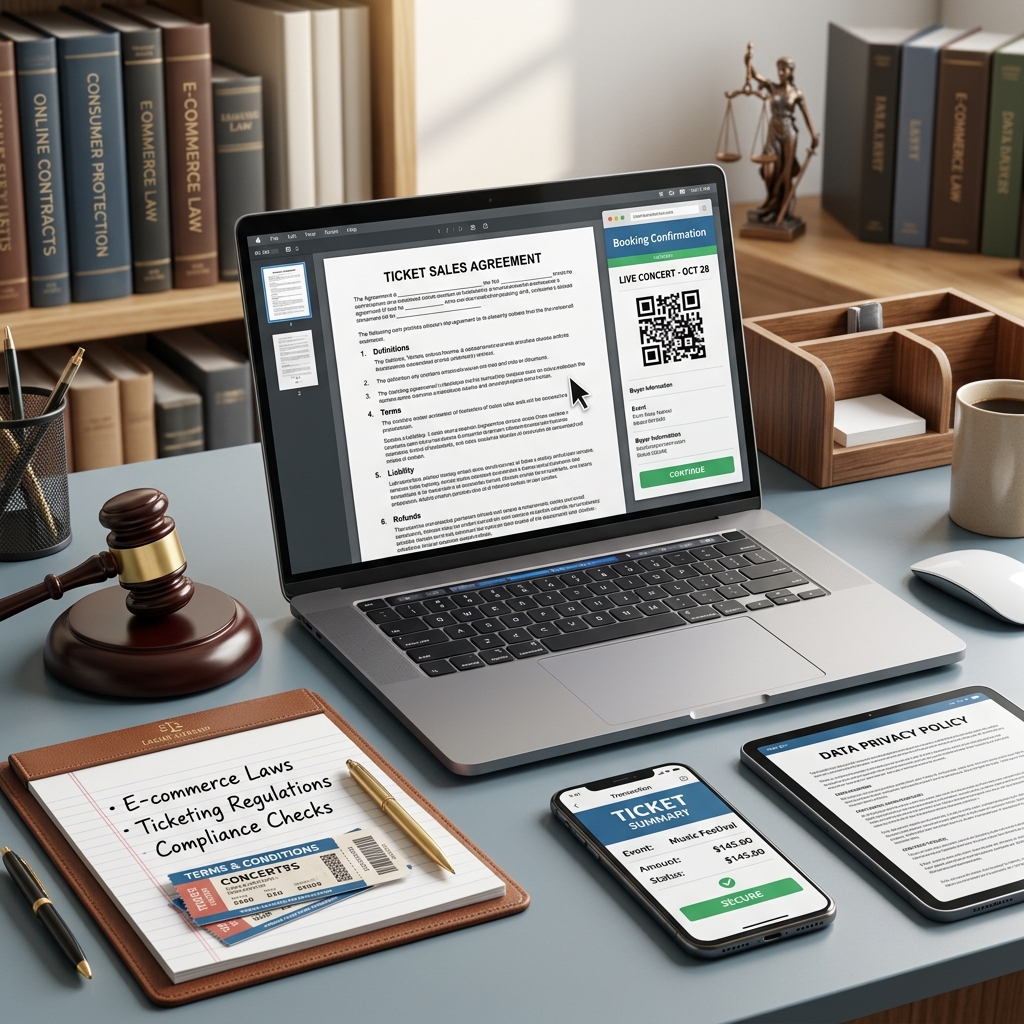
Online ticket marketplaces have made it easy to buy and sell seats for concerts, sporting events, theater performances, and festivals from almost anywhere. The convenience can make it seem like the rules are more relaxed online, but in reality internet ticket sales are governed by a mix of state laws, federal legislation, and general consumer protection principles that still apply even when a transaction happens through a website or app.
This article explains how traditional ticket scalping laws apply to online sales, the role of federal rules such as the Better Online Ticket Sales (BOTS) Act, the duties and risks facing brokers and platforms, and what consumers can do if something goes wrong with a ticket purchase.
Why Online Ticket Sales Are Legally Different Yet Still Regulated
Buying tickets online changes the way transactions occur, but it does not eliminate legal obligations. Several features of internet ticketing create unique challenges:
- Borderless commerce: A buyer in one state can purchase tickets from a seller or platform located in another state, raising questions about which jurisdiction’s laws apply.
- High-speed technology: Automated tools and bots can buy large numbers of tickets within seconds, potentially overwhelming systems designed for ordinary consumers.
- Layered markets: Primary sellers (like venue box offices or authorized platforms) coexist with secondary markets where brokers and individual resellers offer tickets, sometimes at much higher prices.
- Complex pricing: Service fees, processing fees, and facility charges can significantly change the total cost compared with the advertised base price.
To address these concerns, lawmakers have extended existing rules to online sales and adopted new laws specifically targeting digital ticketing practices.
State Ticket Scalping Laws and Their Online Reach
Many states have long regulated ticket scalping, which generally refers to reselling tickets at a price above face value, reselling in restricted areas, or engaging in deceptive practices when marketing tickets. Online transactions typically fall under these same statutes, even though the sale does not occur outside the venue or at a physical box office.
Common Elements of State Scalping Regulations
While states differ in their exact rules, ticket scalping laws often address:
- Price restrictions: Limits or prohibitions on reselling tickets for more than a certain markup or above face value in specific contexts.
- Location controls: Rules against selling tickets near venues or in designated areas, which may still apply when sellers meet buyers in person after arranging online deals.
- Licensing requirements: Some jurisdictions require brokers or frequent resellers to hold a license or comply with registration rules.
- Disclosure obligations: Requirements to accurately represent seat location, restrictions on use, and whether a ticket is speculative (not yet in the seller’s possession).
When tickets are sold online, courts and regulators often look at where the buyer is located, where the event occurs, and where the seller is operating to decide which state’s laws govern the transaction.
Challenges with Enforcing State Laws Online
Enforcing traditional scalping laws on the internet can be difficult. Legal scholars have noted issues such as:
- Personal jurisdiction: Determining whether a court in one state can assert authority over an out-of-state seller, especially when the only contact is an online sale.
- Choice-of-law problems: Deciding which state’s law applies when multiple states have a connection to the transaction.
- Resource constraints: State agencies may lack the staff and funding needed to monitor a national or global marketplace for violations.
These difficulties are a key reason why federal intervention has become an important part of regulating online ticket sales.
Federal Regulation: The Better Online Ticket Sales (BOTS) Act
The most significant federal law specifically addressing online ticket purchases is the Better Online Ticket Sales (BOTS) Act of 2016, codified at 15 U.S.C. § 45c. It was enacted to combat the use of ticket bots and similar technologies that allow brokers or resellers to capture large quantities of tickets in ways ordinary consumers cannot.
What the BOTS Act Prohibits
Under the BOTS Act, it is unlawful to:
- Circumvent security measures or technological controls used by online ticket issuers to enforce purchasing limits or maintain fair order rules during ticket sales.
- Obtain tickets using banned methods such as automated scripts or systems that bypass caps on the number of tickets a single buyer can purchase.
- Sell or offer tickets acquired through such circumvention when the seller participated in, controlled, or reasonably should have known about the unlawful conduct.
The law applies to tickets for public concerts, sporting events, theater performances, and similar activities at venues with a seating capacity of more than 200.
Enforcement by the Federal Trade Commission
The Federal Trade Commission (FTC) enforces the BOTS Act and can take action against violators using its authority under the FTC Act. The FTC may seek civil penalties and other remedies against individuals or companies that use unlawful automated tools or knowingly sell tickets obtained through these methods.
Recent enforcement efforts illustrate the law’s practical impact. The FTC has sued ticket broker operations that allegedly used bots and other techniques to bypass ticket limits for high-demand events and then resold tickets at significantly higher prices, generating millions in revenue. These cases show that regulators are willing to pursue both the acquisition and resale of tickets when prohibited methods are involved.
Potential Future Federal Rules on Pricing Transparency
Beyond bots, policymakers have focused on transparency in ticket pricing, particularly concerning mandatory fees. Proposals such as the TICKET Act, considered in Congress, would require event ticket sellers to display the total ticket price, including all required fees, upfront in advertising and marketing materials. Although not yet universal law, these initiatives reflect a growing interest in ensuring consumers are not misled by low headline prices that increase significantly at checkout.
Primary Sellers, Brokers, and Secondary Market Platforms
Internet ticket sales involve a variety of actors, each with different legal responsibilities and risks. Understanding their roles helps clarify why certain practices draw regulatory scrutiny.
| Actor | Typical Role | Key Legal Concerns |
|---|---|---|
| Primary ticket issuer | Venue, team, promoter, or authorized platform selling first-release tickets. | Compliance with consumer protection rules, accurate disclosure of fees and seat details, fair access to tickets. |
| Ticket broker | Business purchasing tickets in bulk to resell, often on secondary platforms or its own site. | Compliance with scalping laws, avoiding bot use, honoring disclosure requirements, and holding licenses where required. |
| Individual reseller | Consumer selling a ticket they no longer need, often via online marketplaces. | Potential exposure to scalping rules if repeatedly reselling or charging high markups; accuracy in describing tickets. |
| Secondary platform | Website or app enabling users to list and purchase resale tickets. | Platform policies, dispute resolution procedures, compliance with consumer law, and ensuring listings are not fraudulent. |
Broker Practices and Regulatory Attention
Ticket brokers can play a legitimate role by redistributing tickets and providing liquidity in the market. However, concerns arise when brokers:
- Use bots or technical workarounds to buy large numbers of tickets in violation of posted limits.
- List tickets for significant markups immediately after primary sales, contributing to affordability problems for fans.
- Resell tickets obtained through prohibited methods, which may violate the BOTS Act and applicable state laws.
Regulators have pursued brokers that allegedly exceed ticket purchasing limits and manipulate online systems to gain an unfair advantage over ordinary consumers.
Consumer Protection Issues in Online Ticketing
Standard consumer protection principles apply to online ticket transactions, even when there is no specific ticketing statute directly addressing a particular practice. Authorities may view certain actions as deceptive or unfair, especially when they impair consumers’ ability to make informed choices.
Common Problems for Consumers
Buyers on ticket platforms frequently encounter issues such as:
- Hidden or late-added fees: Mandatory charges added at checkout that substantially increase the total price compared with the initial advertised amount.
- Speculative listings: Offers for tickets that the seller does not yet possess, which may lead to non-delivery or seat changes.
- Misrepresented seat locations: Descriptions that do not match the actual section, row, or view from the seat.
- Fraudulent or invalid tickets: Counterfeit tickets or multiple copies of the same barcode sold to different buyers.
In serious cases, these problems can trigger investigations under general consumer protection laws, including statutes that prohibit unfair or deceptive acts or practices.
Contracts, Terms of Use, and Dispute Limits
Most ticket websites require users to accept terms of service that govern the relationship between buyers, sellers, and the platform. These agreements often contain:
- Arbitration clauses: Provisions requiring disputes to be resolved through private arbitration instead of court litigation, which can limit how and where consumers may sue.
- Liability limitations: Clauses restricting the platform’s responsibility for problems arising from third-party listings or event changes.
- Refund policies: Rules detailing when, if ever, a buyer may receive a refund for canceled events, postponed dates, or ticket non-delivery.
Because these terms can significantly affect a consumer’s legal options, it is important to review them before completing a purchase or listing tickets for sale.
Practical Tips for Buyers and Sellers in Online Ticket Markets
While the legal landscape may seem complex, a number of practical steps can reduce risk and support compliance.
Tips for Ticket Buyers
- Purchase from reputable platforms or authorized sellers whenever possible.
- Check whether the platform provides a guarantee or protection program for invalid or non-delivered tickets.
- Review the total price with all fees before confirming payment, and take screenshots of the offer in case of disputes.
- Read the site’s terms of use, paying particular attention to arbitration clauses and refund policies.
- Be skeptical of deals that appear far below market price or require unusual payment methods, as these may signal fraud.
Tips for Ticket Sellers and Brokers
- Avoid any use of bots or other tools that circumvent security measures or ticket limits, as this may violate the BOTS Act and other laws.
- Stay informed about state scalping rules in both the state where the event occurs and where buyers are located.
- Accurately describe seat locations, restrictions, and delivery methods in listings to minimize risk of consumer complaints.
- Comply with any licensing or registration requirements that apply to professional ticket brokers.
- Preserve transaction records and communications in case of regulatory inquiries or disputes with buyers.
Frequently Asked Questions About Internet Ticket Sale Laws
Do state scalping laws still apply when tickets are sold online?
Yes. Most states apply their scalping rules to tickets sold via websites and apps, even though the transaction does not occur at the venue or a physical ticket booth. Authorities may look at where the buyer and event are located to determine which state’s law governs the particular transaction.
What is a ticket bot, and why is it illegal to use one?
A ticket bot is an automated program or system designed to quickly purchase large quantities of tickets online, often bypassing purchasing limits and other controls. The BOTS Act makes it illegal to circumvent security measures that enforce event ticket limits and to sell tickets obtained in violation of those controls.
Can I legally resell a ticket I purchased for personal use?
In many places, occasional resale by individuals is allowed, but the legality depends on state law, the terms of the ticket, and the pricing involved. Consistently reselling tickets for profit or at significant markups may trigger scalping or broker regulations, so it is important to check local rules before engaging in frequent resale activity.
What can I do if I suspect a ticket website is using deceptive pricing?
If you believe a site has used misleading pricing or hidden fees, you may file a complaint with consumer protection authorities such as the FTC or your state attorney general, and review whether the platform’s user agreement limits certain legal actions. Keeping documentation of the advertised price and final charged amount is helpful if you pursue a dispute.
How do arbitration clauses affect my ability to sue over ticket problems?
Arbitration clauses commonly found in ticket platform terms of service require disputes to be handled through private arbitration instead of court litigation. This can affect where and how you bring claims, the remedies available, and whether you can participate in class actions. Consumers should read these provisions carefully before agreeing to them.
References
- Better Online Ticket Sales Act — Federal Trade Commission. 2016-12-14. https://www.ftc.gov/legal-library/browse/statutes/better-online-ticket-sales-act
- Better Online Tickets Sales Act of 2016 — U.S. Congress / Public Law 114-274 (summary via encyclopedic source). 2016-12-14. https://en.wikipedia.org/wiki/Better_Online_Tickets_Sales_Act
- FTC Takes Action Against Ticket Resellers Using Illegal Tactics to Bypass Ticket Limit Protections — Federal Trade Commission. 2025-08-01. https://www.ftc.gov/news-events/news/press-releases/2025/08/ftc-takes-action-against-ticket-resellers-using-illegal-tactics-bypass-ticket-limit-protections
- Summary: Event Ticket Sales 2024 Legislation — National Conference of State Legislatures. 2024-03-01. https://www.ncsl.org/financial-services/event-ticket-sales-2024-legislation
- Who Needs Tickets? Examining Problems in the Growing Online Ticket Marketplace — Federal Communications Law Journal, Indiana University Maurer School of Law. 2010-01-01. https://www.repository.law.indiana.edu/cgi/viewcontent.cgi?article=1544&context=fclj
- America’s Last Hope for Affordable Live Entertainment? The FTC’s Suit Against Live Nation — Ave Maria Law Review (Blog). 2024-02-01. https://www.avemarialaw.edu/affordable-live-entertainment/
- Can I sue a ticket website for potential scams? — Justia Ask A Lawyer. 2026-02-05. https://answers.justia.com/question/2026/02/05/can-i-sue-a-ticket-website-for-potential-1102193
Similar Articles








Read full bio of Sneha Tete


