
Police Liability and Personal Injury Claims
A clear guide to when police conduct can create injury liability and what claims may follow.
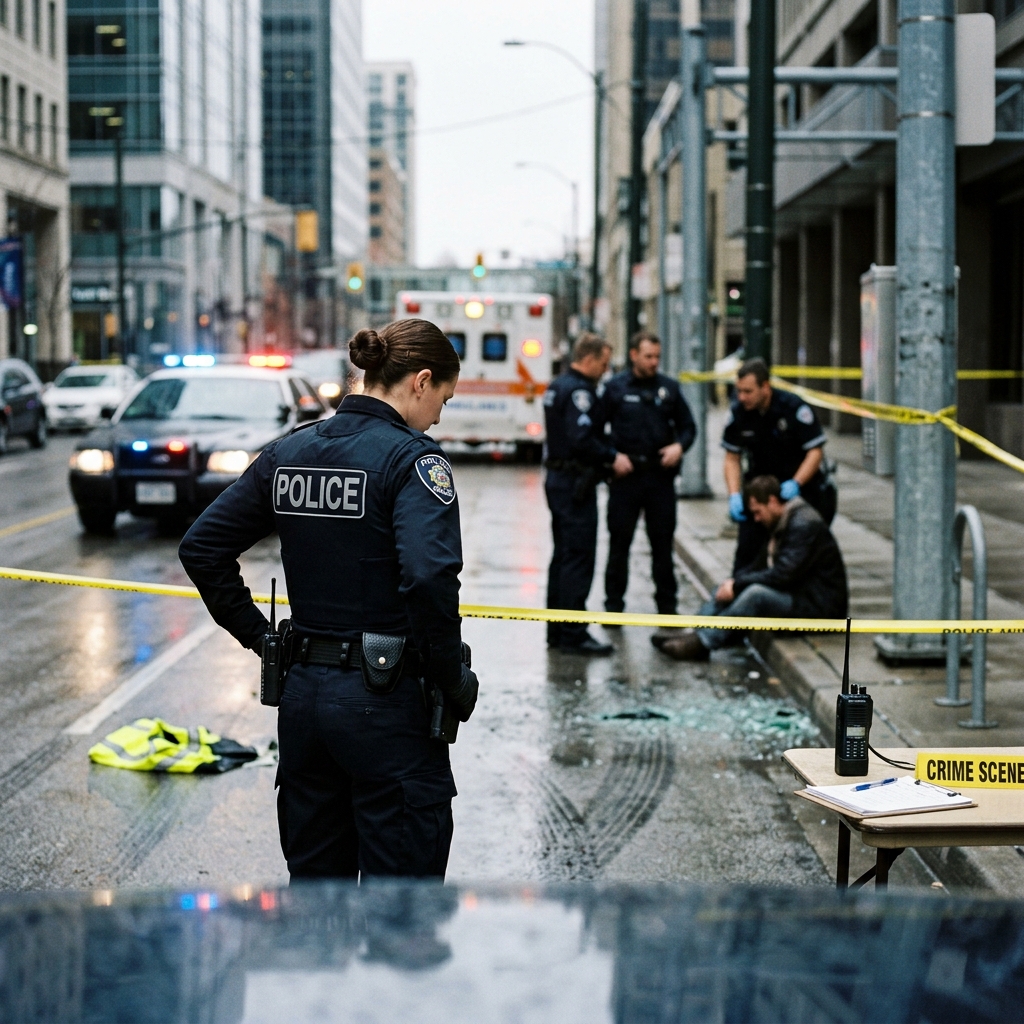
Police officers and other law enforcement personnel perform duties that can place them, and the public, in dangerous situations. When an injury happens during an arrest, a pursuit, a traffic stop, or another official encounter, the legal question is not only who was hurt, but also how the injury occurred and whether a legal duty was breached. In some cases, a claim may be brought against an individual officer, a department, a city, or another public employer. In other cases, immunity rules limit or bar recovery.
This topic is often misunderstood because liability involving law enforcement is not governed by a single rule. Instead, it can involve ordinary negligence principles, civil rights claims, statutory protections for officers, governmental immunity, and special rules for workplace injuries. The result is a legal landscape where the facts matter more than labels.
When an Injury Claim Can Arise
A personal injury case involving police or law enforcement usually begins with a simple question: did someone act unreasonably and cause harm? If the answer is yes, a claim may be possible, but the path depends on who was injured and what role the officer was performing at the time.
For civilians, claims often arise from alleged excessive force, negligent driving, unsafe crowd-control tactics, poor property maintenance by a public agency, or other conduct that causes physical or emotional harm. For officers themselves, claims may involve collisions, assaults by third parties, unsafe conditions at a scene, or misconduct by a government employee.
- Intentional misconduct, such as assault or abuse of authority, can support civil claims in some situations.
- Negligence, such as careless driving or failure to secure a hazard, may also create liability.
- Statutory violations can matter when a law specifically protects first responders or the public.
- Civil rights violations may support separate federal claims when government power is misused.
Claims Brought by Injured Officers
Injured officers may have more than one possible avenue for recovery. Workers’ compensation is often the first layer of protection because it can cover medical treatment and part of lost income for job-related injuries. But workers’ compensation does not always fully address the loss, especially when a third party caused the harm.
If a private driver hits a police vehicle, if a suspect assaults an officer, or if a property owner creates a dangerous condition at a scene, the officer may be able to bring a separate personal injury claim. Those claims are often aimed at the person or entity whose conduct caused the injury, not the officer’s employer.
In many jurisdictions, the officer’s ability to sue depends on the source of the harm and whether the injury resulted from ordinary risks of the job or from conduct beyond those risks. Some states also restrict recovery through special immunity doctrines or notice requirements.
How Government Immunity Shapes the Case
Government defendants often rely on sovereign immunity or governmental immunity, which can shield public entities from many lawsuits. These doctrines do not always bar claims entirely, but they can narrow them, cap damages, or require plaintiffs to follow strict procedural rules.
When an officer works for a public agency, liability can become more complex. A city, county, state agency, or department may argue that it is immune unless a statute waives that protection. Some laws allow claims for negligent acts by public employees acting within the scope of employment, while others preserve immunity except in narrow circumstances.
The officer’s own conduct also matters. In some states, an officer may be personally liable if the conduct was willful, wanton, malicious, or outside the normal scope of duty. That means a plaintiff must often show more than a simple mistake.
Common Legal Theories in Police Injury Cases
Several legal theories appear frequently in claims involving police conduct. The exact mix depends on the facts, the state, and whether the plaintiff is a civilian or an officer.
| Legal theory | What it usually requires | Example |
|---|---|---|
| Negligence | Duty, breach, causation, and damages | Careless operation of a patrol car causing a crash |
| Excessive force | Use of force beyond what was reasonable | Unnecessary physical force during an arrest |
| Civil rights violation | Misuse of state authority that violates protected rights | Unlawful seizure or retaliation for recording police activity |
| Premises liability | Unsafe property conditions and notice of the danger | Officer injured by a hidden hazard on private property |
| Statutory claim | Violation of a law designed to protect a class of people | Interference with recording an incident where the law protects that activity |
What Damages May Be Available
When a claim succeeds, damages are designed to make the injured person whole as far as money can do so. In law enforcement injury cases, that can include both economic and non-economic losses.
- Medical expenses for emergency care, surgery, rehabilitation, medication, and follow-up treatment.
- Lost wages if the injury prevents the person from working for a period of time.
- Future income loss if the injury limits long-term earning ability.
- Pain and suffering for the physical pain and emotional impact of the injury.
- Emotional distress in cases involving trauma, humiliation, or psychological harm.
- Property damage, such as damage to a vehicle or equipment used on duty.
In rare cases, punitive damages may also be considered if the conduct was especially reckless or intentional, but many government-related cases restrict or prohibit this remedy.
Important Defenses and Barriers
Not every injury leads to liability. Defendants in police-related cases often raise several defenses that can defeat the claim entirely or reduce the amount recovered.
- Immunity may protect public entities or officers acting within lawful authority.
- Scope of duty arguments may limit personal liability when the conduct occurred during official work.
- Comparative fault may reduce recovery if the injured person contributed to the incident.
- Statutes of limitation may bar claims filed too late.
- Notice requirements may require early written notice before a public entity can be sued.
In practice, these defenses can be just as important as the underlying facts. A strong case can still fail if the plaintiff misses a filing deadline or sues the wrong entity.
The Difference Between Personal Injury and Civil Rights Claims
Some incidents involving law enforcement support both a personal injury claim and a civil rights claim, but the two are not identical. A personal injury case focuses on harm and compensation under tort law. A civil rights case focuses on misuse of government power and the violation of constitutional or federally protected rights.
For example, a person injured during an arrest may claim excessive force under tort law, but may also argue that the same conduct violated constitutional protections. Likewise, an officer who suffers retaliation or unlawful interference while performing official duties may have claims under state law, federal law, or both. The legal theories overlap, but the required proof can differ significantly.
Why Evidence Matters So Much
Evidence can determine whether a claim succeeds, especially in cases involving police conduct where body camera footage, dispatch logs, witness statements, and medical records may all matter. The goal is to show what happened, who was involved, and how the injury occurred.
Useful evidence may include:
- Incident reports and internal records
- Body-worn camera or dash camera footage
- Photographs of injuries or property damage
- Medical records and treatment summaries
- Witness statements from bystanders or other officers
- Dispatch records, radio traffic, or GPS data
When public agencies control much of the evidence, early preservation requests are especially important.
Practical Questions People Ask
People involved in these cases often want to know whether they can sue the officer, the department, the city, or all three. The answer depends on who caused the injury, whether the officer was acting within official authority, and whether the state has waived immunity for that type of claim. In some places, a plaintiff may sue both the individual and the public employer, while in others the claim may proceed only against one defendant.
Another common question is whether an officer can recover after being injured on duty. The answer is often yes, but the claim may be limited to workers’ compensation or a narrowly defined lawsuit against a third party. If the injury was caused by a government employee’s negligence, the officer may also face procedural hurdles and damages caps.
Frequently Asked Questions
Can an officer sue after a work-related injury?
Yes, but the claim usually depends on who caused the injury and whether workers’ compensation, immunity rules, or a special statute controls the case.
Can a person sue police for excessive force?
In some cases, yes. Excessive force may support both a tort claim and a civil rights claim if the conduct was unreasonable and caused injury.
Does immunity always block a lawsuit against a department?
No. Immunity can be waived by statute or limited by exceptions, but the plaintiff must follow the applicable state and procedural rules.
What if the injury happened during a vehicle pursuit?
Vehicle pursuit cases often turn on negligence, emergency-response standards, and whether the officer or another driver acted reasonably under the circumstances.
Are damages always available against a government employer?
No. Even when liability exists, damages may be capped or limited, especially when the defendant is a public entity.
How to Approach a Potential Claim
Anyone considering a claim involving law enforcement should start by identifying the exact event, the likely defendant, and the applicable deadline. Because these cases often involve immunity and special notice rules, waiting too long can weaken or eliminate recovery options.
It is also useful to document medical treatment immediately, preserve photographs and video, and keep copies of all communications with the agency, insurer, or investigating body. In many cases, a careful factual record is the strongest foundation for either a settlement discussion or a lawsuit.
References
- Law Enforcement Liability — Colorado General Assembly. 2024-01-01. https://content.leg.colorado.gov/sites/default/files/law_enforcement_liability_0.pdf
- Overview of Police Liability — LLRMI. 2023-01-01. https://www.llrmi.com/articles/legal_update/liabilityoverview/
- Law Enforcement Liability Insurance — Travelers. 2025-01-01. https://www.travelers.com/business-insurance/general-liability/law-enforcement
- Can a Police Officer Sue for Personal Injury? — ForYourRights. 2025-01-01. https://www.foryourrights.com/faqs/can-a-police-officer-sue-for-personal-injury/
- Can I File a Personal Injury Claim Against the Police? — DZN Law Firm. 2025-01-01. https://dznlawfirm.com/personal-injury-claim-against-police/
Similar Articles








Read full bio of Sneha Tete




