
Signs Of Nursing Home Abuse: 5 Red Flags Families Should Spot
Learn to identify critical indicators of nursing home abuse and neglect to safeguard your loved ones effectively.
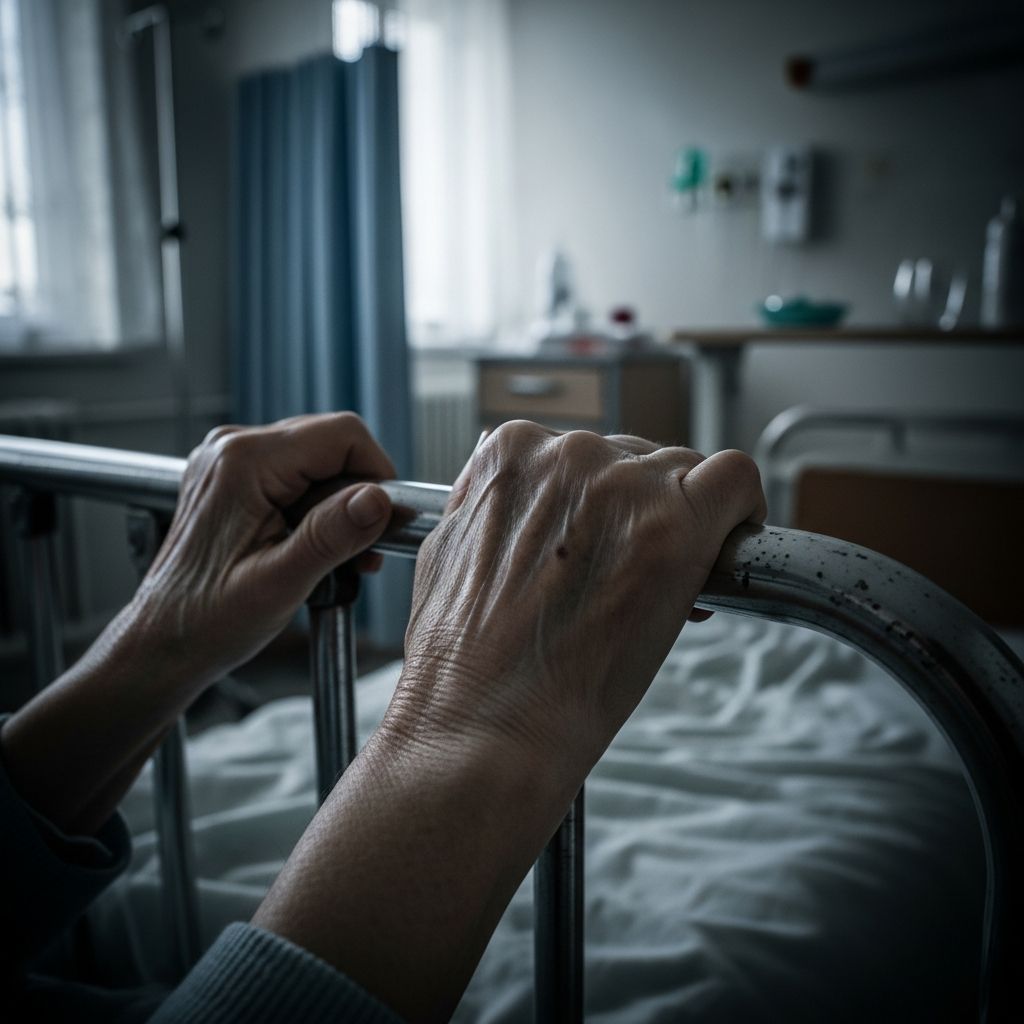
Nursing homes provide vital care for elderly individuals who require assistance with daily living. However, abuse and neglect remain pervasive issues, affecting millions annually. Recognizing early indicators can prevent harm and ensure accountability. This guide explores various forms of mistreatment, their symptoms, and actionable steps for families.
Understanding the Scope of Elder Mistreatment in Care Facilities
Elder abuse encompasses intentional harm or failure to provide necessary care in settings like nursing homes. According to reports, up to 5 million elders experience abuse yearly, with neglect being particularly common in institutional environments. Physical, emotional, sexual, financial exploitation, and neglect each present unique red flags that vigilant family members can detect during visits or through communication.
Statistics highlight the urgency: over half of certified nursing assistants in some facilities admit to verbal mistreatment, underscoring systemic challenges. Families must stay proactive, conducting frequent, unannounced visits to monitor conditions effectively.
Physical Harm: Visible and Invisible Injuries
Physical abuse involves deliberate infliction of pain or injury, often through hitting, shoving, or improper restraint use. Residents may exhibit unexplained bruises, welts, fractures, burns, or lacerations, particularly in patterns suggesting grabs or slaps. Head trauma, broken eyeglasses, rope marks on wrists, or frequent falls without clear cause are alarming.
Other indicators include open wounds, sprains, dislocations, or side effects from overmedication like excessive sedation. Sudden behavioral shifts, such as fear around staff, accompany these physical signs. Hospital visits with injuries at varying healing stages signal ongoing issues.
- Unexplained bruises or black eyes on arms, legs, or face
- Fractures or broken bones not linked to falls
- Burns from cigarettes, hot water, or irons
- Signs of physical restraint like wrist or ankle marks
- Recurrent injuries requiring emergency care
Emotional and Psychological Distress
Emotional abuse, the most prevalent form, inflicts mental anguish via humiliation, threats, isolation, or yelling. Victims often withdraw, showing depression, anxiety, agitation, or unusual behaviors mimicking dementia, such as rocking, thumb-sucking, or biting. They may become non-communicative, exhibit low self-esteem, or avoid activities once enjoyed.
Watch for excessive apologizing, sleep disturbances, personality changes, or fear of specific caregivers. Residents might appear overly compliant in the abuser’s presence or resist family interactions. Prolonged exposure leads to physical manifestations like weight loss or rashes from stress.
| Behavioral Change | Possible Cause |
|---|---|
| Sudden withdrawal | Isolation or belittling |
| Agitation or rocking | Verbal threats or mocking |
| Fear around staff | Bullying or intimidation |
| Depression symptoms | Emotional manipulation |
Sexual Exploitation and Its Subtle Indicators
Sexual abuse targets vulnerable residents through non-consensual acts. Signs include bruises near genitals or breasts, unexplained STDs, vaginal or anal bleeding, torn undergarments, or difficulty walking/sitting. Victims display heightened anxiety, depression, sleep issues, agitation, or reluctance to communicate.
Caregivers may restrict private family time, a further red flag. These abuses often go unreported due to shame or cognitive decline, making external observation crucial.
Neglect: Failure to Meet Basic Needs
Neglect arises from omission of care, leading to dehydration, malnutrition, untreated bedsores, poor hygiene, or missed medications. Look for weight loss, dry lips, body odor, soiled clothing/bedding, overgrown nails, urinary infections, or unsanitary rooms. Unsafe conditions like fire hazards or lack of heat exacerbate risks.
Residents left alone inappropriately or dressed unsuitably for weather indicate abandonment. Deteriorating health despite available resources points to systemic neglect.
- Bedsores from immobility without repositioning
- Sunken eyes or extreme thirst from dehydration
- Untreated infections or chronic pain
- Dirty living spaces with pests
- Skipped medical appointments
Financial Exploitation: Stealthy Theft of Resources
Financial abuse involves misusing a resident’s assets, evident in sudden bank withdrawals, altered wills/power of attorney, missing valuables, or ATM use by bedridden individuals. Unexplained purchases, added names to accounts, or lack of care despite funds are common. Monitor for new subscriptions or gifts to staff.
Medication and Healthcare Mismanagement
Improper medication leads to over-sedation, allergic reactions, or untreated conditions. Signs include drowsiness, confusion beyond baseline, or fluctuating vital signs. Fraudulent billing for unprovided services compounds issues.
Changes in Daily Routines and Appearance
Declines in grooming, appetite, or social engagement signal broader problems. Stained clothes, unbrushed hair, or refusal to eat warrant investigation. Track weight, mood, and interactions over visits.
Steps to Take if You Suspect Abuse
Document everything: photos, dates, staff names. Speak privately with the resident. Report to facility administration, state ombudsman, or Adult Protective Services immediately. Consult a personal injury attorney experienced in elder law for potential lawsuits. Remove the resident if safety is imminent threat.
Legal recourse includes compensation for medical costs, pain, and punitive damages. Statutes of limitations apply, so act swiftly.
- Observe and gather evidence discreetly
- Report to local authorities or hotline
- Seek medical evaluation
- Contact legal experts
- Consider facility transfer
Preventive Measures for Family Vigilance
Choose accredited facilities with low complaint rates. Install cameras where permitted, review financial statements regularly, and foster open communication. Train yourself on resident rights via government resources. Frequent visits build trust and deterrence.
Frequently Asked Questions (FAQs)
What should I do first upon noticing bruises on a resident?
Document the injuries with photos and notes, then privately question the resident and report to the facility director and state health department promptly.
How common is emotional abuse in nursing homes?
It’s the most frequent type, with over 33% of institutional residents reporting it via proxies, per studies.
Can I sue a nursing home for neglect?
Yes, if negligence causes harm, families can pursue claims for damages through experienced attorneys.
What agencies handle abuse reports?
Adult Protective Services, long-term care ombudsman, and local law enforcement are primary contacts.
Are hidden cameras allowed in rooms?
Laws vary by state; obtain consent and check facility policies to avoid privacy violations.
References
- Signs of Nursing Home Abuse and Neglect — Brown & Crouppen. 2023. https://www.brownandcrouppen.com/blog/signs-of-nursing-home-abuse-and-neglect/
- Signs of Nursing Home Abuse – Warning Signs To Look For — Nursing Home Abuse Center. 2024. https://www.nursinghomeabusecenter.com/nursing-home-abuse/signs/
- 6 Key Signs Of Nursing Home Abuse You Shouldn’t Ignore — Law Offices of Dean H. Freeman. 2023. https://www.lawofficesofdeanhfreeman.com/6-key-signs-of-nursing-home-abuse-you-shouldnt-ignore/
- What are the Warning Signs of Nursing Home Abuse or Neglect? — Morris James LLP. 2024. https://www.morrisjames.com/p/102jb0i/what-are-the-warning-signs-of-nursing-home-abuse-or-neglect/
- Spotting the Signs of Elder Abuse — National Institute on Aging (NIA), NIH. 2025-03-15. https://www.nia.nih.gov/health/elder-abuse/spotting-signs-elder-abuse
- Red Flags of Elder Abuse — U.S. Department of Justice. 2024. https://www.justice.gov/elderjustice/red-flags-elder-abuse
- Six Signs of Nursing Home Neglect — Levine Law Group. 2023. https://www.levinelawgrouppa.com/blog/six-signs-of-nursing-home-neglect/
Similar Articles








Read full bio of medha deb




