
Villainous Lawyers in Fiction: The Dark Side of Justice
Discover the most sinister fictional attorneys who twist the law for evil, from disbarred hacks to devilish manipulators.
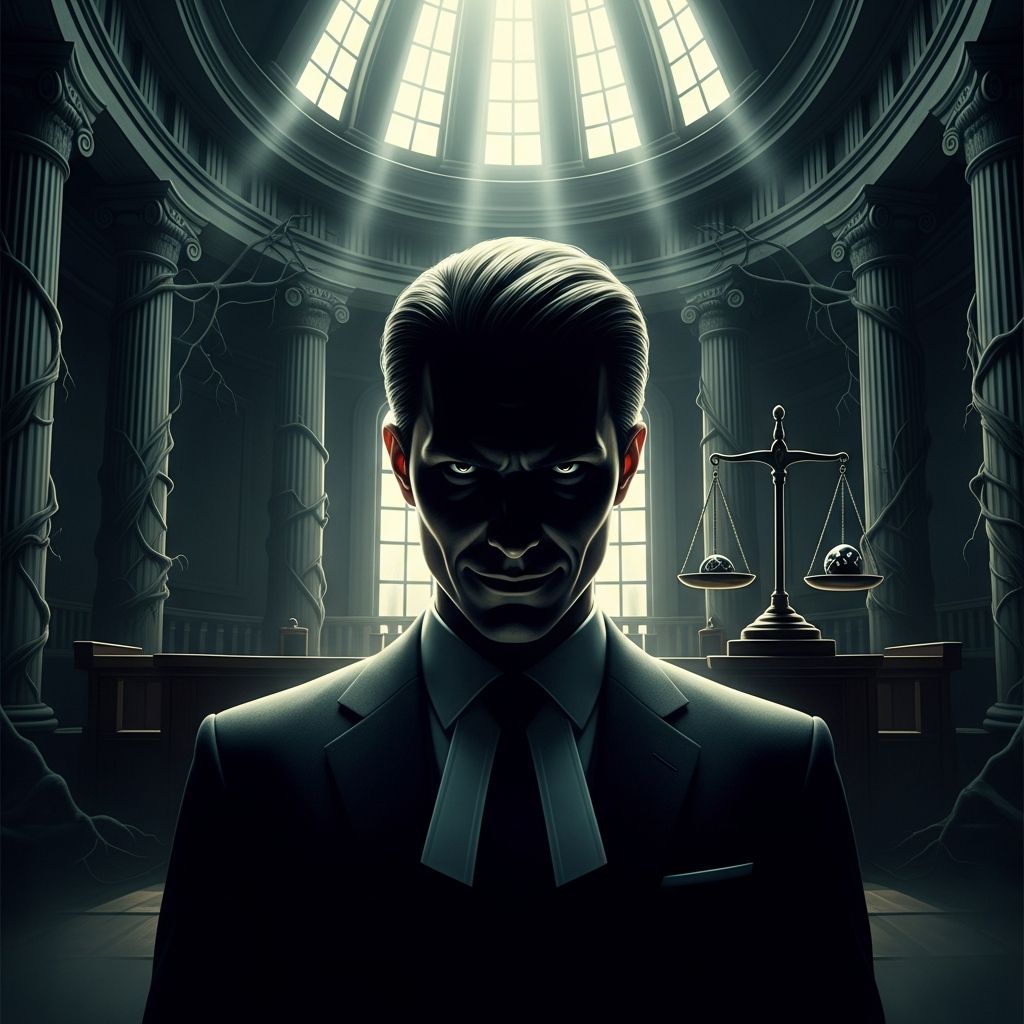
Fictional portrayals of lawyers often romanticize the profession with heroic defenders of truth. Yet, some characters subvert this trope, embodying incompetence, greed, deceit, and outright malevolence. These villainous attorneys not only fail their clients but actively undermine justice, serving as cautionary tales or comic relief in their narratives. This article delves into the most notorious examples, analyzing their actions, motivations, and cultural impact.
Incompetent Buffoons Who Botch Every Case
Some fictional lawyers earn infamy not through calculated evil but sheer ineptitude. Their bungled defenses highlight the perils of unqualified representation, often leading to hilarious yet disastrous outcomes for clients.
Lionel Hutz: The Simpsons’ Disbarred Disaster
In The Simpsons, Lionel Hutz stands as a paragon of legal malpractice. Voiced by Phil Hartman, this ambulance-chasing hack operates under aliases like “Miguel Sanchez” and holds a bogus law degree from “Colombian University.” His debut episode reveals his immediate disbarment for fraud, yet he persists in practicing. Hutz’s tactics include substituting liquor for evidence, using toy cars in court, and advising clients to flee the country mid-trial. Homer Simpson’s family repeatedly hires him despite these red flags, resulting in lost cases and financial ruin. Hutz satirizes real-world sleazy attorneys, exaggerating their ethical lapses for comedy. His catchphrase, “I fight for you!” rings hollow amid constant failures, making him a fan-favorite villain of incompetence.
Barry Zuckerkorn: Arrested Development’s Bumbling Blunderer
Henry Winkler’s Barry Zuckerkorn in Arrested Development epitomizes clueless counsel. Retained by the dysfunctional Bluth family, Barry dispenses absurd advice, such as claiming spouses cannot be charged jointly or that crimes in international waters evade U.S. jurisdiction—both legal fantasies. He encourages perjury and misreads basic statutes, once confusing a deposition with a deposition of assets. Barry’s malapropisms and obliviousness amplify the show’s satire on privilege and corruption. Despite his buffoonery, he occasionally stumbles into wins through sheer luck, underscoring how incompetence can mimic success in flawed systems.
These characters thrive on parody, but their antics raise questions about public trust in lawyers. Statistics from the American Bar Association indicate that perceived incompetence erodes confidence in the justice system, mirroring these fictional extremes.
Master Manipulators and Moral Bankrupts
Beyond incompetence lies calculated villainy. These lawyers bend the law with precision, prioritizing self-interest over ethics.
Saul Goodman: Breaking Bad’s Sleazy Strategist
Jimmy McGill, rechristened Saul Goodman in Breaking Bad and starring in Better Call Saul, transforms from a petty conman into a criminal enabler. Bob Odenkirk’s portrayal captures Saul’s charm masking amorality. He launders money for Walter White’s empire, fabricates defenses for murderers, and stages elaborate ruses like the “fugitive” scam. Saul’s motto, “Better Call Saul,” lures desperate clients into his web. His arc reveals a slippery slope from white-collar tricks to complicity in violence, critiquing how ambition corrupts legal ideals. Fans adore his resourcefulness, yet his betrayals—abandoning partners and fleeing justice—cement his villain status.
Maggie Lizer: The Deceptive D.A. Turned Fraud
Also from Arrested Development, Maggie Lizer (Rachel Harris) poses as a blind district attorney to sway juries with sympathy. Her ruse unravels when caught reading with perfect vision, exposing her as a bar-exam cheater. Maggie’s manipulation of disability for advantage vilifies exploitative tactics, blending deceit with professional betrayal.
Supernatural and Psychopathic Legal Terrors
Fiction elevates some lawyers to otherworldly evil, blending law with horror or madness.
John Milton: The Devil’s Own Advocate
In The Devil’s Advocate (1997), Al Pacino’s John Milton (Satan incarnate) heads a firm winning impossible cases through infernal pacts. He tempts protégé Kevin Lomax (Keanu Reeves) with power, seducing him toward damnation. Milton’s philosophy—that victory justifies any sin—embodies ultimate legal villainy. The film indicts ambition in high-stakes law, where “winning at all costs” invites moral collapse.
Harvey Dent: From Gotham D.A. to Two-Face
DC Comics’ Harvey Dent starts as Gotham’s crusading district attorney in The Dark Knight trilogy. Disfigured by acid, he becomes Two-Face, flipping a coin to decide fates. His legal acumen fuels criminal schemes, perverting prosecutorial skills into vigilantism. Dent’s tragedy warns of trauma’s toll on justice warriors.
Dr. Gonzo: Gonzo Journalism’s Narcotic Nightmare
Hunter S. Thompson’s Fear and Loathing in Las Vegas features Dr. Gonzo, a drug-fueled “Samoan attorney” based on Oscar Zeta Acosta. His hallucinatory escapades mock legal sobriety, prioritizing ether binges over briefs. Gonzo’s chaos represents counterculture rebellion against establishment law.
Ethical Lapses and Literary Villains
Literature offers subtler villains, whose breaches erode justice quietly.
Rusty Sabich: Presumed Innocent’s Conflicted Prosecutor
Scott Turow’s Presumed Innocent protagonist Rusty Sabich investigates his lover’s murder while concealing their affair, violating disclosure rules. His bias taints the probe, blurring prosecutor and suspect.
Daniel Webster’s Faustian Bargain
In Stephen Vincent Benét’s “The Devil and Daniel Webster,” the statesman defends a damned soul but grandstands, nearly abandoning duty. His jury nullification plea challenges legal norms.
| Character | Source | Villain Type | Key Sin |
|---|---|---|---|
| Lionel Hutz | The Simpsons | Incompetence | Fraudulent credentials |
| Saul Goodman | Breaking Bad | Manipulation | Criminal facilitation |
| John Milton | The Devil’s Advocate | Supernatural | Satanic temptation |
| Harvey Dent | DC Comics | Psychopathic | Vengeful vigilantism |
| Dr. Gonzo | Fear and Loathing | Chaotic | Substance abuse |
Cultural Impact and Real-World Parallels
These villains shape perceptions of lawyers, often unfairly. A 2023 Pew Research study notes media portrayals influence public distrust, with negative characters outnumbering heroes. Yet, they spark discussions on ethics—Saul’s schemes echo real plea bargaining abuses, per ABA reports.
In film, The Devil’s Advocate grossed over $60 million, popularizing satanic lawyer tropes. TV icons like Hutz appear in countless episodes, embedding incompetence in pop culture.
Why We Love to Hate Them
Audience fascination stems from catharsis: these characters voice frustrations with bureaucracy. Saul’s cynicism resonates in an era of corporate law firms; Hutz mocks predatory practices.
Frequently Asked Questions (FAQs)
Who is the most evil fictional lawyer?
John Milton from The Devil’s Advocate tops lists as literal Satan, outranking human villains through supernatural malice.
Is Saul Goodman based on a real lawyer?
No, but creator Vince Gilligan drew from shady criminal attorneys observed in Albuquerque.
Why is Lionel Hutz so incompetent?
As parody, his flaws exaggerate real malpractice for Simpsons humor, like fake degrees and courtroom antics.
Do these characters affect real lawyer perceptions?
Yes, surveys show negative portrayals contribute to lawyer jokes and lowered trust in the profession.
Are there heroic fictional lawyers too?
Absolutely—Atticus Finch contrasts these villains, but evil ones dominate villain rankings.
References
- An Attorney Ranks the Worst Famous Fictional Lawyers of All Time — Vista Criminal Law. 2023. https://vistacriminallaw.com/the-worst-fictional-lawyers-of-all-time/
- Top Ten Best-Worst Lawyers in Fiction — LitReactor. 2015-10-20. https://litreactor.com/columns/top-ten-best-worst-lawyers-in-fiction
- 10 Most Memorable Fictional Lawyers — St. Francis School of Law. 2023. https://stfrancislaw.com/blog/10-most-memorable-fictional-lawyers/
- The Five Best and the Five Worst Fictional Lawyers — Strand Magazine. 2018. https://strandmag.com/the-five-best-and-the-five-worst-fictional-lawyers/
- American Bar Association Ethics Reports — ABA. 2024-01-15. https://www.americanbar.org/groups/professional_responsibility/
Similar Articles








Read full bio of medha deb




