
Understanding Vehicle Recalls: Process and Protection
Learn how vehicle recalls safeguard drivers, from detection to free repairs and legal recourse for injuries.
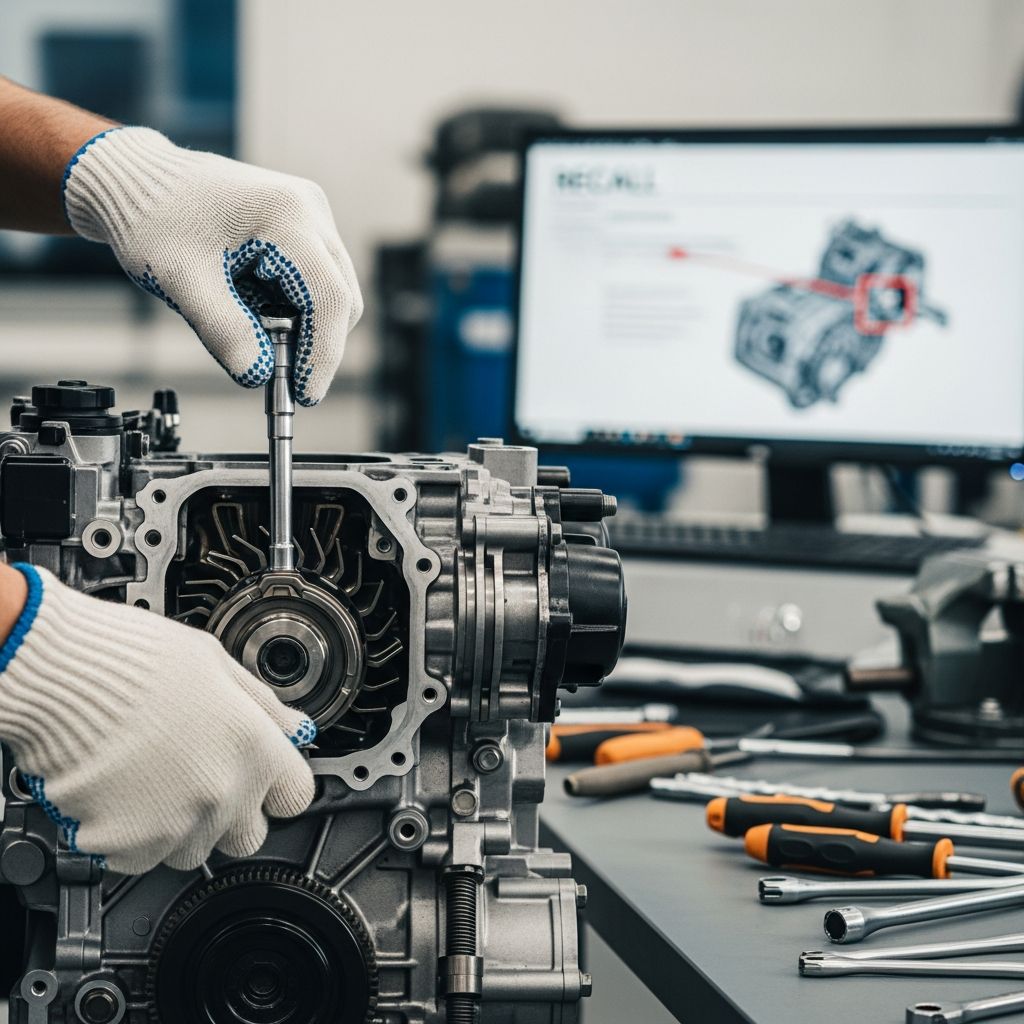
Vehicle recalls serve as a critical safety mechanism in the automotive industry, ensuring that dangerous defects do not endanger drivers, passengers, or pedestrians. When manufacturers identify issues in their products, they initiate processes to correct them at no cost to owners. This system, primarily overseen in the United States by the National Highway Traffic Safety Administration (NHTSA), balances consumer protection with manufacturer accountability.
The Fundamental Purpose of Automotive Recalls
At its core, a vehicle recall addresses safety-related defects or non-compliance with federal standards. These can range from faulty brakes and airbags to engine components that pose fire risks. The goal is prevention: stopping potential accidents before they occur. Manufacturers voluntarily issue most recalls, but NHTSA mandates them when investigations reveal patterns from consumer complaints or crash data.
Recalls protect not just individual owners but public safety overall. In 2021 alone, over 1,000 recalls affected 35 million vehicles, highlighting the scale of this system. Free repairs or replacements incentivize compliance, maintaining trust while upholding rigorous safety benchmarks.
Common Triggers for Recall Actions
Defects arise from manufacturing errors, design flaws, or material failures. Key categories include:
- Braking and Steering Systems: Failures here can lead to loss of control, a leading cause of recall investigations.
- Airbags and Seatbelts: Malfunctioning inflators or undeploying belts have prompted massive recalls, like those involving Takata airbags.
- Electrical and Fuel Systems: Wiring issues or leaking fuel lines risk fires, prompting swift action.
- Regulatory Violations: Non-adherence to Federal Motor Vehicle Safety Standards (FMVSS), emissions rules, or labeling requirements.
Consumer reports often spark these. NHTSA’s public database aggregates complaints; sufficient volume triggers probes that may escalate to recalls. Factories track production meticulously, pinpointing affected batches via serial numbers or assembly dates.
Step-by-Step Journey of a Recall Initiation
The recall process unfolds methodically:
- Detection: Issues surface via warranty claims, dealer feedback, supplier alerts, or NHTSA investigations.
- Assessment: Manufacturers analyze data; if a safety defect exists, they report to NHTSA within five days.
- Notification: Official letters go out by first-class mail, labeled ‘Safety Recall Notice’ with federal logos, detailing risks, remedies, and contact info.
- Remedy Campaign: Free fixes at authorized dealers; NHTSA monitors completion rates.
Voluntary recalls dominate, but NHTSA enforces compliance with fines up to $22,000 per violation, capping at $111 million for related issues. Hiding defects, as in the GM ignition switch scandal, invites severe penalties.
How Owners Receive and Verify Recall Alerts
Manufacturers must notify all affected owners using latest registration data. Letters outline defect specifics, hazards, warning signs, and repair instructions. Don’t ignore them—prompt action prevents harm.
Even without mail, verification is straightforward:
| Method | Description | Access Point |
|---|---|---|
| NHTSA Website | Search by VIN, license plate, year/make/model | NHTSA.gov/recalls |
| Manufacturer Portal | VIN lookup tools | Brand-specific sites |
| Mobile App | Real-time alerts | SaferCar app by NHTSA |
| Dealership Service | Checked during visits | Authorized locations |
Update your contact info with the DMV and manufacturer to ensure delivery. Third-party sites exist but prioritize official sources for accuracy.
Navigating the Repair Process Efficiently
Upon confirmation, schedule at a dealership. Repairs are free, covering parts and labor. Simpler fixes like software updates occur over-the-air (OTA) in modern vehicles from Ford, GM, Tesla, and others—akin to phone updates.
Physical repairs vary:
- Quick: Software flashes or minor adjustments (hours).
- Extended: Engine swaps or body work (days/weeks, pending parts).
Loaner vehicles? Some programs offer them; check your letter. Rental reimbursement insurance typically excludes manufacturer-covered recalls. Track completion—NHTSA verifies via VIN updates.
Risks of Ignoring Recall Notices
Driving a recalled vehicle heightens accident risk. Unfixed defects contribute to crashes, injuries, or fatalities. Beyond personal danger, you may void warranties or face insurance complications. Legally, unrepaired vehicles can lead to liability issues in collisions.
Proactive response is key: recalls exist because risks are substantiated. Delaying amplifies them.
Legal Implications and Rights for Affected Drivers
If a defect causes injury or death despite a recall—or before notification—victims pursue claims. Manufacturers face product liability lawsuits for failing to warn or remedy adequately. Successful cases yield compensation for medical bills, lost wages, pain, and more.
Lemon laws apply if defects persist post-repair. Class actions arise in large recalls. Consult attorneys specializing in personal injury; statutes of limitations apply. NHTSA data strengthens claims by documenting known risks.
Preventive Measures for Vehicle Safety
Stay vigilant:
- Regularly check VIN on NHTSA tools.
- Respond promptly to notices.
- Report suspected defects online.
- Service at authorized dealers for recall scans.
Buy used? Prioritize recall history. Tools like NHTSA’s dashboard filter by manufacturer/product.
Future Trends in Recall Management
Technology evolves recalls: OTA updates minimize downtime, telematics enable proactive alerts. NHTSA enhances dashboards for better tracking. Expect tighter regulations post-high-profile failures.
Global harmonization grows, with agencies like Transport Canada aligning processes.
Frequently Asked Questions About Vehicle Recalls
Do all recalls involve life-threatening defects?
No, some address regulatory compliance or minor safety enhancements, but all warrant attention as they meet federal thresholds.
How long after a recall announcement can I get repairs?
Dealers prepare within weeks; OTA fixes are immediate. Complex ones may delay due to parts.
Is my insurance affected by an open recall?
Possibly—some deny claims on unrepaired defects. Fix promptly.
Can I sell a vehicle with an open recall?
Yes, but disclose it; buyers inherit free repairs, but ethics and laws vary by state.
What if the manufacturer goes bankrupt?
NHTSA may oversee remedies; check official channels.
References
- What is a Vehicle Recall and How Does it Work? — Birchwood. 2023. https://www.birchwood.ca/blog/what-is-a-vehicle-recall-and-how-does-it-work/
- What Is a Recall on a Car? Why Cars Are Recalled and What You Do Next — GEICO. 2024. https://www.geico.com/information/aboutinsurance/auto/what-is-a-recall-on-a-car/
- How Do Car Recalls Work? — Progressive Life Lanes. 2023. https://lifelanes.progressive.com/understanding-car-recalls/
- Resources Related to Investigations and Recalls — NHTSA (U.S. Department of Transportation). 2026-04-01. https://www.nhtsa.gov/resources-investigations-recalls
- Car Recall Guide: Your Questions Answered — Consumer Reports. 2023-10-15. https://www.consumerreports.org/cars/car-recalls-defects/car-recall-guide-your-questions-answered-a1115780728/
- How Do Car Recalls Work: How to Handle Recalls on Your Vehicle — Thornhill CDJR. 2024. https://www.thornhillcdjr.com/how-do-recalls-work-logan-wv.html
Similar Articles








Read full bio of medha deb




