
Unauthorized Use of Patient Photos by Surgeons
Protecting patient privacy: Legal risks when surgeons share intimate photos without consent on websites or social media.
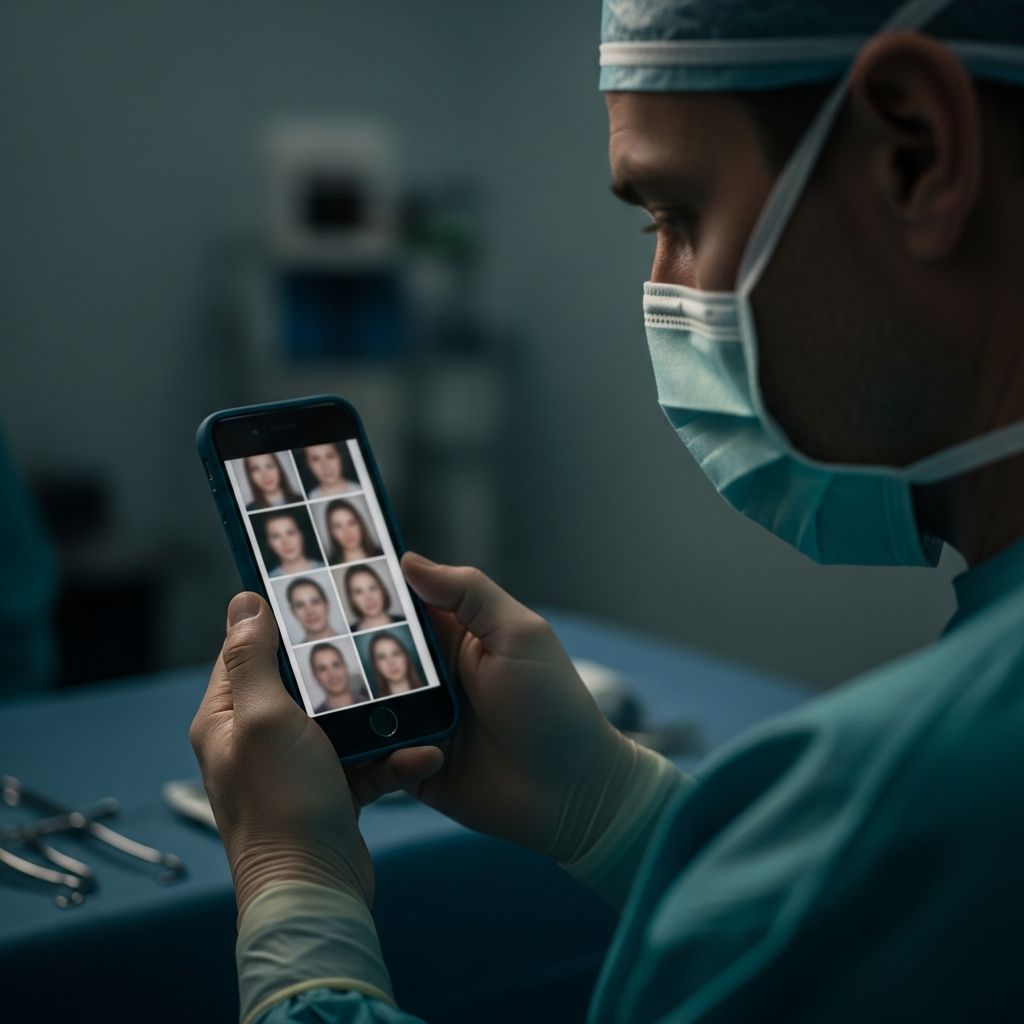
Plastic surgery patients often face a vulnerable moment when photographed before and after procedures, especially if images capture intimate or nude areas. Without explicit written permission, surgeons posting such photos online expose themselves to significant legal liabilities, including privacy violations and potential multimillion-dollar lawsuits. This article delves into the legal frameworks, real-world cases, patient protections, and preventive measures surrounding this critical issue.
Why Patient Photos Matter in Cosmetic Surgery
Cosmetic procedures frequently involve detailed documentation to track results, but these images can reveal sensitive body parts, tattoos, or identifiable features. Surgeons use them for marketing to showcase successes, yet this practice hinges on patient approval. When consent is absent or exceeded, it transforms a professional tool into a privacy nightmare, leading to emotional distress and public humiliation.
Patients may discover their images on clinic websites, social media, or review sites like Yelp, remaining online even after removal requests. Such exposure not only breaches trust but also invites harassment, as third parties download and misuse the content.
Core Legal Protections for Patients
Several federal and state laws safeguard medical privacy, making unauthorized photo sharing illegal in most cases.
- HIPAA Privacy Rule: This federal regulation protects health information, including photographs in medical records, from disclosure without consent. Violations carry civil and criminal penalties enforced by the Department of Justice.
- Right of Publicity and Misappropriation: Using a patient’s likeness for commercial gain, like website marketing, without permission constitutes misappropriation. Patients can seek actual damages, defendant’s profits, and punitive awards for malice.
- Invasion of Privacy: Posting identifiable nude images intrudes on seclusion and publicly discloses private facts, actionable under tort law.
- State Medical Board Regulations: Bodies like California’s Medical Board investigate unethical conduct, potentially leading to license sanctions.
Even broad privacy acknowledgments, such as HIPAA notice sign-offs, do not equate to photo release permission. Specific written consent is required for marketing use.
Real-World Cases Highlighting the Risks
Courts have repeatedly ruled against surgeons in photo misuse disputes, underscoring the need for precise consent.
| Case Summary | Key Violation | Outcome |
|---|---|---|
| Georgia woman sued Atlanta clinic for posting full-body nude photos with tattoos online, despite only signing HIPAA acknowledgment. | No photo-specific release; images lingered on Yelp/Facebook. | Sought damages for privacy invasion, emotional distress, HIPAA breach. |
| Patient explicitly denied web use consent on form; surgeon posted anyway. | Exceeded consent scope for ads/website. | Led to multimillion-dollar lawsuit potential. |
| Nude photos posted with patient’s name; third-party harassment ensued. | Invasion of privacy, negligence despite general consent. | Settled out of court. |
| Breast surgery photos published post-consent denial. | Direct breach of signed refusal form. | Lawsuit filed for unauthorized release. |
These examples illustrate patterns: vague forms, ignored retractions, and persistent online availability amplify damages. A study of legal databases confirms lack of written consent elevates litigation risk for plastic surgeons.
The Consent Process: What Surgeons Must Do
Effective consent forms must be explicit, detailing exact uses like “website marketing” or “social media.” Patients should review and sign separate from general medical releases. Surgeons bear the burden of proof in disputes, so documentation is crucial.
- Present forms pre-procedure with clear language.
- Allow opt-outs or specific limitations (e.g., no face, no identifiers).
- Honor revocation requests promptly, removing images from all platforms.
- Store photos securely, avoiding personal devices like cell phones.
Even with consent, publishing beyond agreed scopes—like adding names or using in ads—invites suits. Reasonable surgeons remove images upon patient request, regardless of prior approval.
Patient Steps After Discovering Unauthorized Photos
- Document Everything: Screenshot images, note URLs, and dates.
- Contact the Surgeon: Demand immediate removal in writing.
- File Complaints: Report to HIPAA office (hhs.gov/ocr), state medical board, and FTC for unfair practices.
- Consult a Lawyer: Privacy or personal injury attorneys evaluate claims for invasion, negligence, and emotional distress.
- Pursue Remedies: Seek injunctions, damages, and defendant’s profits.
Victims report profound impacts: career harm, family strain, and lasting anxiety. Prompt action preserves evidence and strengthens cases.
Broader Implications for Medical Practices
Beyond lawsuits, surgeons face reputational damage, insurance hikes, and board discipline. A retrospective legal analysis shows publishing outside consent scopes heightens financial liability. Clinics must train staff on privacy, audit websites regularly, and use anonymized images where possible.
Patients, empowered by digital permanence, increasingly litigate. Trends indicate rising claims as social media amplifies exposure. Ethical codes from bodies like the American Society of Plastic Surgeons emphasize consent primacy.
Preventive Strategies for Clinics and Patients
For Surgeons:
- Implement tiered consent: internal records only, educational use, commercial.
- Use watermarks or blurring for identifiers.
- Conduct annual privacy audits.
For Patients:
- Read all forms carefully; cross out unauthorized uses.
- Ask for photo copies and usage confirmations.
- Monitor online post-procedure.
Frequently Asked Questions (FAQs)
Can surgeons use my photos for their website if I signed a general privacy form?
No, general HIPAA acknowledgments do not permit marketing use. Specific written consent is required.
What if I signed consent years ago but now want photos removed?
You retain revocation rights; ethical surgeons comply immediately.
Are there criminal penalties for HIPAA photo breaches?
Yes, the Department of Justice handles prosecutions.
Can I sue for emotional distress from unauthorized photos?
Yes, alongside privacy claims, especially if harassment occurs.
How long do these images stay online after removal?
Indefinitely via caches or downloads; seek injunctions for full takedown.
This comprehensive guide equips patients and professionals to navigate photo consent pitfalls. Awareness prevents violations, fostering trust in cosmetic care.
References
- My plastic surgeon placed naked before and after photos — Avvo Legal Answers. 2017. https://www.avvo.com/legal-answers/my-plastic-surgeon-placed-naked-before-and-after-p-1705193.html
- Can Plastic Surgeons Post Your Nude Pics — Norman Law. N/A. https://norman-law.com/can-plastic-surgeons-post-your-nude-pics-to-their-website-without-your-permission/
- Can my plastic surgeon legally post online before/after pictures — RealSelf. N/A. https://www.realself.com/question/manhattan-beach-ca-plastic-surgeon-legally-post-online-before-after-pictures
- Consent to Use Before and After Photos — Medical Justice. N/A. https://medicaljustice.com/blog/consent-use-photos-lessons-multi-million-dollar-lawsuit/
- Legal Ramifications of Publishing Patient Photographs — PMC – NIH. 2023-08-01. https://pmc.ncbi.nlm.nih.gov/articles/PMC10400045/
Similar Articles








Read full bio of medha deb




