
Essential TV Interview Strategies for Attorneys
Master television appearances to elevate your legal practice and connect effectively with broad audiences.
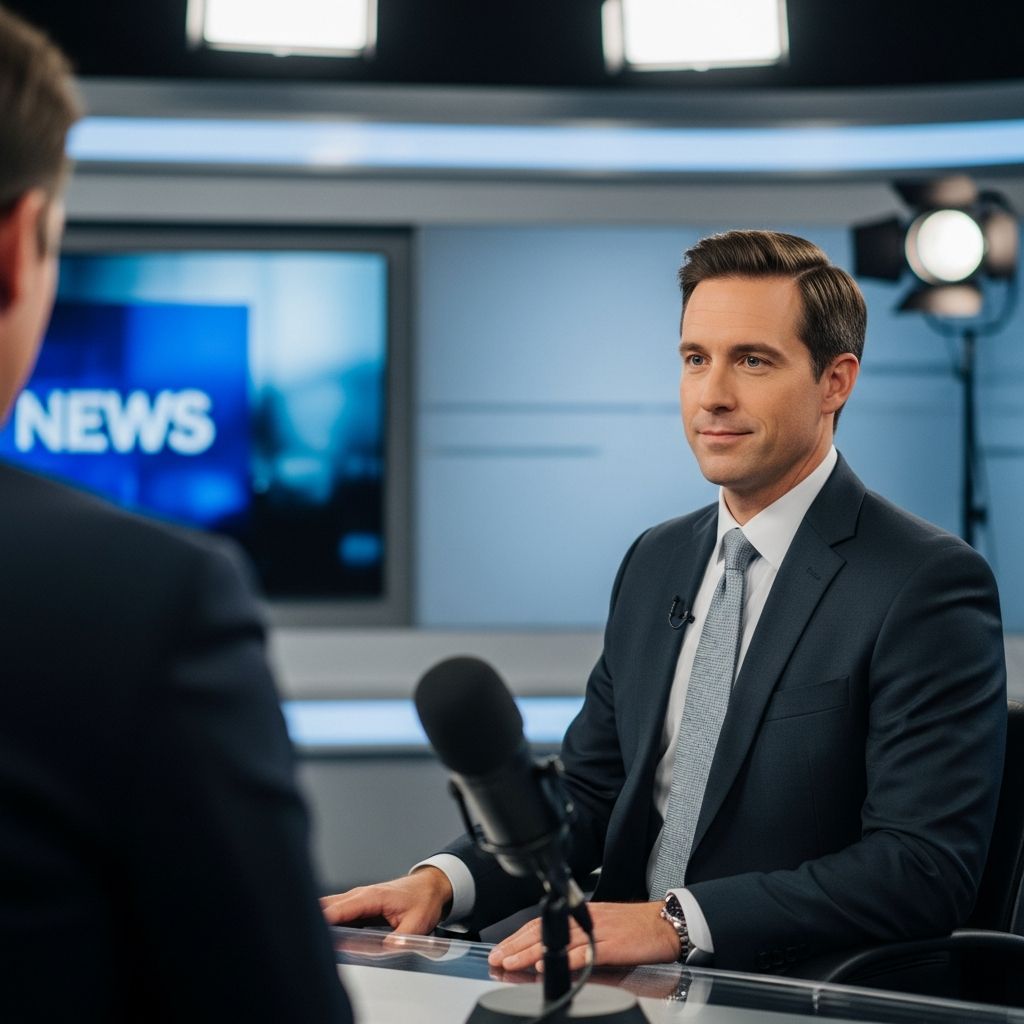
Television interviews offer attorneys a powerful platform to showcase expertise, influence public perception, and advance case narratives. Success hinges on meticulous preparation, clear communication, and professional poise under pressure. This guide outlines comprehensive approaches drawn from media training best practices tailored for legal professionals.
Building a Strong Foundation Before the Camera Rolls
Effective TV performances begin long before the lights come on. Attorneys must treat each interview as a strategic opportunity to shape the story. Start by clarifying your objectives: Are you educating the public, defending a position, or humanizing a client? Defining goals ensures every response aligns with your broader communication strategy.
Research the outlet and host thoroughly. Analyze recent segments to gauge tone, audience demographics, and recurring themes. For instance, morning shows often attract diverse viewers seeking relatable insights, while evening news prioritizes concise, impactful statements. This preparation prevents surprises and allows you to tailor messages accordingly.
- Review the host’s past interviews for question patterns.
- Understand the show’s format, such as live versus taped segments.
- Identify the target audience to adjust language complexity.
Develop 2-3 core messages that encapsulate your position. These should be simple, memorable, and repeatable. Practice articulating them conversationally to avoid sounding scripted. Ethical boundaries are paramount; never disclose confidential details or speculate on ongoing litigation, as this could violate professional rules.
Crafting Messages That Resonate and Stick
In the fast-paced world of television, soundbites rule. Most clips aired are under 15 seconds, so prioritize brevity and punchiness. Avoid filler phrases like “I think” or “I believe,” which dilute authority. Instead, deliver statements with conviction: “The evidence clearly demonstrates…”
Use bridging techniques to redirect conversations. If a question veers off-topic, acknowledge it politely then pivot: “While that’s noteworthy, the critical factor here is…” This keeps control without appearing evasive. Analogies from everyday life demystify legal concepts, making your points accessible to non-experts.
| Technique | Purpose | Example |
|---|---|---|
| Flag Key Points | Highlights importance | “The most vital aspect is…” |
| Bridge Phrases | Steers back to message | “That said, what matters most is…” |
| Soundbite Practice | Ensures brevity | “Justice demands accountability now.” |
Anticipate tough questions, including adversarial ones. Rehearse responses that reinforce your key messages while staying factual. For contentious topics, build rapport first with positive exchanges before addressing challenges, creating a natural crescendo.
Mastering On-Camera Presence and Body Language
Visuals dominate TV, so your appearance and demeanor must convey confidence and trustworthiness. Opt for professional attire: dark suits or jackets provide structure and authority, avoiding stark whites that wash out on screen or busy patterns that distract. Solid colors in navy, charcoal, or earth tones work best.
Positioning matters. Lean slightly forward to project engagement and intimacy, which also flatters your silhouette. Maintain eye contact with the interviewer, not the camera, unless you’re experienced—this fosters connection and avoids a shifty appearance. Relax your posture with open gestures; crossed arms signal defensiveness.
- Smile genuinely to build warmth.
- Pause 1-2 seconds before responding for thoughtful delivery.
- Minimize blinking and fidgeting through practice.
Control your environment where possible. A neutral or branded background reinforces your message without clutter. Vocal delivery should be steady, with varied pitch to sustain interest—avoid monotone legalese.
Navigating Live Versus Pre-Recorded Dynamics
Live interviews demand unflappable composure, as there’s no edit safety net. Speak in complete sentences, assuming any snippet could air standalone. Pre-recorded sessions allow retakes but require consistency, as editors select the most compelling cuts.
In both formats, active listening is key. Nod affirmatively, paraphrase for clarity, and resist interrupting. Silence after a question can prompt deeper responses, but use it sparingly to avoid awkwardness.
Ethical Considerations and Client Involvement
Lawyers must balance media savvy with bar association rules on publicity. Consult guidelines from bodies like the American Bar Association, which prohibit prejudicial statements in pending cases. Prepare clients separately if they participate, ensuring they stick to approved points.
Post-interview, review clips critically for lessons learned. Debrief with your team to refine future approaches.
Advanced Techniques for High-Stakes Appearances
For national exposure, media training workshops simulate real scenarios. Record practice sessions to critique filler words, pacing, and energy. Collaborate with PR experts to amplify reach via social clips.
Handle curveballs gracefully: If pressed on sensitive issues, respond, “I can’t discuss specifics due to ongoing proceedings, but generally…” This upholds integrity while providing value.
Frequently Asked Questions (FAQs)
What should lawyers wear for a TV interview?
Choose dark, solid-colored suits or jackets with subtle ties. Avoid white shirts without jackets, bright patterns, or logos that distract. Professional attire conveys credibility.
How do you handle hostile questions?
Acknowledge briefly, then bridge to your key message: “That’s a fair concern, but the evidence shows…” Stay calm and factual.
Is media training worth it for attorneys?
Yes, it builds confidence, refines delivery, and ensures ethical compliance, leading to more effective public communications.
Can clients speak during lawyer interviews?
Prepare them rigorously if yes; otherwise, politely direct focus to your expertise to maintain control.
How long should responses be?
Aim for 9-15 seconds per answer—short, quotable soundbites that editors favor.
Real-World Case Studies
Consider high-profile attorneys who turned interviews into career boosters. One defense lawyer used a single analogy—comparing evidence chains to locked doors—to sway public opinion, securing favorable settlements. Another prosecutor leaned on data visuals in the background, embedding stats subconsciously.
These examples underscore preparation’s power. Track your media impact via clippings and feedback to iterate.
References
- Lawyers Speak Up: Tips for Cases Receiving Media Attention — LawyerMinds. 2023. https://www.lawyerminds.com/lawyers-speak-up-tips-for-cases-receiving-media-attention/
- 10 Tips to Mastering the Television Interview — Impact Factory. 2024. https://www.impactfactory.com/resources/media-training-mastering-the-television-interview/
- Public Relations for Lawyers: Interviews for Lawyers — Furia Rubel. 2023. https://www.furiarubel.com/news-resources/public-relations-lawyers-putting-media-work-part-ii/
- How Attorneys Should Prepare for a Media Interview — RebuttalPR. 2024. https://www.rebuttalpr.com/how-attorneys-should-prepare-for-a-media-interview/
- TV Interview Tips With TODAY Show’s Craig Melvin — NBCU Academy. 2023. https://nbcuacademy.com/tv-interview-tips/
Similar Articles








Read full bio of medha deb




