
Trump vs. Maher: The $5M Joke Lawsuit Saga
Unpacking Donald Trump's 2013 lawsuit against Bill Maher over a satirical bet: legal merits, free speech implications, and comedy's boundaries.
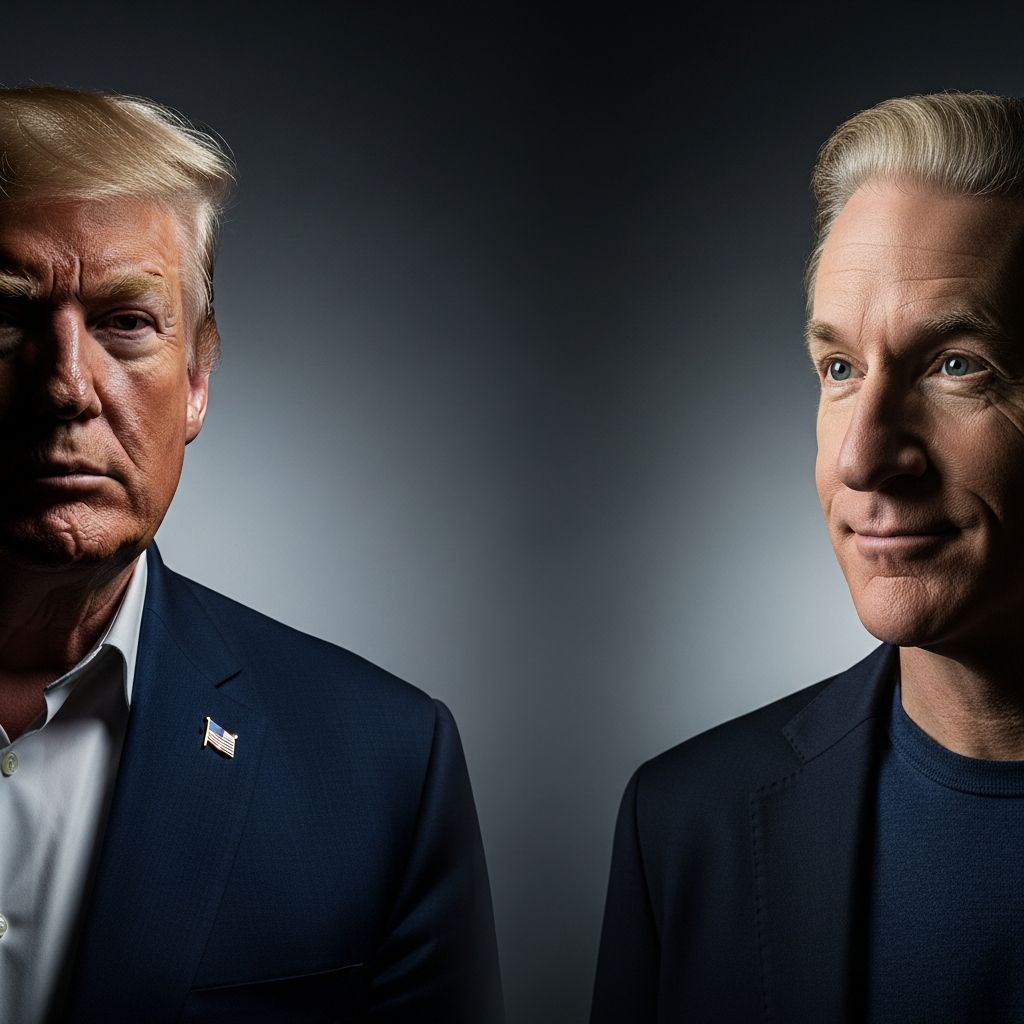
In early 2013, a peculiar legal battle erupted between real estate mogul and television personality Donald Trump and comedian Bill Maher. What began as a late-night TV quip escalated into a high-profile lawsuit demanding $5 million, spotlighting the tense intersection of political satire, public bets, and courtroom realities. This case, filed in California, tested the limits of verbal agreements formed in jest and raised questions about accountability in entertainment.
Origins of the Feud: A Tonight Show Wager
The dispute originated on NBC’s ‘The Tonight Show’ hosted by Jay Leno in January 2013. During a monologue, Maher mocked Trump’s persistent promotion of the debunked ‘birther’ theory questioning President Barack Obama’s birthplace. In a hyperbolic twist, Maher jokingly offered $5 million to a charity of Trump’s choice if Trump could produce his birth certificate proving he was ‘not the spawn of his mother having sex with an orangutan.’ This barb echoed Trump’s own demands for Obama’s records during the 2012 election cycle.
Trump, never one to shy from publicity, quickly responded on social media and TV. He claimed to have immediately accepted the challenge by tweeting a copy of his birth certificate from Jamaica Hospital in Queens, New York. In his view, this fulfilled the condition, entitling charities to the payout. Trump announced the suit on Fox News’ ‘Fox & Friends,’ emphasizing that any winnings would benefit organizations like the Dana-Farber Cancer Institute, American Cancer Society, Hurricane Sandy relief efforts, March of Dimes, and the Police Athletic League.
Legal Foundation: Breach of Contract Claim
Trump filed the complaint in Los Angeles Superior Court on February 4, 2013, alleging breach of contract. He argued that Maher’s on-air statement constituted an unconditional offer, which he accepted by providing documentation, forming a binding agreement. The suit sought specific performance—payment of the $5 million—or damages equivalent thereto, all directed to charity.
Central to Trump’s position was contract law basics: offer, acceptance, and consideration. He portrayed the birth certificate as consideration, insisting prior demands for payment had been ignored. This framing positioned the case not as defamation but as an enforceable promise, sidestepping First Amendment protections for satire.
- Key Contract Elements Cited:
- Offer: Maher’s public $5 million pledge on national TV.
- Acceptance: Trump’s prompt delivery of birth certificate.
- Intent: Trump’s assertion of seriousness despite comedic context.
- Breach: Maher’s non-payment.
Maher’s Defense: Pure Satire, No Real Offer
Maher dismissed the suit as frivolous from the outset. His legal team filed a motion to dismiss, arguing the remark was obvious hyperbole, not a genuine contractual offer. Courts routinely reject such claims when statements lack serious intent, especially in comedy routines. Maher quipped in interviews that the suit proved Trump’s sensitivity to ridicule, turning the tables on the plaintiff.
In a YouTube discussion years later, Maher recounted how Trump even presented the birth certificate in court proceedings, mirroring his Obama fixation—an absurd escalation that underscored the joke’s intent. Legal experts agreed: parody enjoys robust free speech safeguards under U.S. law, as affirmed in cases like Hustler Magazine v. Falwell (1988), where emotional distress claims from satire failed.
Courtroom Resolution: Swift Dismissal
Just weeks after filing, on February 28, 2013, Judge Carl J. West issued a tentative ruling granting Maher’s dismissal motion with prejudice, meaning no refiling allowed. The judge deemed the ‘offer’ rhetorical flourish, incapable of forming a contract. Trump did not contest the ruling, and the case ended abruptly.
| Date | Event |
|---|---|
| Jan 2013 | Maher’s Tonight Show joke and wager. |
| Early Feb 2013 | Trump tweets birth certificate, announces suit on Fox News. |
| Feb 4, 2013 | Lawsuit filed in LA Superior Court. |
| Feb 28, 2013 | Court dismisses case with prejudice. |
This outcome aligned with precedents where promotional gimmicks or jests fail as contracts absent clear mutual intent.
Broader Legal Implications for Satire and Contracts
The Trump-M Maher clash illustrates challenges in enforcing ‘agreements’ born from entertainment. Verbal offers in comedic contexts rarely bind parties, as courts prioritize reasonable interpretations. Factors like medium (TV monologue), audience expectations (late-night comedy), and speaker (professional satirist) signal non-seriousness.
Defamation law further protects such speech. Public figures like Trump face a high ‘actual malice’ bar per New York Times v. Sullivan (1964), requiring proof of knowing falsity or reckless disregard. A fantastical orangutan claim patently fails this test, serving as protected opinion.
Yet the case hints at risks: if plaintiffs frame suits as contract breaches, they might evade speech protections, though courts pierce such veils when absurdity prevails.
Public Reaction and Media Frenzy
News outlets from Politico to ABC covered the story voraciously, framing it as Trump’s ‘war on comedy.’ Pundits debated whether it was genuine litigation or publicity stunt. Trump’s history of lawsuits—over 4,000 per USA Today tallies—lent credence to both views. Comedians rallied behind Maher, viewing it as censorship attempt.
On HuffPost Live, host Dean Obeidallah called it a new low, linking it to Trump’s birtherism. Social media buzzed with memes juxtaposing Trump’s certificate demands.
Ethical Dimensions: Charity as Leverage?
Trump’s insistence on charitable donation added intrigue. Donating proceeds could mitigate ‘SLAPP’ (Strategic Lawsuit Against Public Participation) accusations under California’s anti-SLAPP statute, which Maher could have invoked for fees. By avoiding malice-based torts, Trump dodged this, but the court still rejected his theory.
Critics questioned using charity to pressure comedians, potentially chilling speech. Beneficiaries gained nothing, highlighting performative philanthropy critiques.
Lessons for Celebrities and Comedians
For public figures, suing over jokes risks amplifying ridicule, as seen in Trump’s image. Comedians learn satire’s armor holds firm against contrived claims. Lawyers advise documenting intent in public ‘bets’ to avoid misinterpretation.
- Strategic Takeaways:
- Context defines enforceability—comedy rarely binds.
- Public figures struggle proving harm from hyperbole.
- Lawsuits can boomerang, fueling opponent narratives.
Frequently Asked Questions
Why did Trump sue Bill Maher?
Trump claimed Maher breached a $5 million verbal contract after he produced his birth certificate in response to a satirical TV challenge.
Was the lawsuit successful?
No, a California judge dismissed it within weeks, ruling the joke was not a serious offer.
What charities did Trump name?
Dana-Farber Cancer Institute, American Cancer Society, Hurricane Sandy victims, March of Dimes, and Police Athletic League.
Does this affect free speech?
It reinforces protections for satire, showing courts distinguish jokes from legal promises.
Has Trump sued comedians before?
Yes, this fit his pattern of litigation against critics, though most settle or dismiss.
Legacy in Pop Culture and Law
A decade later, the episode endures as punchline fodder. Maher referenced it in podcasts, like a Club Random chat with Martin Short, laughing at Trump’s court antics. It exemplifies how celebrity egos clash with humor, influencing comedian caution around politicians.
Legally, it cites in media law discussions, underscoring satire’s resilience. As Trump ascended politically, parallels emerged in handling mockery, from SNL skits to rally chants.
This saga reminds: in America’s free speech marketplace, jokes often trump lawsuits.
References
- Trump to sue Maher after bet feud — POLITICO. 2013-02-04. https://www.politico.com/story/2013/02/donald-trump-to-sue-bill-maher-after-bet-feud-087125
- Donald Trump Sues Bill Maher For $5 Million! | HPL — YouTube (HuffPost). 2013. https://www.youtube.com/watch?v=oPuQjcA6YnY
- Donald Trump Sues Bill Maher for $5M — ABC News. 2013-02-04. http://abcnews.com/blogs/entertainment/2013/02/donald-trump-sues-bill-maher-for-5m
- Trump SUED Bill Maher for this — YouTube (Club Random with Bill Maher). Post-2013. https://www.youtube.com/watch?v=-GzjAPO1m-8
Similar Articles








Read full bio of medha deb




