
Fallen Tree Liability: Who Pays And How To Protect Yourself Now
Uncover who pays when a tree topples onto your neighbor's yard—key legal rules, insurance tips, and prevention strategies explained.
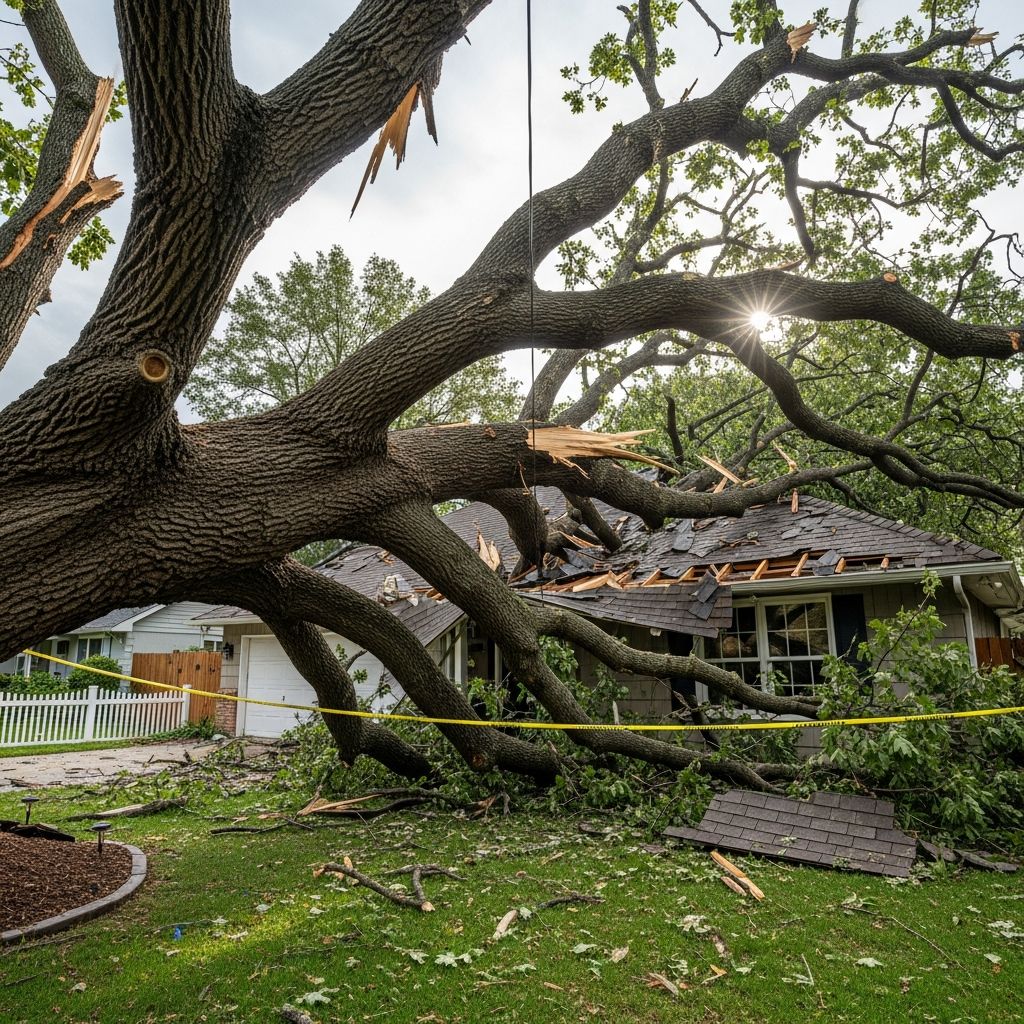
Property owners often face unexpected challenges when trees topple boundaries, raising questions about responsibility for repairs and potential lawsuits. This guide explores the legal principles governing such incidents, emphasizing how courts determine fault based on foreseeability and maintenance.
Core Principles of Tree-Related Liability
In the United States, liability for a fallen tree typically depends on whether the damage resulted from negligence or an unavoidable natural event. Courts across states like Connecticut, New York, and others apply similar standards: property owners bear responsibility only if they knew or should have known about a hazardous tree condition beforehand.
For instance, a healthy tree uprooted by high winds or lightning qualifies as an “act of God,” absolving the owner from blame. Neighbors must then rely on their own homeowners insurance for cleanup and repairs. This approach streamlines claims, preventing endless finger-pointing after storms.
Negligence: The Deciding Factor in Disputes
Negligence arises when a tree shows clear signs of decay, disease, or instability, and the owner ignores warnings or visible defects. Attorneys note that prior knowledge—such as complaints from neighbors or arborist reports—triggers a duty to act, like pruning or removal.
- Visible hazards: Dead branches, leaning trunks, or fungal growth signal risk.
- Owner’s duty: Reasonable inspections, especially for boundary trees, are expected.
- Consequences: Failure to address can lead to lawsuits for property damage or personal injury.
In one scenario, if a rotting tree crushes a neighbor’s fence after months of obvious decline, courts may rule the owner negligent, ordering compensation. Homeowners insurance often covers these claims under liability provisions, up to policy limits.
Insurance Coverage Breakdown
Homeowners policies play a pivotal role, but coverage varies by scenario. Here’s a comparison:
| Scenario | Whose Insurance Pays? | Typical Coverage |
|---|---|---|
| Healthy tree falls in storm (act of God) | Neighbor’s policy | Comprehensive peril coverage for removal and repairs |
| Diseased tree falls due to neglect | Tree owner’s liability coverage | Damage to neighbor’s property; may subrogate against owner |
| Tree damages owner’s own property | Owner’s policy | Peril coverage if storm-related; exclusions for neglect |
| Attempted DIY removal causes damage | Owner’s policy or out-of-pocket | Limited; negligence may void claims |
Neighbors should file claims promptly with their insurer, who may later pursue the tree owner via subrogation if negligence is proven. Deductibles apply, prompting some to seek direct reimbursement.
State Variations in Tree Law
While most states follow the negligence rule, nuances exist. In New York, visibly hazardous trees impose liability if unaddressed, supporting small claims up to $10,000. Connecticut stresses “reasonable steps” to mitigate known dangers.
Property line rules add complexity: overhanging branches can be trimmed by neighbors, but trunk ownership remains with the rooted property. Public lands shift responsibility to municipalities once notified of risks.
Steps to Take After a Tree Falls
Immediate action minimizes escalation:
- Document everything: Photos of damage, tree condition, and weather reports.
- Notify insurers: Both parties file claims without admitting fault.
- Secure the site: Remove imminent dangers to prevent further harm.
- Consult professionals: Arborists assess pre-fall health via stump analysis.
- Communicate calmly: Avoid accusations; let adjusters investigate.
If disputes arise, small claims court offers a low-cost resolution for damages under $5,000–$10,000, depending on jurisdiction.
Preventing Liability Through Proactive Care
Regular maintenance averts most issues. Hire certified arborists for annual inspections, focusing on:
- Structural integrity checks.
- Disease and pest scans.
- Pruning weak limbs near structures.
Proximity to power lines or homes heightens risks, warranting cabling or removal. Proactive owners document inspections, building a defense against claims.
Common Myths About Fallen Trees
Misconceptions fuel neighbor conflicts:
- Myth: Tree owners always pay. Fact: Only if negligent.
- Myth: Neighbors can demand removal. Fact: Trimming allowed, but not felling healthy trees.
- Myth: Insurance covers all removals. Fact: Only if damaging covered structures.
Frequently Asked Questions
Can I sue my neighbor if their dead tree damages my shed?
Yes, if the tree was visibly hazardous and ignored, pursue via small claims after documenting evidence.
Does homeowners insurance cover storm-fallen trees?
Typically yes, under comprehensive coverage for the affected property owner.
Who pays if a tree falls on a shared fence?
The damaged party’s insurance first; subrogation may follow if negligence proven.
Should I remove a leaning tree myself?
No—hire professionals to avoid liability for improper handling.
What if the tree was healthy but old?
Age alone doesn’t imply negligence; focus on condition evidence.
Advanced Considerations for Multi-Family Properties
In HOAs or rentals, liability may shift to associations or landlords if they control maintenance. Tenants rarely face claims unless directly responsible. Review covenants for tree care clauses to clarify duties.
During severe weather seasons, municipalities may declare emergencies, altering insurance protocols. Stay informed via local codes, as some require hazard tree removal ordinances.
Environmental factors like climate change increase storm frequency, prompting insurers to raise premiums for high-risk areas. Owners in hurricane zones might invest in wind-resistant species or reinforcements.
Legal Recourse and Resolution Strategies
Beyond insurance, mediation resolves 70-80% of neighbor disputes without court, per legal experts. Demand letters from attorneys often prompt settlements.
For personal injuries, statutes of limitations (1-3 years) apply—act swiftly. Evidence like witness statements strengthens cases.
Table of resolution timelines:
| Method | Timeline | Cost |
|---|---|---|
| Insurance claim | 30-60 days | Low (deductible) |
| Small claims | 1-3 months | $50-200 filing |
| Mediation | 2-4 weeks | $100-500 |
| Civil suit | 6-24 months | $5,000+ |
Tree Selection and Long-Term Planning
Choose species with non-invasive roots and moderate growth for urban lots. Native trees resist local pests, reducing disease risks. Landscape architects advise spacing from boundaries.
Budget annually for care: $200-500 per tree inspection yields peace of mind.
References
- When Your Tree Falls On Your Neighbor’s Property, Who Is Liable — Cramer & Anderson. 2023. https://www.crameranderson.com/when-your-tree-falls-on-your-neighbors-property-who-is-liable-for-damages/
- Neighbor’s Dead Tree Fell on My Property — Justia Answers. 2025-06-18. https://answers.justia.com/question/2025/06/18/neighbor-s-dead-tree-fell-on-my-property-1065144
- Trees Can Present Liability for Homeowners — Maynard Injury Law. 2023. https://www.maynardinjurylaw.com/trees-can-present-liability-homeowners/
- Who is Liable When a Tree Falls on a Neighbor — Narragansett RI Government. 2023. https://narragansettri.gov/DocumentCenter/View/9326/Who-is-Liable-When-a-Tree-Falls-on-a-Neighbor
- My Tree Fell on a Neighbor’s Garage: Who Pays? — Nolo. 2023. https://www.nolo.com/legal-encyclopedia/my-tree-fell-neighbors-garage-who-pays.html
- Tree Damage Liability 101 for New York Homeowners — Green Leaf Tree Removal NY. 2023. https://www.greenleaftreeremovalny.com/tree-damage-liability/
Similar Articles








Read full bio of medha deb




